
Introduction
In recent years, the landscape of manufacturing has been transformed by the rise of Chinese laser cutting technology, establishing itself as a powerhouse in precision engineering. As industries worldwide seek efficient and cost-effective solutions, Chinese fiber lasers have emerged as a popular choice for metal cutting applications. With their blend of affordability and advanced features, these machines are not just tools; they represent a paradigm shift in how metal fabrication is approached.
The Rise of Chinese Laser Cutting
Chinese laser cutting has surged to prominence due to its rapid technological advancements and competitive pricing. Manufacturers across various sectors are increasingly turning to these innovative machines for their ability to deliver high-quality cuts with remarkable speed. This growth is not merely a trend; it signifies a broader acceptance of Chinese-made equipment on the global stage, showcasing reliability and performance that rivals established brands.
Why Choose a Chinese Metal Laser Cutter
When considering options for metal cutting, choosing a Chinese metal laser cutter can offer significant advantages. These machines often come equipped with state-of-the-art technology that enhances productivity while keeping operational costs low. Additionally, the ease of access to spare parts and support services makes them an appealing choice for businesses looking to streamline their production processes without sacrificing quality.
Exploring the Chinese Fiber Laser Advantages
The advantages of using Chinese fiber lasers extend beyond just cost savings; they also include enhanced efficiency and versatility in material processing. Fiber lasers are renowned for their ability to cut through various metals with exceptional precision, making them ideal for diverse applications—from automotive parts to intricate art pieces. Furthermore, their lower energy consumption compared to traditional laser systems contributes positively to both environmental sustainability and operational budgets.
Understanding Laser Cutting Technology
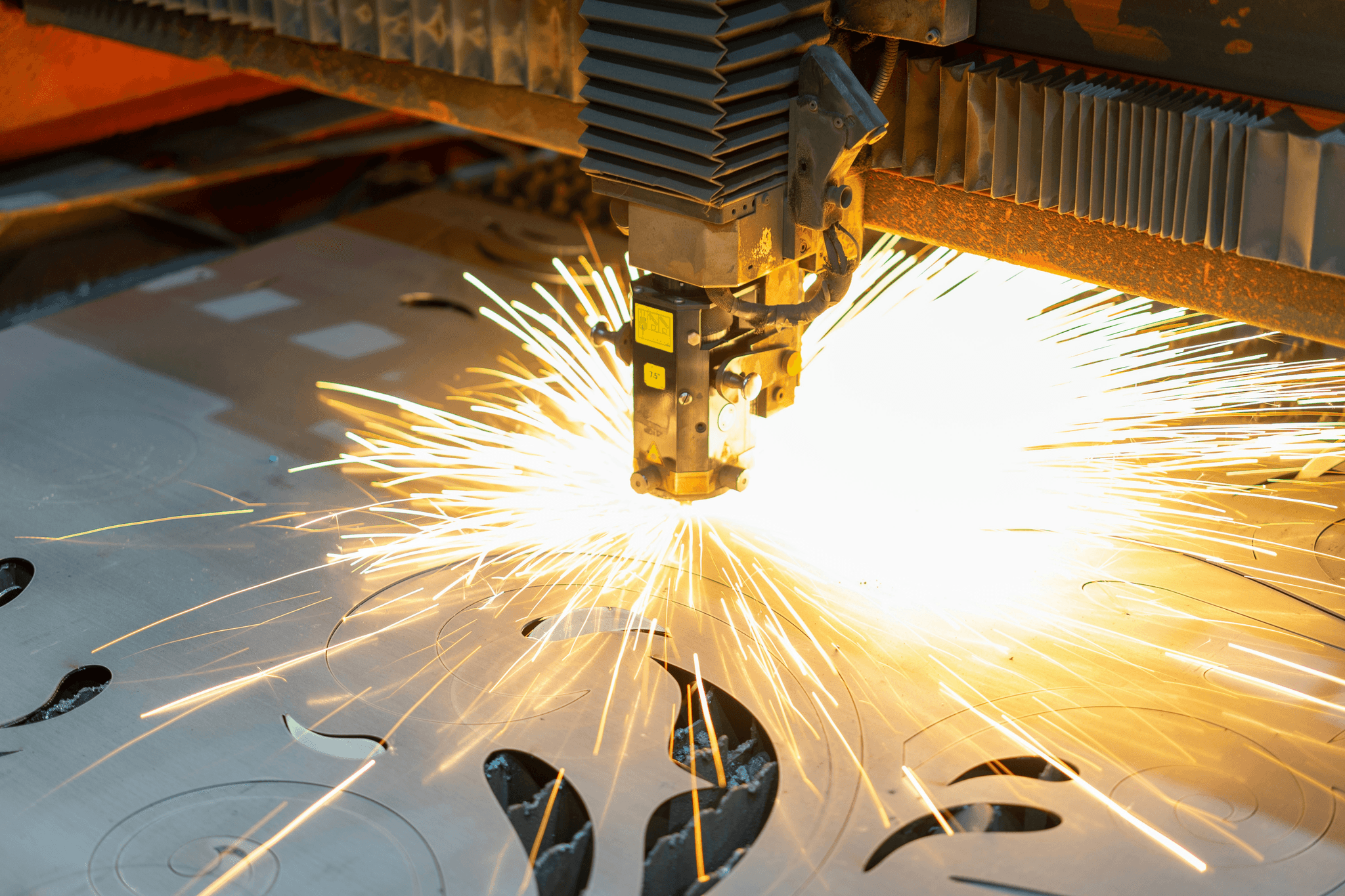
Laser cutting technology has revolutionized the manufacturing industry, allowing for precise and efficient cutting of various materials. At its core, laser cutting utilizes focused light to melt or vaporize material, creating intricate designs with minimal waste. This technology is particularly popular in industries requiring high precision and speed, such as automotive and aerospace.
What is Laser Cutting?
Laser cutting is a process that uses a high-powered laser beam to cut through materials with exceptional accuracy. This method can be applied to a variety of materials, including metals, plastics, and wood, making it incredibly versatile. In recent years, Chinese fiber lasers have emerged as a dominant force in this field due to their efficiency and cost-effectiveness.
The principle behind laser cutting involves directing the laser beam onto the material's surface, where it generates enough heat to either melt or vaporize the material away. The result is clean edges and intricate designs that are difficult to achieve with traditional cutting methods. As industries continue to demand higher precision in their products, the popularity of laser cutting technology—especially from Chinese manufacturers—continues to soar.
How Fiber Lasers Work
Fiber lasers are a specific type of laser cutter that utilize optical fibers doped with rare-earth elements like ytterbium or neodymium as their gain medium. This design allows for higher efficiency compared to traditional CO2 lasers because fiber lasers convert electrical energy into light more effectively. Moreover, these lasers produce a concentrated beam that can be easily manipulated for various applications.
The operation of fiber lasers involves pumping light into the optical fibers using diodes; this light then travels through the fibers before being emitted as an intense beam capable of cutting through thick metals or delicate materials alike. The compact design of Chinese fiber lasers also allows for greater flexibility in manufacturing setups without compromising on power or performance. As such, they are increasingly favored by businesses looking for reliable and high-performing equipment.
Benefits of Using Metal Laser Cutters
Using metal laser cutters offers numerous advantages over conventional methods like plasma or mechanical cutting techniques. For starters, Chinese fiber lasers provide remarkable precision; they can cut complex shapes with tight tolerances while ensuring minimal kerf width—resulting in less wasted material overall. This level of accuracy translates directly into cost savings for manufacturers who prioritize efficiency.
Additionally, metal laser cutters operate at faster speeds than traditional methods due to their ability to cut continuously without needing frequent tool changes or adjustments during operation. They also produce cleaner cuts that require little-to-no post-processing work—a significant benefit when time is money in production environments! Furthermore, many modern Chinese fiber laser models come equipped with advanced features such as automatic height adjustment and intelligent control systems that enhance usability even further.
In summary, understanding how laser cutting works—and specifically how Chinese fiber lasers excel—is crucial for any business looking to leverage this technology effectively in their operations.
The Market Leaders in Chinese Laser Cutting Equipment
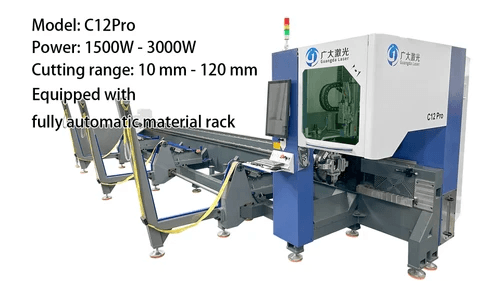
The realm of Chinese laser cutting equipment is bustling with innovation and competition, showcasing a variety of brands that are making waves both domestically and internationally. As industries increasingly turn to advanced technologies for efficiency and precision, these market leaders are carving out their niches in the laser cutting landscape. With a focus on performance, reliability, and cost-effectiveness, the following sections delve into the key players shaping this dynamic market.
Overview of Key Players
In the vibrant world of Chinese fiber laser technology, several companies stand out as pioneers and innovators. Among them are Han's Laser Technology Industry Group, Raycus Fiber Laser Technologies, and Trumpf China—all renowned for their high-quality products and cutting-edge research capabilities. These companies not only dominate the local market but also export their advanced machines globally, showcasing the prowess of Chinese manufacturing.
Another notable player is Bodor Laser, which has gained recognition for its user-friendly interface and robust design in metal laser cutters. Their commitment to continuous improvement ensures that they remain competitive by integrating new features based on customer feedback. As these key players continue to innovate, they set benchmarks for quality and performance that others strive to meet.
Spotlight on Kiant Machinery
Kiant Machinery has emerged as a significant contender in the field of Chinese fiber lasers, winning accolades for its state-of-the-art technology and customer-centric approach. This company specializes in crafting metal laser cutters that combine precision with speed—a combination that appeals to manufacturers looking to optimize production processes without sacrificing quality. Kiant's commitment to research and development ensures they stay at the forefront of industry trends.
One standout feature of Kiant Machinery is its focus on energy efficiency within its machines; this not only reduces operational costs but also aligns with global sustainability goals. Their fiber lasers are designed with advanced cooling systems that contribute to longer operational life spans while maintaining peak performance levels. By prioritizing innovation alongside practicality, Kiant Machinery solidifies its reputation as a leader in the competitive landscape of Chinese laser cutting equipment.
Innovation from Other Leading Brands
Apart from Kiant Machinery, other leading brands like Jinan Bodor CNC Machine Co., Ltd., have also made significant strides in enhancing their product offerings within the realm of Chinese fiber lasers. These companies continuously invest in R&D to introduce groundbreaking features such as artificial intelligence integration for smarter operations or automation capabilities that streamline workflow processes significantly.
Furthermore, advancements in software solutions accompanying these machines allow users greater control over intricate designs—an essential factor when dealing with complex cuts or shapes required by various industries like automotive or aerospace manufacturing. This innovative spirit permeates through all major brands striving not just for better products but also seeking ways to elevate user experience through intuitive interfaces.
As we look at these market leaders collectively shaping the future landscape of laser cutting technology in China—and beyond—it’s clear that competition fuels progress while providing customers with an array of choices tailored specifically toward meeting diverse needs across multiple sectors.
Applications of Chinese Fiber Lasers
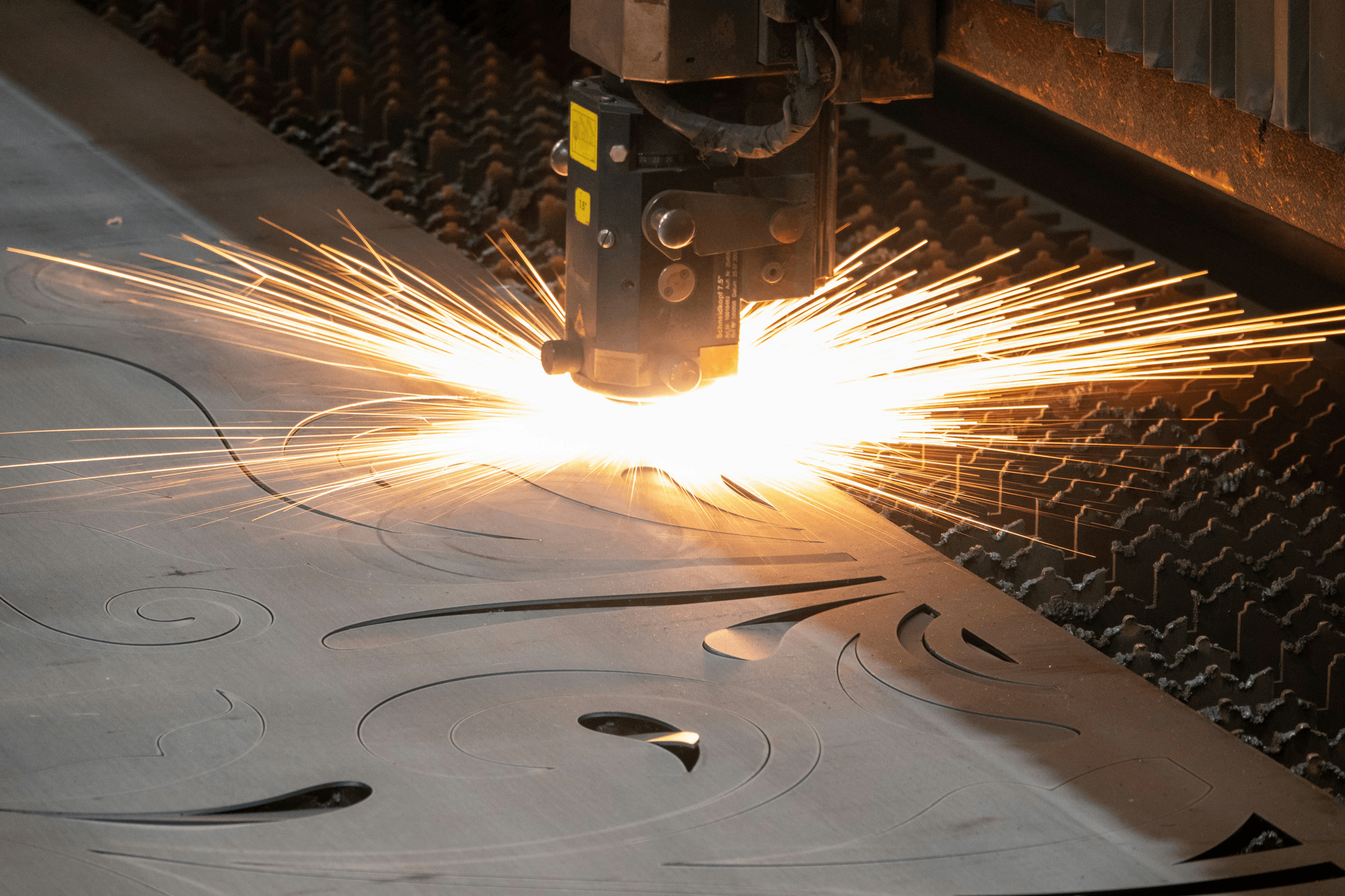
Chinese fiber lasers have revolutionized various industries with their precision and efficiency. These powerful tools are not just for cutting metal; they are versatile enough to tackle a wide range of materials and applications. From automotive manufacturing to intricate jewelry design, the impact of Chinese fiber lasers is significant and far-reaching.
Industries Benefiting from Fiber Lasers
Several industries have embraced the capabilities of Chinese fiber lasers, reaping the rewards of enhanced productivity and reduced operational costs. The automotive sector utilizes these lasers for cutting complex parts with high accuracy, ensuring safety and performance in vehicles. Additionally, the aerospace industry relies on Chinese fiber lasers for their ability to handle lightweight materials, while the electronics field benefits from precise cuts in circuit boards.
In construction and metal fabrication, Chinese fiber lasers are prized for their speed and adaptability. They enable manufacturers to create custom components with minimal waste, which is crucial in today’s eco-conscious market. Overall, these industries illustrate just how integral Chinese fiber laser technology has become across various sectors.
Case Studies of Successful Implementations
One notable case study involves a leading automotive manufacturer that integrated a Chinese fiber laser system into its production line. By doing so, they increased their cutting speed by 30% while maintaining exceptional accuracy in part dimensions. This enhancement not only improved production efficiency but also reduced material waste significantly.
Another example can be found within the aerospace industry where a company utilized a Chinese fiber laser to create intricate components that were previously too complex or expensive to produce using traditional methods. The result was a lighter aircraft design that improved fuel efficiency without compromising safety standards. These examples showcase how businesses leverage the power of Chinese fiber lasers for innovative solutions.
Custom Solutions for Diverse Needs
Chinese fiber lasers offer tailored solutions that cater to diverse industrial requirements, making them highly adaptable tools in manufacturing processes. Companies can customize settings based on material type and thickness to achieve optimal results every time they cut or engrave materials. This flexibility allows businesses across different sectors to optimize their operations effectively.
Moreover, many manufacturers provide specialized attachments or software designed specifically for unique applications—whether it’s engraving delicate patterns on jewelry or cutting heavy-duty steel plates for construction projects. This level of customization ensures that users get maximum value from their investment in a Chinese fiber laser system while addressing specific production challenges head-on.
Choosing the Right Chinese Laser Cutter
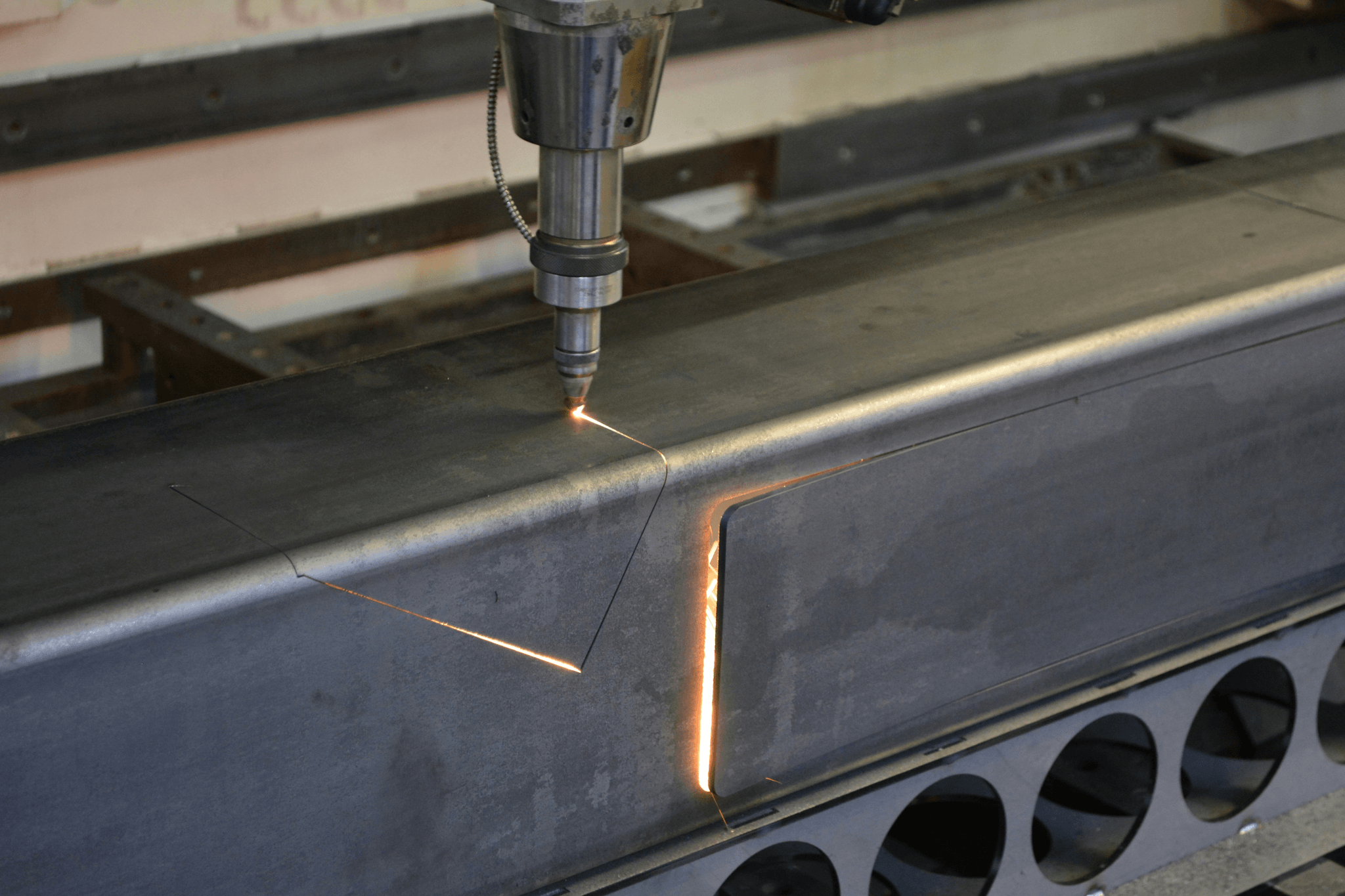
Selecting the right Chinese laser cutter can feel like navigating a maze of options and features. With so many models available, it's essential to focus on what will best serve your specific needs. From performance capabilities to budget considerations, making an informed choice can significantly impact your operations.
Factors to Consider Before Purchase
Before diving into the world of Chinese fiber lasers, you should assess several key factors that will influence your purchase decision. First, consider the material types you’ll be cutting; different machines excel at processing various metals and thicknesses. Additionally, think about the power output required for your applications—higher wattage often translates to faster cutting speeds and greater efficiency.
Another crucial factor is the machine’s size and footprint; ensure it fits within your workspace while providing adequate room for operation and maintenance. Don’t forget about software compatibility as well; a user-friendly interface can save time and reduce training costs for your team when using a Chinese fiber laser cutter. Lastly, consider the overall cost of ownership, which includes not only the initial purchase price but also maintenance costs and energy consumption over time.
Comparing Different Models
When comparing different models of Chinese fiber lasers, it’s vital to look beyond just specifications on paper; real-world performance matters too! Start by evaluating cutting speed, precision, and versatility across various materials—these are often where machines differentiate themselves. Some manufacturers may offer advanced features like automatic focusing or enhanced cooling systems that can provide significant advantages in productivity.
Moreover, read customer reviews or case studies to gauge user satisfaction with each model's reliability and ease of use. If possible, visit trade shows or manufacturer demos to see these machines in action before making a final decision on which Chinese fiber laser best meets your needs. Ultimately, choosing a model that aligns with both current demands and future growth plans ensures you make a wise investment in laser cutting technology.
Importance of After-Sales Support
After-sales support is an often-overlooked aspect when purchasing a Chinese laser cutter but is crucial for long-term success. Reliable customer service can help you resolve technical issues quickly—minimizing downtime that could otherwise disrupt production schedules significantly. Look for manufacturers that offer comprehensive support services such as installation assistance, training programs for staff, and readily available spare parts.
Additionally, consider warranty options offered by different brands; longer warranties can provide peace of mind regarding potential repairs or replacements down the line. A strong after-sales support system not only enhances machine longevity but also fosters trust between you and the manufacturer—ensuring you're never left in the lurch when problems arise with your chosen Chinese fiber laser cutter.
Maintenance and Care for Laser Equipment
Maintaining your laser cutting equipment is crucial to ensure optimal performance and longevity. A well-maintained Chinese fiber laser can significantly enhance productivity, reduce downtime, and ultimately save costs. By following a few essential maintenance tips, you can keep your metal laser cutter running smoothly for years to come.
Essential Maintenance Tips
Regular cleaning is one of the most important aspects of maintaining your Chinese fiber laser cutter. Dust and debris can accumulate on the optics and other components, leading to reduced cutting quality and efficiency. Additionally, check the cooling system frequently; ensuring that it operates effectively will prevent overheating, which can cause serious damage to the machine.
Another key maintenance task is inspecting the alignment of mirrors and lenses regularly. Misalignment can lead to inconsistent cutting results or even damage to the equipment itself. Lastly, always keep an eye on the software updates provided by manufacturers like Kiant Machinery; these updates often include performance enhancements that can optimize your laser cutting process.
Troubleshooting Common Issues
Even with diligent care, issues may arise with your Chinese fiber laser cutter from time to time. One common problem is inconsistent cutting depth, which could be due to worn-out nozzles or misaligned optics. If you encounter this issue, check these components first before diving deeper into troubleshooting.
Another frequent issue involves unexpected shutdowns or error messages during operation. In such cases, consult the user manual for guidance on error codes specific to your model; this will help you identify whether it's a simple fix or something that requires professional service. Remember that timely interventions are key; addressing problems early on can prevent more significant issues down the line.
Ensuring Longevity of Your Metal Laser Cutter
To maximize the lifespan of your Chinese fiber laser cutter, it’s essential to create a regular maintenance schedule tailored specifically for your machine's needs. This schedule should include routine checks on critical components such as belts, gears, and electrical connections—neglecting these areas could lead to costly repairs later on.
Additionally, consider investing in training for operators who use the equipment daily; knowledgeable users are less likely to make mistakes that could harm the machine's functionality over time. Finally, don’t underestimate the importance of using high-quality materials during operations—subpar materials can cause wear and tear faster than expected.
Conclusion
As we wrap up our exploration of the world of laser cutting, it’s clear that innovations are continuously reshaping this dynamic industry. The advancements in technology, particularly with the rise of the Chinese fiber laser, have made cutting processes faster, more precise, and cost-effective. These innovations not only enhance productivity but also open doors to creative applications across various sectors.
Innovations Shaping the Future of Laser Cutting
The future of laser cutting is being driven by remarkable innovations in fiber laser technology. With improvements in efficiency and reduced energy consumption, the latest Chinese fiber lasers are setting new standards for performance and sustainability. Additionally, features like automated systems and smart technologies are making these machines more user-friendly and adaptable to different manufacturing environments.
Why Manufacturers are Turning to Kiant Machinery
Manufacturers increasingly favor Kiant Machinery due to its commitment to quality and innovation within the realm of Chinese fiber lasers. Their reputation for producing reliable equipment with advanced features makes them a go-to choice for businesses looking to enhance their production capabilities. Furthermore, Kiant's strong after-sales support ensures that customers feel confident in their investment long after the purchase is made.
Final Thoughts on Chinese Fiber Laser Technology
In conclusion, embracing Chinese fiber laser technology can significantly benefit manufacturers seeking efficiency and precision in their operations. As this technology continues to evolve, it promises even greater advancements that will further revolutionize industries worldwide. Companies that leverage these innovations will not only stay competitive but also pave the way for future developments in manufacturing processes.