
Introduction
When it comes to choosing an industrial laser cutter, material compatibility is a crucial consideration. Different materials react uniquely to various laser technologies, so understanding these nuances can significantly impact your cutting efficiency and quality. Whether you're working with metals, plastics, or wood, selecting the right laser cutter for your materials is essential to achieving optimal results.
Selecting the Right Laser for Your Materials
Selecting the right laser for your materials can be a game changer in your production line. For instance, if you're focusing on a laser cutter for metal, you'll want to ensure that the machine has enough power and precision to handle tough metals like steel or aluminum effectively. Each type of material requires specific wavelengths and cutting techniques; thus, knowing what works best will save you time and money in the long run.
Additionally, many modern laser machines offer versatility across multiple materials. Some cutting machines are designed specifically for metal but can also handle softer materials like acrylic or wood with ease. This adaptability means that investing in an industrial laser cutter can provide you with a comprehensive solution for various projects without needing multiple machines.
Comparing Capabilities of Metal Cutting Machines
When comparing capabilities of metal cutting machines, it's essential to look at factors such as thickness limits and speed ratings. Not all metal cutting machine lasers are created equal; some excel in high-speed applications while others may offer superior precision at slower speeds. Understanding these differences allows businesses to choose a CNC cutting machine that aligns with their specific operational needs.
Moreover, consider how different types of lasers—like CO2 versus fiber lasers—perform on various metals. Fiber lasers tend to be more efficient for thin sheet metals due to their ability to penetrate quickly and cleanly without excessive heat distortion. In contrast, CO2 lasers might be better suited for thicker materials where depth penetration is critical.
Exploring Versatility in Industrial Laser Cutters
Exploring versatility in industrial laser cutters opens up numerous possibilities for manufacturers looking to expand their capabilities without breaking the bank on equipment costs. Many advanced models come equipped with features that allow them not only to cut but also engrave and mark different surfaces—all while maintaining high-quality standards expected from professional-grade machinery.
This flexibility means that a single machine can cater to diverse projects—from intricate designs on soft plastics using a cutting machine laser to robust applications involving heavy-duty metal work with powerful CNC technology. Such adaptability not only streamlines production but also enhances creativity by enabling designers and engineers alike to experiment across various mediums seamlessly.
In conclusion, material compatibility is fundamental when selecting an industrial laser cutter tailored precisely for your requirements—be it metal or other substrates—and understanding this aspect will empower you towards making informed decisions that drive efficiency and innovation within your operations.
Power and Performance
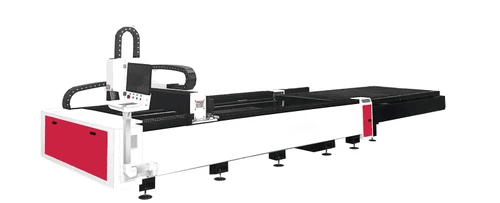
When it comes to industrial laser cutters, power and performance are the dynamic duo that can make or break your cutting experience. A laser cutter’s effectiveness is determined not just by its ability to slice through materials but also by how efficiently it does so. Understanding power ratings and performance metrics will help you select the best cutting machine laser for your specific needs.
Evaluating Laser Cutter Power Ratings
Power ratings in a laser cutter indicate how much energy the machine can deliver during operation, typically measured in watts. For metal cutting machines, higher wattage often translates to greater cutting capabilities, allowing for thicker materials and faster processing times. However, it's essential to balance power with precision; an overly powerful laser may cause excessive heat, leading to burn marks or material distortion.
When evaluating a laser cutter for metal, consider not only the maximum power but also how that power is distributed across various settings. Different materials may require different wattages for optimal performance; thus, flexibility in adjusting power settings can be crucial. Ultimately, understanding these ratings will enable you to choose a laser machine that meets both your production demands and quality standards.
Performance Metrics for CNC Cutting Machines
Performance metrics provide a comprehensive view of how well a CNC cutting machine operates under various conditions. Key metrics include speed (measured in inches per minute), accuracy (the precision of cuts), and repeatability (how consistently it performs over time). These factors are vital when selecting an industrial laser cutter because they directly influence productivity and material waste.
Moreover, assessing these performance metrics helps you understand how different machines compare in real-world applications. For instance, if you're primarily working with intricate designs on thin metal sheets, you might prioritize speed over raw power. Conversely, if your projects involve thicker materials requiring deeper cuts, you'll want a machine known for its robust performance under those conditions.
Impact of Power on Cutting Speed and Quality
The relationship between power and cutting speed is straightforward: more power generally means faster cuts—provided that other factors like material type are taken into account! However, speed shouldn't come at the expense of quality; an efficient industrial laser cutter must strike a balance between rapid processing times and clean edges without excessive heat damage or warping.
In practice, this means that while selecting a powerful metal cutting machine laser might seem appealing for high-speed production runs, it's equally important to consider how that power affects the finished product's quality. A well-designed laser machinery system should allow operators to adjust both speed and power dynamically based on material characteristics—ensuring optimal results every time they fire up the cutter!
In conclusion, understanding how power influences both speed and quality will guide you toward making informed decisions about which CNC cutting machine best suits your operational needs.
Cost and Investment
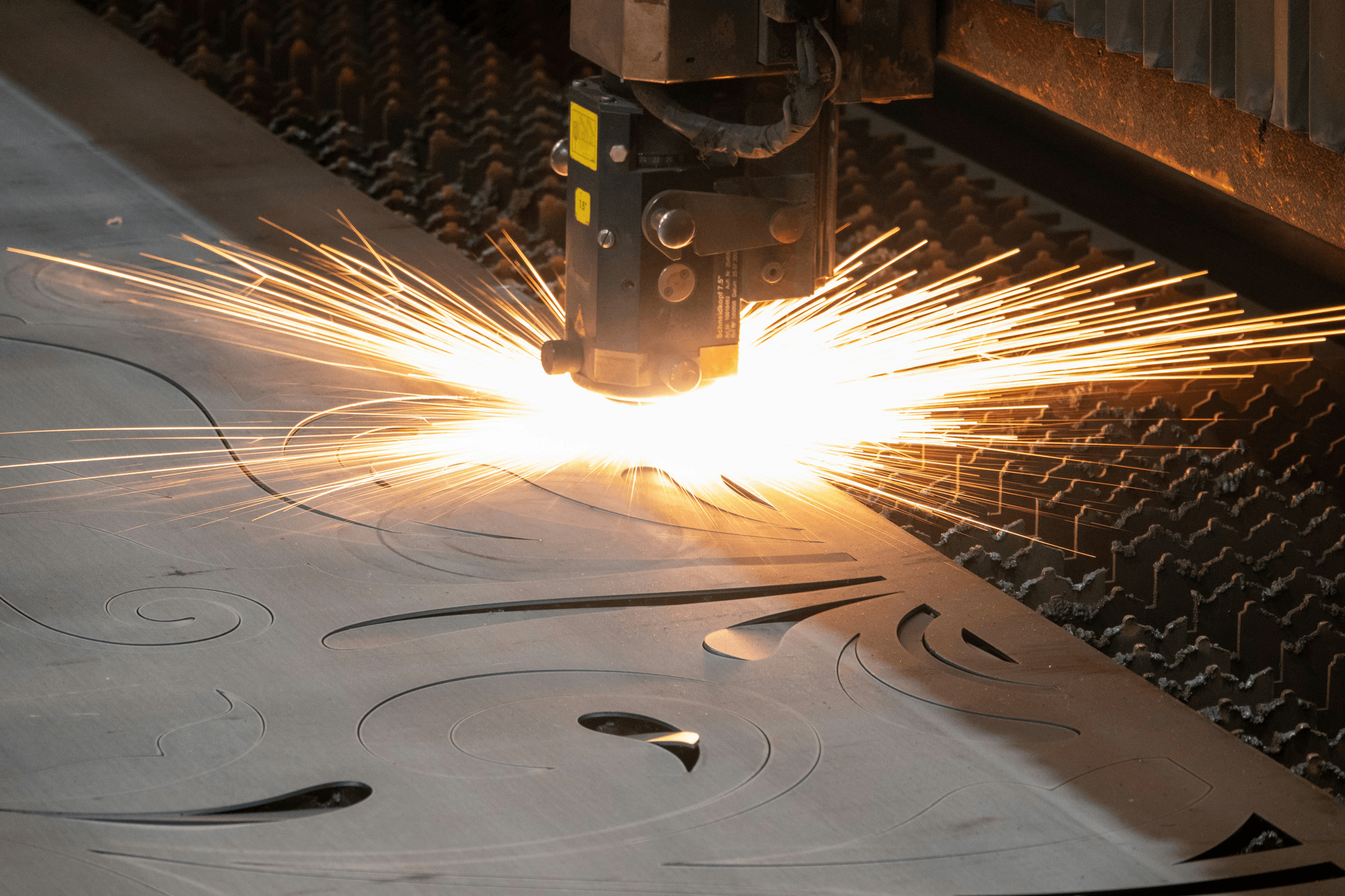
Investing in an industrial laser cutter is no small feat, and understanding the financial landscape is crucial for making the right decision. When considering a cutting machine laser, it's essential to weigh both upfront costs and long-term expenses. This approach will ensure that you don’t just look at the price tag but also consider how it fits into your overall budget and operational strategy.
Understanding Upfront vs. Long-Term Costs
When purchasing a laser cutter for metal, the initial investment can be significant, often accompanied by hidden costs such as installation and training. However, long-term costs can sometimes outweigh these initial expenses if you factor in maintenance, energy consumption, and potential downtime due to equipment failure. A thorough analysis of both upfront and ongoing costs will help you choose a laser machine that not only meets your immediate needs but also supports your business in the long run.
Budget-Friendly Options like Kiant Machinery
For those on a tighter budget, options like Kiant Machinery offer reliable industrial laser cutters without breaking the bank. These machines provide excellent performance and versatility while being cost-effective solutions for various materials, including metals. With Kiant's focus on affordability, you can invest in a quality cutting machine laser that won’t compromise on features or durability.
Evaluating ROI on Industrial Laser Cutters
Evaluating the return on investment (ROI) for an industrial laser cutter involves analyzing how quickly the equipment pays for itself through increased productivity and reduced labor costs. For instance, when comparing different CNC cutting machines, consider factors such as their speed, precision, and material waste reduction capabilities—these all contribute to your bottom line over time. By calculating potential savings against initial expenditures, you'll have a clearer picture of which metal cutting machine laser offers the best value for your operation.
Support and Maintenance
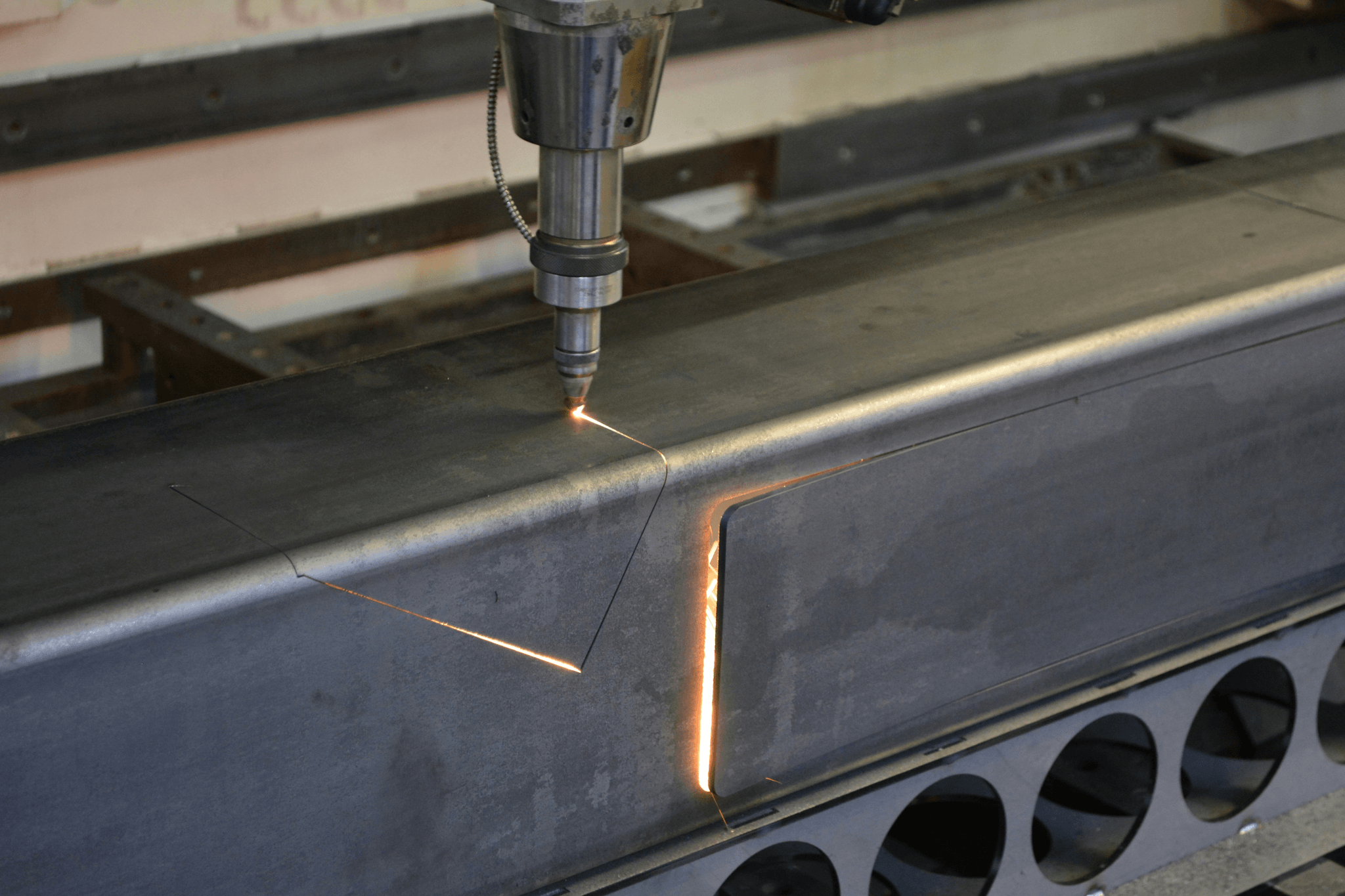
When investing in an industrial laser cutter, understanding the importance of support and maintenance is crucial for maximizing your machine's potential. The right after-sales support can mean the difference between a smooth operation and costly downtime. A reliable cutting machine laser not only needs to perform well on day one but must also continue to deliver high-quality results throughout its lifespan.
Importance of After-Sales Support
After purchasing a laser cutter for metal, having robust after-sales support is invaluable. This ensures that any technical issues or questions you encounter can be resolved quickly, minimizing interruptions in your workflow. A responsive support team can help troubleshoot problems, provide replacement parts, and offer guidance on optimizing your metal cutting machine laser's performance.
Moreover, good after-sales service often includes warranty options that protect your investment over time. This coverage can alleviate concerns about unexpected repairs or malfunctions that could hinder productivity. Ultimately, a solid support system enhances the longevity of your industrial laser cutter while giving you peace of mind.
Training Resources from Leading Brands
Training resources are another critical aspect when selecting a CNC cutting machine provider. Many leading brands offer comprehensive training programs to ensure operators are well-versed in using their laser machinery effectively and safely. These resources may include online tutorials, hands-on workshops, and detailed user manuals that cover everything from basic operation to advanced techniques.
Investing time in training not only boosts efficiency but also helps prevent costly mistakes during operation. When operators understand how to maximize the capabilities of their cutting machine laser, they can achieve better results with less waste material and fewer errors. Therefore, consider brands that prioritize operator education as part of their service offerings.
Assessing Maintenance Requirements for Longevity
Regular maintenance is essential for keeping your industrial laser cutter running smoothly over the years. Each model may have specific maintenance requirements; therefore, it’s important to assess these before making a purchase decision. Some machines might need routine cleaning or calibration more frequently than others; knowing this upfront helps plan for ongoing operational costs.
Additionally, understanding what maintenance tasks are manageable in-house versus those requiring professional service can save both time and money down the line. A well-maintained CNC cutting machine will not only enhance performance but also prolong its lifespan—ensuring you get the most out of your investment in laser machinery. Remember: an ounce of prevention is worth a pound of cure!
Conclusion

In the world of manufacturing, selecting the right industrial laser cutter can significantly impact productivity and quality. Understanding material compatibility, power ratings, and maintenance needs is crucial for making an informed decision. Ultimately, investing in the right laser machinery ensures that your operations remain efficient and competitive.
Key Takeaways for Selecting a Laser Cutter
When choosing a laser cutter, it's essential to assess the materials you'll be working with to ensure compatibility with your selected cutting machine laser. Additionally, consider the power and performance metrics; higher wattage often translates to faster cutting speeds and better quality finishes on metal surfaces. Finally, don't overlook support options; reliable after-sales service can save you time and money in the long run.
Investing in the Right Technology Matters
Investing in a high-quality CNC cutting machine is not just about upfront costs; it's also about weighing long-term benefits against potential losses from poor choices. A robust industrial laser cutter can enhance production capabilities while reducing waste and downtime, ultimately leading to better ROI. Brands like Kiant Machinery offer budget-friendly options without compromising on performance or reliability.
Future-Proofing with Reliable Laser Machinery
As industries evolve, so do technologies; therefore, selecting a versatile metal cutting machine laser will help future-proof your operations against changing demands. Reliable laser machines equipped with advanced features ensure that you stay ahead of competitors who may still rely on outdated technology. Embracing innovation now means you're setting your business up for sustained success down the road.