
Introduction
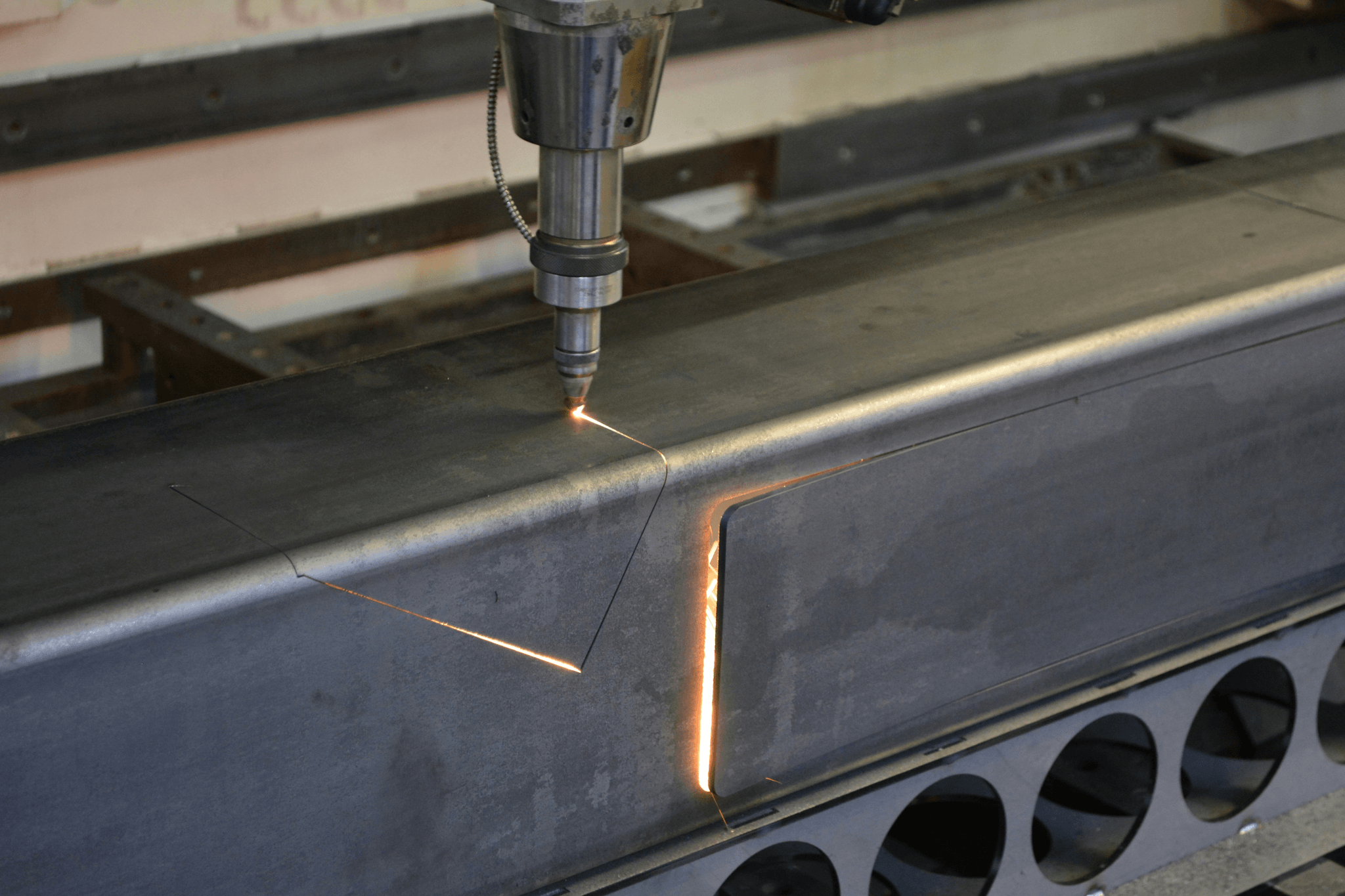
In the rapidly evolving landscape of manufacturing, laser cutting technology has emerged as a game-changer, offering precision and efficiency that traditional methods simply can't match. This innovative technique utilizes focused beams of light to slice through materials with remarkable accuracy, making it a favorite among various industries. As businesses seek to enhance their production capabilities, the importance of OEM laser cut machines cannot be overstated; they provide reliable solutions tailored to specific manufacturing needs.
Overview of Laser Cutting Technology
Laser cutting technology operates on the principle of using high-powered lasers to melt or vaporize material, creating clean and precise cuts. These machines can work with a variety of materials such as metals, plastics, and wood, making them incredibly versatile for different applications. With advancements in technology, laser machines have become faster and more efficient, enabling manufacturers to keep up with increasing demands while maintaining quality.
Importance of OEM Laser Cut Machines
Original Equipment Manufacturer (OEM) laser cut machines are crucial in ensuring that industries receive tailored solutions that fit their unique requirements. By providing customized features and specifications, these machines help businesses optimize their production processes and reduce waste. Furthermore, as companies increasingly ask themselves Who makes the best laser cutting machine? OEMs are often at the forefront due to their ability to innovate based on customer feedback.
The Rise of Kiant Machinery
Kiant Machinery has made significant strides in the laser cutting sector by focusing on quality and innovation in its products. With a commitment to customer satisfaction and continuous improvement, Kiant has quickly risen through the ranks among its competitors. As we explore questions like Who are the top 5 laser manufacturers? it becomes clear that Kiant's reputation is built on delivering reliable performance and outstanding service—key factors for any successful business looking into whether Is a laser business profitable?
Understanding Laser Cutting Machines
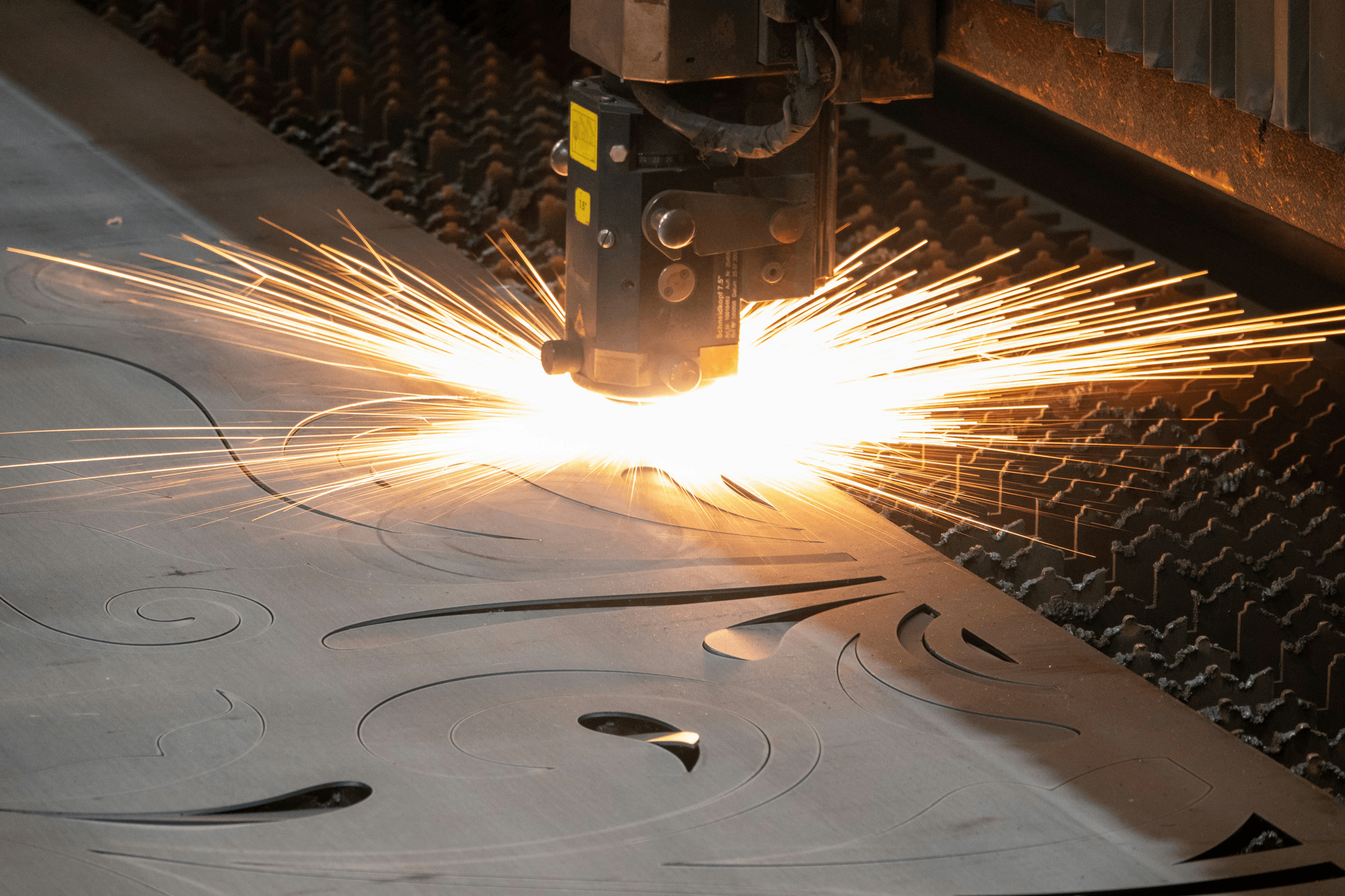
Laser cutting machines have revolutionized the manufacturing landscape by offering precision and efficiency that traditional cutting methods simply can't match. These machines utilize advanced laser technology to cut through various materials with remarkable accuracy, making them indispensable in industries ranging from automotive to aerospace. As we delve deeper into how laser technology works, explore the different types of machines available, and uncover their diverse applications, you'll gain a comprehensive understanding of why they are at the forefront of modern manufacturing.
How Laser Technology Works
At its core, laser technology operates on a simple yet powerful principle: focused light energy. A laser machine generates a high-powered beam of light that is concentrated onto a specific point on the material being cut. This intense energy heats up the material until it melts or vaporizes, allowing for clean cuts with minimal waste—a feature that sets it apart from other cutting methods and answers the question: Who makes the best laser cutting machine?
The precision achieved by laser cutting is unparalleled; it can create intricate designs and patterns without compromising on quality. Additionally, advancements in computer numerical control (CNC) technology enhance this process even further by allowing for automated operations that increase efficiency and reduce human error. As we consider who are the top 5 laser manufacturers in this space, it's clear that their innovations have significantly shaped how industries utilize these machines.
Types of Laser Cutting Machines
When exploring which laser machine is the best for your needs, it's essential to understand the different types available on the market today. The most common types include CO2 lasers, fiber lasers, and solid-state lasers—each tailored for specific applications based on their unique characteristics. CO2 lasers excel in cutting non-metal materials like wood and acrylics, while fiber lasers are ideal for metals due to their higher absorption rates.
Furthermore, there are hybrid models combining both CO2 and fiber technologies to offer versatility across various materials. This variety allows businesses to tailor their choices according to specific requirements—an important consideration when assessing whether a laser business is profitable or not! By understanding these differences among types of machines, you can make informed decisions about which model will best serve your operational needs.
Applications of Laser Cutting
The applications of laser cutting machines span across numerous industries, showcasing their versatility and effectiveness in various settings. From creating intricate designs in jewelry making to producing components in automotive manufacturing, these machines play an integral role in enhancing productivity while maintaining high-quality standards. Moreover, they are increasingly used in fields such as textiles and electronics—demonstrating just how far-reaching their impact has become.
In addition to traditional manufacturing uses, innovative applications continue emerging as businesses discover new ways to harness this technology's capabilities—further fueling interest around questions like Is a laser business profitable? Whether used for prototyping or large-scale production runs, understanding these diverse applications helps potential buyers identify which machine aligns best with industry demands while also considering user reviews and experiences regarding performance.
Who are the Top 5 Laser Manufacturers?
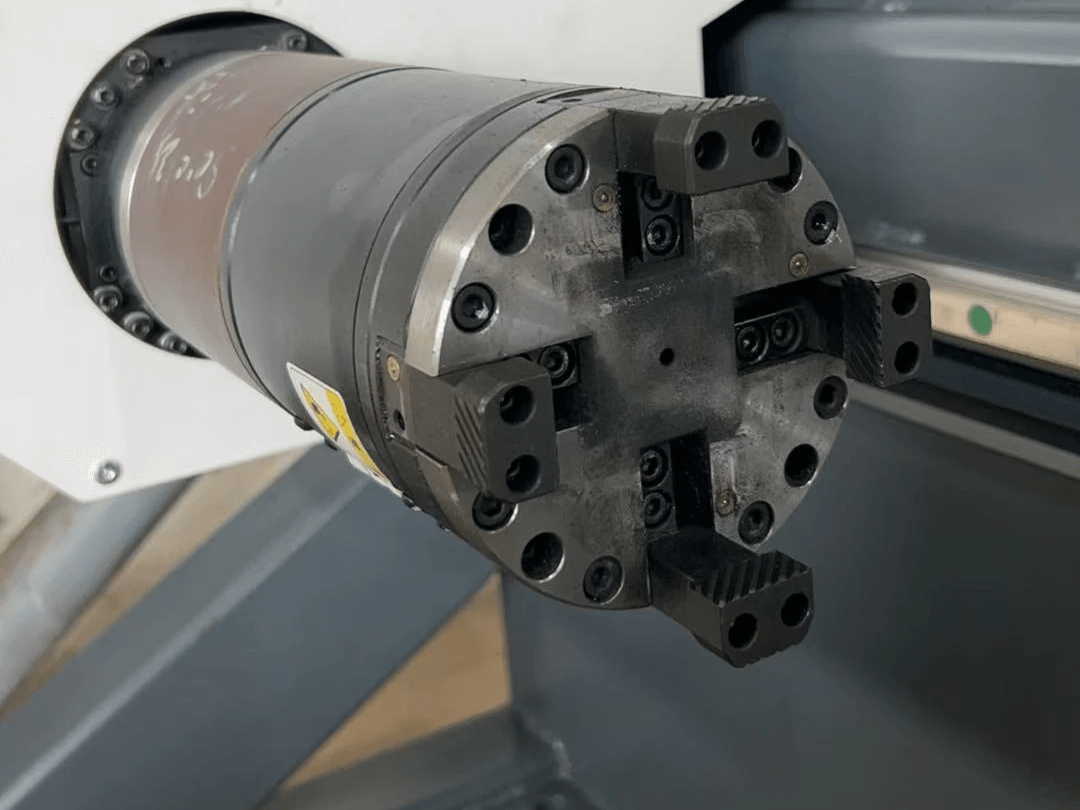
When it comes to laser cutting technology, the market is saturated with options, but only a handful of companies stand out as leaders. These top 5 laser manufacturers have established themselves through innovation, reliability, and customer satisfaction. For anyone asking, Who makes the best laser cutting machine? these brands are likely to come up in conversation.
Leading Companies in Laser Technology
The leading companies in laser technology include names like Trumpf, Bystronic, Amada, Mitsubishi Electric, and Coherent. Each of these manufacturers has carved out a niche by focusing on specific applications and industries that rely heavily on precision cutting. As you explore Who are the top 5 laser manufacturers? you'll find that these companies not only produce high-quality machines but also invest heavily in research and development to stay ahead of the curve.
Trumpf is renowned for its robust industrial solutions while Bystronic excels in user-friendly interfaces for their laser machines. Amada offers a diverse range of products tailored for metal processing industries, whereas Mitsubishi Electric is known for its high-speed capabilities. Coherent rounds out this list with a strong focus on innovation in both CO2 and fiber lasers.
Comparing Innovations and Features
When comparing innovations and features among these top brands, it's clear that each has unique selling points that cater to different market needs. Trumpf's TruLaser series is famous for its automation features that enhance productivity—perfect for businesses looking to scale up operations efficiently. Meanwhile, Bystronic's ByStar Fiber machine boasts impressive speed and precision at an accessible price point.
Mitsubishi Electric stands out with its advanced motion control technology which significantly reduces cycle times while maintaining accuracy—a crucial factor when evaluating Which laser machine is the best? Coherent's focus on integrating artificial intelligence into their systems allows users to optimize settings dynamically based on material characteristics, showcasing how they push boundaries within the industry.
Market Share and Industry Impact
The market share held by these top 5 laser manufacturers reveals their significant impact on the industry landscape. Trumpf leads with a substantial portion of global sales due to their comprehensive product offerings and strong brand reputation among industrial users asking if Is a laser business profitable? Following closely are Bystronic and Amada who have captured niche markets through targeted solutions that meet specific customer needs.
Mitsubishi Electric continues to grow steadily by appealing to sectors requiring fast turnaround times without sacrificing quality—an essential consideration when deciding which brand aligns best with your business strategy. Coherent’s innovative approach ensures they remain competitive even as new players enter the market; their advancements often set trends that others strive to follow.
In summary, understanding who the leading players are in this space can help businesses make informed decisions about investments in machinery tailored specifically for their operational needs while considering profitability potential down the line.
Who Makes the Best Laser Cutting Machine?
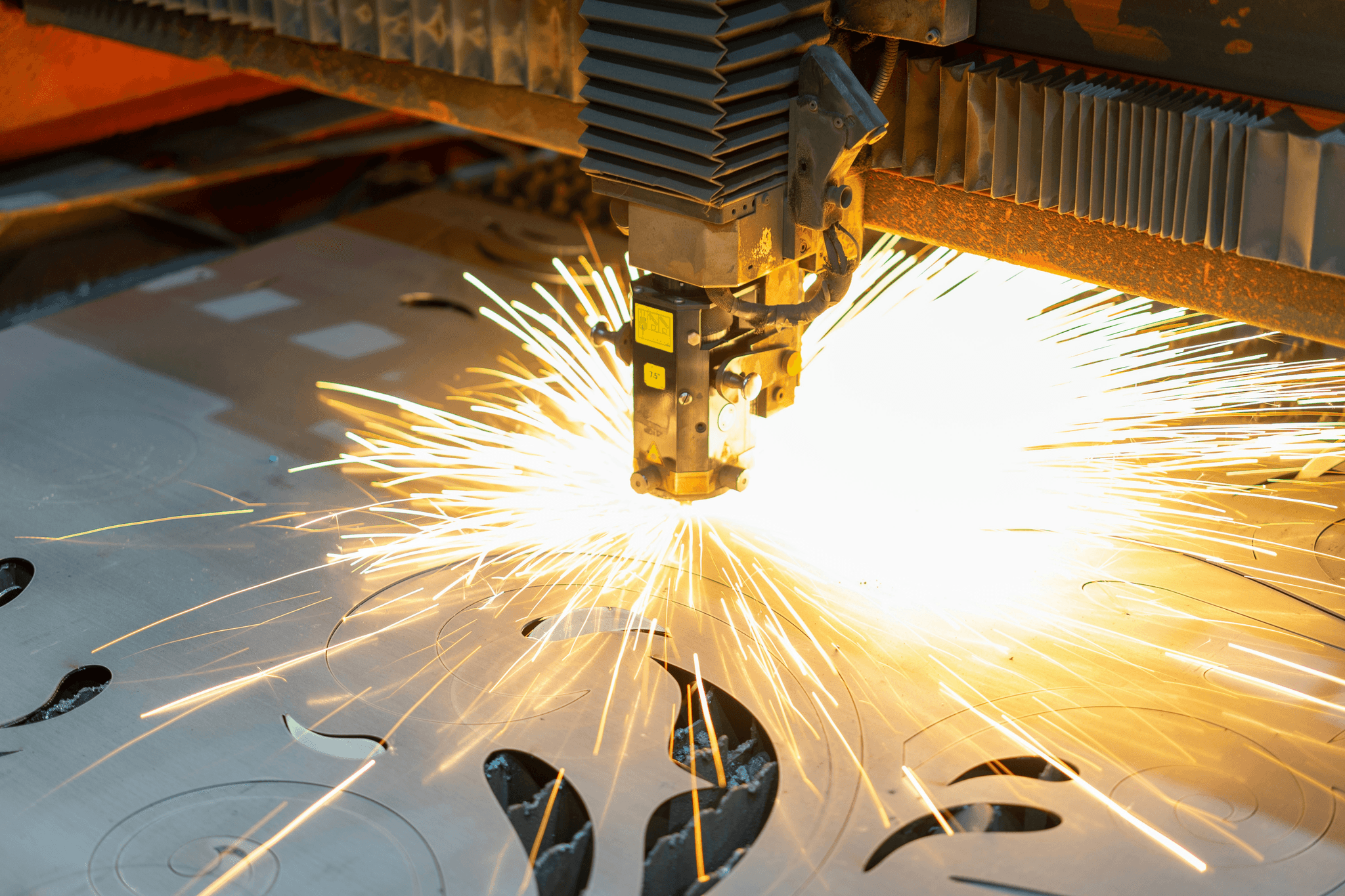
When it comes to identifying the best laser cutting machine, several factors come into play. The landscape of laser technology is vast, with numerous manufacturers vying for attention. To navigate this terrain, it's crucial to evaluate machines based on specific criteria that highlight their capabilities and reliability.
Criteria for Evaluating Laser Machines
To determine who makes the best laser cutting machine, one must consider several essential criteria. First and foremost is precision; a top-tier laser machine should deliver consistent and accurate cuts across various materials. Additionally, speed is critical; faster machines can significantly enhance productivity, making them more appealing for businesses focused on efficiency.
Another important aspect is the versatility of the machine—can it handle different materials like metal, wood, or plastics? Durability also plays a vital role; investing in a robust machine minimizes long-term maintenance costs and downtime. Lastly, customer support and warranty offerings can significantly influence purchasing decisions as they reflect a manufacturer's commitment to quality service.
Standout Features of Top Brands
In evaluating who are the top 5 laser manufacturers, certain standout features set them apart from their competitors. For instance, brands like Trumpf and Bystronic are renowned for their advanced software integration that enhances user experience while optimizing cutting paths. Meanwhile, companies such as Epilog offer superior engraving capabilities alongside traditional cutting functions, making their machines incredibly versatile.
Another feature worth noting is automation; leading brands often incorporate automated loading systems that streamline workflows in busy production environments. Additionally, energy efficiency has become increasingly important; modern laser machines from top manufacturers are designed to consume less power while maintaining high performance levels—a win-win for both business owners and the environment.
Case Studies of Successful Implementations
Real-world success stories provide invaluable insights into which laser machine might be best suited for specific applications or industries. For example, a custom furniture manufacturer implemented a high-speed fiber laser from Mazak to cut intricate designs in wood and metal with remarkable accuracy—resulting in a 30% increase in production efficiency within just six months.
Similarly, an automotive parts supplier adopted a CO2 laser system from Trotec that enabled them to produce complex components at unprecedented speeds while reducing material waste by 15%. These case studies not only illustrate the effectiveness of various machines but also highlight how investing in quality equipment can make a significant impact on profitability—leading many to ask: Is a laser business profitable?
In conclusion, determining who makes the best laser cutting machine involves careful consideration of various factors such as precision, speed, versatility, durability, and customer support. With standout features from top brands enhancing productivity and real-life success stories showcasing impressive results across industries, it's clear that investing in quality equipment pays off in spades.
Is a Laser Business Profitable?
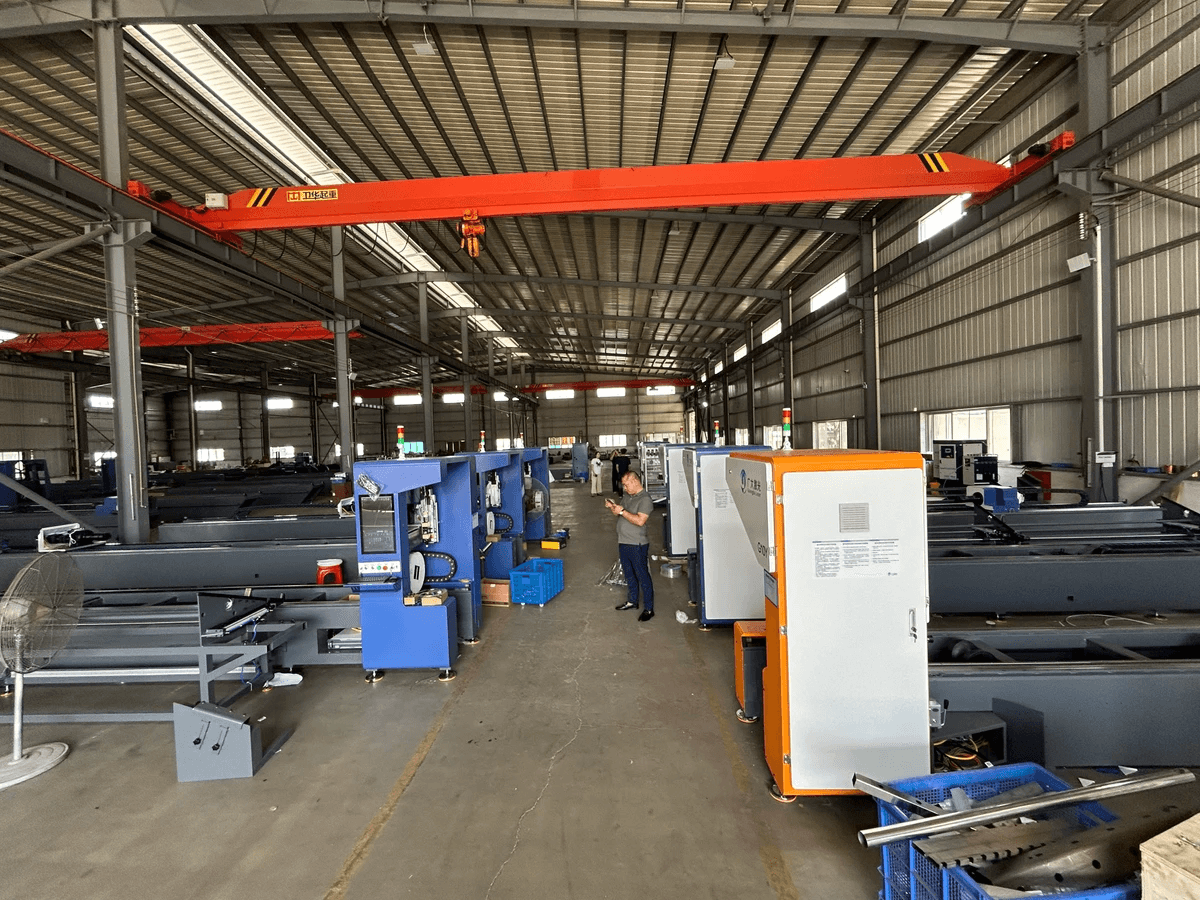
The allure of starting a laser business often hinges on the question: is a laser business profitable? With the right strategies and investments, many entrepreneurs have found success in this field. However, profitability can vary significantly based on initial investment, market demand, and operational efficiency.
Initial Investment vs. Long-Term Gains
When considering whether to dive into the world of laser cutting, evaluating the initial investment versus long-term gains is crucial. Purchasing a high-quality laser machine can require a significant upfront cost, especially if you’re eyeing models from leading manufacturers like those among the top 5 laser manufacturers. Yet, savvy investors often find that these machines pay for themselves over time through increased productivity and reduced labor costs.
Moreover, while some may hesitate at first due to high costs, understanding that these machines offer durability and innovation can shift perspectives. Investing in technology that yields consistent results means fewer headaches down the line and more satisfied customers—a recipe for long-term success in any laser business venture.
Revenue Streams in Laser Cutting
A well-structured laser business can tap into multiple revenue streams that enhance profitability beyond mere machine usage. From custom fabrication services to prototyping for various industries such as automotive or aerospace, there's no shortage of applications for a reliable laser machine. Additionally, offering maintenance services or consumables related to laser cutting can further bolster income.
Furthermore, leveraging digital marketing strategies to showcase your capabilities can attract diverse clientele looking for precision cutting solutions—making it essential to identify which laser machine suits your target market best. By diversifying revenue sources and honing in on niche markets within the broader landscape of who makes the best laser cutting machine, businesses can thrive even amid competition.
Real-Life Success Stories and Insights
To illustrate just how profitable a venture into laser cutting can be, consider real-life success stories from entrepreneurs who took the plunge with their own businesses. Many started with modest investments but quickly scaled operations after discovering lucrative contracts thanks to their advanced equipment from top-tier brands among those asking who are the top 5 laser manufacturers? These stories serve as testimonials that with determination and strategic planning—even small businesses can achieve remarkable growth.
Additionally, insights from industry veterans emphasize not only choosing quality machinery but also understanding customer needs deeply—this approach helps tailor offerings effectively while maximizing profitability potential across different sectors. As aspiring owners ask themselves questions like Is a laser business profitable? they will find inspiration in these narratives that highlight creativity combined with technological prowess leads to sustainable success.
Which Laser Machine is the Best?
Choosing the best laser machine can feel like navigating a labyrinth, especially with so many options on the market. The ideal choice often hinges on specific business needs, whether you're focused on precision cutting for intricate designs or high-speed production for larger volumes. It's essential to assess your requirements and match them with the capabilities of various machines to find that perfect fit.
Tailoring Choices to Business Needs
When considering which laser machine is the best, it's crucial to tailor your choice to your business's unique demands. For example, if you specialize in metal fabrication, a fiber laser might be more suitable due to its efficiency with metals compared to CO2 lasers. Conversely, if your focus is on softer materials like wood or acrylic, a CO2 laser could offer better versatility and cost-effectiveness.
Additionally, evaluating factors such as power output, cutting speed, and material compatibility will help narrow down your options. Each manufacturer has its strengths; therefore, understanding who are the top 5 laser manufacturers can provide insights into which brands excel in specific applications. Ultimately, aligning your operational needs with the right technology ensures that you invest wisely in a laser machine that enhances productivity.
User Reviews and Experiences
User reviews are invaluable when determining who makes the best laser cutting machine for your needs. Many users share their experiences regarding performance reliability and customer support from different manufacturers. Positive testimonials often highlight aspects like ease of use and maintenance efficiency while negative reviews can shed light on potential pitfalls or limitations of certain models.
Moreover, engaging with online forums or industry groups allows prospective buyers to gather firsthand accounts from current users about their favorite features and any challenges they faced after purchase. This collective feedback helps paint a clearer picture of what each brand offers—an essential step when asking questions like Is a laser business profitable? since user satisfaction directly correlates with overall success in operations.
Future Trends in Laser Cutting Technology
As we look ahead at future trends in laser cutting technology, several exciting developments are emerging that could influence which laser machine is considered the best down the line. Innovations such as AI integration for improved precision and automation are making waves; these advancements promise not only higher efficiency but also enhanced user experience through smarter systems that learn from usage patterns.
Furthermore, advances in sustainability mean that newer models will likely prioritize energy efficiency and reduced waste during operation—a significant concern for many businesses today looking to minimize their environmental impact while maximizing profitability through technologies like those offered by Kiant Machinery and other leading brands. Keeping an eye on these trends will help businesses remain competitive while ensuring they choose a future-ready laser machine that aligns well with evolving market demands.
Conclusion
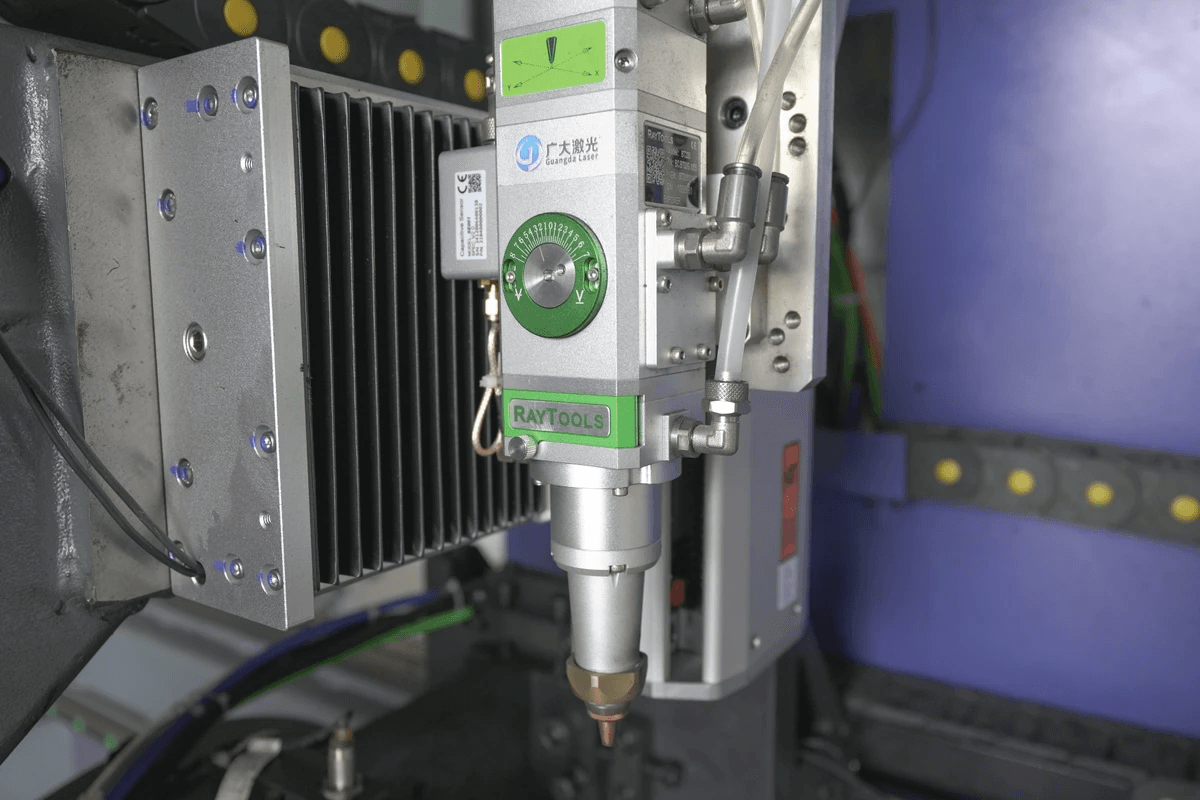
In summary, laser cutting machines have revolutionized various industries with their precision and efficiency. Understanding who the top 5 laser manufacturers are can guide businesses in making informed choices about which laser machine to invest in. The question of who makes the best laser cutting machine often leads to a discussion about specific features and user needs, highlighting the importance of tailored solutions.
Key Takeaways on Laser Cutting Machines
Laser machines are versatile tools that cater to a wide range of applications, from manufacturing to artistic endeavors. When considering which laser machine is the best for your needs, it’s essential to evaluate factors such as speed, precision, and material compatibility. Additionally, understanding market trends and innovations can help businesses stay competitive in an ever-evolving landscape.
The Impact of Kiant Machinery in the Industry
Kiant Machinery has emerged as a significant player in the realm of OEM laser cut machines, offering innovative solutions that meet diverse customer requirements. Their commitment to quality and performance positions them favorably among those asking who are the top 5 laser manufacturers today. As they continue to push technological boundaries, Kiant Machinery is shaping industry standards and influencing how companies perceive profitability in their laser business ventures.
Future of Laser Cutting and Its Potential
The future of laser cutting technology looks promising, with advancements expected in automation and artificial intelligence integration. Businesses pondering whether a laser business is profitable will find that new revenue streams are emerging alongside enhanced capabilities offered by modern machines. As industries evolve, identifying which laser machine is best suited for specific applications will become increasingly crucial for success.