
Introduction
In the ever-evolving world of manufacturing, a fiber laser tube cutter stands out as a game-changer. This innovative cutting machine laser utilizes advanced laser technology to deliver precision and efficiency in metal cutting. With its ability to handle various tube materials, it's no wonder that the demand for such laser machinery has surged in recent years.
What is a Fiber Laser Tube Cutter
A fiber laser tube cutter is a specialized tool designed to cut metal tubes with remarkable accuracy and speed. Unlike traditional cutting methods, this cutting laser metal technology employs high-intensity light beams that melt or vaporize material, creating clean cuts without the need for extensive post-processing. The result? A streamlined production process that enhances both productivity and product quality.
The Rise of Laser Cutting Technologies
The rise of laser cutting technologies can be attributed to their unmatched versatility and precision in the manufacturing sector. As industries strive for higher efficiency and lower production costs, the adoption of laser machines has skyrocketed, transforming how we approach metal fabrication. Today’s manufacturers are reaping the benefits of this evolution, as they embrace cutting-edge solutions like fiber lasers that redefine what’s possible in metal processing.
Why Choose a Laser Cutting Machine for Tubes
Choosing a laser cutting machine for tubes offers several advantages over traditional methods, including reduced waste and faster turnaround times. With its ability to produce intricate designs and maintain tight tolerances, a metal cutting laser cutter ensures that even complex projects can be completed with ease. Furthermore, investing in such advanced technology positions businesses at the forefront of innovation in an increasingly competitive landscape.
[Image description=fiber laser tube cutter operating on metallic tubes, bright blue focused beam slicing through material, workshop environment showcasing advanced machinery], Image name=fiber_laser_tube_cutter_workshop, Alt tag=Efficient operation of a laser cutting machine for tubes in action
Understanding Fiber Laser Technology
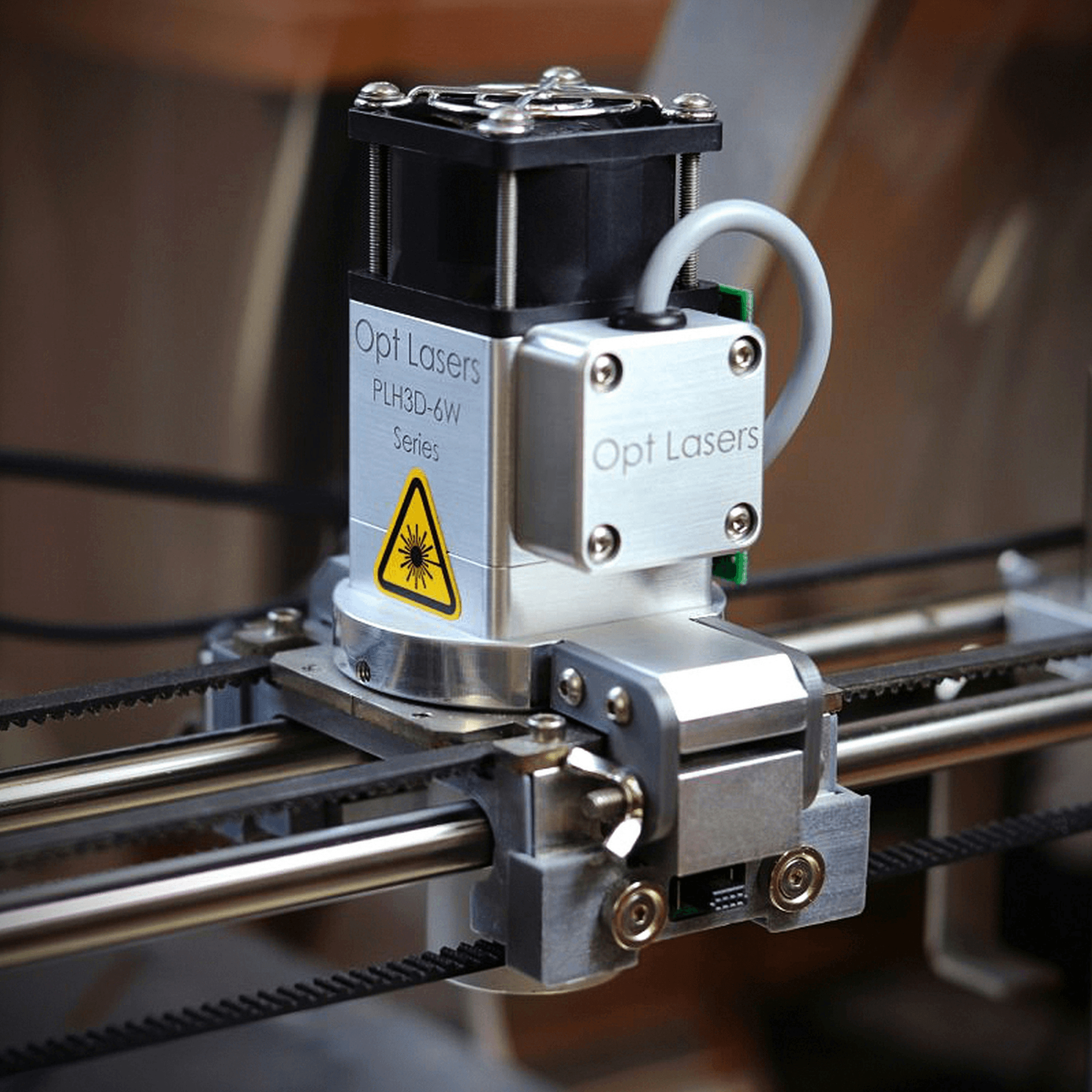
Fiber laser technology has revolutionized the way we approach metal cutting, particularly when it comes to tubular materials. At its core, this technology harnesses the power of concentrated light to achieve precision cuts that traditional methods simply can't match. The result is a laser cutting machine for tubes that offers unparalleled efficiency and accuracy.
How Laser Machinery Works
At the heart of any laser machine is its ability to generate a highly focused beam of light, which is then directed toward the material being cut. This beam is created by exciting fiber optic cables with electrical energy, producing a powerful cutting laser that can slice through various metals with ease. As the cutting machine laser moves across the surface of the tube, it melts or vaporizes the material along a predetermined path, resulting in clean and precise cuts.
The process involves several steps: first, the operator inputs specifications into the laser machinery; then, sensors ensure accurate alignment; finally, as the beam travels through lenses and mirrors, it focuses on a tiny point to achieve maximum intensity. This intricate dance of technology not only enhances speed but also minimizes waste—a crucial factor in today's manufacturing landscape where efficiency reigns supreme.
Advantages of Laser Cutting Over Traditional Methods
When comparing metal cutting methods, one cannot overlook the myriad advantages that fiber lasers bring to the table. For starters, these machines offer exceptional precision; unlike traditional tools that may leave burrs or rough edges on cut surfaces, a cutting laser metal produces smooth finishes without additional processing required. Furthermore, their ability to handle complex designs makes them ideal for both simple and intricate projects alike.
Another significant advantage lies in their versatility; whether you’re working with stainless steel or aluminum tubes, a laser cutting machine for tubes can adapt effortlessly to various materials and thicknesses. Additionally, fiber lasers operate at higher speeds than conventional methods—this means faster turnaround times and increased productivity for manufacturers looking to meet tight deadlines without compromising quality.
Lastly, energy efficiency is another feather in fiber lasers' cap—consuming less power than older technologies leads not only to cost savings but also contributes positively towards sustainability efforts in manufacturing sectors worldwide.
Key Components of a Laser Cutting Machine
Understanding how a laser cutting machine operates requires familiarity with its key components—each playing an integral role in delivering outstanding performance during operations. The most essential part is undoubtedly the fiber optic source itself; this component generates high-intensity beams capable of penetrating various materials with ease while maintaining focus throughout operation.
Next up are optics systems which include lenses and mirrors responsible for directing and focusing light onto specific areas during cuts—these elements ensure precision remains intact even when handling complex geometries or thicker materials like steel tubes! Moreover, motion control systems facilitate smooth movement along designated paths while maintaining accuracy across all axes—a crucial aspect as any misalignment could lead to costly errors down the line.
Finally yet importantly are cooling systems designed specifically to regulate temperature levels within machinery—overheating can lead not only to reduced performance but also premature wear on critical components over time if left unchecked! By incorporating these advanced features into their design processes manufacturers create robust solutions tailored specifically towards maximizing output without sacrificing quality along each step taken during production cycles involving metal cutting laser cutter setups!
Applications of Fiber Laser Tube Cutters
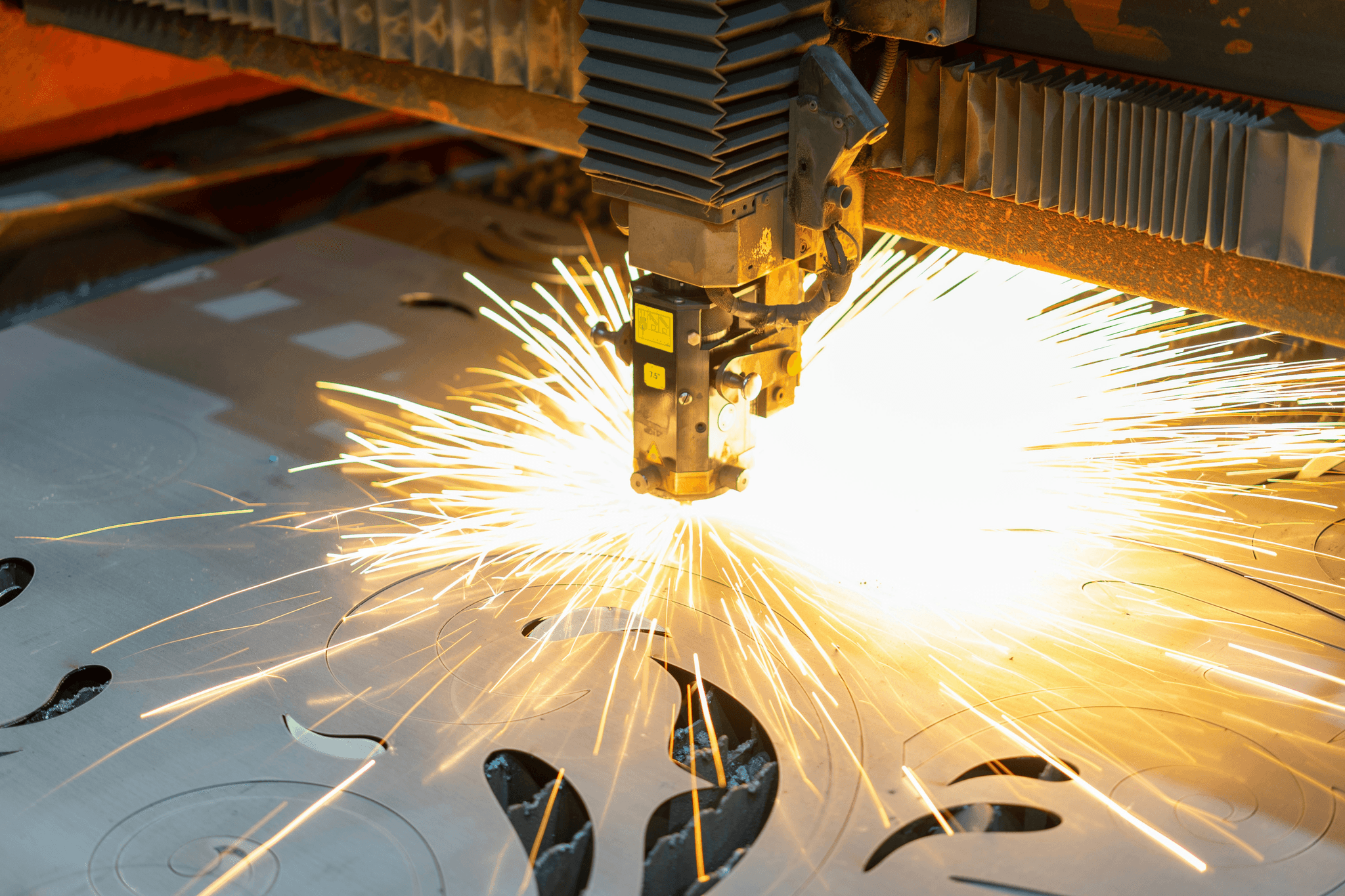
Fiber laser tube cutters are revolutionizing various industries by providing precision and efficiency in metal cutting processes. From automotive to aerospace, the applications of these cutting-edge machines are vast and varied. The versatility of a laser cutting machine for tubes allows manufacturers to create intricate designs with minimal waste, making it an invaluable tool in modern production lines.
Industries Benefiting from Cutting Laser Metal
The automotive industry is one of the primary sectors benefiting from cutting laser metal technologies. With the need for lightweight yet strong components, manufacturers rely on fiber laser tube cutters to produce parts that meet stringent safety and performance standards. Additionally, industries such as construction, furniture design, and medical equipment manufacturing have embraced laser machinery due to its capability to handle diverse materials while ensuring high levels of accuracy.
Another industry reaping the rewards is aerospace, where precision is paramount. Fiber lasers allow for the meticulous shaping and sizing of components that must withstand extreme conditions without compromising integrity. The ability to quickly adapt designs and produce prototypes using a cutting machine laser has also made these tools essential in research and development environments across multiple sectors.
Examples of Products Made with Laser Cutting
Laser cutting technology has enabled the creation of a wide array of products that showcase its capabilities. For instance, custom exhaust systems for vehicles often utilize fiber laser tube cutters to achieve precise bends and cuts that enhance performance while maintaining aesthetic appeal. Similarly, architectural elements such as railings or decorative facades benefit from the intricate designs possible through advanced laser machinery.
In addition to structural components, consumer goods like furniture frames or lighting fixtures have seen significant improvements thanks to metal cutting laser cutter technology. The ability to produce complex shapes without extensive manual labor reduces lead times while increasing production efficiency. Moreover, medical devices such as surgical instruments require exact specifications that only a reliable cutting laser metal system can provide.
The Future of Metal Cutting with Fiber Lasers
Looking ahead, the future of metal cutting with fiber lasers appears bright and full of potential innovations. As technology advances, we can expect even greater efficiencies in energy consumption and processing speeds from new generations of fiber laser tube cutters. Furthermore, integration with automation technologies will likely streamline operations further—allowing manufacturers not just to cut but also engrave or mark materials seamlessly within a single process.
The push towards sustainability will also influence how businesses adopt these advanced systems; eco-friendly practices are becoming increasingly important in manufacturing environments worldwide. With reduced material waste and lower energy requirements compared to traditional methods, adopting a cutting machine laser could be pivotal for companies aiming for greener operations while maintaining competitive edges in their respective markets.
As industries continue adapting fiber lasers into their workflows, we can anticipate groundbreaking developments that will enhance product quality even further—paving the way for smarter manufacturing solutions across all sectors involved in metal processing.
Choosing the Right Laser Cutting Machine
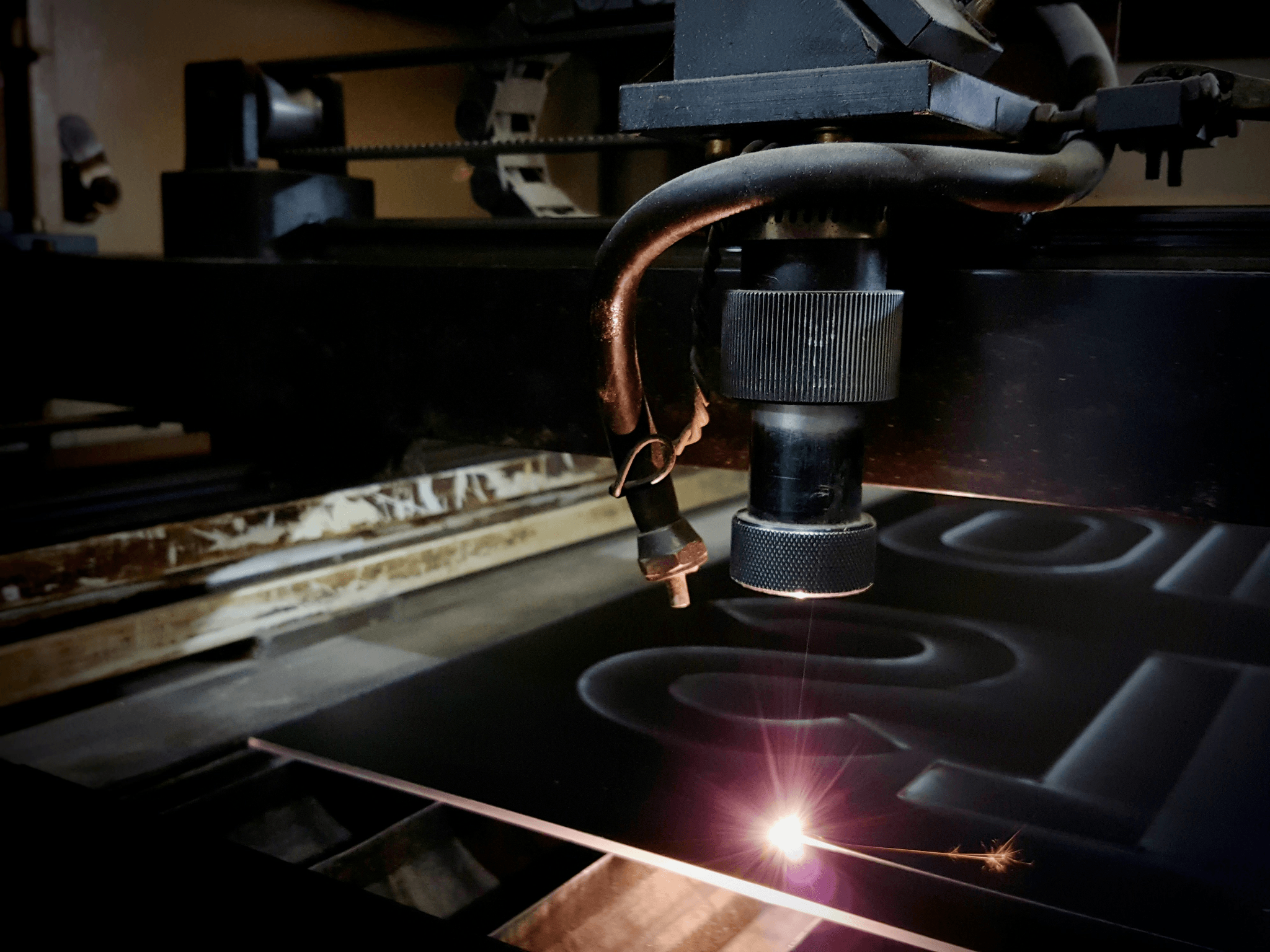
Selecting the right laser cutting machine for tubes is crucial for optimizing your production capabilities. With a variety of options available, it's important to consider specific factors that will influence your choice, including material type, thickness, and production volume. A well-chosen cutting machine laser can enhance efficiency and reduce operational costs significantly.
Factors to Consider When Selecting a Machine
When choosing a laser cutting machine for tubes, the first factor to evaluate is the power of the laser machinery. Higher wattage typically translates to faster cutting speeds and the ability to handle thicker materials. Additionally, consider the type of laser—fiber lasers are often preferred for their efficiency in metal cutting and versatility across various materials.
Another essential factor is precision; look for machines that offer high-quality cuts with minimal kerf width. This ensures less waste and better overall productivity in your operations. Don't overlook software compatibility either; an intuitive control system can streamline your workflow and make programming easier.
Lastly, assess your budget while keeping long-term operational costs in mind. While it might be tempting to go for the cheapest option available, investing in a reliable cutting laser metal machine can save you money on maintenance and replacements down the line.
Comparing Different Types of Laser Machines
Not all laser machines are created equal; they come in various types designed for specific applications within metal cutting. Fiber lasers are increasingly popular due to their efficiency and ability to cut through reflective metals like copper or brass without significant issues. CO2 lasers may still be relevant for certain non-metal applications but generally lag behind fiber lasers in terms of speed and cost-effectiveness.
When comparing different types of machines, also consider their operational flexibility—some models allow users to switch between different tube sizes easily or handle complex geometries with ease. This adaptability can significantly enhance your production capabilities when dealing with diverse projects.
Finally, take into account customer support from manufacturers when selecting a machine. A company that offers training resources or responsive technical support can make all the difference as you integrate new technology into your workflow.
How to Assess Your Manufacturing Needs
To effectively assess your manufacturing needs regarding a laser cutting machine for tubes, start by analyzing your current production processes. Identify bottlenecks or areas where traditional methods fall short; this will help clarify what features you need from a new machine. Are you frequently working with thick materials? Do you require intricate designs? Understanding these requirements will guide you toward an appropriate solution.
Next, evaluate anticipated growth within your business over time—will demand increase significantly? If so, opting for a more advanced model now could save future headaches as production ramps up later on. Consider scalability features such as modular components that allow easy upgrades without needing an entirely new setup.
Finally, engage with other industry professionals or attend trade shows focused on laser machinery advancements to gather insights about what works best in real-world scenarios similar to yours. Networking can provide valuable information about which machines excel under specific conditions or industries while expanding your understanding of how modern technology continues evolving in metal cutting applications.
Kiant Machinery: A Leading Solution Provider

When it comes to cutting-edge technology in the realm of metal processing, Kiant Machinery stands out as a premier provider of laser cutting machine for tubes. With a commitment to innovation and quality, Kiant offers an extensive range of services tailored to meet the needs of various industries. Whether you're looking for advanced laser machinery or comprehensive support, Kiant is your go-to partner in enhancing manufacturing efficiency.
Overview of Kiant Machinery Services
Kiant Machinery specializes in providing state-of-the-art laser cutting solutions that cater specifically to tube fabrication and metalworking industries. Their portfolio includes high-performance laser cutting machines designed for precision and speed, ensuring that clients can achieve optimal results with minimal downtime. Additionally, Kiant offers training and support services to help customers maximize their investment in cutting machine lasers.
With a focus on customer satisfaction, Kiant ensures that every service provided is aligned with industry best practices. They not only supply equipment but also assist in setting up and maintaining these advanced systems, making them an all-in-one solution provider for businesses looking to integrate laser technology into their operations. By leveraging their expertise in laser machinery, clients can streamline processes and enhance productivity significantly.
Performance and Reliability of Kiant’s Equipment
One of the standout features of Kiant Machinery's offerings is the exceptional performance and reliability of their equipment. The laser cutting machines for tubes are engineered using the latest technology, enabling them to deliver consistent results even under demanding conditions. Users can expect high-speed operation combined with precision cuts that traditional methods simply cannot match.
Moreover, these machines are built with durable components designed to withstand rigorous use while minimizing maintenance requirements. This reliability translates into reduced operational costs over time, allowing businesses to focus on what they do best—producing high-quality products efficiently. With a strong reputation for performance, it's no wonder that many manufacturers trust Kiant when investing in metal cutting laser cutters.
Customer Success Stories with Kiant Products
Kiant Machinery has garnered numerous success stories from satisfied customers who have transformed their operations through the adoption of their advanced laser technology. For instance, one major automotive manufacturer reported a significant reduction in production time after integrating a cutting machine laser from Kiant into its workflow—boosting overall efficiency by over 30%. Such testimonials highlight how choosing the right equipment can lead directly to enhanced productivity and profitability.
Another client specializing in custom metal fabrication shared how they were able to expand their service offerings thanks to the versatility of Kiant's fiber laser tube cutter; this flexibility allowed them to take on more complex projects without compromising quality or turnaround times. These real-world examples underscore how investing in reliable laser machinery can yield substantial returns by improving both output quality and operational agility.
As businesses continue adapting to evolving market demands, partnering with a leading solution provider like Kiant Machinery positions them at the forefront of innovation within the industry.
Maintenance and Best Practices
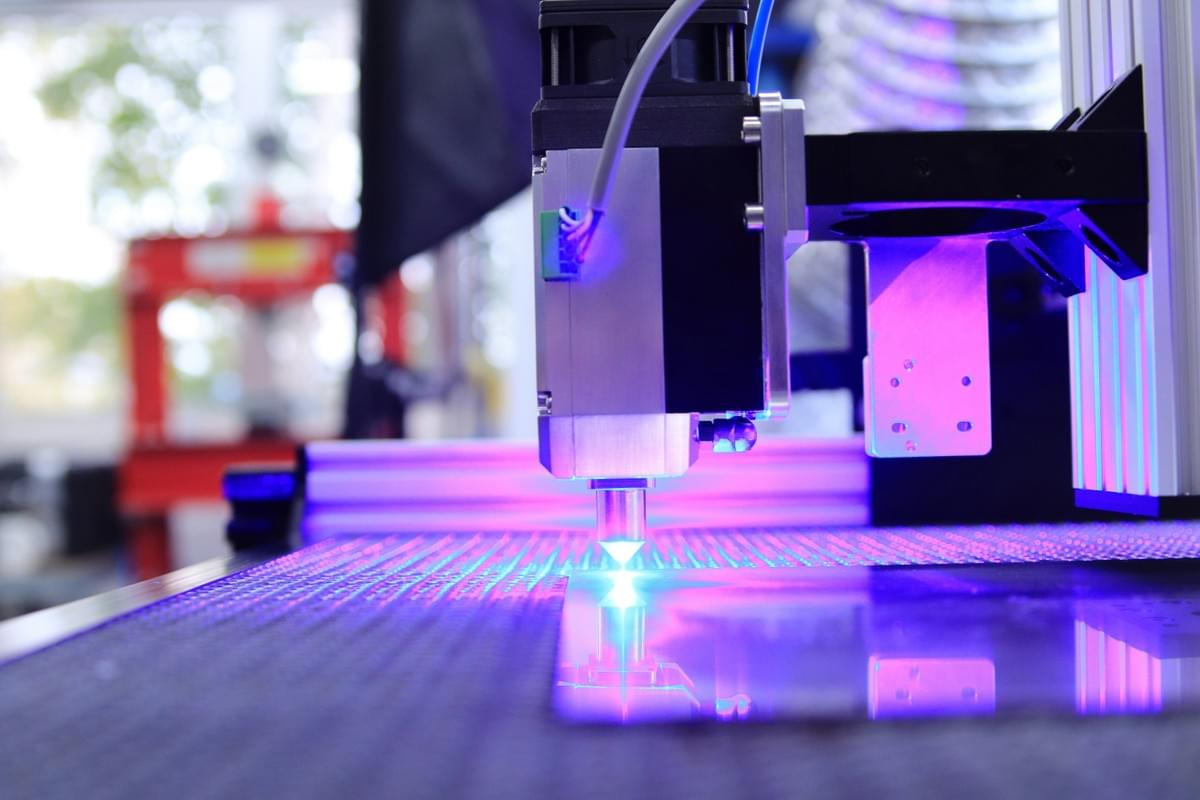
Maintaining your laser cutting machine for tubes is essential for ensuring optimal performance and longevity. Regular upkeep not only enhances the efficiency of the equipment but also minimizes downtime, which can be costly in a fast-paced manufacturing environment. By adopting best practices in maintenance, you can keep your cutting machine laser running smoothly and effectively.
Keeping Your Laser Cutting Machine in Top Shape
To keep your laser machinery operating at peak performance, regular inspections are crucial. Check alignment, lens cleanliness, and focus settings frequently to avoid issues that could affect precision during metal cutting. Additionally, ensure that the cooling system is functioning properly; overheating can lead to significant damage and costly repairs.
Another important aspect is to maintain a clean workspace around your laser cutting machine for tubes. Dust and debris can interfere with the operation of the laser cutter, leading to subpar results or even equipment failure. Creating a routine cleaning schedule helps ensure that every component remains free from contaminants that could hinder performance.
Finally, investing in quality spare parts is a wise decision when it comes to keeping your cutting machine laser in top shape. Using manufacturer-recommended components ensures compatibility and reliability over time. This proactive approach not only prolongs the lifespan of your equipment but also enhances overall productivity.
Common Issues and Troubleshooting Tips
Even with diligent maintenance, issues may arise with your metal cutting laser cutter from time to time. One common problem is inconsistent cut quality; this may be due to misalignment or worn-out components affecting focus accuracy. Regularly check alignment settings and replace any worn parts promptly to maintain high-quality cuts.
Another issue often encountered is power fluctuation during operation, which can lead to erratic performance or incomplete cuts when using a laser machine. To troubleshoot this problem, verify that all electrical connections are secure and inspect the power supply for any irregularities before seeking professional assistance if necessary.
Lastly, users might experience excessive smoke or debris production while operating their cutting laser metal equipment. This could indicate an issue with gas flow or improper settings on the machine itself; adjusting parameters such as feed rate or gas pressure can often resolve these concerns effectively.
Maximizing Efficiency with Regular Maintenance
Maximizing efficiency with regular maintenance involves more than just fixing problems as they arise; it’s about creating an environment where optimal performance becomes standard practice for your fiber laser tube cutter. Scheduling routine checks on all critical components ensures early detection of potential issues before they escalate into major repairs or downtime.
In addition to scheduled inspections, consider training staff on proper usage techniques for the laser machinery as well as best practices for maintenance routines tailored specifically for your equipment type. Educated operators are instrumental in identifying minor issues before they snowball into larger complications that disrupt workflow.
Lastly, embrace technology by employing monitoring systems connected to your cutting machine laser that track usage patterns and alert you when maintenance is due based on real-time data analytics rather than fixed schedules alone—this proactive approach keeps you ahead of any potential hiccups while maximizing productivity across all operations involving metal cutting lasers.
Conclusion
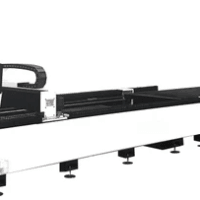
The world of manufacturing is continuously evolving, and fiber laser tube cutters are at the forefront of this transformation. Offering precision, speed, and versatility, these cutting machines are revolutionizing how industries approach metal fabrication. With a myriad of benefits, including reduced waste and enhanced productivity, it's clear that investing in a laser cutting machine for tubes is a smart choice for modern businesses.
Key Benefits of Fiber Laser Tube Cutters
Fiber laser tube cutters stand out due to their exceptional accuracy and efficiency in metal processing. Unlike traditional methods, these advanced machines can cut intricate designs with minimal material loss, making them ideal for complex projects requiring precision cuts. Moreover, the speed at which a cutting machine laser operates significantly reduces production times while maintaining high-quality results.
Another key benefit lies in their cost-effectiveness; the longevity of fiber lasers means fewer replacements and lower operational costs over time. Additionally, the ability to work with various materials—from stainless steel to aluminum—makes fiber laser technology incredibly versatile for different applications. Ultimately, choosing a metal cutting laser cutter not only enhances your production capabilities but also positions your business as an industry leader.
The Importance of Advanced Laser Machinery
In today's competitive landscape, advanced laser machinery is not just an option; it’s a necessity for companies aiming to stay ahead. The integration of sophisticated technologies like fiber lasers into manufacturing processes allows businesses to achieve higher quality outputs while optimizing resource use. As industries demand more from their equipment—be it speed or flexibility—laser cutting solutions are proving indispensable.
Moreover, adopting state-of-the-art equipment translates into improved safety standards within the workplace due to reduced manual handling and lower risk factors associated with traditional cutting methods. As manufacturers increasingly prioritize sustainability, using energy-efficient laser machines contributes positively to environmental goals by minimizing waste and energy consumption during operations. Thus, embracing advanced machinery like fiber lasers is essential for any forward-thinking manufacturer.
Future Trends in Laser Cutting Technology
Looking ahead, the future trends in laser cutting technology promise exciting advancements that will further enhance productivity and efficiency across various sectors. Innovations such as AI integration will allow for smarter optimization of cutting paths and real-time adjustments based on material conditions—a game changer for precision engineering tasks involving intricate designs or varying thicknesses in materials used with a laser machine.
Additionally, developments in automation will streamline operations even further by reducing human intervention while maintaining high levels of accuracy through robotic systems paired with modern cutting lasers. As industries continue exploring new materials and applications—from aerospace components to medical devices—the role of the metal cutting laser cutter will only expand further into niche markets previously deemed too complex or costly.
In conclusion, investing in a reliable fiber laser tube cutter not only equips your business with powerful tools but also ensures you remain competitive amidst rapid technological advancements in manufacturing processes.