
Introduction
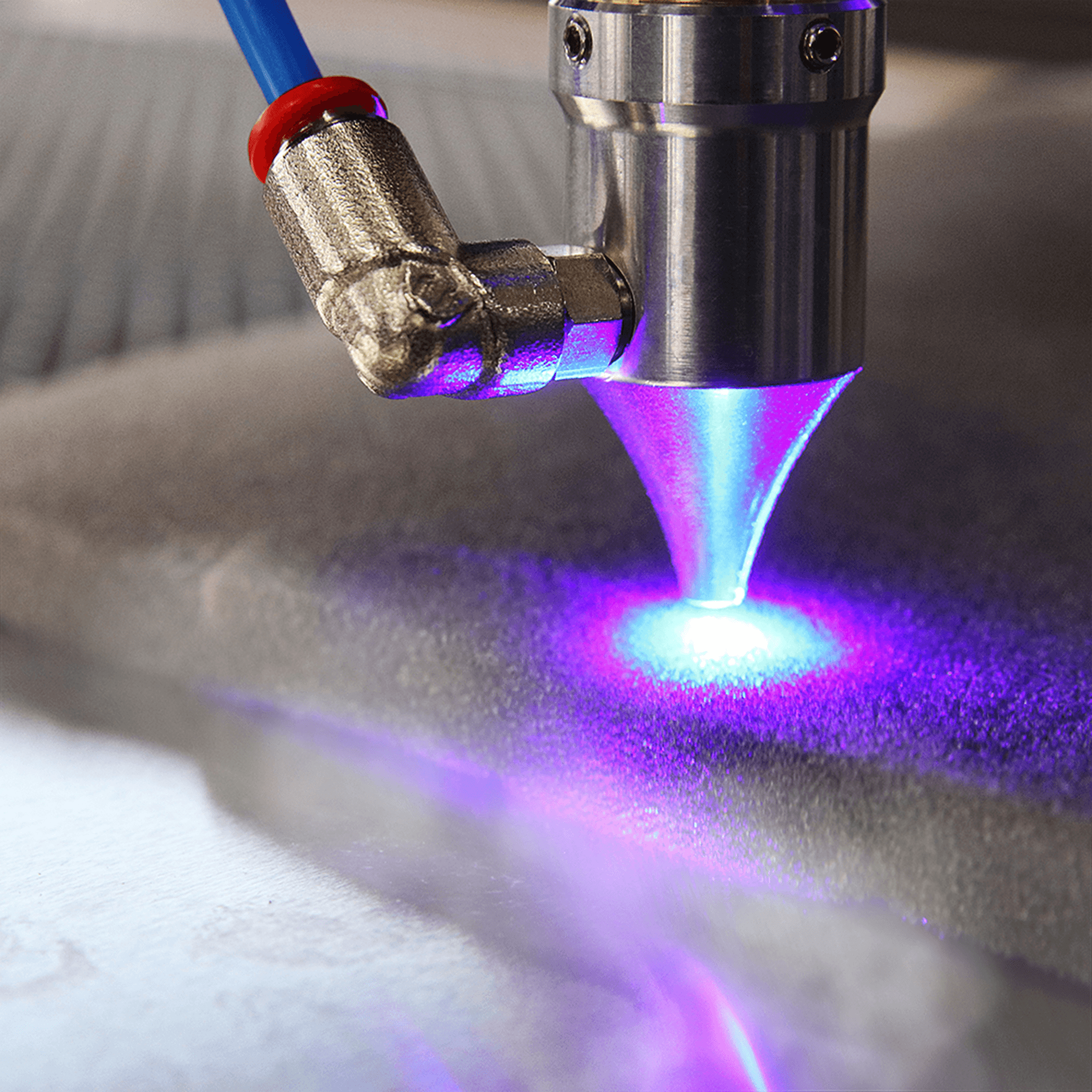
In the fast-paced world of manufacturing, the rise of fiber laser technology has revolutionized how we approach metal fabrication. This innovative method harnesses the power of light to deliver unparalleled precision and efficiency, making it a game-changer in the industry. With an industrial fiber laser cutting machine at the helm, businesses are not just keeping pace; they’re setting new standards for quality and productivity.
The Rise of Fiber Laser Technology
Fiber lasers have emerged as a dominant force in laser cutting machinery, outshining traditional methods with their superior capabilities. Unlike CO2 lasers, which rely on gas to generate beams, fiber lasers utilize optical fibers doped with rare-earth elements for enhanced performance and energy efficiency. This technological leap has made fiber laser cutting machines increasingly popular across various sectors, from automotive to aerospace, where precision is non-negotiable.
Why Efficiency Matters in Fabrication
Efficiency is paramount in fabrication processes; it directly impacts production costs and turnaround times. With an industrial fiber laser cutting machine, manufacturers can achieve faster processing speeds while minimizing material waste—a win-win situation for both profit margins and sustainability efforts. By adopting advanced laser machinery, companies can streamline operations and respond more swiftly to market demands without compromising on quality.
Precision: The Key to Quality Metalworks
Precision is not just a buzzword; it's the cornerstone of high-quality metalworks that meet stringent industry standards. Laser cutting technology excels in delivering intricate designs with remarkable accuracy—something that traditional methods often struggle with. When using a cutting machine laser equipped with state-of-the-art software and hardware features, fabricators can ensure that every cut is clean and every detail is flawlessly executed.
Understanding Fiber Laser Cutting
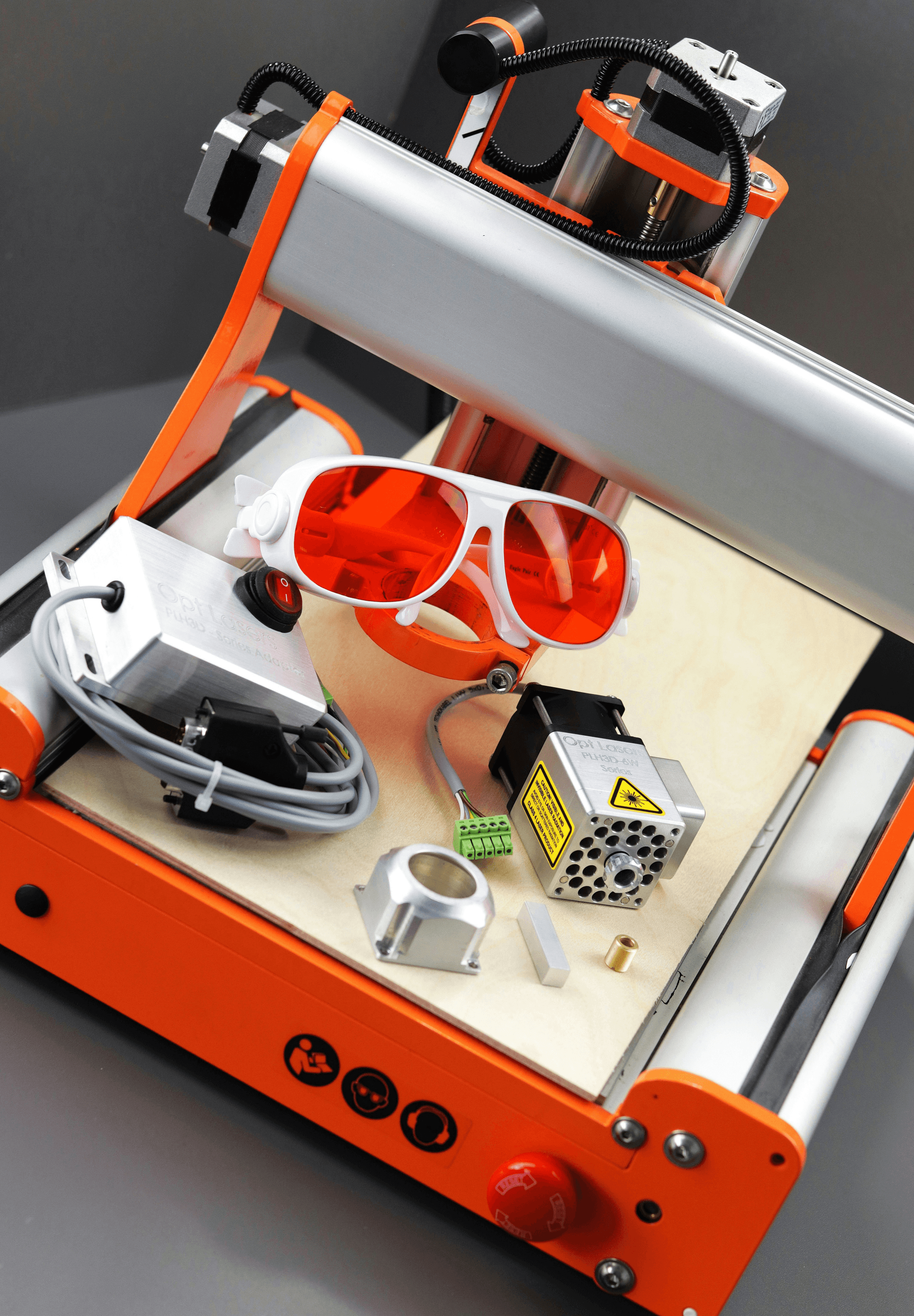
Fiber laser cutting has revolutionized the way we approach metal fabrication, bringing both speed and precision to the forefront of industrial processes. By harnessing the power of light, fiber lasers provide an efficient method for cutting various types of metals with remarkable accuracy. This section delves into how these machines operate, their advantages over traditional methods, and their wide-ranging applications in the metal fabrication industry.
How Fiber Lasers Work
At the core of fiber laser technology is a solid-state laser that generates a high-intensity beam of light through a process called stimulated emission. This light is then transmitted through optical fibers, which amplify and focus it to create a powerful cutting beam capable of slicing through metals with ease. The focused beam heats the material to its melting point, allowing for clean cuts without excessive heat distortion—a significant advantage when using an industrial fiber laser cutting machine.
The operation of a laser cutting machine is further enhanced by advanced control systems that precisely guide the movement of the beam across the material's surface. These systems can adjust parameters such as speed and intensity in real-time, ensuring optimal performance for different materials and thicknesses. As a result, users can achieve intricate designs and shapes that would be challenging or impossible with traditional cutting methods.
Advantages of Fiber Laser Over Traditional Methods
One key advantage of fiber lasers over traditional CO2 lasers lies in their efficiency; they consume less energy while delivering superior performance. The wavelength produced by fiber lasers is absorbed more effectively by metals compared to CO2 lasers, resulting in faster cutting speeds and reduced operational costs for businesses utilizing laser machinery. Furthermore, this efficiency translates into lower maintenance requirements since fiber lasers have fewer moving parts than their CO2 counterparts.
Another benefit is their versatility; industrial fiber laser cutting machines can handle a variety of materials including stainless steel, aluminum, brass, and more—making them ideal for diverse applications in metal fabrication. They also produce cleaner cuts with minimal dross or burrs on finished edges—reducing post-processing work significantly compared to traditional methods like plasma or mechanical cutting techniques. This precision not only enhances product quality but also contributes to overall cost savings.
Lastly, fiber lasers are compact and easier to integrate into existing production lines than larger traditional systems. Their smaller footprint allows manufacturers to save valuable floor space while still reaping all the benefits associated with advanced laser technology. As industries continue to seek ways to improve productivity without sacrificing quality, it's clear that choosing a cutting machine laser equipped with fiber technology is becoming increasingly essential.
Applications in Metal Fabrication
The applications for industrial fiber laser cutting machines are vast and varied across multiple sectors within metal fabrication. From automotive parts manufacturing to aerospace components production, these machines are integral in creating precise cuts needed for complex assemblies and structures where accuracy is paramount. Additionally, they play an essential role in creating custom signage or intricate artistic designs where detail matters most.
In addition to standard manufacturing processes, many companies utilize fiber lasers for prototyping new products due to their ability to quickly adapt settings for different materials or designs—allowing rapid iteration cycles without significant downtime on machinery like other conventional systems might require. Furthermore, industries such as electronics benefit from using high-precision laser machinery that can cut fine details necessary for circuit boards or housings without damaging sensitive components.
As we continue exploring advancements in technology within metalworking fields worldwide—it's evident that integrating an efficient laser machine will not only streamline operations but also enhance overall product quality across diverse applications ranging from structural engineering projects down to decorative items crafted from various metals using state-of-the-art techniques provided by modern-day cutting laser metal solutions.
The Industrial Fiber Laser Cutting Machine Explained

The industrial fiber laser cutting machine represents a significant leap in metal fabrication technology. These machines are designed to deliver exceptional performance, speed, and precision, making them essential tools in modern manufacturing environments. As industries seek to optimize their processes, understanding the features of these advanced laser cutting machines becomes crucial.
Features of Modern Laser Cutting Machines
Modern laser cutting machines are equipped with state-of-the-art technology that enhances their functionality and efficiency. Features such as high-speed scanning systems, advanced optics, and powerful fiber lasers allow for intricate designs and clean cuts in various materials. Additionally, many cutting machine lasers come with user-friendly interfaces and automation capabilities that streamline operations while ensuring consistent quality across production runs.
Another notable feature is the ability to cut through thicker materials without compromising speed or accuracy. This capability is particularly beneficial for industries working with heavy-duty metals where precision is vital. Furthermore, the integration of cooling systems helps maintain optimal performance during prolonged use, ensuring that the laser machinery operates at peak efficiency.
Comparing Fiber Lasers with CO2 Lasers
When comparing fiber lasers to traditional CO2 lasers, several differences highlight why many manufacturers are transitioning to fiber technology. For starters, industrial fiber laser cutting machines typically offer higher energy efficiency; they convert more input power into usable laser output compared to CO2 counterparts. This results in lower operational costs and reduced energy consumption over time.
Moreover, fiber lasers excel at cutting reflective metals like copper and aluminum—materials that often pose challenges for CO2 lasers due to beam absorption issues. The maintenance requirements also differ significantly; fiber lasers have fewer moving parts than CO2 systems, leading to reduced downtime and lower maintenance costs overall. Hence, for businesses focused on maximizing productivity while minimizing expenses, investing in a fiber laser cutting machine is a savvy choice.
The Role of Automation in Cutting Efficiency
Automation plays a pivotal role in enhancing the efficiency of cutting machine lasers by minimizing human error and optimizing workflow processes. Many modern industrial fiber laser cutting machines incorporate automated loading and unloading systems that significantly reduce cycle times between cuts. This means operators can focus on other critical tasks while the machine handles repetitive actions seamlessly.
In addition to improving turnaround times, automation allows for better integration with design software—enabling real-time adjustments based on production needs or material changes without manual intervention. As industries continue to embrace Industry 4.0 principles, automated laser machinery becomes indispensable for maintaining competitive edges through increased output rates and enhanced precision.
With these advancements in mind, it’s clear that understanding the features of modern laser cutting machines—alongside their benefits over traditional methods—is crucial for any business looking to thrive in today’s fast-paced manufacturing landscape.
Maximizing Precision with Laser Machinery
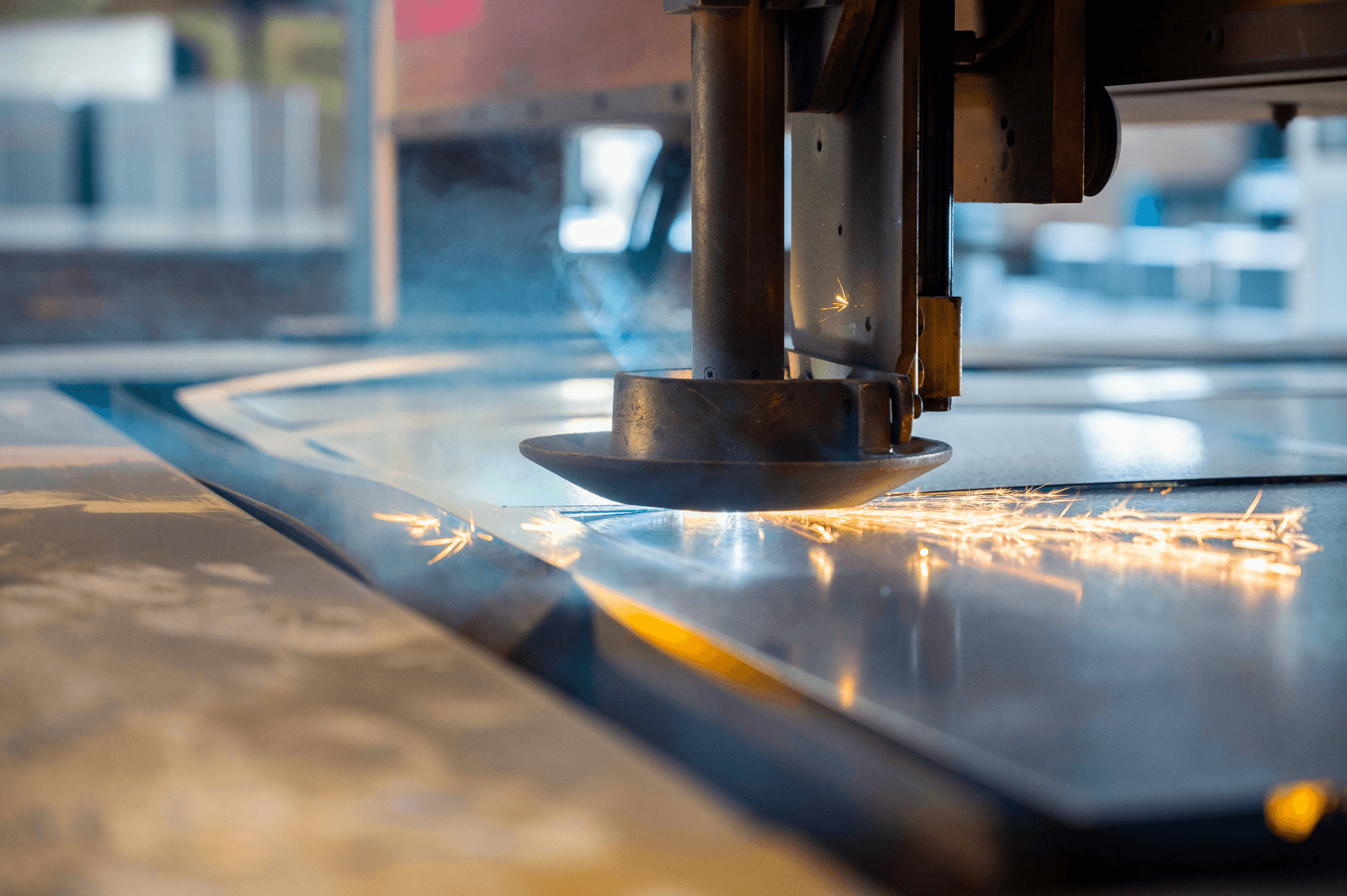
In the world of metal fabrication, the precision of cuts can make or break a project. With advancements in technology, industrial fiber laser cutting machines have become synonymous with high-quality results. By leveraging innovative techniques and software, manufacturers can enhance cut quality like never before.
Techniques for Enhancing Cut Quality
To achieve superior cut quality using a laser machine, several techniques are essential. First and foremost, maintaining optimal focus is crucial; this ensures that the laser beam remains sharp and concentrated on the material surface. Additionally, adjusting the cutting speed and power settings based on material thickness helps minimize heat-affected zones, resulting in cleaner edges and reduced warping.
Another effective technique involves selecting the right assist gas for cutting laser metal. Nitrogen is often preferred for stainless steel to produce oxide-free cuts, while oxygen can be used for mild steel to achieve faster cutting speeds. By fine-tuning these variables within an industrial fiber laser cutting machine, operators can significantly improve overall cut quality and efficiency.
Finally, regular maintenance of laser machinery cannot be overlooked; clean optics ensure that the laser beam retains its intensity over time. Operators should routinely check lenses and mirrors for dust or residue buildup to prevent diminished performance during critical projects. With these techniques in play, maximizing precision becomes not just achievable but expected.
Importance of Software in Precision Cutting
In today's fast-paced manufacturing landscape, software plays a pivotal role in achieving precision with laser machinery. Advanced software solutions allow operators to create intricate designs that are seamlessly translated into precise cuts by the cutting machine laser. Features such as real-time monitoring and feedback loops enable adjustments on-the-fly to maintain accuracy throughout production runs.
Moreover, programming capabilities allow users to optimize cutting paths efficiently; this minimizes travel time between cuts while reducing wear on components of industrial fiber laser cutting machines. The integration of CAD/CAM systems further enhances design-to-manufacturing workflows by streamlining operations from concept to finished product without compromising quality.
Additionally, modern software often includes predictive maintenance features that alert operators when components may require servicing or replacement—preventing costly downtime before it occurs. In essence, investing in robust software solutions is just as vital as choosing high-quality hardware when aiming for precision in metal fabrication.
Real-World Examples of Precision Laser Cutting
The impact of precision laser cutting is evident across various industries where accuracy is paramount—such as aerospace and automotive manufacturing. For instance, one leading aerospace company utilized an industrial fiber laser cutting machine to fabricate intricate components that required tolerances within microns; their investment resulted in not only improved product performance but also significant cost savings due to reduced waste.
Another notable example comes from an automotive parts manufacturer that adopted advanced software alongside their new laser machinery setup—resulting in a 30% reduction in production time without sacrificing cut quality on complex geometries like brackets and mounts used in vehicles today. The combination of high-performance equipment with intelligent programming allowed them to stay competitive while meeting increasing market demands efficiently.
Finally, a custom metal artwork studio showcased how they leveraged precision-cutting technology using a state-of-the-art laser machine to create stunning designs with intricate details previously thought impossible with traditional methods. Their ability to push creative boundaries has positioned them uniquely within their niche market while highlighting how versatile modern industrial fiber lasers truly are.
Cost Efficiency in Laser Cutting
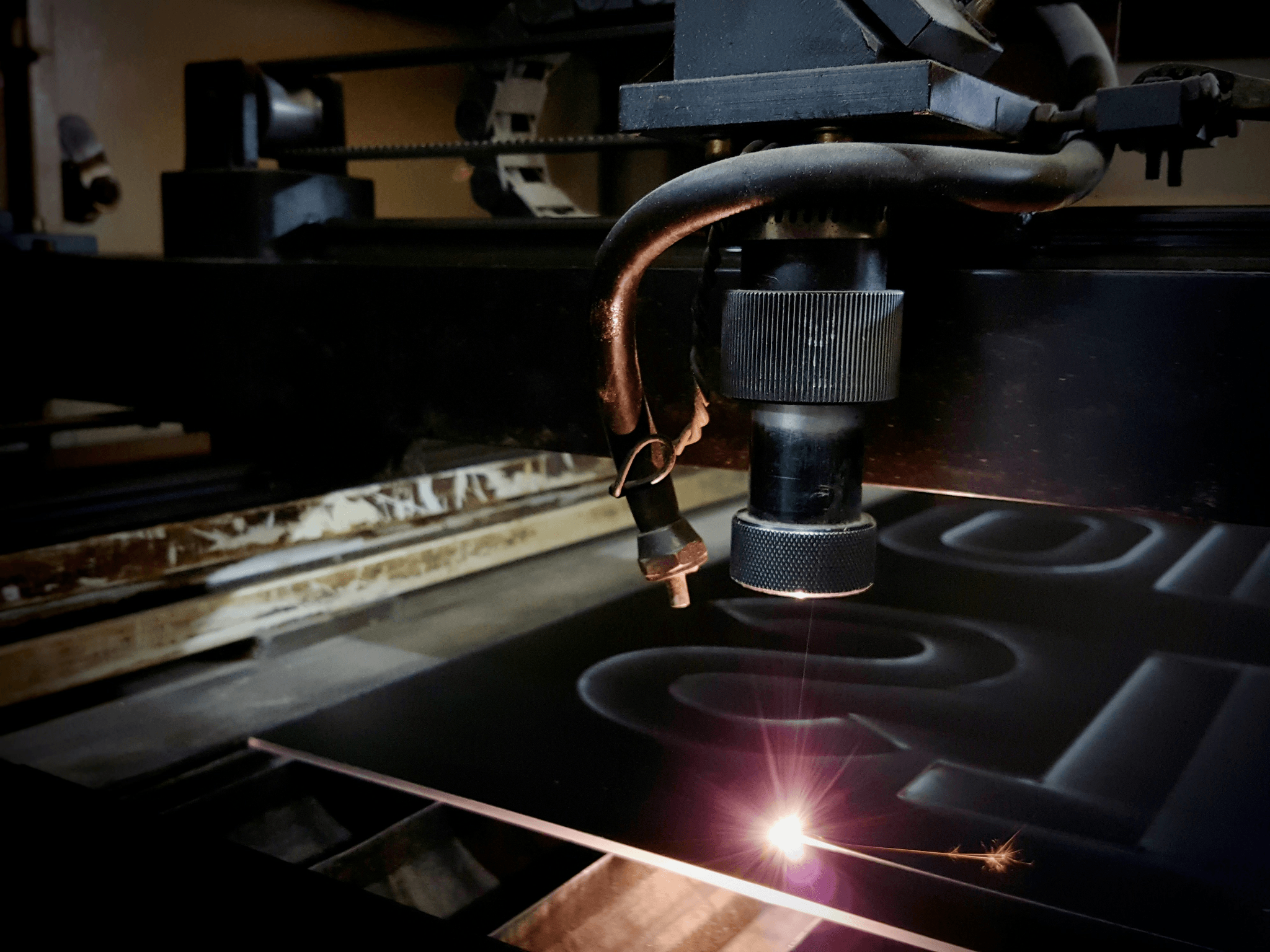
In today's competitive manufacturing landscape, cost efficiency is not just a goal; it's a necessity. The industrial fiber laser cutting machine stands out as a beacon of innovation, driving down costs while enhancing productivity. By reducing material waste and optimizing processes, laser cutting technologies are revolutionizing how businesses approach metal fabrication.
Reducing Material Waste with Fiber Lasers
One of the most significant advantages of using an industrial fiber laser cutting machine is its ability to minimize material waste. Unlike traditional methods, which often leave behind unusable scraps, the precision of laser cutting allows for tighter nesting and more efficient layouts. This leads to less leftover material after each cut, ultimately saving money and promoting sustainability within the fabrication process.
Moreover, the accuracy of fiber lasers means that each cut is executed with minimal excess, allowing manufacturers to make full use of their raw materials. By investing in a state-of-the-art laser machine, companies can not only enhance their production capabilities but also significantly reduce their environmental footprint. The result? A win-win scenario where efficiency meets eco-friendliness.
Long-Term Savings through Efficiency
When considering an upgrade to a modern laser cutting machine, it's essential to look beyond initial costs and focus on long-term savings generated by improved efficiency. Fiber lasers consume less energy compared to traditional CO2 lasers while delivering faster processing times without sacrificing quality. This energy efficiency translates into lower operational costs over time—an enticing prospect for any business looking to boost its bottom line.
Additionally, reduced maintenance requirements for fiber lasers mean fewer interruptions in production schedules and lower repair costs over the lifespan of the equipment. As businesses increasingly adopt automated solutions in their operations, investing in advanced laser machinery can yield substantial returns on investment (ROI). Ultimately, these savings contribute significantly to overall profitability.
Case Studies: Companies Boosting Profits
Numerous companies have successfully harnessed the power of an industrial fiber laser cutting machine to enhance their profitability through innovative practices and strategic investments in technology. For example, one metal fabrication firm reported a 30% reduction in material waste after switching from conventional methods to advanced fiber lasers for their cutting processes. This shift not only improved their margins but also allowed them to take on more projects due to increased capacity.
Another case study highlighted a manufacturer that integrated automation into their laser machinery setup—resulting in faster turnaround times and enhanced precision across all projects they undertook with their new cutting machine laser system. As a direct outcome of these changes, they noted a significant uptick in customer satisfaction and repeat business due to consistent quality output at competitive prices. These success stories demonstrate that embracing modern technology like fiber lasers can lead directly to boosted profits and sustainable growth.
Kiant Machinery: Leading the Charge
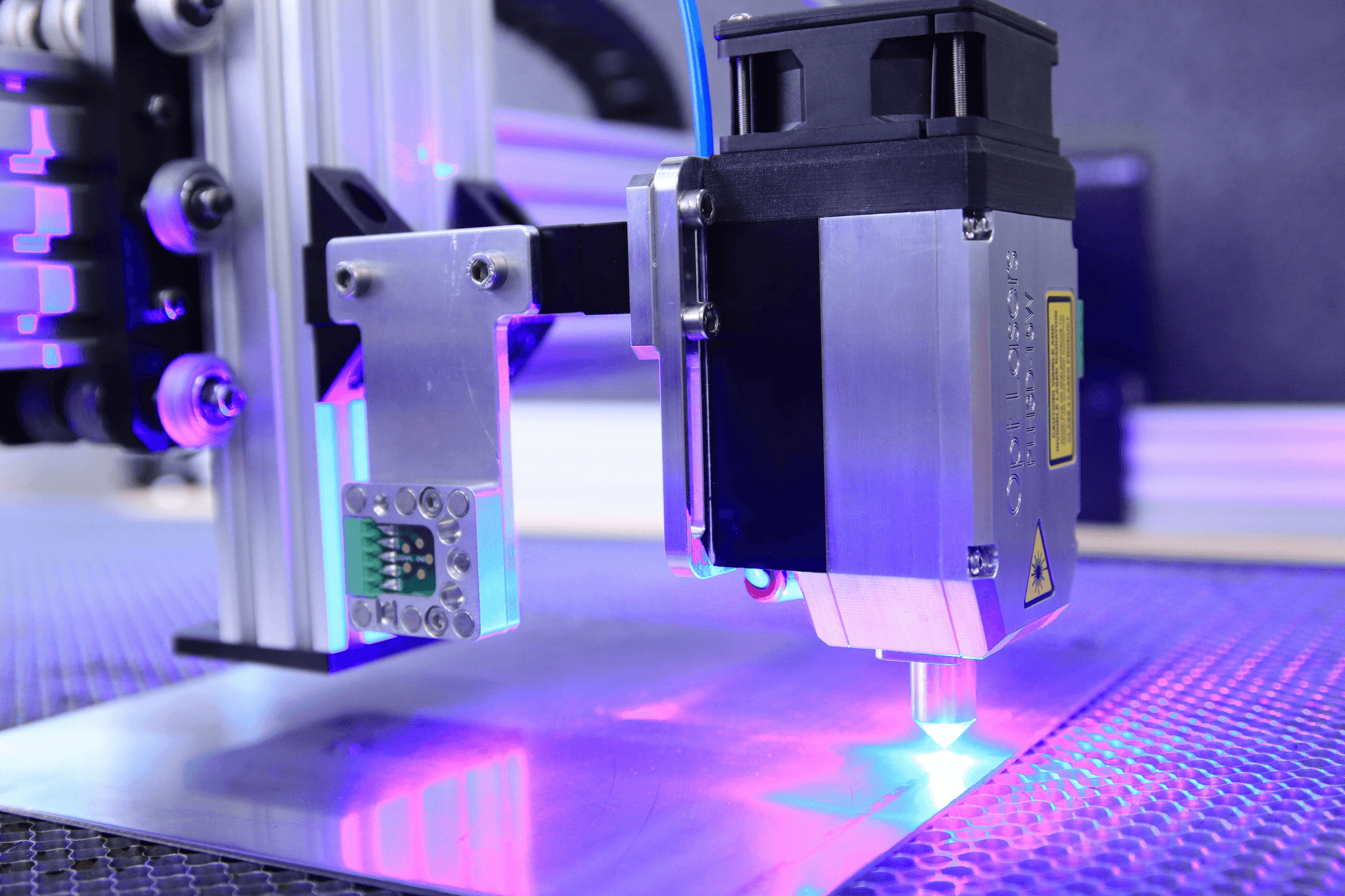
In the competitive world of metal fabrication, Kiant Machinery stands out with its innovative solutions that push the boundaries of what's possible with laser technology. The company's commitment to developing state-of-the-art industrial fiber laser cutting machines has revolutionized the way businesses approach laser cutting. With a keen focus on efficiency and precision, Kiant's offerings ensure that users can achieve optimal results every time they engage their cutting machinery.
Innovative Solutions from Kiant Machinery
Kiant Machinery has made significant strides in enhancing the capabilities of laser machinery, particularly with their advanced industrial fiber laser cutting machines. These machines are designed to deliver unparalleled speed and accuracy, allowing for intricate designs in metalworks that were once thought impossible. By integrating cutting-edge technology into their laser machines, Kiant ensures that customers benefit from increased productivity and reduced operational costs.
Moreover, their innovative approach extends beyond just hardware; they also develop intelligent software solutions tailored for optimizing laser cutting processes. This combination of robust hardware and smart software makes their laser cutting machine a top choice for industries ranging from automotive to aerospace. In essence, Kiant Machinery is not just selling equipment; they are providing comprehensive solutions that empower businesses to thrive in a fast-paced market.
Customer Support and Training Programs
One of the standout features of Kiant Machinery is its dedication to customer support and training programs designed specifically for users of their industrial fiber laser cutting machines. Recognizing that even the best equipment can fall short without proper guidance, Kiant offers extensive training sessions that cover everything from basic operation to advanced techniques in precision cutting. This ensures that users are not only equipped with a high-quality cutting machine but also possess the knowledge needed to maximize its potential.
Additionally, their customer support team is readily available to assist clients with any issues or questions regarding their laser machinery. Whether it's troubleshooting technical difficulties or offering advice on best practices for using a laser machine effectively, Kiant's commitment to client satisfaction is evident at every turn. This level of support fosters long-term relationships between the company and its customers, ultimately leading to greater success in metal fabrication projects.
Success Stories from Kiant Machinery Users
The impact of Kiant Machinery’s industrial fiber laser cutting machines can be seen through numerous success stories shared by satisfied users across various sectors. For instance, many companies report significant increases in production efficiency after transitioning from traditional methods to using a modern laser machine designed by Kiant. These transformations often lead not only to higher output but also enhanced quality in finished products due to improved precision during the cutting process.
Moreover, case studies reveal how businesses have managed to reduce material waste dramatically by employing advanced techniques learned through Kiant’s training programs alongside their innovative machinery solutions. As these companies continue reaping benefits such as lower operational costs and higher profit margins thanks to effective use of their cutting machine lasers, it becomes clear why so many choose Kiant as their trusted partner in metal fabrication.
In conclusion, whether you’re looking for an efficient way to streamline your operations or seeking precise results in your projects, partnering with Kiant Machinery could be your best decision yet!
Conclusion
The landscape of metal fabrication is undergoing a transformative shift, primarily driven by advancements in laser technology. The industrial fiber laser cutting machine has emerged as a game-changer, enhancing efficiency and precision in various applications. As industries embrace this innovative technology, the quality of laser cutting continues to improve, setting new standards for excellence.
Transforming Metal Fabrication with Laser Technology
Laser cutting has revolutionized the way manufacturers approach metalworks, offering unparalleled precision and speed. The introduction of fiber lasers into the market has significantly enhanced capabilities, allowing for intricate designs and clean cuts that were once challenging to achieve. With the ability to cut through various materials effortlessly, laser machinery is now at the forefront of modern fabrication processes.
As companies increasingly adopt these cutting-edge solutions, they find themselves reaping benefits beyond just improved cut quality. The efficiency gains from using an industrial fiber laser cutting machine translate into reduced operational costs and minimized material waste. This transformation not only boosts productivity but also elevates the overall standard of finished products in the industry.
The Future of Cutting Machine Laser Solutions
Looking ahead, the future of cutting machine laser solutions appears bright and full of potential innovations. With ongoing advancements in technology, we can expect even more sophisticated features integrated into laser machines that enhance user experience and operational efficiency. Automation will continue to play a pivotal role in streamlining processes, making laser cutting more accessible to businesses of all sizes.
Moreover, as industries become increasingly environmentally conscious, the focus on sustainability will drive further development in energy-efficient laser machinery. This shift will not only benefit manufacturers but also contribute positively to global efforts toward reducing carbon footprints associated with production processes. As we move forward, it's clear that fiber lasers will remain at the forefront of this evolution.
Choosing the Right Laser Machine for Your Needs
Selecting the right laser machine requires careful consideration of specific needs and applications within your business context. Factors such as material types, thicknesses to be cut, and production volume should guide your choice when investing in a cutting machine laser solution. Additionally, understanding the advantages offered by an industrial fiber laser cutting machine over traditional methods can provide valuable insights during this decision-making process.
It's essential to evaluate features such as speed, accuracy, and ease-of-use when comparing different models on the market today. Engaging with suppliers who offer comprehensive customer support and training programs can also enhance your experience with new equipment significantly. Ultimately, making an informed choice will ensure that your investment aligns with your operational goals while maximizing productivity.