
Introduction
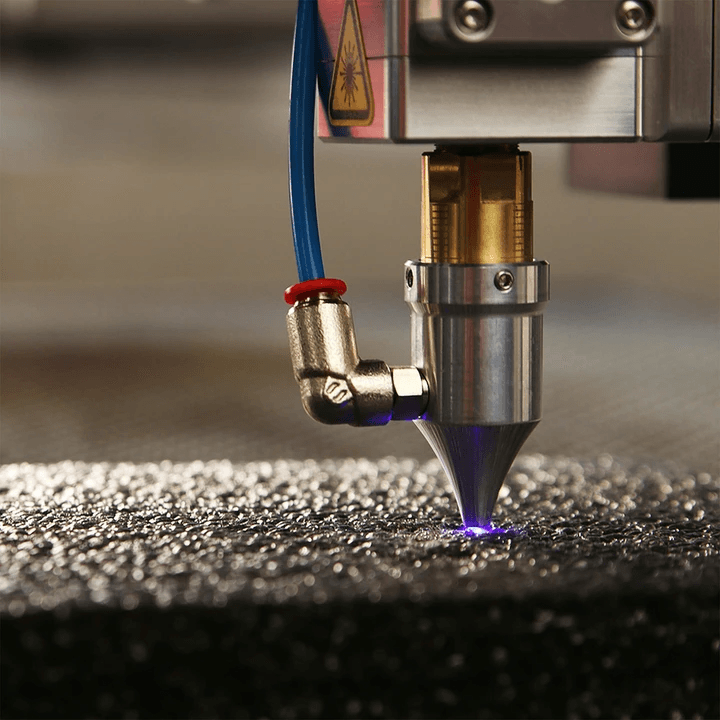
In the fast-paced world of manufacturing, precision laser machining has emerged as a game-changer, revolutionizing how materials are cut and shaped. The evolution of laser cutting technology has allowed industries to achieve unprecedented levels of accuracy and efficiency, making it an essential tool in modern production processes. As we delve into the importance of precision in manufacturing, it becomes clear that laser machinery is not just a trend—it's a necessity for staying competitive.
The Evolution of Laser Cutting Technology
Laser cutting technology has come a long way since its inception in the late 1960s. Initially used primarily for industrial applications, advancements in laser machinery have made precision cutting accessible across various sectors, from automotive to aerospace. Today’s cutting lasers are equipped with sophisticated software and hardware that enable intricate designs and complex geometries to be realized with remarkable speed and accuracy.
Importance of Precision in Manufacturing
Precision is paramount in manufacturing; it directly impacts product quality, operational efficiency, and cost-effectiveness. With the rise of precision laser machining, manufacturers can achieve tighter tolerances than ever before, reducing waste and minimizing errors during production processes. This heightened level of accuracy not only enhances product reliability but also fosters innovation by allowing engineers to explore new design possibilities without the fear of compromising quality.
Applications of Laser Cutting Machines
Laser cutting machines find applications across a myriad of industries due to their versatility and effectiveness in processing various materials. From cutting metal sheets for automotive parts to engraving intricate designs on wood or acrylic for decorative items, these machines have proven their worth time and again. As industries continue to embrace automation and advanced technologies, the role of laser machining will only expand further—unlocking new potentials for creativity and productivity.
Overview of Laser Cutting Machines
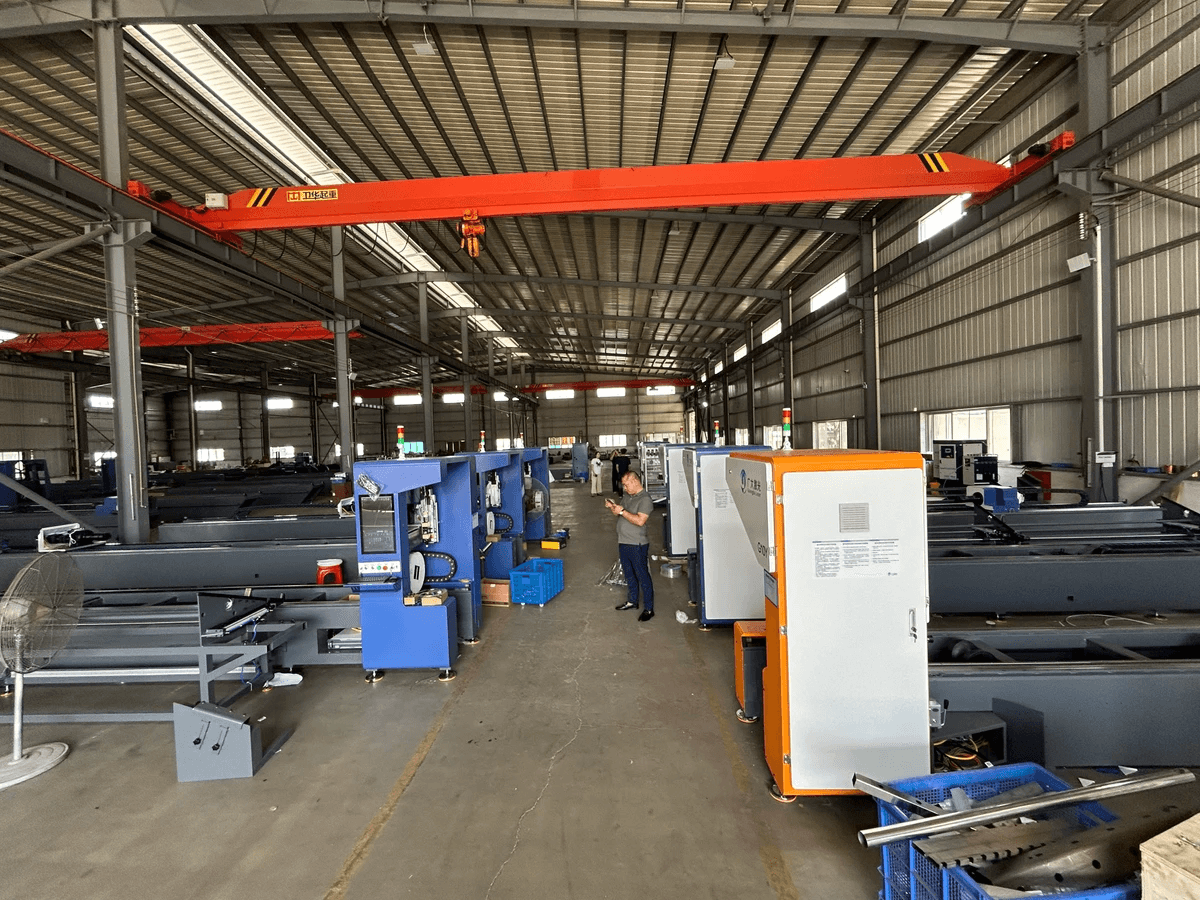
Laser cutting machines have revolutionized the manufacturing landscape, introducing unparalleled precision and efficiency. These advanced tools utilize focused laser beams to cut through various materials, including metals, plastics, and wood. Understanding how these machines work is essential for anyone looking to leverage the benefits of precision laser machining.
How Laser Machinery Works
At the heart of laser machinery lies a powerful laser beam generated by a laser source, which is then focused through optics to create an intense point of energy. This energy melts or vaporizes the material being cut, allowing for intricate designs and shapes that traditional methods struggle to achieve. The process is controlled by computer numerical control (CNC) systems, ensuring precise cutting paths and minimal waste.
The versatility of laser machining means it can be adapted for various applications—ranging from cutting metal sheets to engraving delicate patterns on glass. By adjusting parameters such as speed, power, and focus, operators can achieve different results tailored to specific needs. This adaptability makes laser cutting an ideal choice for industries that demand high-quality outputs with exacting standards.
Types of Laser Cutting Processes
There are several types of laser cutting processes available today, each tailored for specific applications and materials. The most common methods include CO2 laser cutting and fiber laser cutting; both are widely used in precision cutting tasks across industries. CO2 lasers excel at cutting non-metallic materials like wood and acrylic, while fiber lasers dominate in metal applications due to their efficiency in penetrating dense materials.
Another method gaining traction is the neodymium (Nd:YAG) laser process which offers high peak power suitable for specialized tasks like engraving or marking metals with exceptional detail. Each type has its unique advantages depending on material thickness and desired finish quality, making it essential for businesses to choose wisely based on their project requirements. Ultimately, understanding these processes empowers manufacturers to select the best technology suited for their precision machining needs.
Benefits of Using Laser Cutting
The benefits of using laser cutting technology are numerous and compelling for manufacturers seeking efficiency without compromising quality. First off, precision laser machining allows for incredibly fine tolerances that traditional methods simply cannot match—think about intricate designs on metalwork that require exactness down to microns! This level of accuracy not only enhances product quality but also reduces material waste significantly.
In addition to precision cutting capabilities, laser machinery offers speed advantages over conventional methods; jobs that once took hours can now be completed in a fraction of the time without sacrificing detail or craftsmanship. Moreover, these machines operate with minimal setup time compared to other techniques—making them perfect for both large-scale production runs and custom one-off projects alike!
Finally, the versatility inherent in modern laser systems means they can handle a variety of materials with ease—from thick steel plates needing robust cuts down to thin sheets requiring delicate engravings—all under one roof! The combination of speed, accuracy, versatility—and not forgetting cost-efficiency—makes investing in a good quality cutting laser metal system an intelligent choice for any forward-thinking manufacturer.
Precision Laser Machining Explained
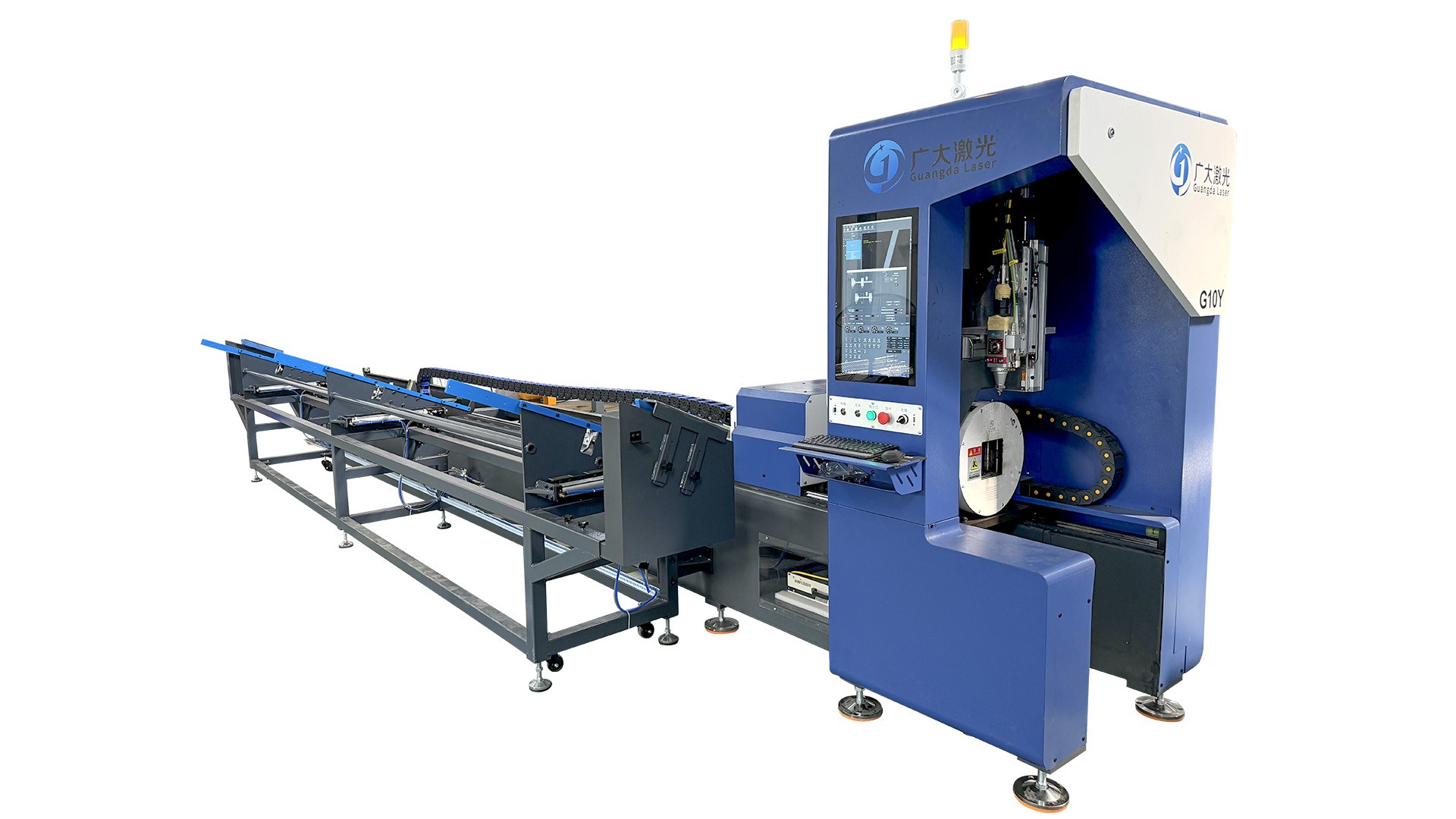
Precision laser machining is revolutionizing the manufacturing landscape by offering unparalleled accuracy and efficiency. This advanced technology utilizes focused laser beams to cut, engrave, or etch materials with pinpoint precision, making it an ideal choice for intricate designs and tight tolerances. The term precision cutting embodies the essence of this process, highlighting its capability to deliver high-quality results consistently.
Defining Precision Cutting
At its core, precision cutting refers to the ability to achieve exact dimensions and smooth finishes in various materials through laser technology. In precision laser machining, a highly concentrated beam of light is directed onto the material's surface, melting or vaporizing it away with minimal thermal distortion. This level of control not only enhances the aesthetic quality of finished products but also ensures that they meet stringent specifications required in industries like aerospace and automotive.
Comparison to Traditional Cutting Methods
When comparing precision laser machining to traditional cutting methods such as milling or sawing, the advantages become strikingly clear. Traditional methods often involve physical contact between tools and materials, which can lead to wear over time and result in less accurate cuts. In contrast, laser cutting operates without direct contact; thus, it minimizes tool wear while also allowing for faster processing speeds and reduced waste—an essential factor when cutting laser metal or other valuable materials.
Key Advantages of Precision Laser Machining
The benefits of utilizing precision laser machining are numerous and compelling for manufacturers looking to enhance their operations. First and foremost is the exceptional accuracy that allows for intricate designs that would be nearly impossible with conventional methods. Additionally, this technology accommodates a wide range of materials—from metals to plastics—making it incredibly versatile; manufacturers can switch between tasks without needing extensive retooling or adjustments in their machinery setup.
The Role of Laser Cutting in Industry
Laser cutting technology has become a cornerstone in various industries, revolutionizing how materials are processed and manufactured. With its ability to deliver precision laser machining, this technology is not just about cutting; it's about enhancing efficiency and accuracy across the board. From automotive to aerospace, the applications of laser cutting are vast and varied, making it an indispensable tool for modern manufacturing.
Key Industries Using Laser Cutting
Several key industries have adopted laser cutting due to its unmatched precision and versatility. In the automotive sector, for instance, manufacturers rely on laser machinery for intricate parts that require tight tolerances and high-quality finishes. Similarly, the aerospace industry benefits from precision cutting techniques that ensure safety and performance through flawless components made from various materials.
Another significant sector utilizing laser machining is electronics, where delicate components demand meticulous attention to detail. Here, cutting laser metal parts with extreme accuracy is crucial for functionality and reliability. Additionally, the metal fabrication industry has seen a dramatic shift toward laser cutting as it streamlines production processes while reducing waste—an essential factor in today’s environmentally conscious market.
Case Studies of Successful Applications
Numerous case studies highlight how companies have successfully integrated laser cutting into their operations with remarkable results. For example, a leading automotive manufacturer implemented precision laser machining to produce lightweight vehicle frames that improved fuel efficiency without compromising strength or safety standards. This transition not only enhanced their production capabilities but also significantly reduced costs associated with material waste.
In another instance, a prominent electronics firm adopted advanced laser machinery to fabricate printed circuit boards (PCBs) with intricate designs that traditional methods couldn’t achieve as effectively. The result was a marked increase in product reliability and performance while reducing lead times dramatically. These case studies illustrate how embracing innovative technologies like laser machining can lead to substantial competitive advantages in dynamic markets.
The Future of Laser Cutting in Manufacturing
The future of laser cutting looks incredibly promising as advancements continue to emerge at breakneck speed within this field. As industries strive for greater efficiency and sustainability, innovations such as fiber lasers are gaining traction due to their energy efficiency and ability to cut through thicker materials with ease—making them ideal for heavy-duty applications like construction equipment manufacturing or shipbuilding.
Moreover, integrating artificial intelligence into laser machinery is poised to revolutionize precision cutting further by optimizing settings automatically based on real-time feedback during operations. This evolution will not only enhance productivity but also minimize human error significantly—a game-changer for quality assurance in manufacturing processes moving forward.
As we look ahead, it's clear that precision laser machining will remain at the forefront of industrial innovation—unlocking new potentials for businesses eager to adapt and thrive in an ever-evolving landscape.
Choosing the Right Laser Cutting Equipment
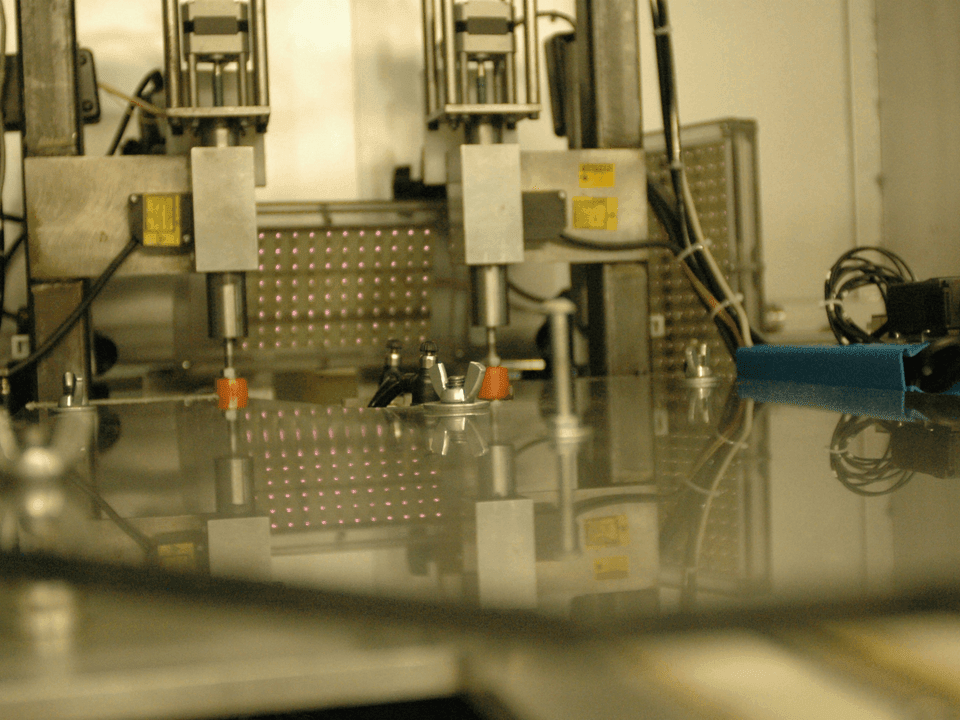
Selecting the right laser cutting equipment is crucial for achieving optimal results in precision laser machining. With a plethora of options available, manufacturers must consider various factors to ensure they invest in machinery that meets their specific needs. The right choice not only enhances productivity but also minimizes waste and maximizes efficiency in manufacturing processes.
Factors to Consider in Laser Machinery
When evaluating laser machinery, several key factors come into play. Firstly, the type of material you will be cutting is paramount; different materials like metal, wood, or plastics require specific laser cutting technologies for effective results. Additionally, consider the thickness of the materials—precision cutting capabilities vary significantly among machines and can affect overall production quality.
Another important aspect is the power of the laser source, which directly influences cutting speed and depth. Higher wattage lasers typically provide faster processing times and can handle thicker materials more efficiently. Finally, look into software compatibility and automation features; modern laser machining often integrates with CAD systems for seamless operation and improved precision.
Why Kiant Machinery Stands Out
Kiant Machinery distinguishes itself from competitors through its commitment to innovation and quality in laser machining solutions. Their equipment is designed with advanced features that enhance precision cutting capabilities while ensuring user-friendliness. With a focus on durability and performance, Kiant’s machines are built to withstand rigorous industrial environments without compromising on output quality.
Moreover, Kiant Machinery offers tailored solutions that cater to various industries—from automotive to aerospace—ensuring that each client receives equipment suited precisely for their applications. Their reputation for excellent customer service further solidifies their standing in the market; clients benefit from dedicated support throughout their purchasing journey and beyond.
Equipment Maintenance and Care
Proper maintenance of your laser cutting equipment is vital for sustaining high performance levels over time. Regular inspections should include checking optics for cleanliness since dust or debris can severely affect precision laser machining outcomes by disrupting beam quality. Additionally, keeping mechanical components lubricated ensures smooth operation while preventing wear-and-tear issues.
It's also wise to follow manufacturer guidelines regarding software updates; outdated software can hinder machine capabilities or lead to inefficient operations during critical tasks like cutting metal or intricate designs. By investing time in maintenance routines, users not only prolong the lifespan of their machinery but also enhance overall productivity through reliable performance.
Training and Support for Laser Machining
In the world of precision laser machining, proper training is not just a luxury—it's a necessity. Skilled operators are crucial for maximizing the capabilities of laser cutting technology and ensuring safety in the workplace. Without adequate training, even the most advanced laser machinery can fall short of its potential, leading to inefficiencies and costly errors.
Importance of Proper Training
Investing in proper training for your team enhances their understanding of laser cutting processes and equipment operation. This knowledge translates into improved efficiency, as operators become adept at precision cutting techniques that minimize waste and maximize output. Furthermore, trained personnel are better equipped to troubleshoot issues on-the-fly, reducing downtime and boosting productivity.
Additionally, a well-trained workforce fosters a culture of safety within the manufacturing environment. Understanding how to handle laser machinery safely means fewer accidents and injuries, making it imperative to prioritize comprehensive training programs for all employees involved in laser machining operations.
Kiant Machinery’s Training Programs
Kiant Machinery recognizes that effective training is key to unlocking the full potential of their state-of-the-art equipment. Their training programs cover everything from basic operational skills to advanced techniques in precision laser machining. Participants receive hands-on experience with cutting lasers, learning how to optimize settings for different materials while maintaining high-quality standards.
Moreover, Kiant Machinery’s programs focus on real-world applications relevant to various industries using laser cutting technology. This tailored approach ensures that trainees can directly apply what they learn in their specific work environments—whether that's cutting metal or intricate designs on other materials.
After-Sales Support: What to Expect
When investing in laser machinery from Kiant Machinery, customers can expect robust after-sales support that extends well beyond initial purchase assistance. Their dedicated support team is available to help with any operational questions or technical difficulties that may arise during the use of precision cutting equipment. This level of commitment ensures that businesses remain productive and competitive by minimizing interruptions due to machinery issues.
Additionally, Kiant Machinery offers ongoing maintenance services designed specifically for their products; this proactive approach helps prevent problems before they occur while extending the lifespan of your investment in laser machining technology. With continuous support from experts who understand both the machinery and its applications deeply, users can confidently navigate any challenges they face in their manufacturing processes.
Conclusion
In the fast-paced world of manufacturing, the impact of laser cutting technology cannot be overstated. Precision laser machining has revolutionized how industries approach production, offering unparalleled accuracy and efficiency. As we look to the future, it’s clear that laser machinery will continue to play a pivotal role in enhancing operational capabilities across various sectors.
The Impact of Laser Cutting on Efficiency
Laser cutting has dramatically improved efficiency in manufacturing processes by reducing waste and increasing speed. With precision cutting capabilities, businesses can achieve intricate designs with minimal material loss, leading to significant cost savings. Moreover, the automation of laser machining reduces manual labor requirements, allowing companies to focus their resources on innovation and growth.
Future Trends in Laser Machining
The future of laser machining is bright and full of potential advancements that promise even greater efficiency and versatility. Emerging technologies like AI integration will enhance precision laser machining processes by optimizing settings for different materials automatically. Additionally, as industries continue to embrace sustainable practices, innovations in eco-friendly laser cutting solutions are likely to emerge, making it possible to cut metal without harmful emissions.
Unlocking Potential with Kiant Machinery
Kiant Machinery stands at the forefront of this technological evolution, offering state-of-the-art equipment designed for precision cutting needs. By investing in Kiant's advanced laser machinery, businesses can unlock new levels of productivity while maintaining high standards for quality and precision laser machining. With robust training programs and dedicated support services, Kiant ensures that clients are well-equipped to harness the full potential of their investments.