
Introduction
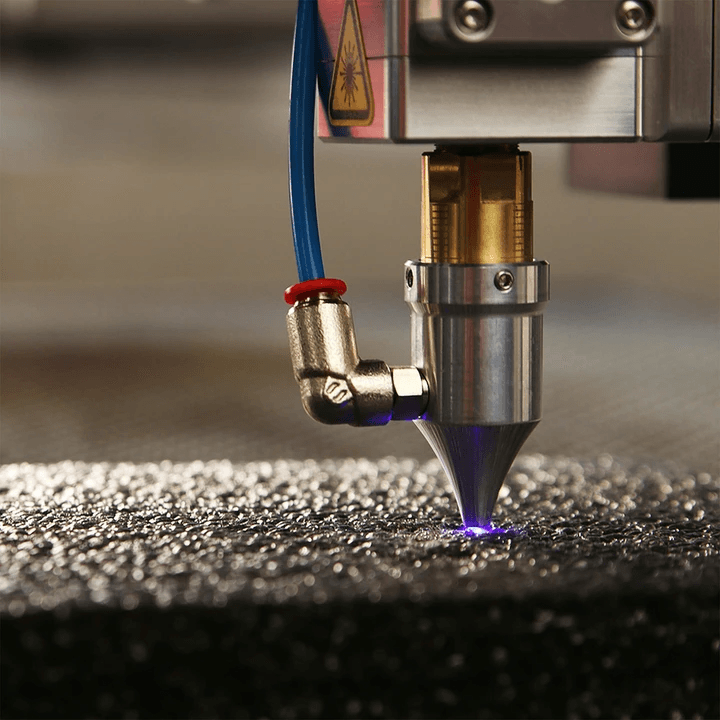
In the ever-evolving world of manufacturing, industrial laser machines have emerged as game-changers, revolutionizing the way we approach cutting and fabrication processes. These advanced tools harness the power of light to achieve precision cuts in various materials, leading to an era where efficiency and accuracy are paramount. As industries seek ways to enhance productivity, fiber laser cutting systems have gained significant traction, offering a blend of speed and versatility that traditional methods simply cannot match.
Understanding Industrial Laser Machines
At their core, industrial laser machines utilize focused beams of light to cut through materials with remarkable precision. This technology has evolved dramatically over the years, transitioning from bulky CO2 lasers to more efficient fiber laser cutting systems that can handle a wider range of tasks. By understanding how these machines operate and their various applications, manufacturers can make informed decisions about investing in laser machinery that best suits their needs.
The Rise of High Power Laser Systems
The rise of high power laser systems marks a pivotal shift in metal cutting capabilities across industries. As businesses strive for faster production times and lower operational costs, these powerful systems have become essential tools for achieving competitive advantages. With their ability to cut thicker sheets and complex geometries with ease, high power lasers are redefining what’s possible in metal fabrication.
Advantages of Laser Cutting Technology
Laser cutting technology offers numerous advantages over traditional methods, making it a preferred choice for many manufacturers today. One major benefit is the ability to achieve intricate designs without compromising on quality or speed; this is particularly important when working with sheet metal for laser cutting applications. Additionally, the reduced waste generated during the cutting process not only lowers material costs but also contributes positively to environmental sustainability efforts—a win-win for both businesses and our planet.
What Are Fiber Laser Cutting Systems?
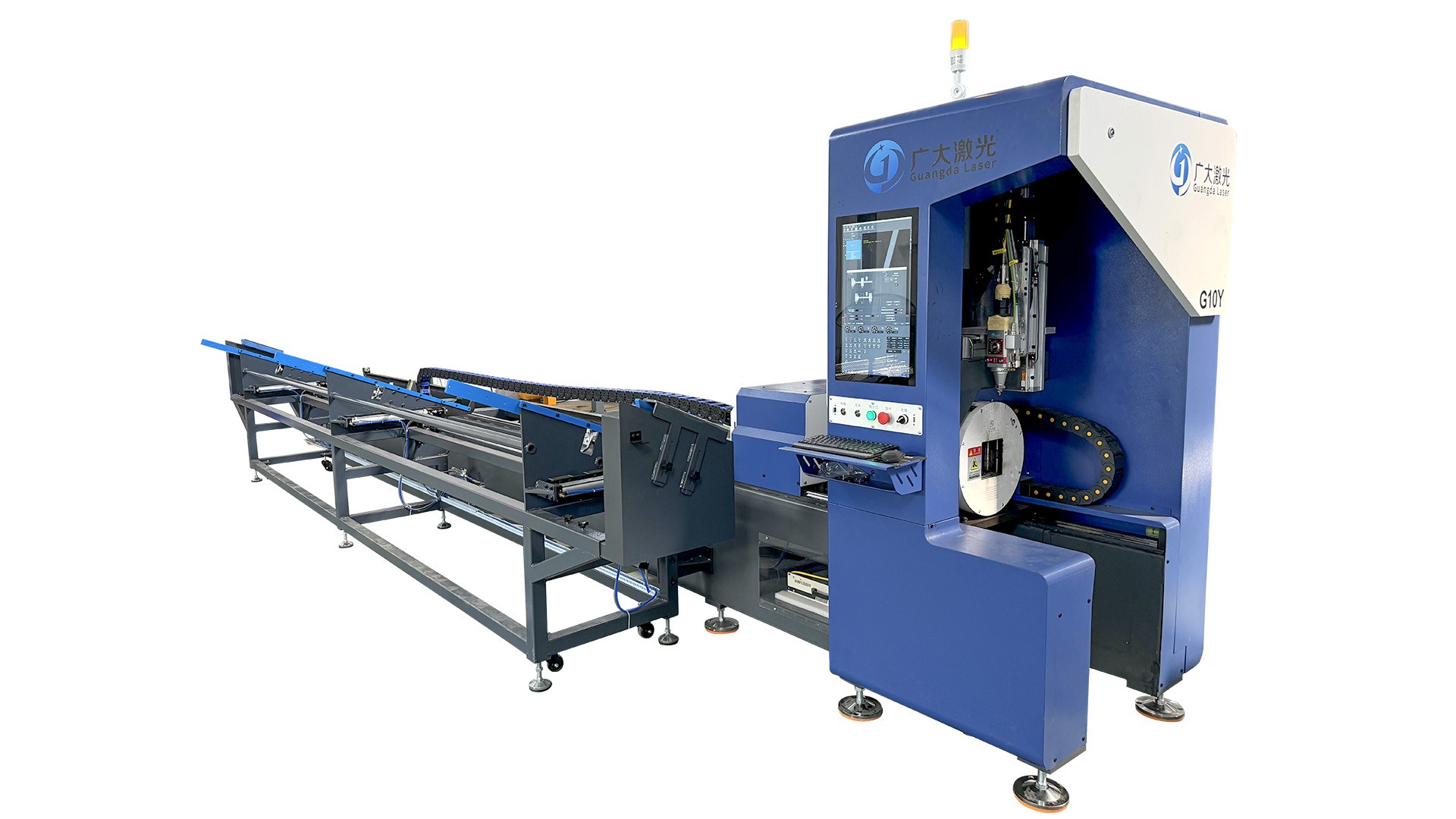
Fiber laser cutting systems represent a significant advancement in the world of laser technology, specifically designed for high-performance metal cutting. These systems utilize fiber optics to generate a focused beam of light that can cut through various materials with exceptional precision and speed. As industries continue to seek more efficient and cost-effective solutions, the popularity of fiber laser cutting machines is on the rise.
Technology Behind Fiber Lasers
At the heart of fiber laser cutting systems lies a unique technology that combines solid-state lasers with optical fibers. The process begins when a diode pump generates light, which is then directed into a fiber optic cable where it is amplified and focused into an intense beam. This innovative method allows for higher energy efficiency and better beam quality compared to traditional CO2 lasers, making these machines ideal for cutting metal.
The design of fiber lasers also enables them to maintain their performance over long distances without significant loss in power or quality. This means that even complex cuts can be achieved on sheet metal for laser cutting applications without sacrificing accuracy or speed. With advancements in cooling technologies and software integration, modern fiber laser machinery continues to push boundaries in manufacturing capabilities.
Key Applications in Manufacturing
Fiber laser cutting systems are versatile tools used across various sectors within manufacturing, including automotive, aerospace, electronics, and more. In the automotive industry, these machines excel at producing intricate components with tight tolerances while maintaining high throughput rates. Similarly, in aerospace applications, they are employed to create lightweight parts that require precise engineering.
Another notable application is in electronics manufacturing where precision cuts are crucial for creating circuit boards and other delicate components. The ability of these metal cutting machine lasers to handle diverse materials—from stainless steel to aluminum—makes them indispensable tools for manufacturers looking to innovate while keeping costs down. Overall, the adaptability of fiber lasers ensures they remain at the forefront of modern manufacturing processes.
Benefits Over Traditional Cutting Methods
When comparing fiber laser cutting systems with traditional methods, several advantages become evident that make them stand out as superior options for manufacturers today. First and foremost is their efficiency; these machines consume less energy while delivering faster processing times than conventional CO2 lasers or plasma cutters. This leads not only to reduced operational costs but also minimizes environmental impact—a win-win situation!
Moreover, the precision offered by fiber lasers translates into cleaner cuts with minimal kerf width (the width of material removed during cutting). This means less waste material and lower costs associated with post-processing tasks such as grinding or polishing edges after cutting metal sheets. Lastly, their low maintenance requirements enhance productivity by reducing downtime—an essential factor in today’s fast-paced production environments.
The Mechanics of Laser Cutting Machines
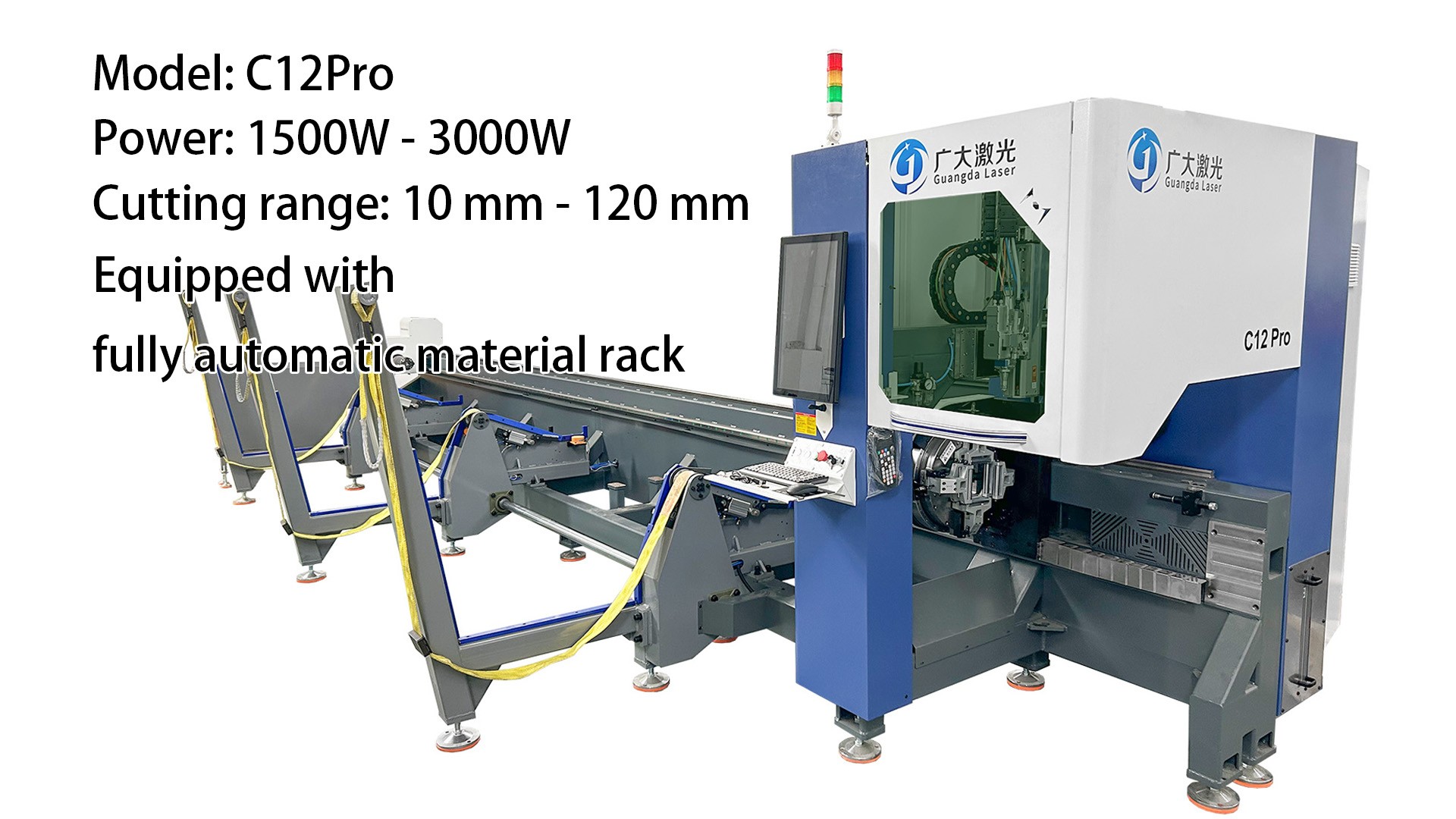
Laser cutting machines have revolutionized the manufacturing landscape, providing precision and efficiency that traditional methods often can't match. At the heart of these machines is a sophisticated technology that harnesses high-powered lasers to cut through various materials, including metals and plastics. Understanding how a laser cutting machine works is essential for anyone looking to invest in laser machinery for their operations.
How a Laser Cutting Machine Works
A laser cutting machine operates by focusing a beam of light produced by a laser onto the surface of the material being cut. This focused beam generates intense heat, melting or vaporizing the material in its path, allowing for clean and precise cuts. The process can be adjusted for different thicknesses and types of materials, making it versatile for applications ranging from intricate designs on sheet metal for laser cutting to heavy-duty metal fabrication.
The operation typically involves computer numerical control (CNC) technology, which allows operators to program specific patterns and shapes into the machine's software. This automation not only enhances precision but also significantly reduces human error during the cutting process. With fiber laser cutting systems gaining popularity, many manufacturers are making the switch due to their efficiency and reliability compared to older technologies.
Important Components of Laser Machinery
Understanding the components that make up a laser cutting machine is crucial for selecting the right model for your needs. Key components include the laser source, optics system, CNC controller, and motion system—all working together seamlessly to deliver accurate cuts.
Additionally, cooling systems play an essential role in maintaining optimal operating temperatures during prolonged use, preventing overheating that could damage sensitive components. The bed or platform where materials are placed must also be robust enough to handle various weights while ensuring stability during operation. Investing time in understanding these components will help ensure you choose a metal cutting machine laser that meets your production requirements effectively.
Choosing the Right Metal Cutting Machine Laser
First off, assess your specific needs: What types of materials will you primarily be working with? If you're focused on sheet metal for laser cutting or need precision in intricate designs, then fiber lasers may be your best bet due to their superior quality cuts.
Next up is power output; higher wattage generally means faster processing times but might come at an increased cost upfront as well as operational expenses over time due to energy consumption rates associated with high power systems. Finally, don’t overlook customer support options from manufacturers like Kiant Machinery; having reliable service can make all the difference when maintaining complex machinery such as this.
High Power Laser Systems in Action
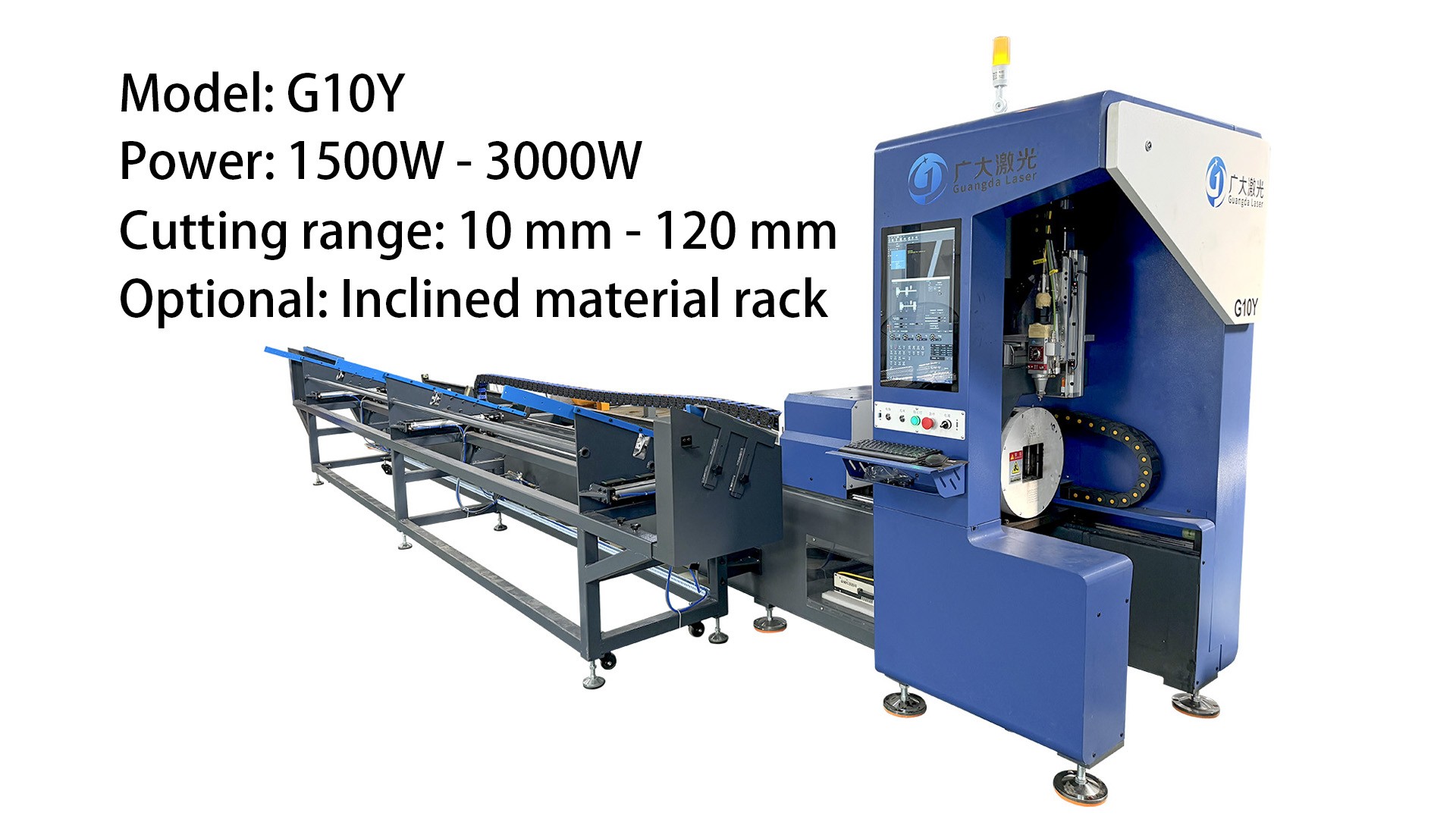
High power laser systems have revolutionized various industries by enabling precise and efficient cutting of materials. From automotive to aerospace, these advanced machines are utilized for their unmatched speed and accuracy in laser cutting. As businesses seek to enhance productivity and reduce waste, the demand for fiber laser cutting systems continues to grow.
Industries Utilizing High Power Lasers
Numerous industries are leveraging high power lasers to streamline their manufacturing processes. The automotive sector, for example, employs fiber laser cutting systems for intricate designs and lightweight components that enhance fuel efficiency. Similarly, the aerospace industry relies on laser machinery for its ability to cut through tough materials while maintaining tight tolerances essential for safety.
In addition to these sectors, the electronics industry uses high power lasers for precision micro-cutting applications, making them indispensable in producing circuit boards and other electronic components. The versatility of these machines allows them to handle various materials including metals and plastics, expanding their applications across diverse fields. Moreover, the construction industry benefits from metal cutting machine lasers when fabricating structural elements with complex geometries.
Success Stories from Leading Companies
Leading companies have reported remarkable improvements after implementing high power laser systems into their operations. For instance, a renowned automobile manufacturer increased production efficiency by 30% after integrating fiber laser cutting systems into its assembly line. This boost not only reduced operational costs but also improved product quality due to the precision offered by modern laser cutting technology.
Another success story comes from a prominent aerospace firm that adopted advanced laser machinery for its component fabrication process. By switching to a metal cutting machine laser system, they significantly reduced material waste while enhancing the speed of production cycles—allowing them to meet tight deadlines without compromising quality standards. These examples illustrate how investing in innovative technology can lead companies toward greater competitiveness and profitability.
Cost-Benefit Analysis of Implementing Laser Systems
When considering high power lasers for manufacturing needs, it’s crucial to conduct a thorough cost-benefit analysis before making an investment decision. While the initial costs associated with acquiring advanced fiber laser cutting systems may seem daunting, the long-term savings often outweigh these expenses due to increased efficiency and reduced material wastage during production runs. Additionally, lower maintenance costs compared to traditional methods make these machines an attractive option.
Moreover, businesses can expect faster return on investment (ROI) as they experience enhanced throughput rates with their new metal cutting machine lasers—leading directly to higher revenue generation opportunities over time. The ability of these machines to work with various sheet metal for laser cutting also means versatility in product offerings without requiring significant additional investments in different tools or equipment setups.
In conclusion, high power laser systems not only provide immediate advantages but also pave the way for sustainable growth within industries that embrace them wholeheartedly.
Selecting the Right Laser Machinery
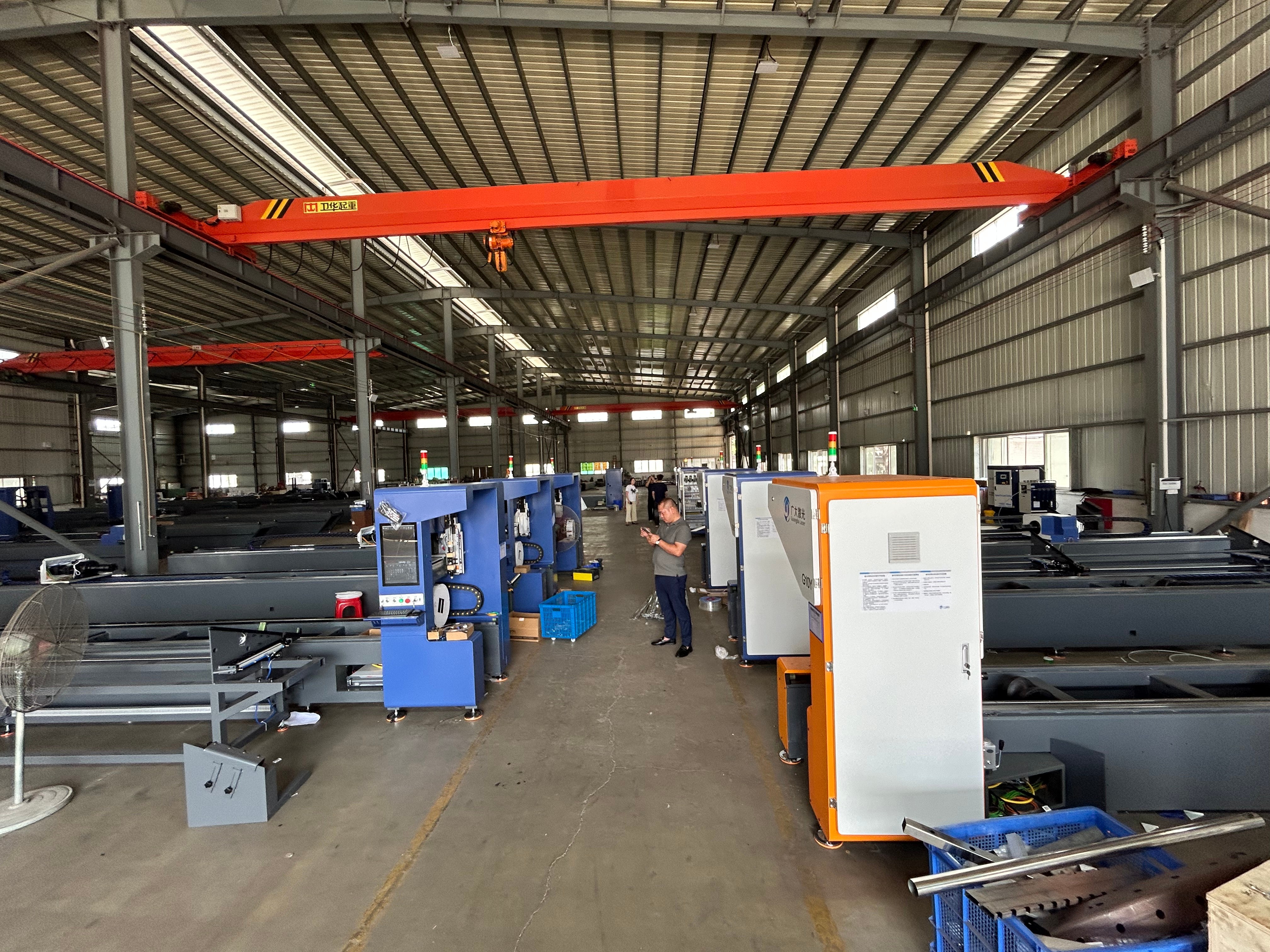
Choosing the right laser machinery can feel like navigating a maze, but with the right information, it becomes a straightforward journey. The decision hinges on understanding your specific needs, comparing different technologies, and knowing where to find reliable resources. In this section, we’ll explore key factors to consider when selecting laser cutting machines and how fiber laser cutting systems stack up against CO2 lasers.
Factors to Consider for Your Needs
When selecting a metal cutting machine laser, several factors come into play that can significantly affect your operations. First and foremost is the type of materials you'll be working with; different lasers excel at cutting various metals and thicknesses. Additionally, consider the volume of work you anticipate; high power laser systems are ideal for high-output environments while more compact models might suffice for smaller operations.
Another critical factor is precision; if you're dealing with intricate designs or high tolerances in sheet metal for laser cutting, a fiber laser may be your best bet due to its superior beam quality. Don't forget about operational costs either—energy efficiency can vary widely between models and directly impacts your bottom line over time. Lastly, think about future scalability; investing in advanced machinery that can adapt to evolving production needs is always wise.
Comparing Options: Fiber vs CO2 Lasers
Fiber lasers are known for their efficiency and speed when cutting thin sheets of metal, making them ideal for high-speed production lines. On the other hand, CO2 lasers tend to perform well on thicker materials but may require more maintenance due to their optical components.
In terms of operating costs, fiber lasers usually have lower energy consumption compared to CO2 systems—a significant consideration when evaluating long-term investments in laser machinery. Moreover, fiber lasers often require less downtime as they have fewer moving parts and no gas requirements like CO2 systems do. Ultimately, your choice should align with your specific manufacturing goals—whether it's speed or versatility—that will shape how you utilize these powerful tools.
Kiant Machinery: Your Go-To Resource
For those navigating the world of industrial laser machines, Kiant Machinery stands out as an invaluable resource tailored specifically for your needs in laser cutting technology. With a diverse range of options including both fiber and CO2 lasers available at competitive prices, they simplify the selection process without compromising quality or performance standards. Their knowledgeable team is ready to assist you in assessing your requirements so you can make informed decisions about which metal cutting machine laser will best suit your business.
Kiant Machinery also emphasizes customer support post-purchase—ensuring you're not just left with equipment but also equipped with knowledge on how best to operate it efficiently over time. With ongoing training sessions and workshops focused on emerging trends in laser technology, you’ll stay ahead of industry advancements while optimizing productivity within your operations using state-of-the-art solutions like fiber laser cutting systems or traditional methods if necessary.
Innovations in Laser Technology
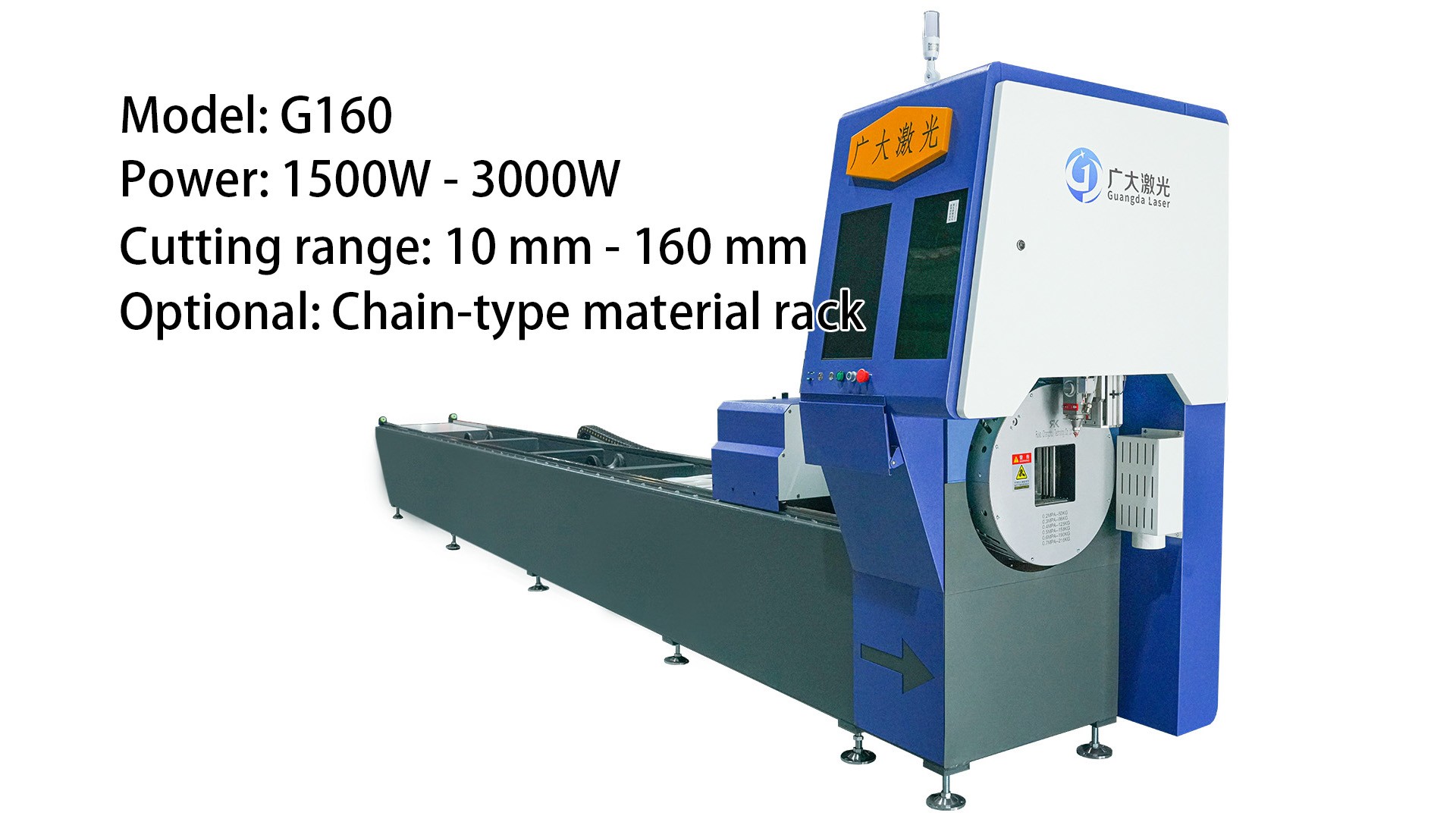
The world of laser technology is rapidly evolving, bringing forth exciting innovations that are reshaping the landscape of manufacturing. Fiber laser cutting systems are at the forefront of this transformation, offering enhanced precision and efficiency for metal cutting applications. As industries continue to embrace these advancements, the future looks brighter than ever for laser cutting machinery.
Emerging Trends in Laser Cutting
One of the most notable emerging trends in laser cutting is the integration of automation and artificial intelligence into laser machinery. These technologies not only streamline operations but also enhance accuracy, allowing for more complex designs with minimal human intervention. Additionally, advancements in fiber laser cutting systems have led to improved energy efficiency and reduced operational costs, making them increasingly attractive for manufacturers looking to optimize their processes.
Another trend gaining traction is the development of hybrid machines that combine traditional machining methods with advanced laser technology. This fusion allows manufacturers to leverage the strengths of both approaches, resulting in greater versatility when working with various materials and thicknesses of sheet metal for laser cutting. Furthermore, innovations like real-time monitoring systems ensure quality control throughout production runs, minimizing waste and maximizing output.
Future Outlook for Laser Cutting Machines
Looking ahead, the future of laser cutting machines appears promising as technology continues to advance at an unprecedented pace. With ongoing research into higher power outputs and faster processing speeds, fiber laser cutting systems will likely become even more capable in handling thicker materials while maintaining exceptional cut quality. Moreover, as industries demand greater customization and shorter lead times, manufacturers will increasingly rely on agile metal cutting machine lasers equipped with advanced programming capabilities.
Sustainability will also play a pivotal role in shaping the future landscape of laser technology. As environmental regulations tighten globally, there will be a growing emphasis on developing eco-friendly practices within manufacturing processes—fiber lasers are inherently more efficient than traditional methods due to their lower energy consumption and reduced material waste during operation.
Impact of Technology on Sheet Metal for Laser Cutting
The impact of technological advancements on sheet metal for laser cutting cannot be overstated; innovations are enabling unparalleled precision and speed in processing various types of metals. Modern fiber lasers can effortlessly cut through thick sheets while delivering clean edges that often require little or no post-processing work—a significant advantage over older techniques that may leave rough finishes or necessitate additional machining steps.
Moreover, advanced software solutions now allow designers to create intricate geometries that were once impossible or prohibitively expensive using conventional methods. This capability opens up new possibilities for product design and innovation across numerous industries—from automotive components to intricate architectural features—ultimately driving competitiveness among manufacturers who adopt these modern approaches.
As we embrace these innovations in fiber laser cutting systems and associated technologies, it’s clear they will continue transforming how we approach metal fabrication today—and well into tomorrow's manufacturing landscape.
Conclusion
In the world of manufacturing, laser cutting solutions have emerged as a game changer, offering unmatched efficiency and precision. The ability to cut through various materials with minimal waste makes fiber laser cutting systems an attractive option for businesses looking to enhance productivity. Whether it’s for intricate designs or large-scale production, the versatility of laser machinery is undeniable.
The Efficiency of Laser Cutting Solutions
Laser cutting technology has transformed how industries approach metal fabrication. With fiber laser cutting systems, businesses can achieve high-speed cuts with exceptional accuracy, reducing the time and resources spent on traditional methods. This efficiency not only streamlines production processes but also lowers operational costs associated with metal cutting machine lasers.
Moreover, the precision offered by these laser cutting machines means that less material is wasted during the process, making it an environmentally friendly choice as well. By utilizing advanced technology in sheet metal for laser cutting, manufacturers can produce complex shapes and designs that were once impossible or too costly to achieve. Overall, the efficiency of these solutions positions them as a cornerstone of modern manufacturing practices.
Investing in Advanced Laser Machinery
Investing in advanced laser machinery is a strategic move for any business aiming to stay competitive in today’s fast-paced market. High power laser systems deliver not just speed but also durability and reliability—qualities that are essential for maintaining high production standards over time. Fiber laser cutting systems represent a significant advancement over traditional methods, ensuring that your investment pays off in both performance and longevity.
As industries continue to evolve, those who adopt state-of-the-art technologies will find themselves at an advantage. The initial cost may seem substantial; however, when you consider savings from reduced material waste and lower labor costs due to automation, it becomes clear that investing in a quality metal cutting machine laser is a wise decision for future growth. Ultimately, businesses equipped with advanced machinery will be better positioned to meet customer demands efficiently.
How Kiant Machinery Supports Your Growth
Kiant Machinery stands out as a leader in providing innovative solutions tailored to meet your specific needs within the realm of fiber laser cutting systems and beyond. With their extensive range of products designed for optimal performance and reliability, they help customers make informed decisions about their investments in laser machinery. Their commitment doesn’t end at sales; Kiant Machinery offers comprehensive support services ensuring that you get the most out of your equipment.
From initial consultation to ongoing maintenance support, Kiant Machinery partners with clients every step of the way on their journey towards enhanced productivity through effective use of advanced technologies like fiber lasers and CO2 lasers alike. Their team’s expertise ensures you’re not just purchasing equipment but investing in long-term success tailored specifically for your operations involving sheet metal for laser cutting applications. Trusting Kiant Machinery means equipping your business with tools designed not only for today but also for tomorrow's challenges.