
Introduction
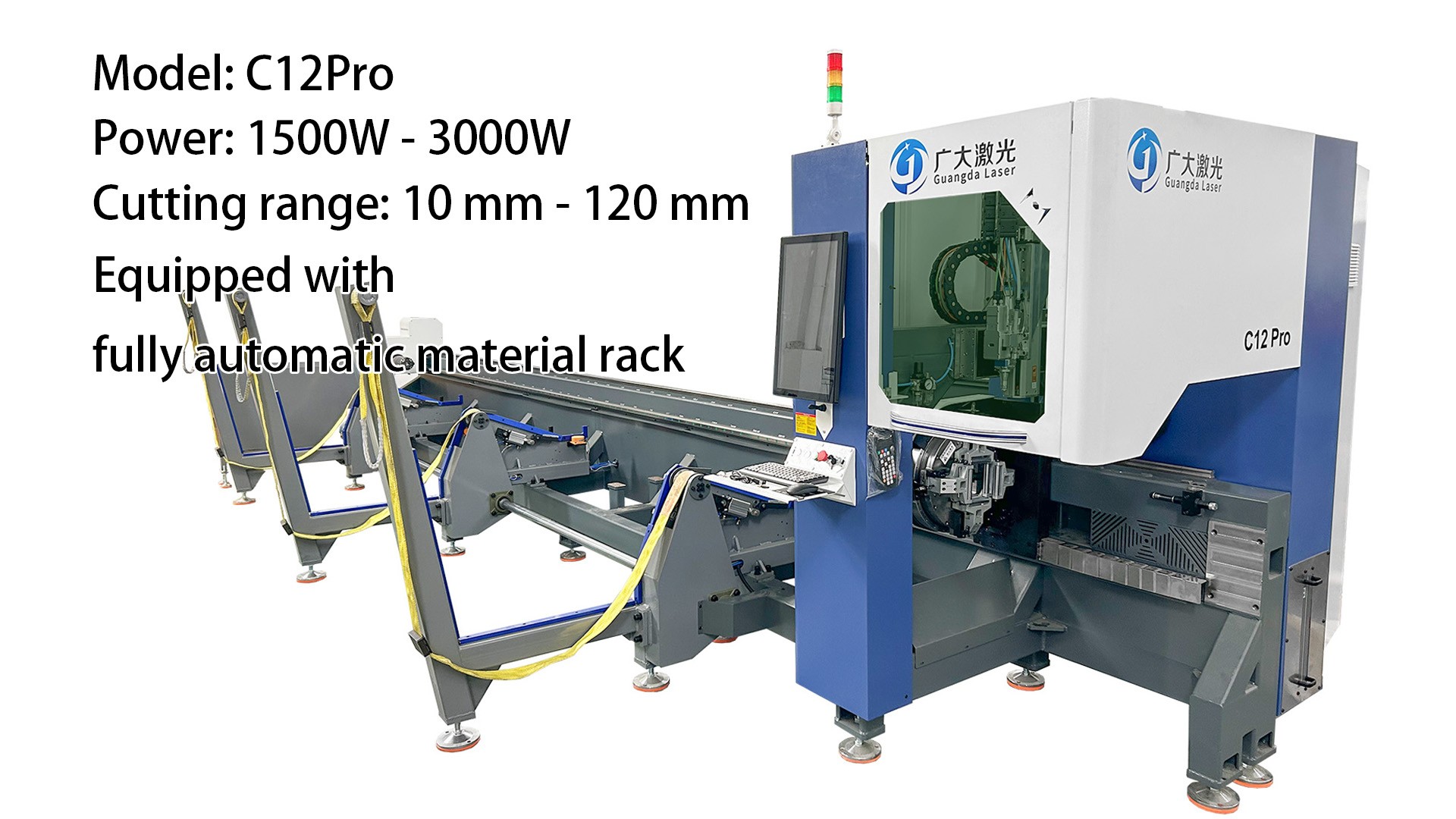
In the world of manufacturing, precision and efficiency are paramount, and the metal tube laser cutting machine stands at the forefront of this technological revolution. Laser cutting has transformed traditional methods of metal processing, allowing for intricate designs and flawless finishes that were once unimaginable. As industries continue to evolve, understanding the capabilities and advantages of laser cutting technology becomes essential for staying competitive.
Understanding Metal Tube Laser Cutting
Metal tube laser cutting involves using a focused beam of light to slice through various types of metal tubes with unparalleled accuracy. This method utilizes advanced laser machinery that can handle a range of materials, from stainless steel to aluminum, making it versatile for different applications. The precision offered by a cutting machine laser not only enhances the quality of machine cut metal but also significantly reduces production time.
Benefits of Laser Pipe Cutting Machines
One of the standout benefits of laser pipe cutting machines is their ability to deliver exceptional precision while minimizing material waste. Unlike traditional cutting methods that often leave behind rough edges or require extensive finishing work, laser cutting ensures clean cuts right from the start. Additionally, these machines offer cost efficiency by reducing labor costs and maximizing material usage—an attractive proposition for any manufacturer looking to improve their bottom line.
Applications in Various Industries
The applications for metal tube laser cutting are vast and varied across multiple industries including automotive, aerospace, construction, and furniture design. In automotive manufacturing, for instance, precise cuts in tubing are crucial for creating lightweight yet strong components that enhance vehicle performance. Similarly, in furniture design, intricate patterns can be achieved through sophisticated designs made possible by advanced laser technology—showcasing just how integral this technology has become in modern manufacturing processes.
Overview of Metal Tube Laser Cutting Machines
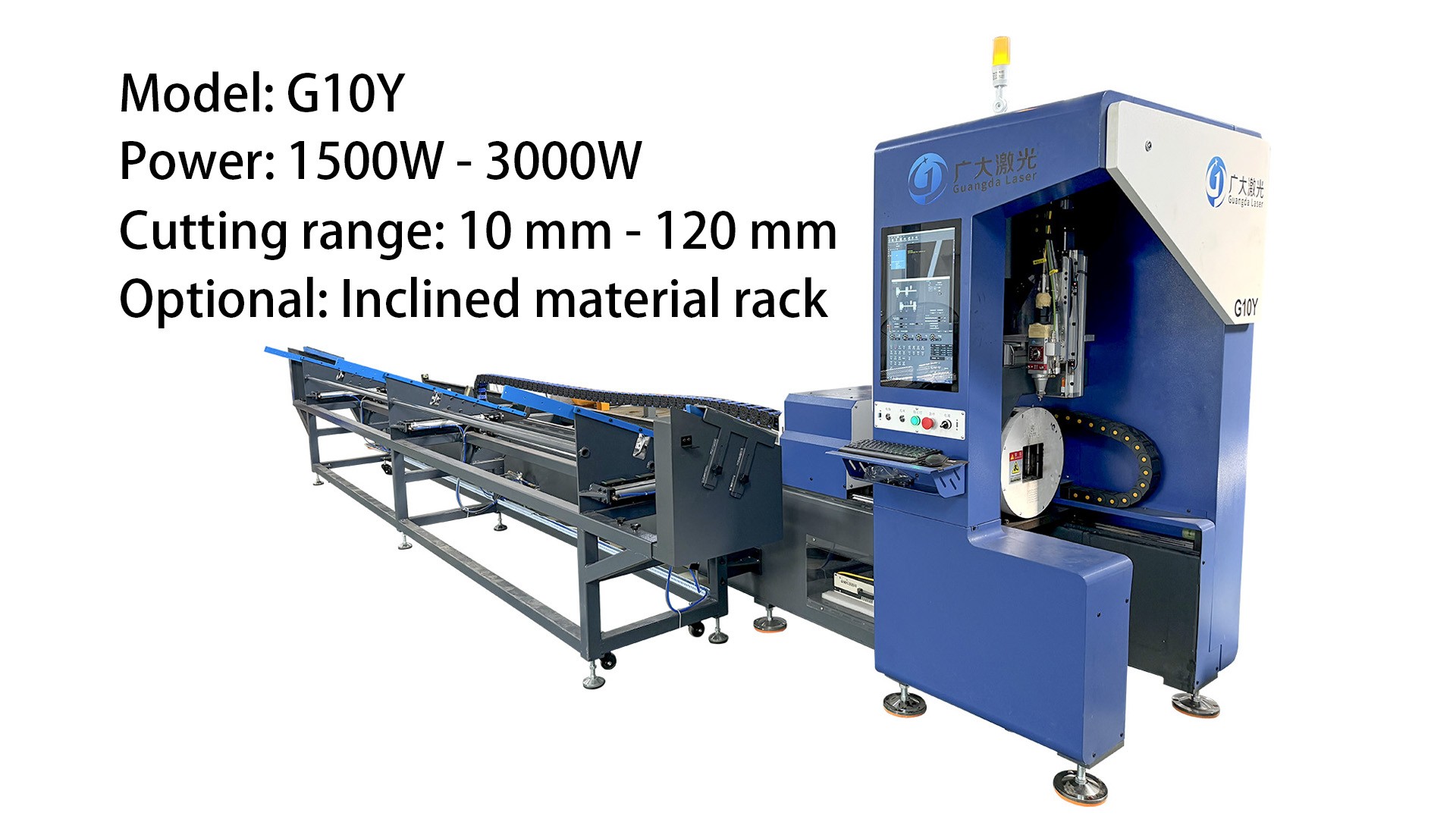
Metal tube laser cutting machines have revolutionized the way industries approach metal fabrication. These advanced machines utilize focused laser beams to cut through various types of metals with incredible precision and speed. Understanding how they work and their key features can help businesses decide if a cutting machine laser is right for their operations.
How They Work
At the heart of a metal tube laser cutting machine is a high-powered laser that generates an intense beam of light, which is then directed onto the metal surface. The concentrated heat melts or vaporizes the material, allowing for clean and accurate cuts along intricate designs and patterns. This process not only enhances efficiency but also minimizes the need for extensive post-processing, making it an attractive option for manufacturers seeking quality results.
The operation begins with a computer-controlled system that guides the cutting head along predefined paths, ensuring precise execution of complex shapes. The ability to adjust settings such as speed and power allows operators to customize cuts based on specific project requirements. Overall, this seamless integration of technology makes laser cutting machines a go-to choice for many industrial applications.
Key Features and Technologies
Metal tube laser cutting machinery is equipped with several innovative features that set it apart from traditional methods. One notable feature is its ability to handle various materials—steel, aluminum, brass—each requiring different settings for optimal results. Additionally, these machines often come with advanced software that allows users to create detailed designs and simulate cuts before actual production begins.
Another key technology in modern laser cutting machines includes fiber lasers, which are known for their energy efficiency and lower operational costs compared to older CO2 lasers. Fiber lasers also provide higher beam quality, resulting in finer cuts with reduced heat-affected zones on the material being processed. Furthermore, automation technologies enhance productivity by reducing manual intervention during operation.
Comparison with Traditional Cutting Methods
When comparing metal tube laser cutting machines to traditional methods like plasma or mechanical cutting techniques, several advantages become apparent. Traditional methods often involve slower speeds and produce more waste due to less precise cuts; however, a machine cut metal using lasers can achieve tighter tolerances while minimizing scrap material significantly.
Moreover, while traditional processes may require additional finishing steps due to rough edges or burrs left behind after cutting, laser-cut edges are typically smooth right off the machine—saving time and labor costs in subsequent processing stages. In terms of versatility as well, a cutting machine laser easily adapts to different materials without significant changes in setup or tooling compared to conventional methods.
Advantages of Using Laser Cutting Machines
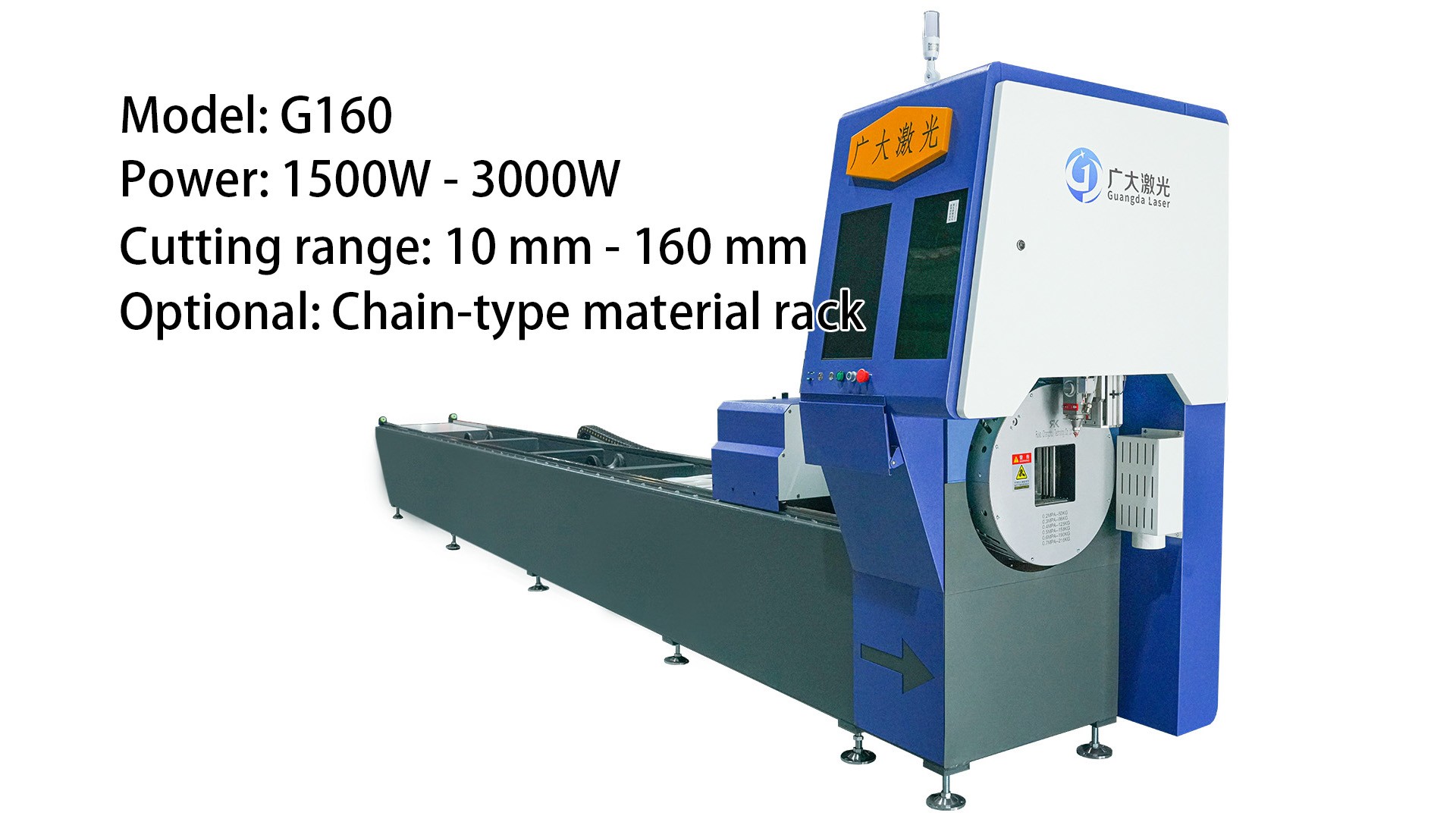
Precision and Accuracy
One of the standout features of laser cutting technology is its unparalleled precision and accuracy. A laser cutting machine can achieve intricate designs that traditional methods often struggle with, making it ideal for complex projects. This level of detail not only enhances the quality of machine cut metal but also reduces the likelihood of costly errors during production.
The ability to maintain tight tolerances means that manufacturers can produce components that fit together seamlessly, which is crucial in applications where every millimeter counts. Whether it's in automotive parts or aerospace components, a metal tube laser cutting machine ensures that each piece is crafted with meticulous care. Ultimately, this precision leads to improved product performance and customer satisfaction.
Reduced Waste and Cost Efficiency
In an era where sustainability is paramount, reduced waste is one of the most compelling advantages of using a cutting machine laser. Laser machinery operates with remarkable efficiency, allowing for cleaner cuts that minimize scrap material during production runs. This translates into significant cost savings over time as fewer resources are wasted.
Moreover, the energy consumption associated with laser cutting machines tends to be lower than traditional methods, further enhancing cost efficiency for businesses looking to optimize their operations. By investing in a metal cutting machine that prioritizes waste reduction and energy efficiency, companies position themselves as environmentally conscious while enjoying better profit margins. It's a win-win situation!
Versatility in Material Types
Laser cutting technology offers exceptional versatility when it comes to material types—an essential feature for any manufacturer looking to diversify their offerings. From metals like steel and aluminum to plastics and even wood, a laser cutting machine can handle various materials without compromising on quality or speed. This adaptability allows businesses to explore new markets and respond quickly to changing customer demands.
Additionally, different types of lasers can be used depending on the material being cut; this flexibility makes it easier for manufacturers to switch between projects without needing extensive retooling or adjustments on their equipment. As industries evolve, having access to versatile solutions like a metal tube laser cutting machine becomes increasingly valuable for staying competitive in today's fast-paced market landscape.
Kiant Machinery: A Leader in Laser Cutting Solutions
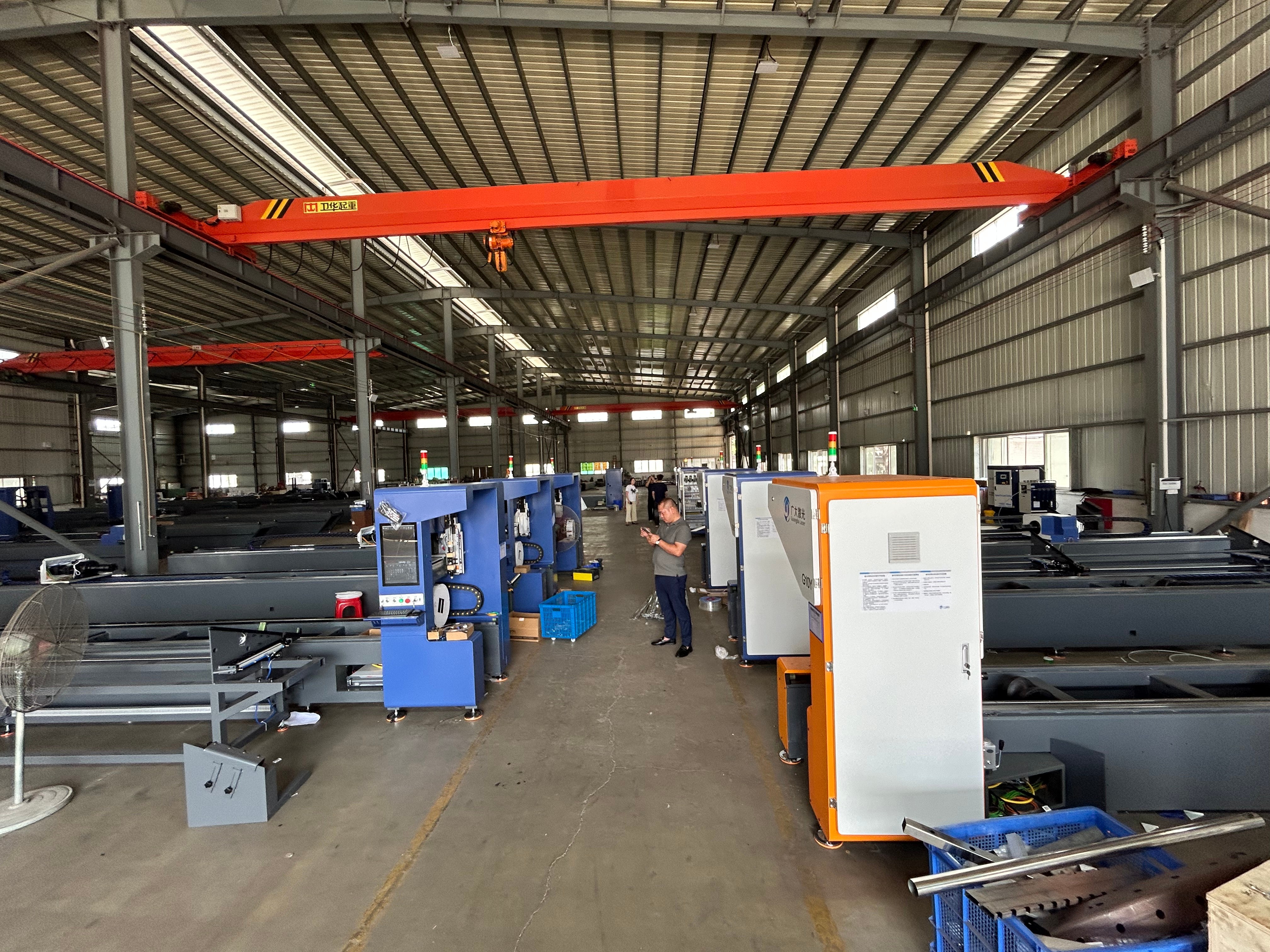
Kiant Machinery has established itself as a frontrunner in the realm of laser cutting solutions, particularly with its innovative metal tube laser cutting machines. These machines leverage state-of-the-art technology to deliver unparalleled precision and efficiency in metal cutting processes. By continuously investing in research and development, Kiant ensures that its laser machinery remains at the forefront of industry advancements.
Innovative Technology and Machinery
At the heart of Kiant's offerings is their advanced laser cutting technology, which sets a new standard for metal cutting machines. The integration of high-powered lasers allows for intricate designs and machine cut metal that traditional methods simply cannot achieve. With features such as automated adjustments and real-time monitoring, these cutting machines are designed to optimize performance while minimizing downtime.
Moreover, Kiant's commitment to innovation means they are constantly refining their equipment to incorporate the latest advancements in laser technology. This focus on improvement not only enhances the capabilities of their laser cutting machines but also ensures that customers receive reliable and efficient solutions tailored to their specific needs. Ultimately, this innovative approach positions Kiant Machinery as a leader in providing top-tier cutting laser metal solutions.
Customized Solutions for Different Industries
Whether it's automotive, aerospace, or construction, their team collaborates closely with clients to develop a metal tube laser cutting machine that meets precise specifications and operational demands. This flexibility enables businesses across various industries to leverage the benefits of advanced laser technology effectively.
Additionally, Kiant’s expertise extends beyond mere manufacturing; they provide insights into optimizing production workflows with their cutting machine lasers. By understanding industry-specific challenges and requirements, Kiant can deliver bespoke machinery designed not just for today’s needs but also adaptable for future developments in metal processing technologies. This level of customization helps clients maximize productivity while ensuring high-quality outcomes from every machine cut metal project.
Comprehensive Support Services
Beyond providing high-quality equipment, Kiant Machinery places significant emphasis on offering comprehensive support services throughout the lifecycle of their products. From initial consultation through installation and ongoing maintenance, customers can expect dedicated assistance tailored to ensure optimal performance from their metal tube laser cutting machine. This commitment extends well beyond the sale; it fosters long-term partnerships built on trust and reliability.
Kiant's support team is well-versed in troubleshooting common issues associated with laser machinery operations and offers timely solutions that minimize disruptions in production schedules. Furthermore, they provide training sessions designed to empower operators with the skills needed to maximize efficiency when using these sophisticated tools effectively—because what's a great machine without knowledgeable users? With this level of support services combined with top-notch machinery, clients can confidently invest in Kiant’s products knowing they’re backed by exceptional service every step of the way.
Choosing the Right Laser Cutting Machine
Factors to Consider
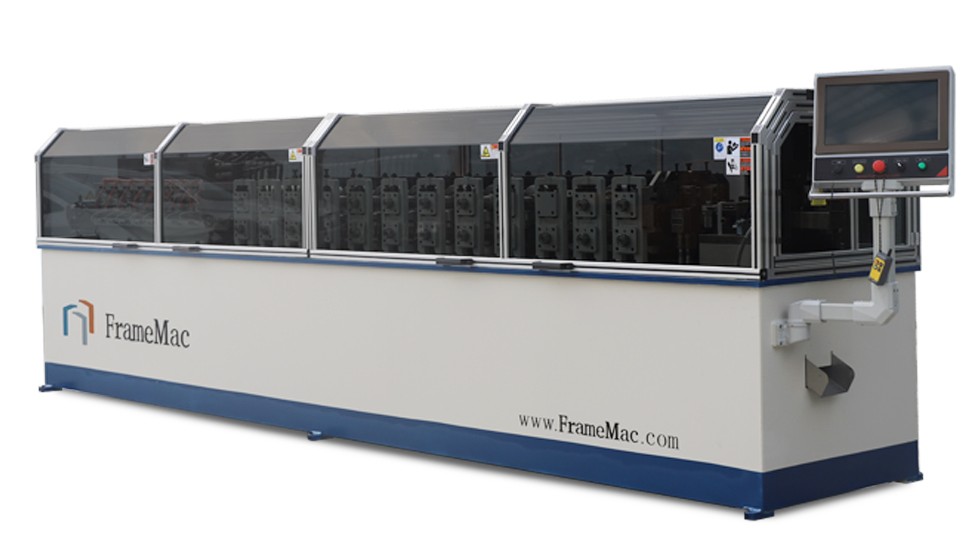
When choosing a metal cutting machine, consider factors such as power, speed, and material compatibility. The power of the laser directly affects its cutting capabilities; higher wattage machines can handle thicker materials with ease. Additionally, speed is vital for maintaining productivity in high-demand environments—after all, nobody wants to be waiting around while their cutting laser metal is taking its sweet time.
Another factor is the type of materials you intend to cut. Some laser cutting machines excel at specific metals like stainless steel or aluminum while others may offer versatility across various materials. It's essential to ensure that your chosen machine can handle all types of materials you plan on using.
Evaluating Your Specific Needs
Understanding your unique business needs will guide you toward the perfect cutting machine laser for your operations. Are you focusing on high-volume production or one-off projects? High-speed machines might be ideal for mass production scenarios, while more versatile models could serve well in custom fabrication jobs.
Additionally, consider the size and complexity of the components you'll be working with. A compact machine might suffice for smaller projects but investing in a larger model could prove beneficial if you're tackling bigger jobs that require precision and accuracy in every cut. Always align your choice with both current and anticipated future needs.
Importance of After-Sales Support
After-sales support can make or break your experience with any piece of machinery—including a metal tube laser cutting machine. A solid warranty and responsive customer service are essential features to look out for when making your purchase decision; after all, things don’t always go according to plan in manufacturing!
Consider whether the manufacturer offers training services for operating their equipment effectively; this can significantly reduce downtime caused by operator error or unfamiliarity with advanced features of modern laser machinery. Furthermore, having access to technical support ensures that any issues are swiftly addressed without derailing production schedules.
In conclusion, choosing the right laser cutting machine involves careful consideration of multiple factors tailored to your specific operational needs and an emphasis on reliable after-sales support that keeps everything running smoothly.
Future Trends in Laser Cutting Technology
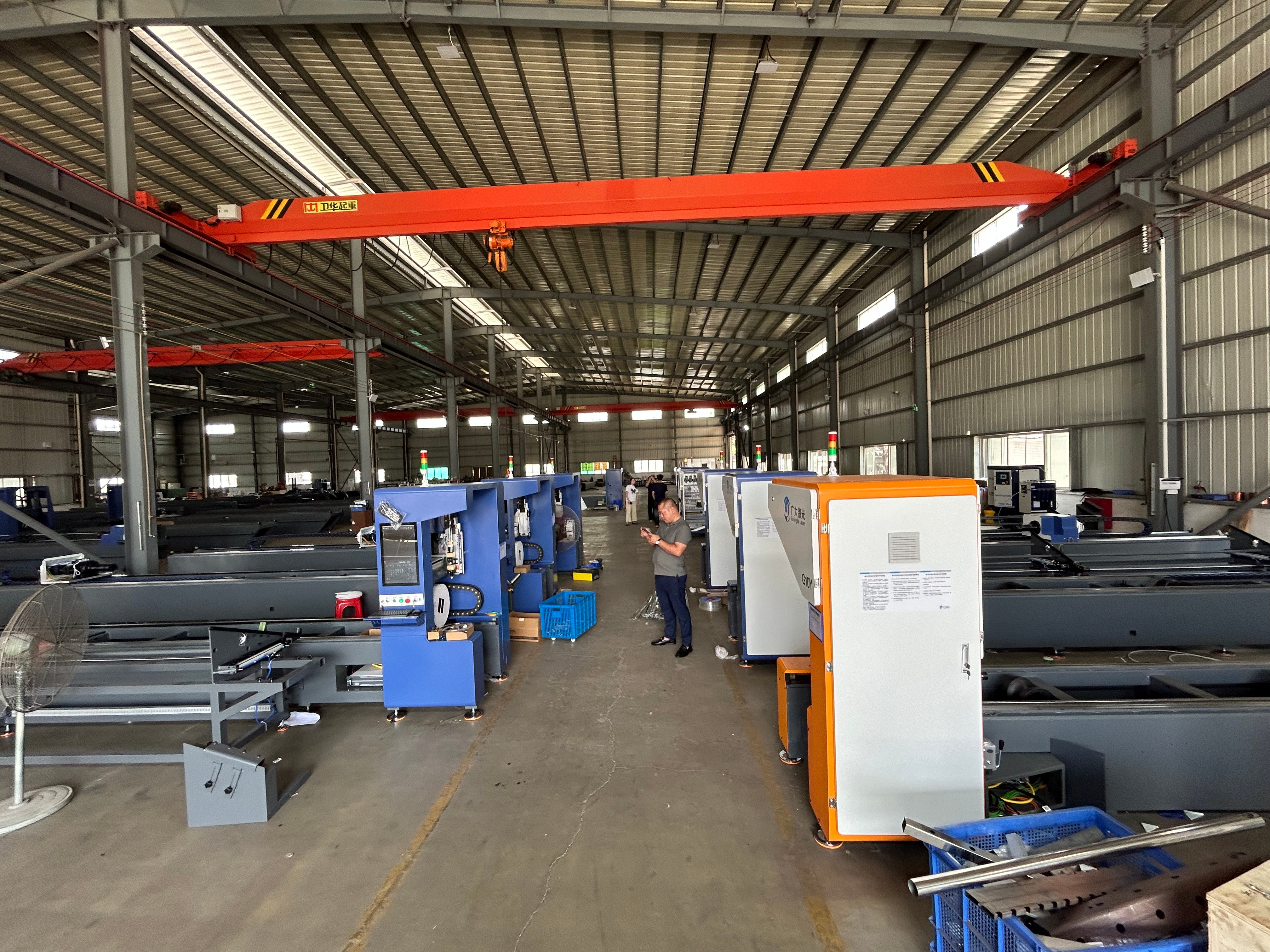
The future of laser cutting technology is poised for remarkable transformation, driven by advancements in metal cutting machines that enhance efficiency and precision. As industries continue to demand faster production times and higher quality outputs, the evolution of these cutting-edge technologies will play a crucial role. The integration of innovative features in metal tube laser cutting machines promises to redefine manufacturing processes across various sectors.
Advancements in Metal Cutting Machines
Recent advancements in metal cutting machines are not just about speed; they also focus on enhancing precision and versatility. Newer models of laser cutting machines incorporate advanced optics and beam control technologies, allowing for finer cuts with minimal heat-affected zones. This results in cleaner edges on machine cut metal products, which is particularly important for applications requiring high aesthetic standards or tight tolerances.
Moreover, the development of hybrid systems that combine traditional machining with laser technology is gaining traction. These cutting machine lasers can handle complex geometries that were previously challenging or impossible with conventional methods, broadening the scope of what manufacturers can achieve with their laser machinery.
Integration of AI and Automation
The integration of AI and automation into laser cutting processes marks a significant leap forward for the industry. By utilizing intelligent algorithms, modern laser cutting machines can optimize their operations by adjusting parameters such as speed and power based on real-time feedback from sensors. This level of automation not only boosts productivity but also enhances the accuracy of cuts made by the metal tube laser cutting machine.
Furthermore, AI-driven predictive maintenance systems are emerging as essential tools for manufacturers looking to minimize downtime. These systems analyze data from the cutting machine lasers to predict when maintenance should be performed, ensuring that operations run smoothly without unexpected interruptions—a win-win scenario for efficiency and cost management.
The Shift Towards Eco-Friendly Practices
As environmental concerns continue to rise globally, there's a noticeable shift towards eco-friendly practices within the realm of laser cutting technology. Manufacturers are increasingly adopting sustainable materials and processes that reduce waste during production runs involving machine cut metal components. Laser machinery's inherent precision allows for more efficient use of raw materials compared to traditional methods, leading to less scrap generation.
In addition to material efficiency, many companies are exploring ways to power their laser cutting machines using renewable energy sources like solar or wind power. This transition not only reduces carbon footprints but also aligns with consumer expectations for sustainability—making it a key consideration when investing in new metal tube laser cutting machines.
Conclusion
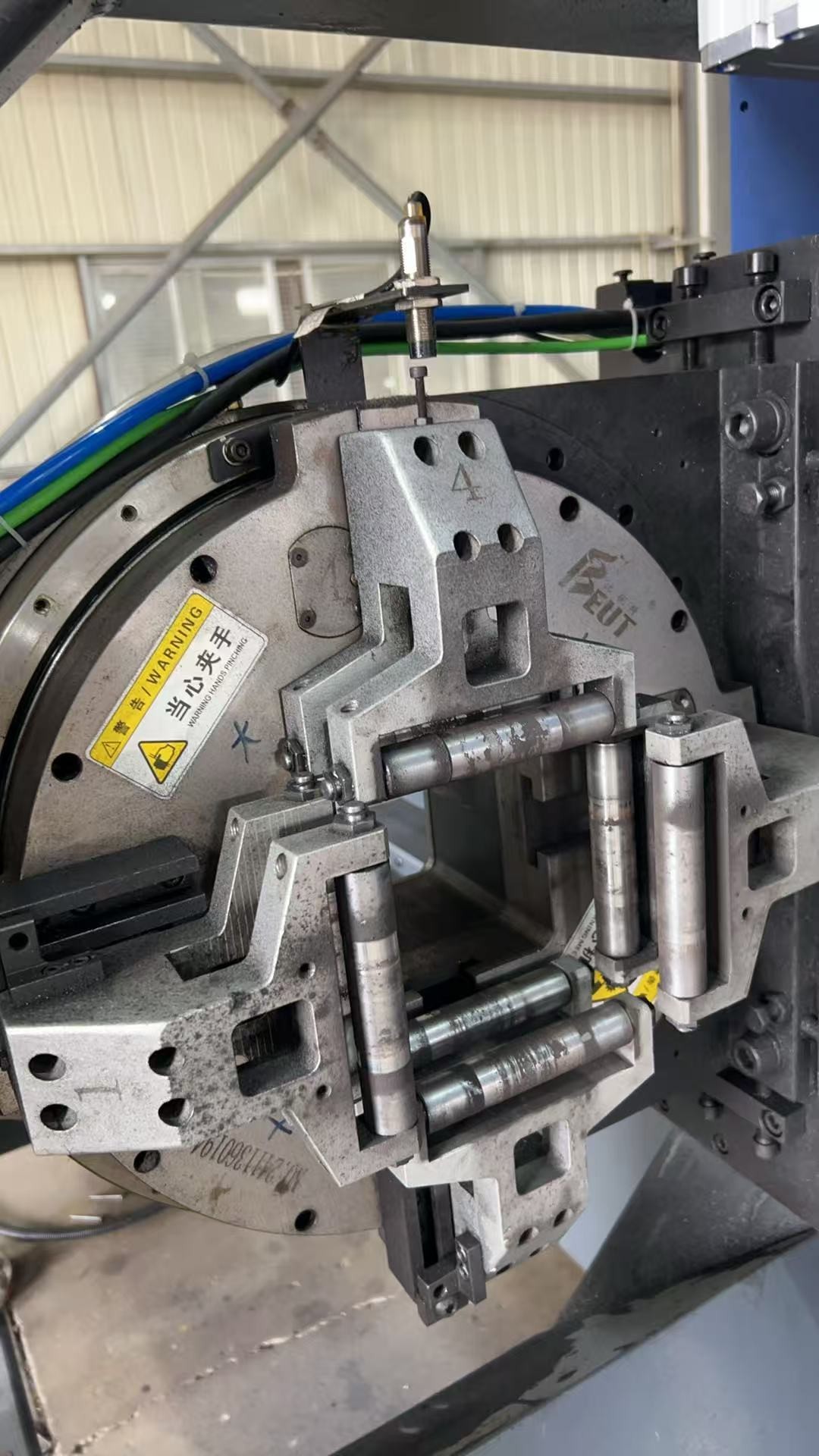
In the ever-evolving landscape of manufacturing, the impact of laser cutting technology cannot be overstated. The advent of the metal tube laser cutting machine has revolutionized how industries approach metal fabrication, providing unmatched precision and efficiency. As businesses continue to embrace this technology, they are not only enhancing productivity but also setting new standards for quality in machine cut metal applications.
The Impact of Laser Cutting on Manufacturing
Laser cutting has transformed traditional manufacturing processes by introducing a level of accuracy that was previously unattainable. With the ability to cut through various materials with minimal waste, metal cutting machines have become indispensable in modern production lines. This shift towards advanced laser machinery allows manufacturers to streamline operations and reduce costs while maintaining high-quality standards.
Enhancing Design Capabilities with Machine Cut Metal
The versatility offered by laser cutting machines enables designers and engineers to push the boundaries of creativity in their projects. With precise cuts and intricate designs achievable through a cutting machine laser, the possibilities for machine cut metal applications are virtually limitless. This capability not only enhances aesthetic appeal but also improves functionality in various products across different industries.
Investing in the Future of Laser Machinery
As we look ahead, investing in advanced laser cutting technology is essential for staying competitive in today's market. Companies that adopt innovative solutions like the metal tube laser cutting machine position themselves as leaders within their sectors, ready to tackle future challenges head-on. By prioritizing advancements in laser machinery, businesses can ensure they are equipped for sustainable growth and continued success.