
Introduction
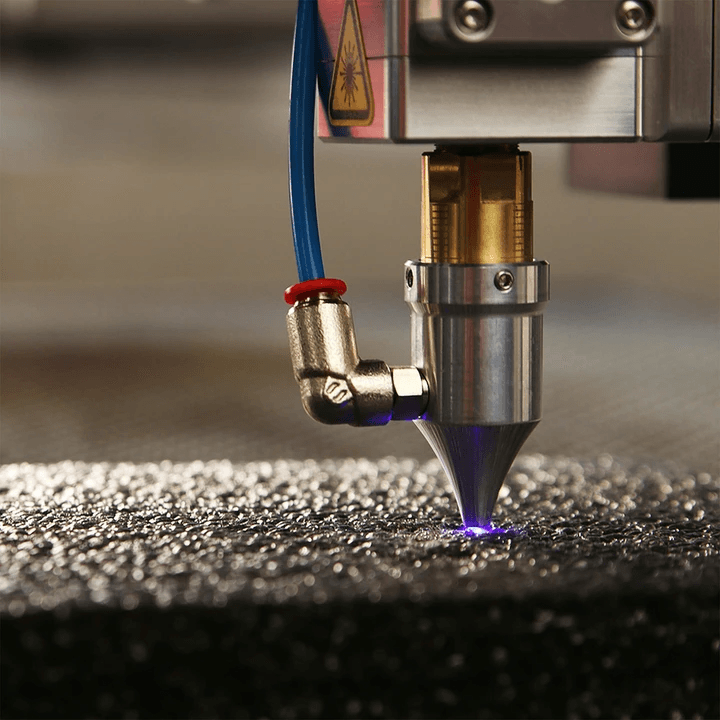
In the realm of manufacturing, the laser cutting machine metal has revolutionized how we approach precision and efficiency in metal fabrication. This advanced technology utilizes focused laser beams to cut through various metals with unparalleled accuracy, making it an essential tool for industries ranging from automotive to aerospace. Understanding the intricacies of laser cutting is crucial for anyone looking to optimize their metal cutting processes.
Understanding Laser Cutting Machine Metal
Laser cutting machines operate by directing a high-powered laser beam onto the material, melting or vaporizing it to create precise cuts. The versatility of these machines allows them to handle a wide range of metals, including stainless steel, aluminum, and brass. By grasping how these machines work and what they can achieve, businesses can significantly enhance their production capabilities.
Importance of Optimization for Best Results
Properly adjusting settings such as speed and power can lead to cleaner cuts and reduced waste material, ultimately saving time and costs. In a competitive market where precision is paramount, optimizing your cutting machine laser operations can set you apart from the rest.
Overview of Laser Cutting Techniques
There are several techniques within the realm of laser cutting that cater to different materials and thicknesses—each offering unique advantages depending on project requirements. From CO2 lasers known for their versatility with non-metal materials to fiber lasers that excel in high-speed metal applications, understanding these options helps in selecting the right tool for any job. Familiarity with various techniques not only enhances efficiency but also ensures high-quality results in every machine cut metal project.
Selecting the Right Laser Cutting Machine
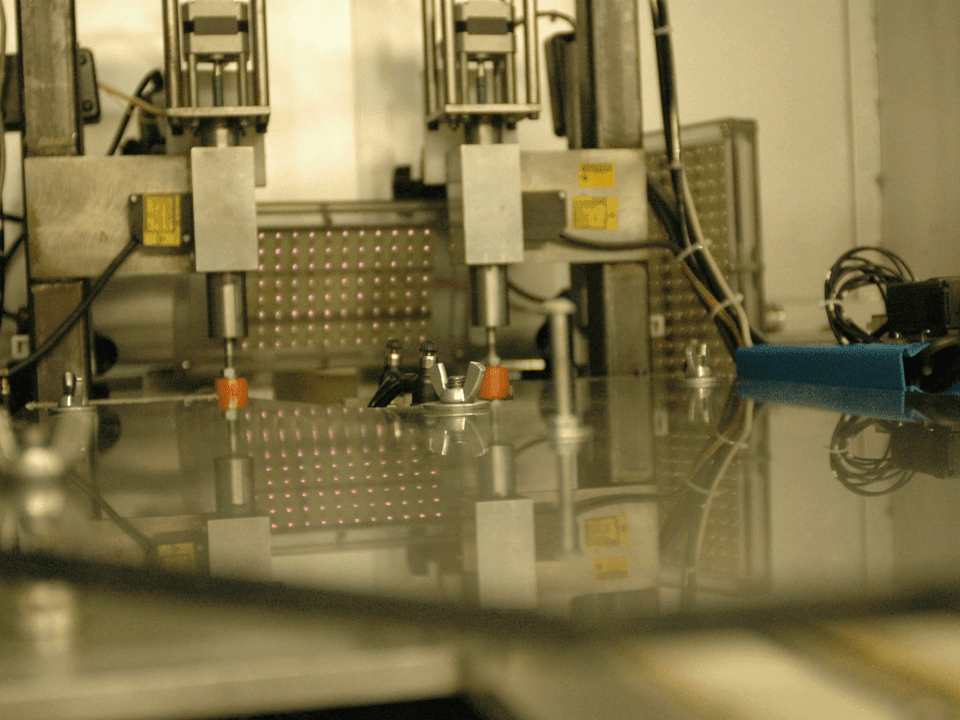
Choosing the right laser cutting machine metal is crucial for achieving optimal results in your projects. With various options available, understanding the differences in technology, power, and speed can significantly impact your metal cutting efficiency. This section will guide you through the essential factors to consider when selecting a machine that fits your needs.
Comparing Laser Technologies
When it comes to laser cutting, the two primary technologies are CO2 and fiber lasers. CO2 lasers utilize a gas mixture to produce a high-quality beam, making them ideal for cutting non-metal materials as well as metals. On the other hand, fiber lasers employ solid-state technology that delivers higher efficiency and faster processing speeds, especially when working with reflective metals like aluminum and copper.
Each technology has its unique advantages; while CO2 lasers are often more cost-effective upfront, fiber lasers tend to have lower operating costs due to their energy efficiency. Additionally, fiber laser machinery is known for its longevity and reduced maintenance needs compared to traditional CO2 setups. Ultimately, understanding these technological differences will help you choose a metal machine cutter tailored to your specific requirements.
Evaluating Power and Speed
Power and speed are critical factors that directly influence the performance of your industrial metal cutting machine. The power output of a laser cutter determines how thick materials can be cut effectively; higher wattage allows for deeper cuts in thicker metals while maintaining quality edges. However, it's essential to balance power with speed since excessive power can lead to burn marks or warping on sensitive materials.
Speed is equally important as it affects production efficiency; faster cutting times can lead to increased throughput but may compromise precision if not managed correctly. Therefore, evaluating both aspects ensures you select a cutting machine laser that meets both quality standards and productivity goals without sacrificing one for the other. Finding this sweet spot will ultimately enhance your overall metal cutting experience.
Choosing Between CO2 and Fiber Laser
Deciding between CO2 and fiber laser systems boils down to specific applications and material types you'll be working with most frequently in your projects. For instance, if you're primarily focused on non-metal materials or thin sheets of certain metals like mild steel or stainless steel, a CO2 laser might serve you well due to its versatility across various substrates. However, if you're delving into heavy-duty applications involving reflective metals or require high-speed operations without compromising quality—fiber lasers shine bright in those scenarios.
Moreover, consider future-proofing your investment by assessing potential growth areas in your business; opting for a fiber laser could position you better as market demands shift towards more advanced materials requiring precise cuts at speedier rates. In conclusion, weigh these considerations carefully before making your final choice on which type of laser machinery aligns best with both current needs and future aspirations.
Proper Setup for Precise Cutting
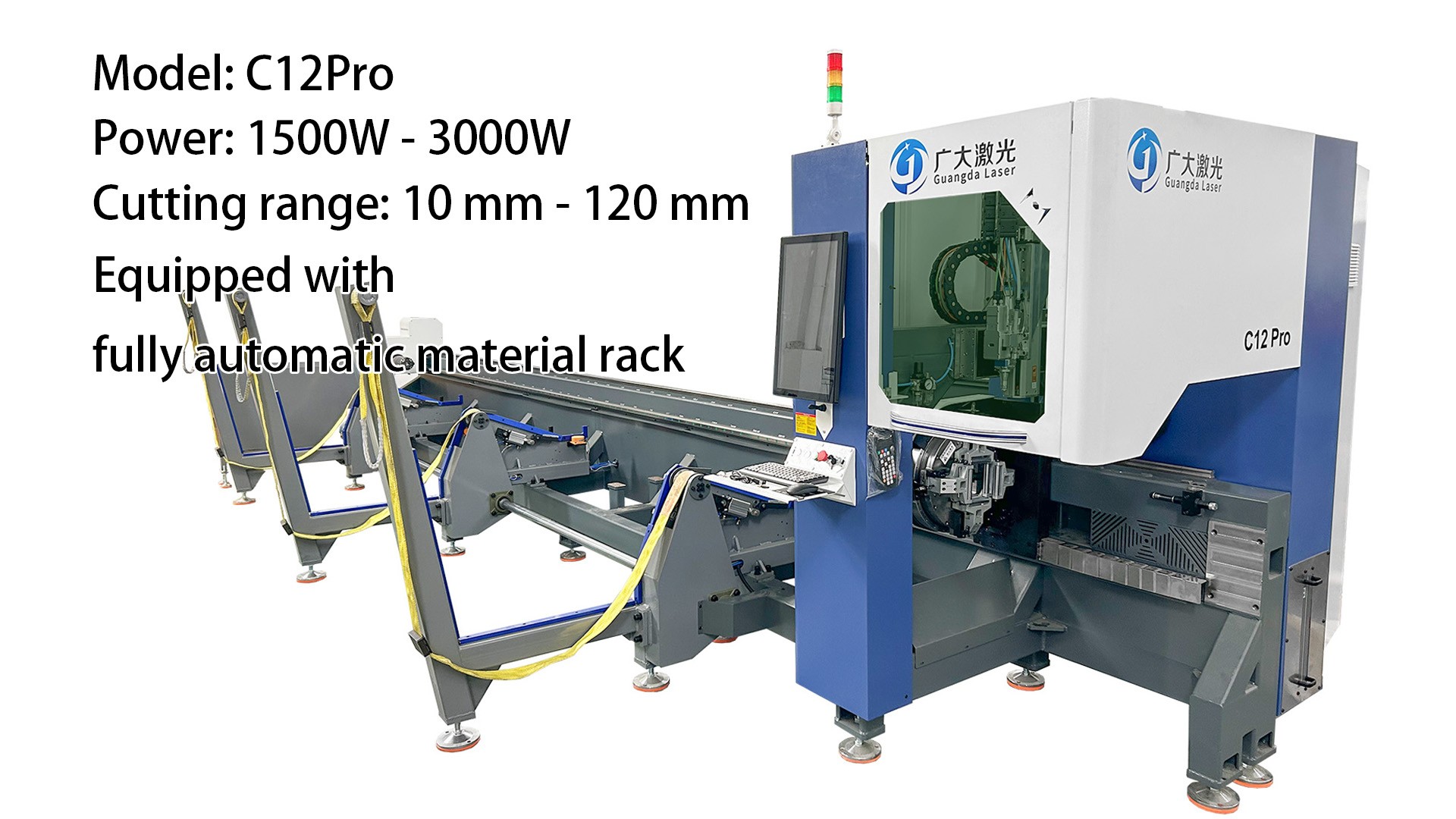
Setting up your laser cutting machine metal is crucial for achieving the best results. A well-configured machine ensures that every cut is precise, clean, and meets the desired specifications. Neglecting proper setup can lead to wasted materials and time, ultimately affecting your bottom line.
Importance of Machine Calibration
Calibration is the backbone of any effective cutting machine laser operation. It ensures that the laser beam is accurately aligned with the material being processed, which is essential for achieving precise cuts in metal. Regular calibration helps in maintaining the integrity of your industrial metal cutting machine, ensuring consistent performance over time.
When a metal machine cutter isn't calibrated correctly, you may face issues such as uneven cuts or excessive wear on components. This could lead to costly repairs or even necessitate replacement parts sooner than expected. Therefore, investing time in regular calibration can save you from headaches down the line and keep your laser machinery running smoothly.
Aligning the Cutting Head
Aligning the cutting head of your laser cutting machine metal is another vital step in ensuring precision during operation. The alignment process involves adjusting the position of the cutting head so that it corresponds perfectly with both the material and desired cut path. If misalignment occurs, it can result in inaccurate cuts and diminished quality.
Using tools like alignment lasers or guides can simplify this process significantly, allowing for quick adjustments when necessary. Additionally, keeping a close eye on wear and tear of components involved in positioning will help maintain accuracy over time. Remember: a well-aligned cutting head means cleaner edges and less rework on your projects.
Optimizing Material Placement
The placement of materials on an industrial metal cutting machine plays a critical role in achieving optimal results with each project. Ensuring that sheets are flat and properly secured will minimize any movement during operation, which could compromise cut quality. It's also essential to consider how much space you're allowing between cuts to maximize efficiency while minimizing waste.
Utilizing jigs or fixtures can help keep materials stable during processing; this not only enhances safety but also guarantees precision across multiple cuts if you're working with complex designs or patterns. Moreover, understanding how different metals react under heat will aid you in making informed decisions about placement strategies specific to each project type—be it stainless steel or aluminum.
Material Considerations for Metal Cutting
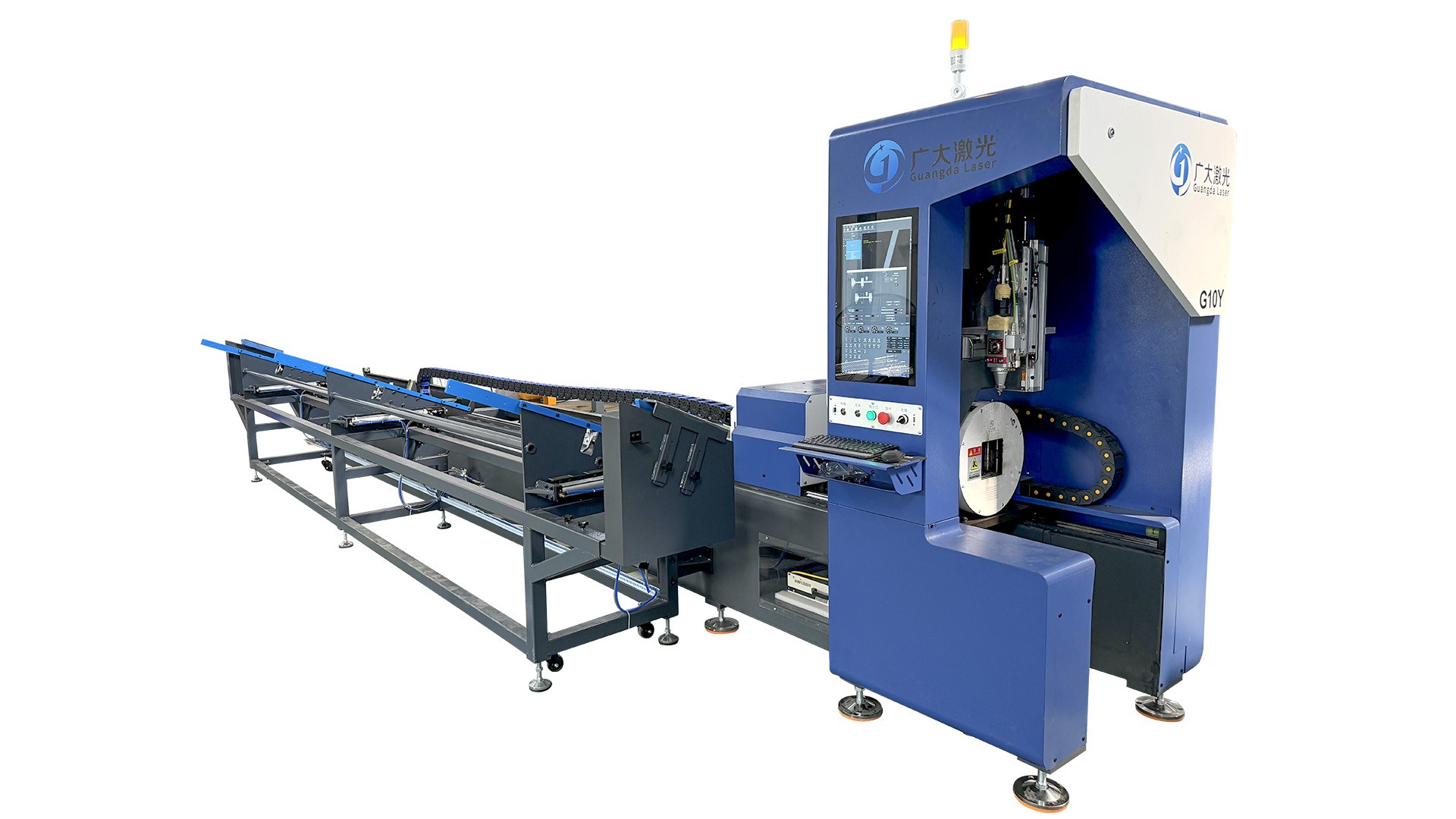
When diving into the world of laser cutting machine metal, understanding the materials you plan to work with is crucial. Different metals react uniquely to laser cutting, impacting both the quality of the cut and the efficiency of your industrial metal cutting machine. Selecting the right material not only enhances performance but also extends the lifespan of your metal machine cutter.
Best Metals for Laser Cutting
Some metals are more suited for laser cutting than others, and knowing which ones can save you time and resources. For instance, mild steel is a favorite due to its affordability and ease of cutting with a laser cutting machine metal. Stainless steel also performs well, offering corrosion resistance while maintaining structural integrity during machine cut metal processes. Aluminum is another popular choice; however, it may require specific settings on your cutting machine laser to achieve optimal results without warping.
Thickness and Finish Impact
The thickness of your chosen material significantly affects how efficiently a metal cutting machine operates. Thicker metals generally require higher power settings and slower speeds to ensure clean cuts without compromising quality or safety. Additionally, surface finish plays a vital role; rough surfaces can lead to inconsistent cuts while polished finishes allow for smoother operations on your industrial metal cutting machine.
How to Prepare Metal Surfaces
Preparing metal surfaces before using a laser machinery is essential for achieving precision in cuts. Ensure that all contaminants like grease or dust are removed; any residue can interfere with the focused beam of light from your laser cutting machine metal, leading to poor-quality cuts or even damage to the equipment itself. Lastly, consider pre-treating thicker materials or those with protective coatings—this will enhance their compatibility with your metal machine cutter and ensure optimal performance during operation.
Tweaking Settings for Optimal Performance
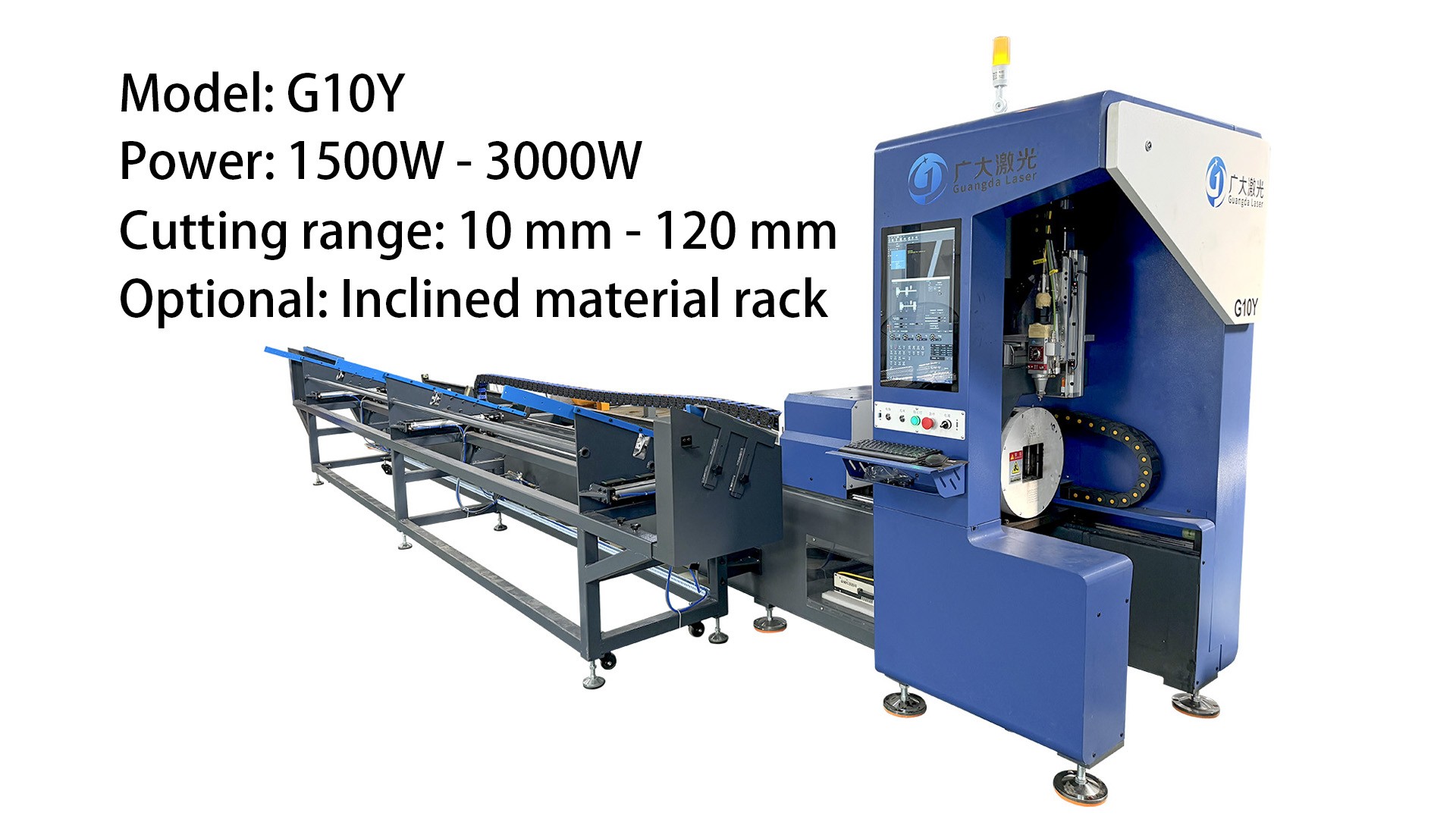
When it comes to maximizing the efficiency of your laser cutting machine metal, fine-tuning settings is essential. Each adjustment can make a significant difference in the quality of the cut and the overall performance of your industrial metal cutting machine. Whether you're dealing with intricate designs or large-scale projects, optimizing these parameters will ensure that your metal machine cutter operates at its best.
Adjusting Speed and Power
One of the primary factors influencing the quality of a machine cut metal is the balance between speed and power. Slower speeds with higher power can yield cleaner cuts on thicker materials, while faster speeds may be more suitable for thinner metals. It's crucial to experiment with these settings to find that sweet spot where you achieve optimal results without compromising on precision.
Additionally, different types of laser cutting techniques may require distinct adjustments in speed and power settings. For instance, when using a cutting machine laser for detailed work, you might want to reduce speed while increasing power to ensure every detail is captured perfectly. Always keep in mind that each material behaves differently; thus, adjustments should be made accordingly.
Fine-Tuning Focus and Frequency
The focus and frequency settings on your laser machinery are vital components that directly impact cutting quality. A well-focused beam ensures that energy is concentrated precisely where it’s needed, leading to cleaner edges and less post-processing work. Adjusting frequency allows you to control how often pulses are emitted; too high can lead to excessive heat buildup while too low might result in incomplete cuts.
To achieve an optimal focus point, consider using test cuts on scrap material before proceeding with your actual project. This practice not only saves time but also helps you gauge how various metals react under different focal lengths and frequencies—essential knowledge for any serious user of a metal cutting machine. Remember, fine-tuning these settings can turn an average cut into something exceptional.
Utilizing Software for Precision
In today's digital age, leveraging software tools has become indispensable for optimizing laser cutting processes effectively. Many modern industrial metal cutting machines come equipped with advanced software that allows users to adjust settings dynamically based on real-time feedback from the system itself. This capability ensures that even minor fluctuations in material properties or environmental conditions can be accounted for instantly.
Furthermore, utilizing CAD (Computer-Aided Design) software alongside your laser cutter enhances precision by allowing detailed designs to be translated directly into cutting parameters without manual intervention errors. This integration not only streamlines workflows but also minimizes waste—an essential factor when working with expensive materials like stainless steel or aluminum using a laser cutting machine metal setup. Embrace technology; it’s here to elevate your game!
Maintenance Tips for Longevity
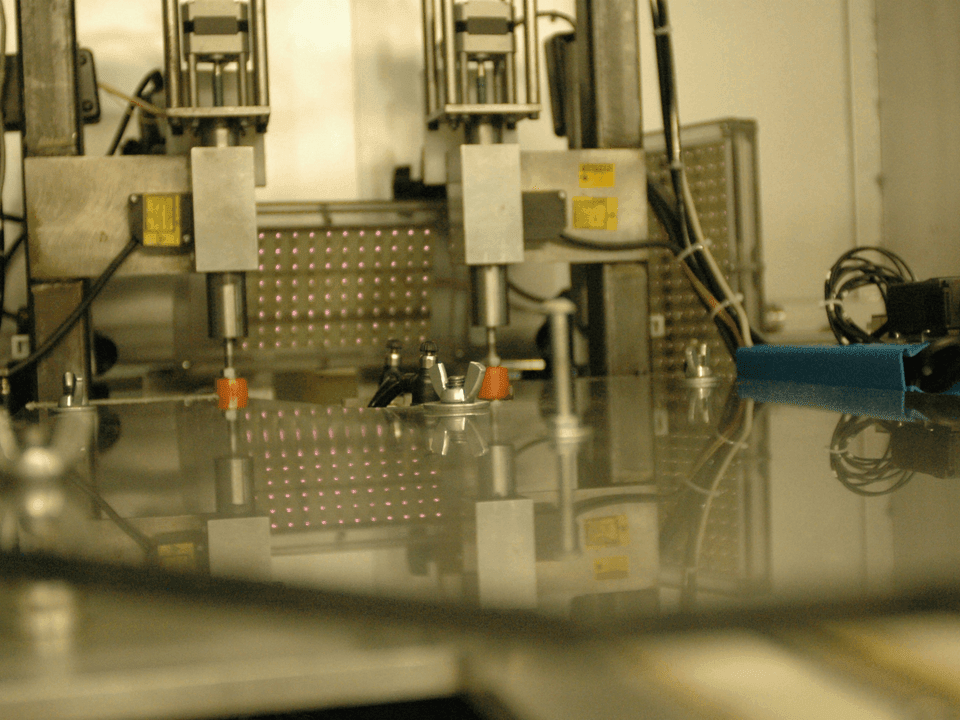
Maintaining your laser cutting machine metal is crucial for ensuring optimal performance and extending its lifespan. Regular upkeep can prevent costly repairs and downtime, keeping your industrial metal cutting machine running smoothly. Here are some essential maintenance tips to keep your cutting machine laser in top shape.
Regular Cleaning Practices
Cleaning is the unsung hero of laser machinery maintenance. Dust, metal shavings, and residue can accumulate on the surfaces of your metal cutting machine, affecting its performance and precision. Implementing a regular cleaning schedule will help maintain the integrity of components like lenses and mirrors, ensuring that your machine cut metal with accuracy every time.
Use a soft cloth or brush to remove debris from the exterior and interior parts of the cutting machine laser. Pay special attention to areas around the cutting head and exhaust systems where buildup is more likely to occur. By keeping these areas clean, you’ll not only enhance efficiency but also prolong the life of critical components in your metal machine cutter.
Inspecting Components and Parts
Routine inspections are key to catching potential issues before they escalate into major problems with your industrial metal cutting machine. Look for signs of wear on essential components such as lenses, mirrors, belts, and bearings; even small defects can lead to significant operational inefficiencies or even damage during operation.
A proactive approach means replacing worn-out parts before they fail completely; this step ensures that your laser cutting process remains smooth and precise over time. Keeping an eye on these elements not only guarantees high-quality cuts but also reduces unexpected downtime due to repairs or replacements.
Seeking Professional Support
Even with diligent maintenance practices in place, there may come a time when you need professional support for your laser machinery. Engaging with experienced technicians who specialize in laser cutting machines can provide insights that go beyond basic upkeep—think advanced troubleshooting or calibration adjustments that require expertise outside standard maintenance routines.
Don’t hesitate to reach out for professional servicing if you notice persistent issues or if operational demands change significantly; experts can offer tailored solutions that maximize efficiency for various applications in metal cutting. Investing in professional support ensures not just longevity but also peak performance from your equipment—after all, a well-maintained laser cutting machine metal translates directly into superior results.
Conclusion
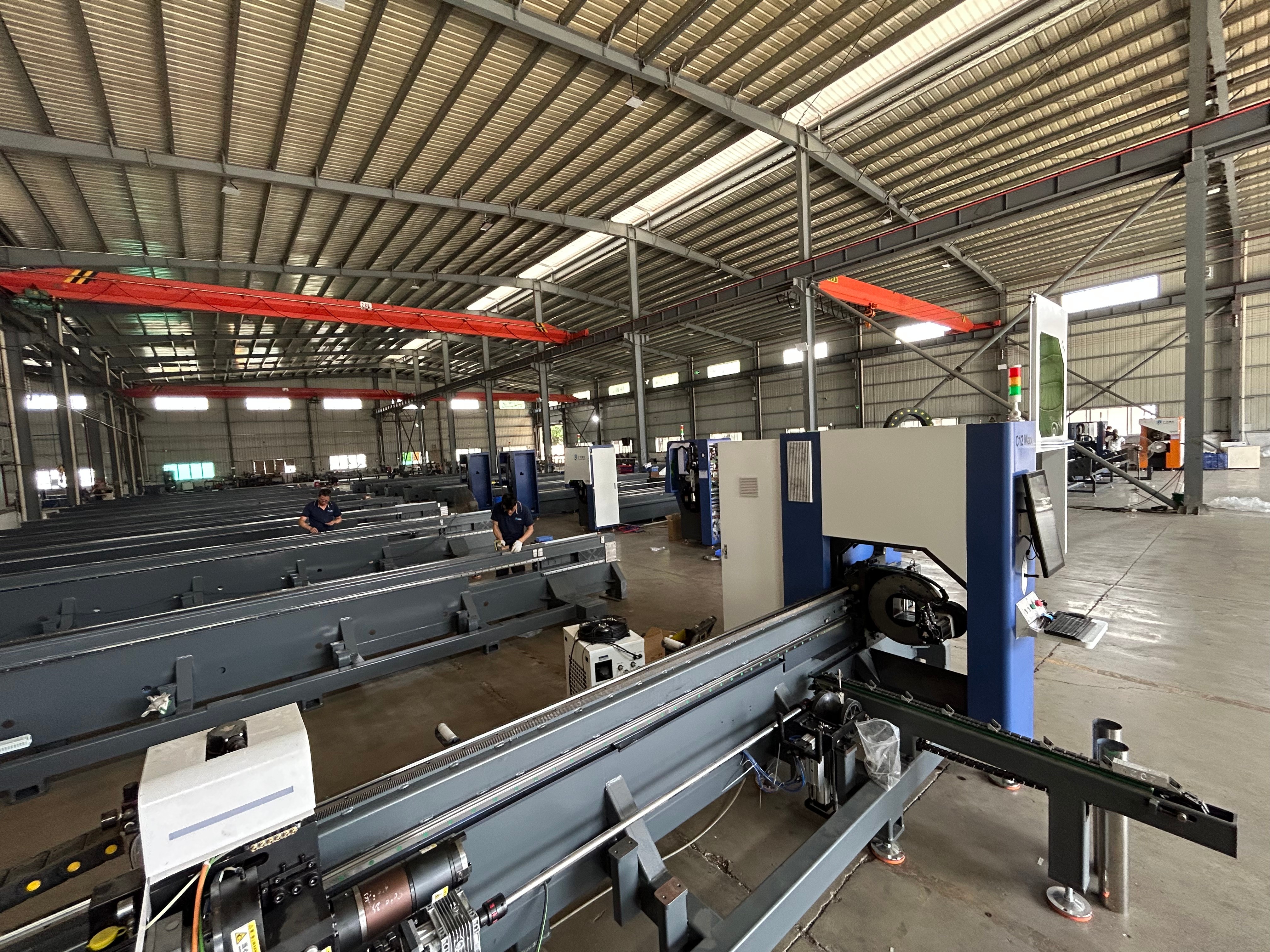
In the world of industrial metal cutting, mastering the art of laser cutting is essential for achieving precision and efficiency. By understanding the nuances of your laser cutting machine metal, you can optimize its capabilities to deliver flawless results every time. With the right setup, materials, and settings in place, your machine cut metal projects will not only meet but exceed expectations.
Key Takeaways for Optimal Laser Cutting
When it comes to laser cutting, selecting the appropriate machine is crucial; whether you opt for a CO2 or fiber laser can significantly impact your results. Regular maintenance and calibration of your metal machine cutter ensure that it operates at peak performance while extending its lifespan. Finally, tweaking settings like speed and power allows for fine-tuning that can elevate your cutting quality to new heights.
Future Trends in Laser Machinery
The future of laser machinery is bright with advancements in technology promising even greater efficiencies and capabilities. Innovations such as AI-driven software will enable smarter adjustments during operation, allowing users to achieve optimal results with less manual intervention. Furthermore, eco-friendly practices are becoming more prevalent in industrial metal cutting machines, aligning with global sustainability efforts.
How Kiant Machinery Can Help You
Kiant Machinery stands out as a leader in providing top-notch laser cutting solutions tailored to meet diverse needs within the industry. With a range of high-performance industrial metal cutting machines designed for various applications, they ensure that every customer finds their perfect fit. Their expert support team is always ready to assist with setup and optimization, making them a reliable partner in your journey toward mastering laser cutting.