
Introduction
In the world of metal manufacturing, roll forming equipment stands out as an essential tool for creating high-quality metal components with precision and efficiency. This innovative process is particularly vital in applications like light gauge steel frame construction, where the structural integrity of buildings and other projects depends heavily on the materials used. As industries continue to evolve, understanding the nuances of metal rollforming systems becomes increasingly important for manufacturers looking to stay competitive.
Understanding Roll Forming Equipment
Roll forming equipment is designed to shape metal sheets into desired profiles through a continuous bending process. This method involves feeding flat metal strips through a series of rollers that gradually form them into specific shapes without cutting or wasting material. The versatility and efficiency of roll forming machines make them ideal for producing various products, from simple brackets to complex structural components.
Importance in Metal Manufacturing
The significance of roll forming equipment in metal manufacturing cannot be overstated; it allows for rapid production while maintaining consistent quality across large volumes. Industries such as construction, automotive, and appliance manufacturing rely heavily on these machines to produce lightweight yet durable components that meet stringent specifications. Moreover, advancements in technology have enabled manufacturers to enhance their production capabilities while reducing overall costs—an appealing prospect when considering factors like roll forming machine price.
Overview of Metal Rollforming Systems
Metal rollforming systems encompass a range of machinery designed specifically for shaping metals using the roll forming technique. These systems often include cold roll forming machines and light gauge steel framing machines tailored for specific applications within the industry. By integrating features such as automation and compatibility with steel cutting machines, modern roll forming equipment has revolutionized how manufacturers approach production challenges while ensuring they remain agile in a fast-paced market.
[Image description=metal roll forming machine in operation, rollers shaping steel sheets into profiles, industrial setting with workers overseeing process, machinery displaying advanced technology], Image name=roll_forming_machine_industry_1, Alt tag=Roll forming equipment used in modern manufacturing processes
What is Roll Forming?
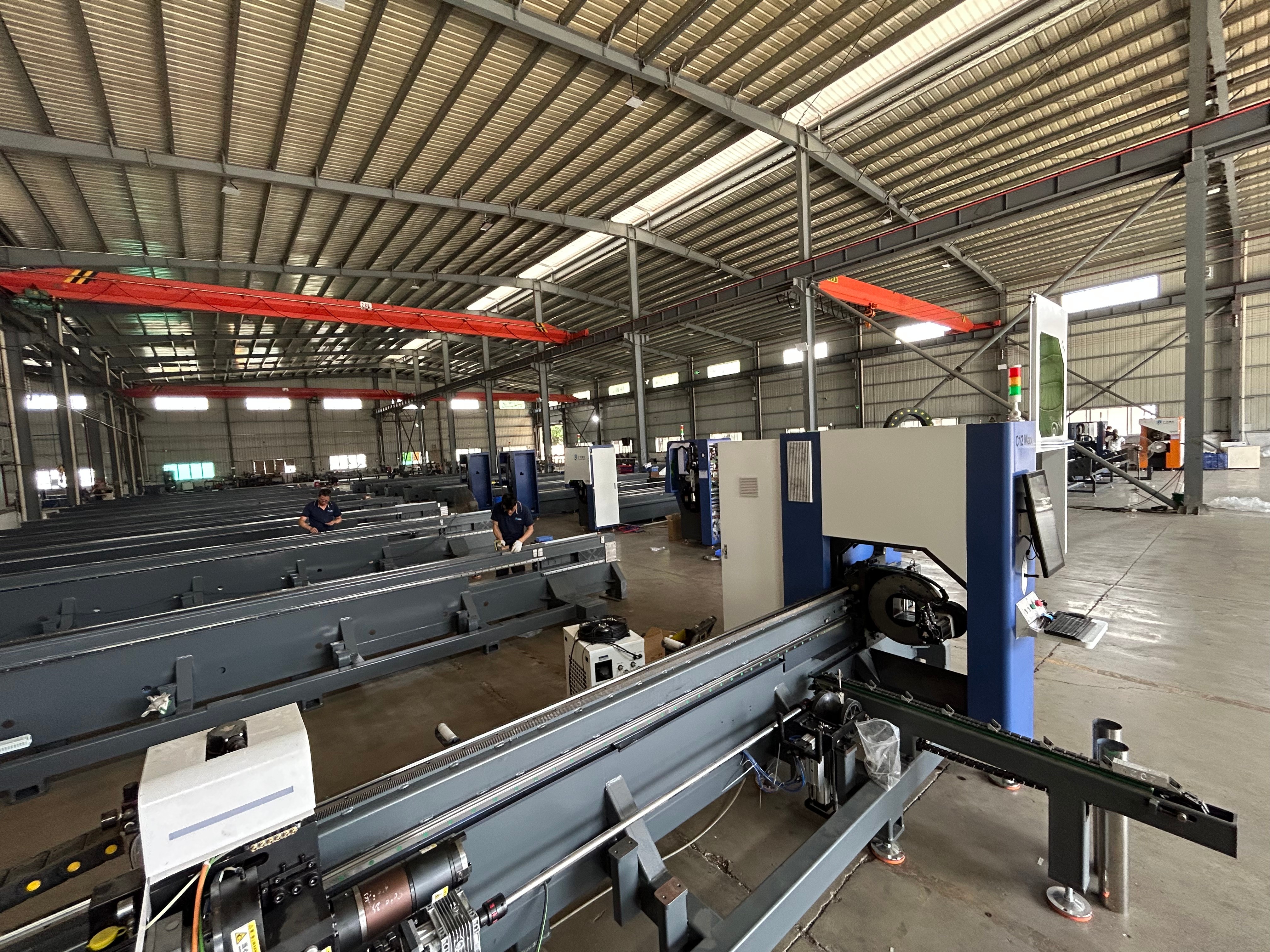
Roll forming is a manufacturing process that involves the continuous bending of metal sheets or strips into desired shapes using a series of rollers. This technique is particularly effective for creating long lengths of uniform cross-sections, making it ideal for various applications in the metal industry. The efficiency and precision offered by roll forming equipment make it a go-to choice for manufacturers looking to produce high-quality components.
Definition and Process
At its core, roll forming is about shaping metal through a sequential series of rolls, which gradually bend the material into the desired profile. The process typically begins with a flat strip of metal being fed into the roll forming machine, where it passes through multiple sets of rollers that progressively shape it. This method allows for high-volume production while maintaining consistency in quality and dimensions, which is crucial in industries such as light gauge steel frame construction.
Common Materials Used
Roll forming can be performed on various materials, but steel remains the most popular choice due to its strength and versatility. Common types include cold-rolled steel, galvanized steel, and stainless steel, each offering unique benefits depending on the application requirements. Additionally, aluminum and other non-ferrous metals are also used in specific cases where lightweight or corrosion-resistant properties are essential.
Applications in Industries
The versatility of roll forming machines makes them suitable for numerous applications across different industries. In light gauge steel frame construction, these machines produce components such as tracks and studs that form the backbone of modern buildings. Other applications include automotive parts manufacturing, HVAC systems fabrication, and even furniture production—showcasing how integral metal rollforming systems are to contemporary manufacturing processes.
Types of Roll Forming Equipment
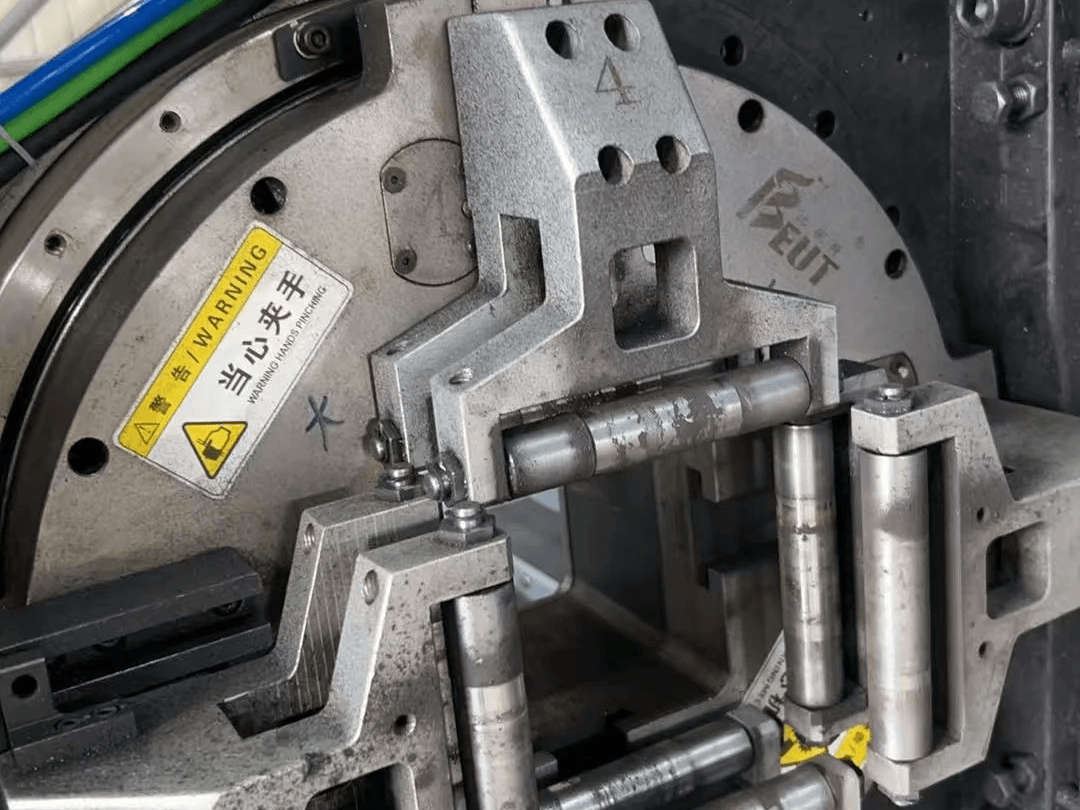
Each type of machine serves specific applications, making it essential for businesses to choose wisely based on their production requirements. Understanding the distinctions between these machines can help streamline operations and enhance efficiency in metal rollforming systems.
Cold Roll Forming Machines
Cold roll forming machines are the backbone of many metal fabrication processes, especially when it comes to producing intricate shapes from sheet metal. These machines operate at room temperature, which allows for greater precision and reduces the risk of material deformation. With their ability to create complex profiles efficiently, cold roll forming machines are ideal for industries ranging from automotive to construction.
The versatility of cold roll forming equipment means it can handle various materials, including high-strength steel and aluminum. This flexibility is particularly beneficial in applications such as light gauge steel frame construction, where precise dimensions are crucial. Investing in a quality cold roll forming machine can significantly affect production speed and overall manufacturing costs.
Moreover, the roll forming machine price varies based on features like automation levels and material handling capabilities. Businesses looking to scale should consider not just the initial investment but also long-term savings achieved through efficiency improvements. The right cold roll forming machine can transform your production line into a powerhouse of productivity.
Light Gauge Steel Framing Machines
Light gauge steel framing machines specialize in creating components for structures that require lightweight yet strong materials—perfectly exemplified in light gauge steel frame construction projects. These machines efficiently produce frames that meet building codes while maintaining structural integrity with minimal weight. They are especially popular among builders looking for durability without sacrificing ease of installation.
One key advantage of light gauge steel framing machines is their ability to automate repetitive tasks, significantly reducing labor costs and time spent on assembly lines. The integration with other machinery like steel cutting machines enhances workflow efficiency by allowing seamless transitions between cutting and framing processes. As a result, manufacturers can achieve rapid turnaround times without compromising quality.
Pricing for light gauge steel framing equipment often reflects its advanced technology and capabilities; however, this investment typically pays off through increased output and reduced waste over time. Companies focused on sustainable practices will find that these machines not only support efficient production but also minimize environmental impact by optimizing material usage. Choosing the right light gauge steel framing machine means aligning your operational goals with future growth potential.
Custom Roll Forming Solutions
Custom roll forming solutions cater specifically to unique manufacturing needs that standard equipment might not fulfill effectively. Whether it's specialized profiles or tailored dimensions required for niche markets, custom solutions provide flexibility that enhances competitive advantage in metal fabrication sectors. Collaborating with experienced manufacturers allows businesses to design equipment suited precisely for their operational challenges.
These custom solutions often integrate various technologies like automated controls or specialized tooling designed for specific applications—making them a worthwhile investment despite potentially higher initial costs compared to off-the-shelf options. The adaptability offered by custom roll forming equipment ensures that companies remain agile in responding to market demands while maintaining product quality standards across different projects.
When considering custom options, it's vital to weigh factors such as lead times and compatibility with existing machinery like steel cutting machines within your facility's layout—ensuring smooth integration into current workflows without significant disruption or added expenses related to reconfiguration or training staff on new systems.
Key Features of Roll Forming Machines
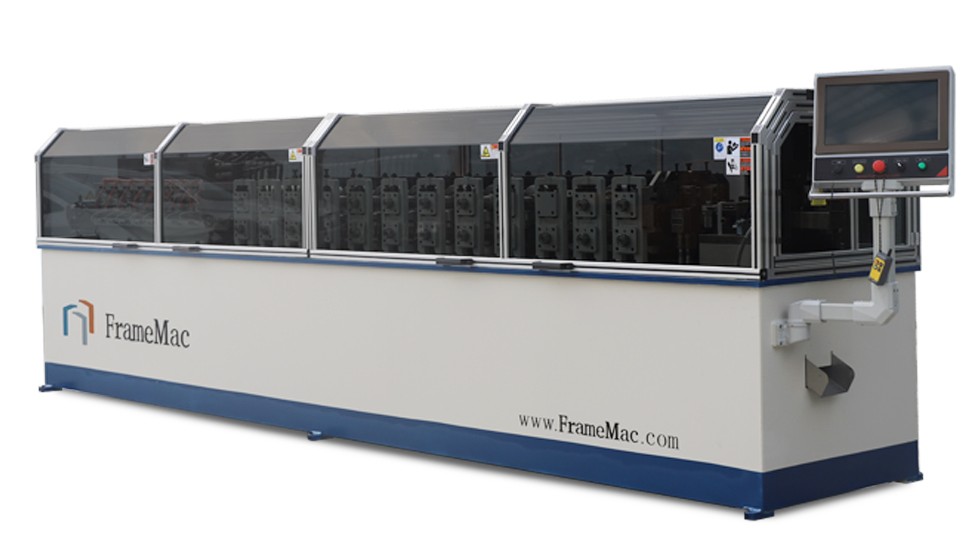
Roll forming machines are engineered with several key features that enhance their operational efficiency and versatility in metal manufacturing. Understanding these features can help businesses maximize the potential of their roll forming equipment, particularly in applications like light gauge steel frame construction. As the demand for precision and productivity rises, investing in advanced metal rollforming systems becomes essential.
Automation and Precision
One of the standout features of modern roll forming machines is their automation capabilities, which significantly improve precision in production processes. Automated systems reduce human error, ensuring that every piece produced meets strict specifications, a critical factor in light gauge steel framing machine applications. With advancements in technology, cold roll forming machines now come equipped with sensors and software that monitor performance, providing real-time adjustments to maintain accuracy.
Moreover, automated roll forming equipment can operate continuously without compromising quality or speed. This level of precision is crucial for industries where tolerances are tight and consistency is key to structural integrity. As a result, manufacturers can produce high-quality components while reducing waste and downtime.
Speed and Efficiency
Speed is another vital feature of roll forming machines that cannot be overlooked. These machines are designed to operate at high speeds while maintaining quality output, making them ideal for large-scale production runs required in various sectors including construction and automotive industries. The efficiency of these systems allows manufacturers to meet tight deadlines without sacrificing quality or increasing costs.
Incorporating efficient workflows into metal rollforming systems means that businesses can significantly boost their output without needing additional labor or resources. This efficiency translates directly into cost savings over time, as faster production cycles lead to reduced operational expenses associated with labor and machine usage. Consequently, understanding the speed capabilities of different roll forming equipment can help you make informed decisions about your investment.
Compatibility with Steel Cutting Machines
Compatibility with steel cutting machines is another critical feature that enhances the functionality of roll forming equipment. Many modern roll forming machines are designed to seamlessly integrate with cutting solutions, allowing for a streamlined production process from start to finish. This integration not only saves time but also ensures that materials are processed efficiently without unnecessary handling or delays.
For example, when using a light gauge steel framing machine alongside a steel cutting machine, manufacturers can achieve precise cuts right after the rolling process—eliminating manual handling errors and improving overall workflow efficiency. This synergy between different types of machinery within metal rollforming systems enhances productivity while minimizing operational costs associated with separate processing stages.
By considering these key features—automation and precision, speed and efficiency, along with compatibility—you'll be better equipped to assess various options on the market when evaluating potential investments in roll forming equipment.
Factors Affecting Roll Forming Machine Price
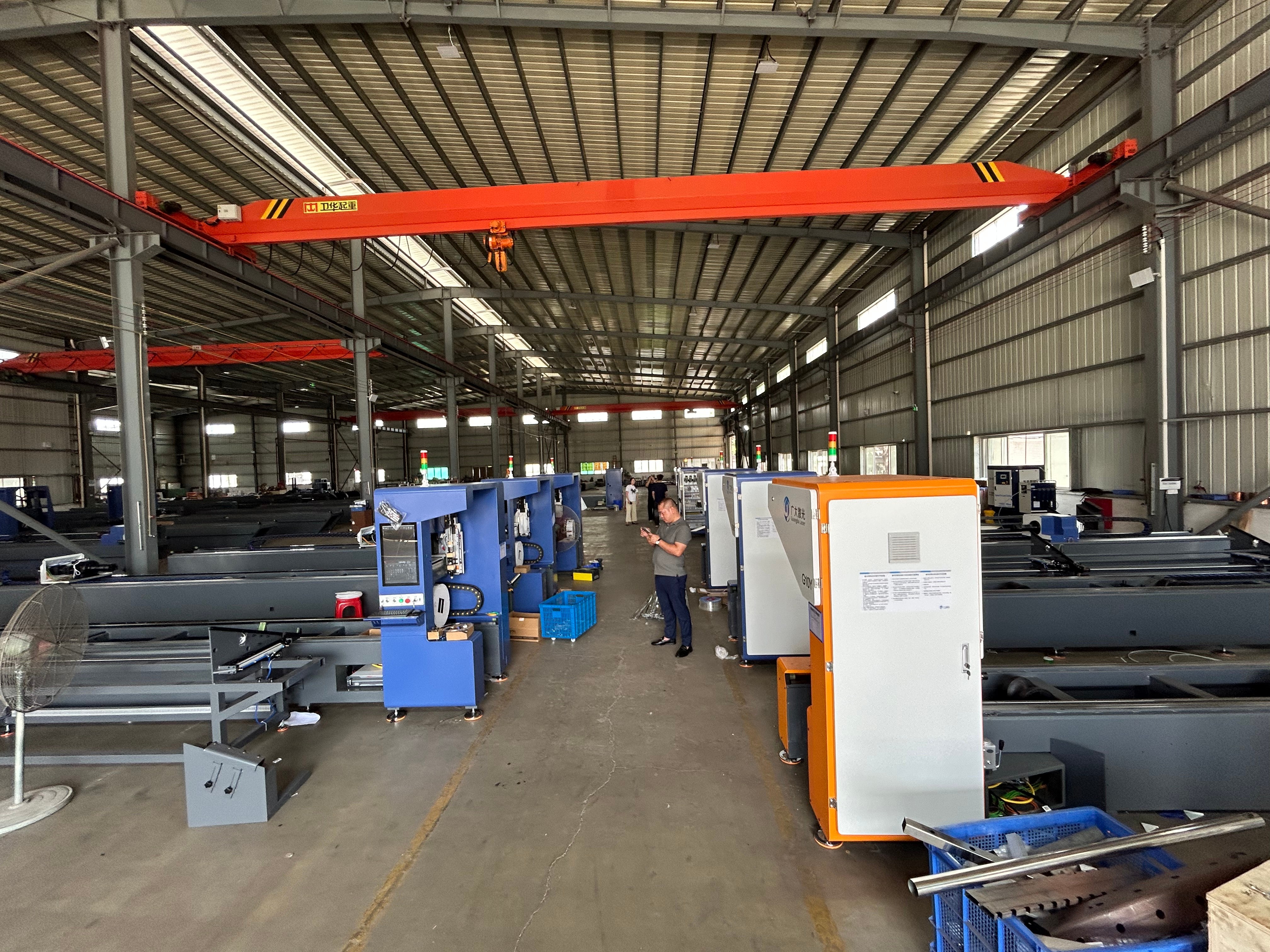
When it comes to roll forming machine price, various factors come into play that can significantly influence your investment. Understanding these elements is crucial for making an informed decision, especially if you're venturing into light gauge steel frame construction or other metal rollforming systems. Let’s dive deeper into what determines the cost of roll forming equipment.
Equipment Specifications
The specifications of roll forming equipment can vary widely, impacting the overall price considerably. Features such as the type of materials it processes, the complexity of designs it can create, and its operational capacities all contribute to cost differences. For instance, a cold roll forming machine designed for high precision and speed will typically be more expensive than a basic model intended for simpler applications.
Moreover, advanced features like automation capabilities and integration with steel cutting machines can also drive up costs. When evaluating your options, consider how these specifications align with your production needs in light gauge steel framing or other applications. Ultimately, investing in higher-quality equipment may yield long-term savings through increased efficiency and reduced downtime.
Production Volume Requirements
Another significant factor influencing roll forming machine price is your production volume requirements. If you’re planning on high-volume production runs, you’ll likely need a more robust and efficient system that can handle continuous operation without compromising quality. This often means investing in higher-end models that come equipped with advanced technology to maintain speed and precision over extended periods.
Conversely, if your needs are modest—perhaps for small-scale projects or custom work—then a less expensive option may suffice without breaking the bank on unnecessary features. It's essential to strike a balance between capability and cost; after all, over-investing in machinery when demand doesn’t justify it could lead to financial strain rather than efficiency gains in your metal rollforming systems.
Installation and Maintenance Costs
Lastly, installation and maintenance costs are crucial considerations when calculating the total expense associated with any roll forming machines you might purchase. Some systems require professional installation due to their complexity or size; this adds another layer of expense beyond just the initial purchase price of the light gauge steel framing machine itself.
Furthermore, ongoing maintenance costs must also be factored into your budget since regular upkeep is vital for ensuring optimal performance over time. Choosing equipment from reputable manufacturers often comes with better support options that can help mitigate these costs through warranties or service agreements—an important consideration when evaluating different models on the market.
Choosing the Right Roll Forming Equipment
Selecting the right roll forming equipment is pivotal for optimizing your production process and ensuring high-quality output. With various options available, understanding your specific needs can help you make an informed decision. This section will guide you through assessing your production requirements, evaluating manufacturer reputation, and understanding after-sales support.
Assessing Your Production Needs
Before diving into the world of roll forming machines, it's essential to evaluate your production needs thoroughly. Consider factors such as the types of materials you will be working with—like light gauge steel for frame construction—and the complexity of the profiles required. Additionally, think about production volume; a cold roll forming machine might suit low-volume runs while a more advanced metal rollforming system could be necessary for high-output operations.
Understanding these parameters will help narrow down your choices significantly. If you're primarily focused on light gauge steel framing, ensure that the equipment can handle those specific requirements efficiently. Also, consider how well the roll forming equipment integrates with existing machinery like steel cutting machines to streamline operations.
Evaluating Manufacturer Reputation
When investing in roll forming equipment, choosing a reputable manufacturer is crucial for long-term success and reliability. Research manufacturers who specialize in metal rollforming systems and have a proven track record within the industry. Customer reviews and testimonials can provide insights into their product quality and customer service responsiveness.
Look for manufacturers that offer transparency regarding their manufacturing processes and materials used in their machines. A strong reputation often correlates with better innovation in features such as automation and precision—key aspects that enhance efficiency in your projects involving light gauge steel framing or other applications.
Understanding After-Sales Support
After-sales support is an often-overlooked aspect when selecting roll forming machines but is vital for ongoing operational success. Ensure that the manufacturer provides comprehensive technical support, training resources, and maintenance services tailored to their cold roll forming machines or light gauge steel framing machines. This support can save you time and money by minimizing downtime due to machine issues.
Additionally, inquire about warranty options; a robust warranty reflects confidence in product durability while also offering peace of mind during initial operation phases. Lastly, consider whether they provide updates or upgrades for their metal rollforming systems; staying current with technology can enhance productivity over time.
Conclusion
In the ever-evolving landscape of metal manufacturing, roll forming equipment stands out as a vital component for maximizing efficiency and productivity. The precision and versatility of metal rollforming systems enable manufacturers to create complex shapes with minimal waste, making it an attractive option for various industries. As businesses increasingly turn to innovative solutions, understanding the advantages of roll forming machines will be essential for staying competitive.
Maximizing Efficiency with Roll Forming
Maximizing efficiency in production processes is crucial, especially in light gauge steel frame construction, where speed and accuracy are paramount. Roll forming machines offer a streamlined approach that reduces material waste while maintaining high-quality output. By integrating advanced automation features, these machines not only enhance productivity but also ensure consistent results across large production runs.
Moreover, the adaptability of cold roll forming machines allows manufacturers to switch between different profiles quickly without significant downtime. This flexibility is particularly beneficial for companies that cater to diverse client needs or seasonal demands in the market. With increased efficiency comes reduced operational costs, making roll forming equipment a smart investment for any manufacturer looking to optimize their processes.
Investing in Quality Equipment
When it comes to investing in roll forming equipment, quality should never be compromised. High-quality machinery not only ensures better performance but also longevity and reliability over time. While considering the roll forming machine price, it's essential to weigh the long-term benefits against initial costs—after all, cheaper options may lead to higher maintenance expenses down the road.
A light gauge steel framing machine built with durable materials can withstand rigorous use and deliver consistent results without frequent breakdowns. Additionally, reputable manufacturers often provide comprehensive after-sales support and service options that enhance your investment's value further. Ultimately, choosing quality equipment translates into smoother operations and greater profitability for your business.
Future Trends in Metal Rollforming Systems
The future of metal rollforming systems looks promising as technological advancements continue to reshape manufacturing processes. Emerging trends include increased automation through Industry 4.0 technologies that integrate artificial intelligence and IoT capabilities into roll forming machines for smarter production lines. This shift not only enhances efficiency but also provides real-time data analytics for better decision-making.
Furthermore, sustainability is becoming a focal point within industries utilizing light gauge steel frame construction; eco-friendly practices are gaining traction as manufacturers seek ways to minimize their carbon footprint while maintaining profitability. Innovations such as energy-efficient cold roll forming machines will likely become standard offerings in response to growing environmental concerns among consumers and regulators alike.
As we look ahead, staying informed about these trends will empower businesses to adapt swiftly and maintain a competitive edge in an ever-changing market landscape.