
Introduction
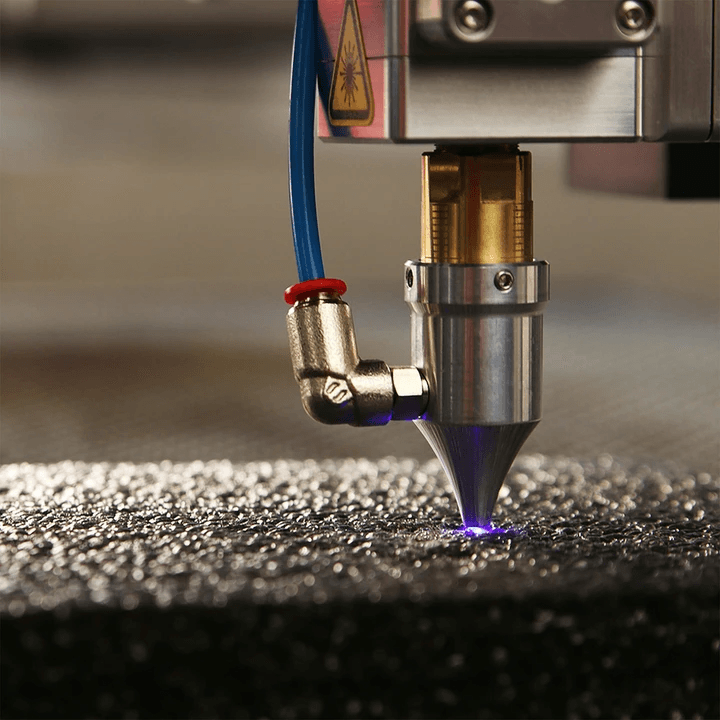
In recent years, flatbed laser cutting has emerged as a game-changer in various industries, revolutionizing how materials are processed and shaped. This innovative technology offers unparalleled precision and efficiency, making it a go-to solution for manufacturers and artisans alike. As we delve into the world of flatbed laser equipment, it becomes clear that the evolution of laser machinery is not just about cutting; it's about transforming ideas into reality.
The Rise of Flatbed Laser Cutting
The rise of flatbed laser cutting can be attributed to its ability to deliver intricate designs with unmatched accuracy. Unlike traditional cutting methods, which often compromise on detail, flatbed laser machines can execute complex patterns seamlessly across diverse materials. This surge in popularity has led to an increased demand for advanced laser cutting machines that cater to both industrial applications and creative projects.
What is Flatbed Laser Equipment?
Flatbed laser equipment refers to specialized machinery designed for cutting various materials using focused laser beams. These machines typically feature a flat surface where materials are placed, allowing for precise and efficient cuts without the need for extensive setup time or tooling changes. With advancements in technology, modern cutting machine lasers have become more user-friendly and versatile, accommodating everything from metal sheets to delicate fabrics.
Why Precision Matters in Cutting
Precision is paramount when it comes to cutting materials, as even the slightest deviation can lead to costly errors or wasted resources. The unique capabilities of flatbed laser equipment ensure that every cut is executed with pinpoint accuracy, reducing the risk of mistakes and enhancing overall productivity. In industries where detail matters—such as manufacturing or artistic design—investing in reliable laser machinery makes all the difference between success and failure.
Advantages of Laser Cutting Machines
Precision and Detail in Design
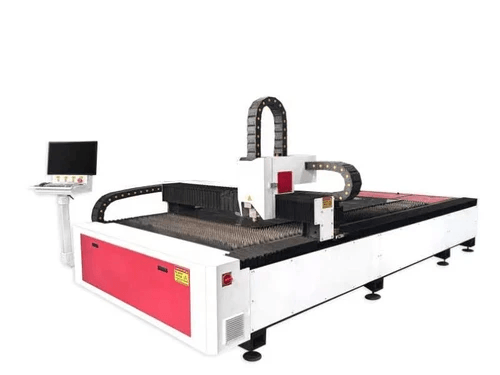
One of the standout features of laser cutting is its unmatched precision and detail in design. Using advanced technology, a cutting machine laser can create intricate shapes and patterns with tolerances as tight as 0.01 mm, ensuring that every cut is precise and clean. This level of accuracy allows designers and engineers to push the boundaries of creativity without worrying about compromising quality or detail.
Moreover, this precision means less material waste during production—an essential factor in both cost savings and environmental sustainability for businesses using flatbed laser equipment. Whether it's delicate engravings or complex geometries, the ability to achieve high levels of detail makes these machines indispensable across various industries.
Speeding Up the Cutting Process
Speed is another compelling advantage that comes with using a laser cutting machine. Unlike traditional cutting methods that may require multiple passes or tool changes, flatbed laser equipment can cut through materials quickly and efficiently in a single pass. This rapid processing not only saves time but also enhances overall productivity on the shop floor.
Additionally, with advancements in technology, modern laser machines are capable of processing large sheets at impressive speeds while maintaining high-quality cuts. The result? A significant reduction in turnaround times for projects—from prototypes to full-scale production runs—allowing businesses to meet tight deadlines without sacrificing quality.
Versatility Across Various Materials
This adaptability makes flatbed laser equipment suitable for various applications across multiple sectors—including automotive, aerospace, signage, and even artistic endeavors.
Furthermore, different types of lasers (like CO2 or fiber) allow users to tailor their approach based on specific material properties or project requirements effectively. Whether you’re crafting intricate designs for signage or durable components for machinery, the versatility offered by these laser machines ensures you have the right tool for any job.
Key Components of Flatbed Laser Machinery
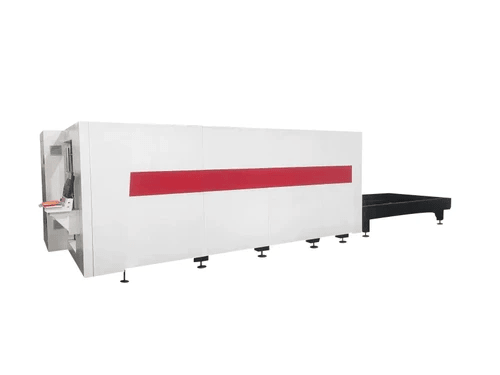
When diving into the world of flatbed laser machinery, understanding its key components is essential for maximizing efficiency and output. Each part plays a crucial role in how well the laser cutting machine performs, impacting everything from precision to speed. Let’s explore some of these vital components that make up the backbone of any high-quality cutting machine laser.
Laser Source Options: CO2 vs. Fiber
One of the first decisions when considering flatbed laser equipment is choosing between CO2 and fiber laser sources. CO2 lasers are renowned for their ability to cut through non-metal materials like wood, acrylic, and plastics with exceptional precision. On the other hand, fiber lasers excel in cutting metals due to their shorter wavelength, making them a popular choice in industrial settings where speed and efficiency are paramount.
The choice between these two options often comes down to the specific applications you have in mind for your laser cutting machine. If versatility across various materials is key for your projects, investing in a CO2 source might be beneficial. However, if you're primarily focused on metal fabrication, fiber lasers could be your best bet for achieving optimal results.
The Role of Motion Systems
Motion systems are another critical component that determines the effectiveness of flatbed laser machines during operation. These systems dictate how quickly and accurately the cutting head moves across the material being processed—essentially choreographing every dance move during production! High-quality motion systems can significantly reduce cycle times while maintaining intricate detail in designs.
There are typically two types of motion systems used in these machines: Cartesian and Gantry systems. Cartesian setups offer straightforward movement along X and Y axes but may lack some flexibility compared to Gantry configurations that allow more complex movements at higher speeds. Choosing the right motion system can mean the difference between a smooth operation and one riddled with inefficiencies.
Importance of Cooling and Exhaust Systems
Last but certainly not least is the importance of cooling and exhaust systems within flatbed laser machinery. When operating at high speeds or cutting through thick materials, lasers generate significant heat that must be dissipated effectively to prevent damage or reduced performance over time. A robust cooling system ensures optimal operating temperatures while extending the lifespan of your laser cutting machine.
Exhaust systems also play an essential role by removing smoke, fumes, or debris generated during the cutting process—keeping both operators safe and ensuring clean cuts without residue interference on finished products. Investing in advanced cooling and exhaust solutions not only enhances performance but also contributes to overall workplace safety when using your laser machines.
Applications of Flatbed Laser Cutting
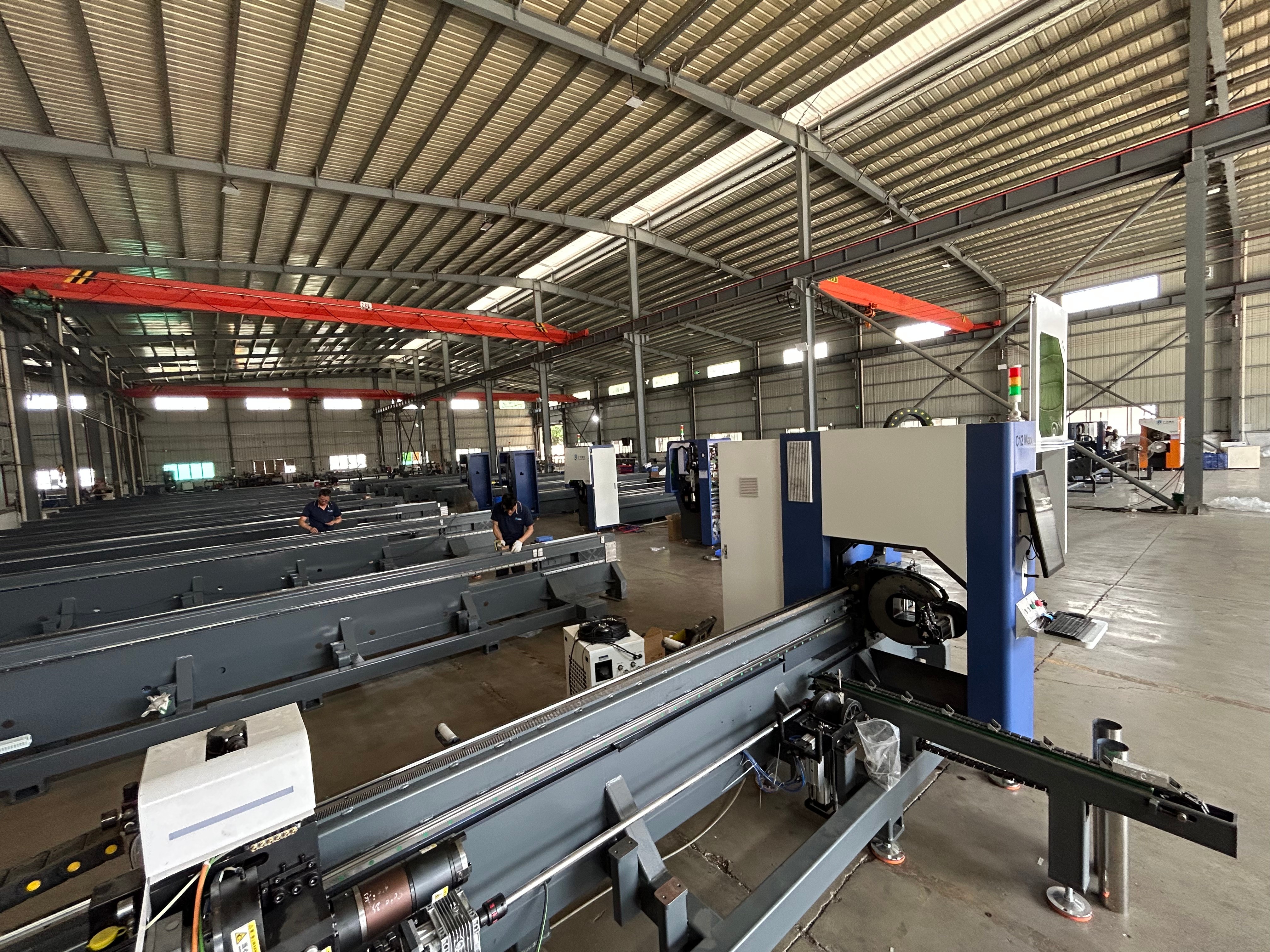
Flatbed laser cutting machines have revolutionized various industries, making them indispensable tools for both industrial and creative applications. The versatility of laser machinery allows for precise cuts in a myriad of materials, from metals to textiles. This section explores the diverse applications where flatbed laser equipment shines the brightest.
Industrial Uses in Manufacturing
In the manufacturing sector, flatbed laser cutting has become a staple due to its unmatched precision and efficiency. Laser cutting machines can swiftly process various materials like steel, aluminum, and plastics, ensuring high-quality output with minimal waste. This efficiency not only speeds up production lines but also enhances overall productivity, making it an essential component in modern manufacturing environments.
Additionally, laser cutting technology is often employed for creating intricate components that require detailed designs. From automotive parts to electronic enclosures, the ability to cut complex shapes with high accuracy makes these cutting machines invaluable. As industries continue to evolve, the demand for advanced flatbed laser equipment will only increase.
Artistic and Creative Projects
The world of art and design has embraced flatbed laser machinery as a means to push creative boundaries. Artists and designers utilize laser cutting machines to create intricate patterns and unique sculptures that would be nearly impossible using traditional methods. The precision offered by these machines allows for fine details that captivate audiences and elevate artistic expression.
Moreover, custom projects like personalized gifts or bespoke home décor items are easily achievable with laser technology. Whether it's engraving designs onto wood or cutting delicate lace patterns out of paper, the possibilities are endless when using a cutting machine laser. This fusion of technology and creativity proves that flatbed laser equipment is not just for industrial use but also a powerful tool in artistic ventures.
Signage and Branding Solutions
Flatbed laser cutting plays a crucial role in signage production—an area where clarity and impact are paramount. Businesses leverage this technology to create eye-catching signs that stand out while maintaining precision in branding elements such as logos or text styles. The ability to cut various materials like acrylics or metals ensures signage is not only visually appealing but also durable.
Additionally, customization options abound with flatbed laser machinery; companies can produce tailored signs that meet specific branding needs without compromising on quality or speed. From large-scale outdoor displays to small interior signs, the versatility of these machines caters to all types of businesses looking for effective marketing solutions. Investing in quality flatbed laser equipment can thus lead to significant enhancements in brand visibility.
Selecting the Right Laser Cutting Machine
Choosing the right laser cutting machine can feel like navigating a maze, but fear not! With the right guidance, you can find a flatbed laser equipment that suits your needs perfectly. From understanding your specific cutting requirements to knowing the latest models on the market, this section will equip you with essential insights.
Factors to Consider for Efficiency
When selecting a cutting machine laser, several factors come into play that can significantly impact efficiency. First and foremost is the material you'll be working with; different laser machines excel at cutting various materials like metal, wood, or acrylic. Additionally, consider the thickness of these materials and how quickly you need to complete projects—this will help determine what power and speed settings are necessary for optimal performance.
Another crucial factor is the size of the flatbed laser equipment; ensure it fits within your workspace while accommodating your largest projects. Don't forget about user-friendliness—look for machines with intuitive controls that allow operators to focus on creativity rather than fumbling with complicated settings. Lastly, think about maintenance and support; choosing a machine from reputable brands often means better service when issues arise.
Kiant Machinery: A Top Choice
Among all available options in the market today, Kiant Machinery stands out as an exceptional choice for anyone seeking top-notch flatbed laser equipment. Their commitment to quality ensures that every machine meets rigorous standards while offering advanced features designed for efficiency and precision in laser cutting tasks. With an impressive range of models tailored for various applications—from artistic projects to industrial manufacturing—Kiant has something suitable for everyone.
Moreover, Kiant Machinery's customer service is second to none; they provide comprehensive support throughout your purchase journey and beyond! Whether you're new to using a cutting machine laser or an experienced operator looking to upgrade your setup, Kiant's knowledgeable team is ready to assist you in making informed decisions tailored specifically for your needs.
Maintenance for Laser Cutting Efficiency
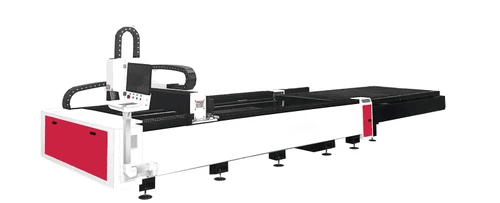
Maintaining your flatbed laser equipment is crucial for ensuring optimal performance and longevity. Just like any sophisticated machinery, regular upkeep can prevent costly breakdowns and improve the quality of your laser cutting projects. By implementing a solid maintenance routine, you can keep your laser cutting machine running smoothly and efficiently.
Routine Maintenance Tips
To keep your laser machinery in top shape, start with a consistent cleaning schedule. Regularly remove debris and dust from the cutting machine laser's optics and surfaces to maintain precision in the cutting process. Additionally, check alignment settings frequently; misalignment can lead to inaccuracies that compromise both speed and detail in design.
Don’t forget to inspect the cooling system regularly; overheating can severely affect performance and shorten the lifespan of your flatbed laser equipment. Also, lubricate moving parts as needed to ensure smooth operation, which helps prevent wear over time. Lastly, keep an eye on lens cleanliness—dirty lenses can diminish beam quality and result in subpar cuts.
Troubleshooting Common Issues
Even with proper maintenance, issues may arise with your laser cutting machine from time to time. One common problem is inconsistent cut quality; this could be due to worn-out lenses or misaligned mirrors within the system. If you're experiencing this issue, start by checking these components before diving deeper into more complex troubleshooting.
Another frequent concern is unexpected shutdowns during operation—this could indicate overheating or electrical issues within the flatbed laser equipment. Ensure that all cooling systems are functioning correctly and that there are no blockages in airflow paths. If problems persist despite these checks, it may be time to consult a professional for an in-depth evaluation of your laser machines.
The Importance of Professional Service
While routine maintenance is essential for efficiency, sometimes you need a professional touch to tackle more complicated issues with your cutting machine laser. Skilled technicians have specialized knowledge about various models of laser machinery and can diagnose problems that might go unnoticed by untrained eyes. Investing in professional service not only ensures repairs are done right but also extends the life of your equipment.
Moreover, professionals often provide valuable insights into optimizing performance based on their extensive experience with different types of flatbed laser equipment across industries. Regularly scheduled professional check-ups can also help identify potential problems before they become significant headaches down the line. In short, while DIY maintenance is vital, don’t underestimate the value of expert assistance when it comes to keeping your operations running smoothly.
Conclusion
In conclusion, flatbed laser equipment has revolutionized the manufacturing landscape, providing unmatched precision and efficiency in various cutting applications. As industries continue to evolve, the demand for advanced laser cutting machines will only increase. Embracing these technologies not only enhances production capabilities but also opens new avenues for creativity and innovation.
Enhancing Manufacturing with Laser Machinery
The integration of laser machinery into manufacturing processes has led to significant improvements in productivity and quality. With their ability to execute intricate designs with pinpoint accuracy, cutting machine lasers have become indispensable tools for modern manufacturers. By investing in high-quality flatbed laser equipment, businesses can streamline operations and elevate their competitive edge.
Future Trends in Laser Cutting Technology
As we look to the future, advancements in laser cutting technology promise even greater capabilities for users of flatbed laser equipment. Innovations such as AI integration and automation are expected to enhance the efficiency of laser machines further, making them smarter and more user-friendly. Additionally, developments in eco-friendly materials and sustainable practices will shape how we utilize laser cutting machines across industries.
Investing in Quality with Kiant Machinery
When it comes to selecting a reliable partner for your laser cutting needs, Kiant Machinery stands out as a top choice among manufacturers. Their commitment to quality ensures that customers receive state-of-the-art flatbed laser equipment designed for optimal performance and longevity. By choosing Kiant's laser machines, businesses not only invest in superior technology but also gain a trusted ally for ongoing support and maintenance.