
Introduction
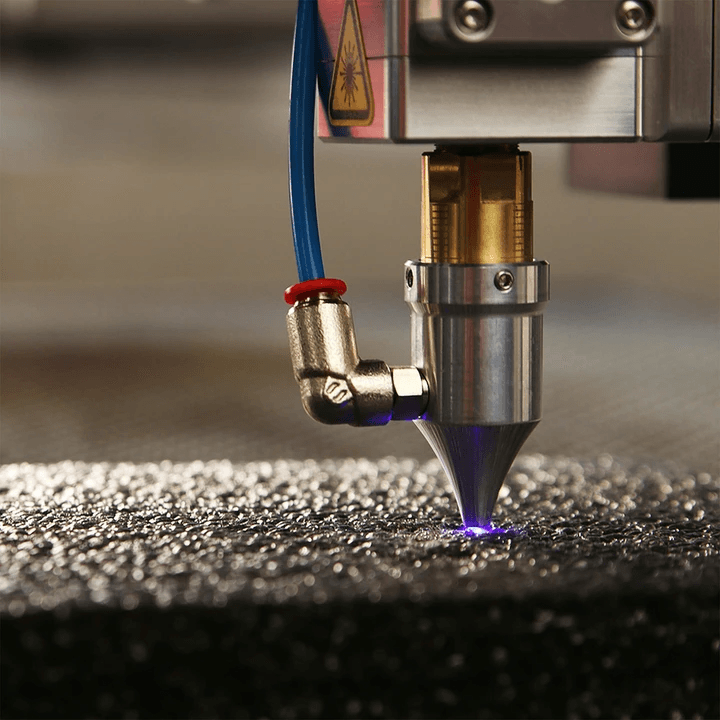
In today's fast-paced manufacturing landscape, precision laser cutting stands out as a revolutionary technique that combines speed, accuracy, and versatility. This innovative method utilizes high-powered lasers to achieve intricate cuts in various materials, from metals to plastics, making it an essential tool across multiple industries. Understanding the nuances of precision cutting is vital for businesses aiming to enhance their production processes and deliver superior products.
Understanding Precision Laser Cutting
Precision laser cutting refers to the use of focused laser beams to slice through materials with exceptional accuracy and minimal waste. Unlike traditional cutting methods that may leave rough edges or require extensive finishing work, laser cutting ensures clean lines and precise dimensions every time. This technology not only enhances the quality of finished products but also allows for complex designs that would be challenging or impossible with conventional tools.
The Evolution of Laser Cutting Techniques
The journey of laser cutting has been nothing short of remarkable since its inception in the late 1960s. Initially limited to simple applications, advancements in technology have propelled precision laser cutting into new realms, enabling more intricate designs and faster production rates. Today’s state-of-the-art systems are equipped with computer numerical control (CNC) capabilities, allowing operators to execute highly detailed cuts with unparalleled consistency and efficiency.
Applications of Precision Cutting in Industries
Precision laser cutting has found its niche across various sectors including aerospace, automotive, architecture, and beyond. In aerospace innovations, for instance, the need for lightweight yet durable components has driven the adoption of advanced cutting techniques that ensure optimal performance without compromising safety. Similarly, in automotive manufacturing and architectural design, precision-cutting methods are essential for creating parts that meet stringent specifications while fostering creative freedom in design—ultimately showcasing why precision matters so much in modern manufacturing.
The Science Behind Precision Laser Cutting
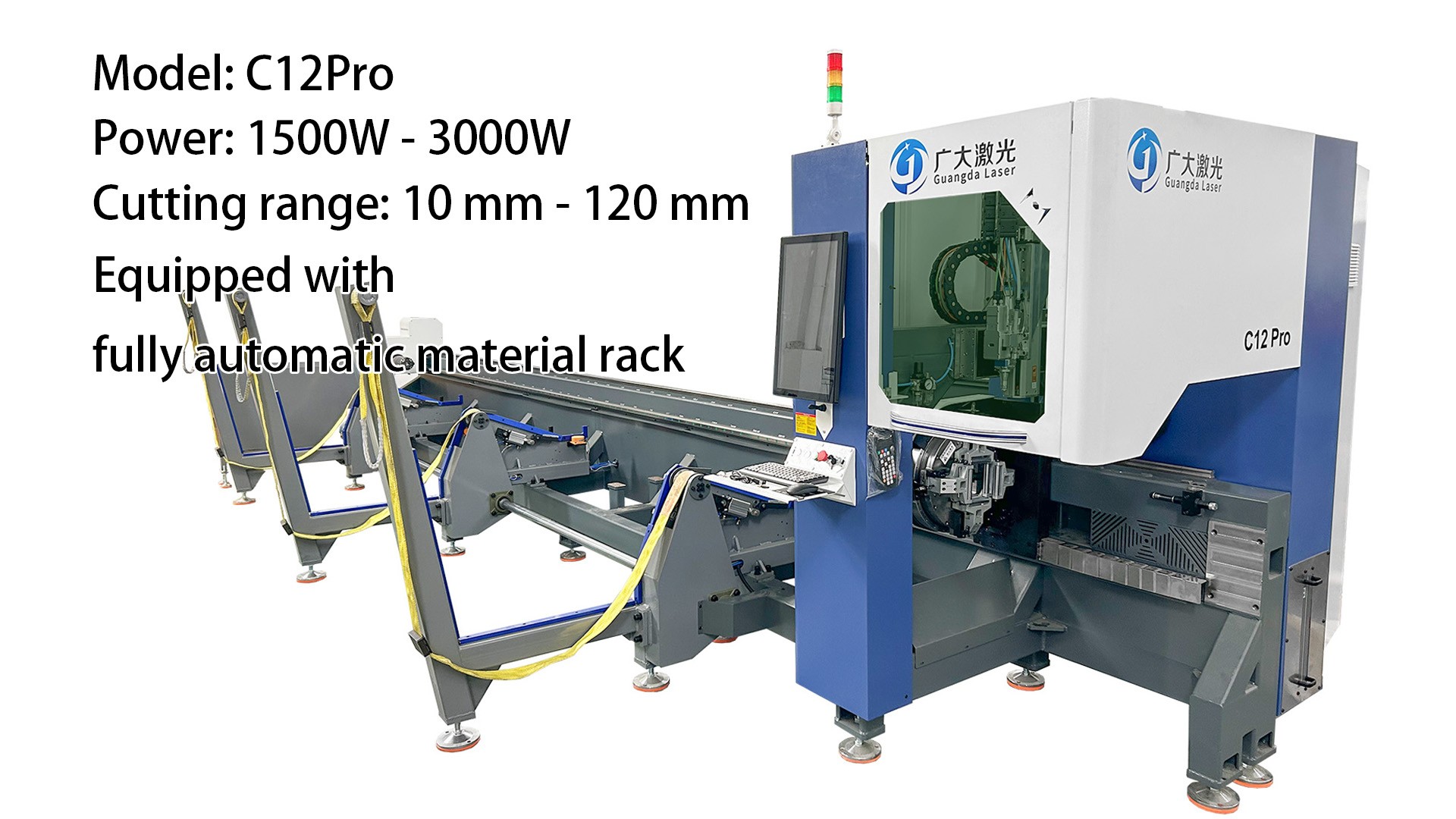
Precision laser cutting is an intricate process that merges advanced technology with fundamental physics to achieve remarkable results. At its core, this technique utilizes focused beams of light to slice through various materials with unparalleled accuracy. Understanding the science behind laser cutting not only highlights its efficiency but also reveals why it has become a staple in modern manufacturing.
How Laser Technology Works
Laser technology operates on the principle of stimulated emission of radiation, where energy is concentrated into a coherent beam of light. This concentrated light is then directed onto the material surface, generating intense heat that melts or vaporizes the material at the point of contact. By precisely controlling the movement and intensity of this cutting laser metal, manufacturers can achieve intricate designs and sharp edges that traditional methods simply can't match.
The beauty of laser precision lies in its ability to cut through different materials—be it metal, plastic, or wood—with minimal effort and maximum finesse. The speed at which lasers operate allows for rapid production cycles while maintaining high-quality outcomes in precision cutting tasks. As industries increasingly demand accuracy and efficiency, understanding how laser technology works becomes essential for optimizing production processes.
Types of Cutting Lasers Explained
When it comes to precision laser cutting, not all lasers are created equal; each type serves specific applications based on its properties and capabilities. The most common types include CO2 lasers, fiber lasers, and solid-state lasers—each offering distinct advantages depending on the material being cut. CO2 lasers are ideal for non-metal materials like wood and plastics due to their high power output and versatility.
On the other hand, fiber lasers excel in cutting metal thanks to their shorter wavelength, which allows for deeper penetration into dense materials while maintaining exceptional cutting precision. Solid-state lasers provide a middle ground by offering good performance across various materials but may not be as specialized as CO2 or fiber options for certain applications. Understanding these differences is crucial when selecting a suitable cutting laser metal for specific projects.
Factors Influencing Cutting Precision
Several factors influence cutting precision in laser operations—from beam quality to material characteristics—each playing a critical role in achieving optimal results during precision laser cutting processes. The quality of the laser beam itself affects how well it can focus on a given area; higher-quality beams yield cleaner cuts with less thermal distortion across edges.
Material thickness is another significant factor; thicker materials typically require more power and slower speeds to ensure effective penetration without compromising accuracy during precision cutting tasks. Additionally, environmental conditions such as air pressure or humidity can impact performance; thus, maintaining controlled settings is vital for consistent results in any industrial application involving laser technology.
Key Advantages of Laser Cutting
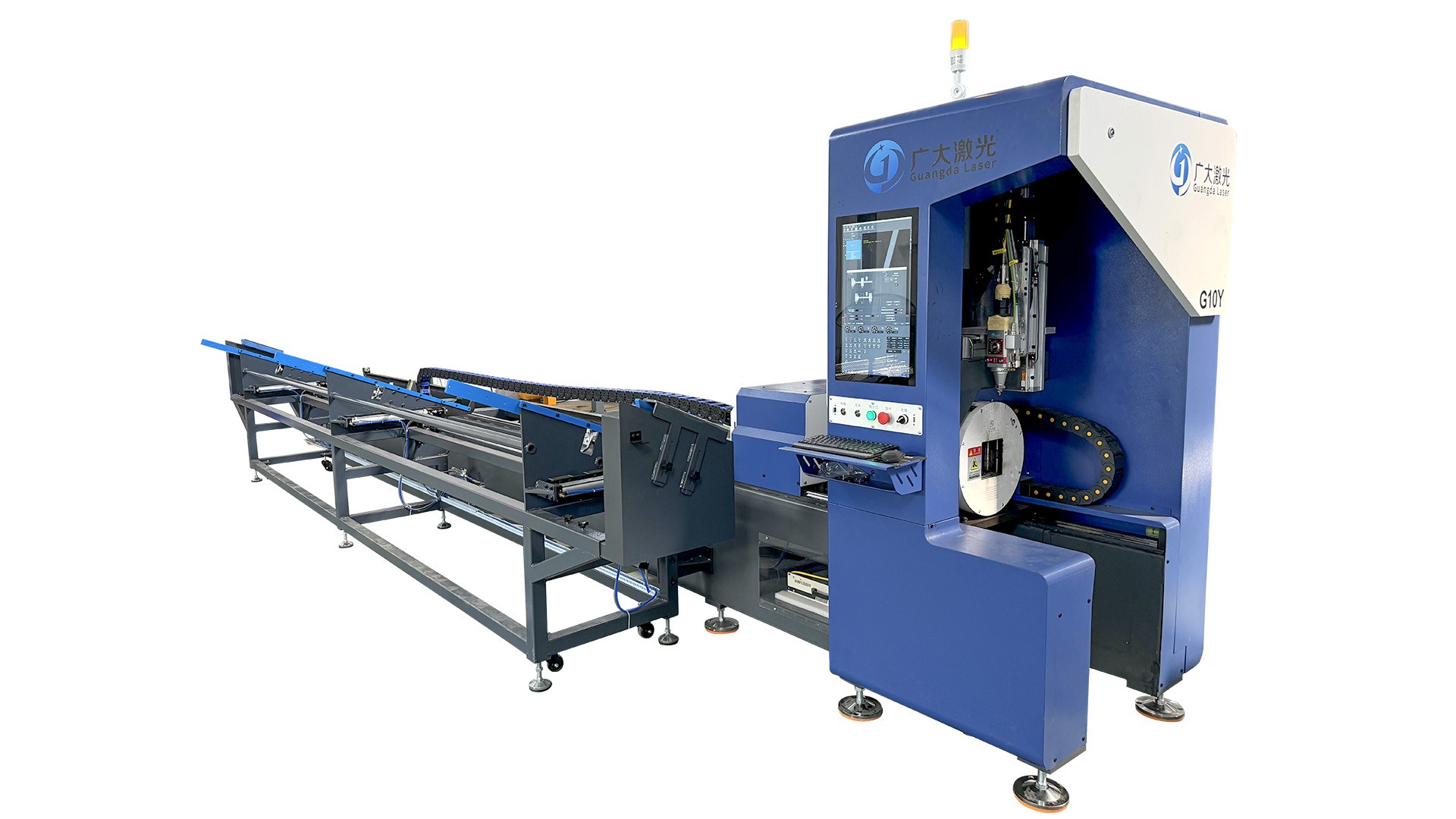
Laser cutting has revolutionized the manufacturing landscape, bringing with it a host of advantages that are hard to ignore. From its unparalleled accuracy to its ability to work with various materials, precision laser cutting is a game-changer in industries ranging from aerospace to automotive. Let’s dive into some of the key benefits that make laser cutting the go-to choice for precision applications.
Enhanced Accuracy in Designs
One of the standout features of precision laser cutting is its remarkable accuracy in designs. The technology allows for intricate patterns and fine details that traditional cutting methods simply cannot achieve, ensuring that every cut is made with pinpoint precision. This level of accuracy not only enhances the aesthetic appeal of products but also guarantees that components fit together seamlessly, minimizing errors and rework.
The use of advanced computer software alongside cutting lasers ensures that designs are executed exactly as intended, allowing for complex shapes and intricate designs without compromising on quality. Furthermore, this enhanced accuracy translates into higher production rates and reduced turnaround times, making it an invaluable asset in fast-paced manufacturing environments. When it comes to maintaining high standards in design fidelity, precision laser cutting stands unrivaled.
Versatility in Material Applications
Another significant advantage of laser cutting lies in its versatility across a wide range of materials. From metals like steel and aluminum to plastics and wood, the adaptability of cutting lasers makes them suitable for various applications. This means businesses can utilize one technology for multiple projects without needing different machines for each material type.
Moreover, precision laser cutting can handle both thin sheets and thick plates with equal efficiency, allowing manufacturers to take on diverse tasks without sacrificing quality or performance. Whether creating delicate engravings or robust structural components, the flexibility offered by laser precision enables companies to innovate continuously while meeting customer demands effectively. The versatility inherent in this technology truly sets it apart from conventional methods.
Reduced Waste and Cleaner Edges
In an era where sustainability is paramount, reducing waste during manufacturing processes has become increasingly important; here’s where precision laser cutting excels again! The focused beam produced by lasers results in minimal kerf width—meaning less material is wasted during cuts compared to traditional techniques like sawing or shearing. This efficiency not only saves money but also contributes positively towards environmental conservation efforts.
Additionally, cleaner edges produced by laser cuts eliminate the need for secondary finishing processes such as sanding or grinding—saving time and labor costs while enhancing overall product quality! With reduced waste and improved edge finishes being hallmarks of this technique's effectiveness; businesses can rest easy knowing they’re optimizing resources while delivering top-notch products consistently through their use of advanced technologies like precision laser cutting.
Best Practices for Effective Precision Cutting
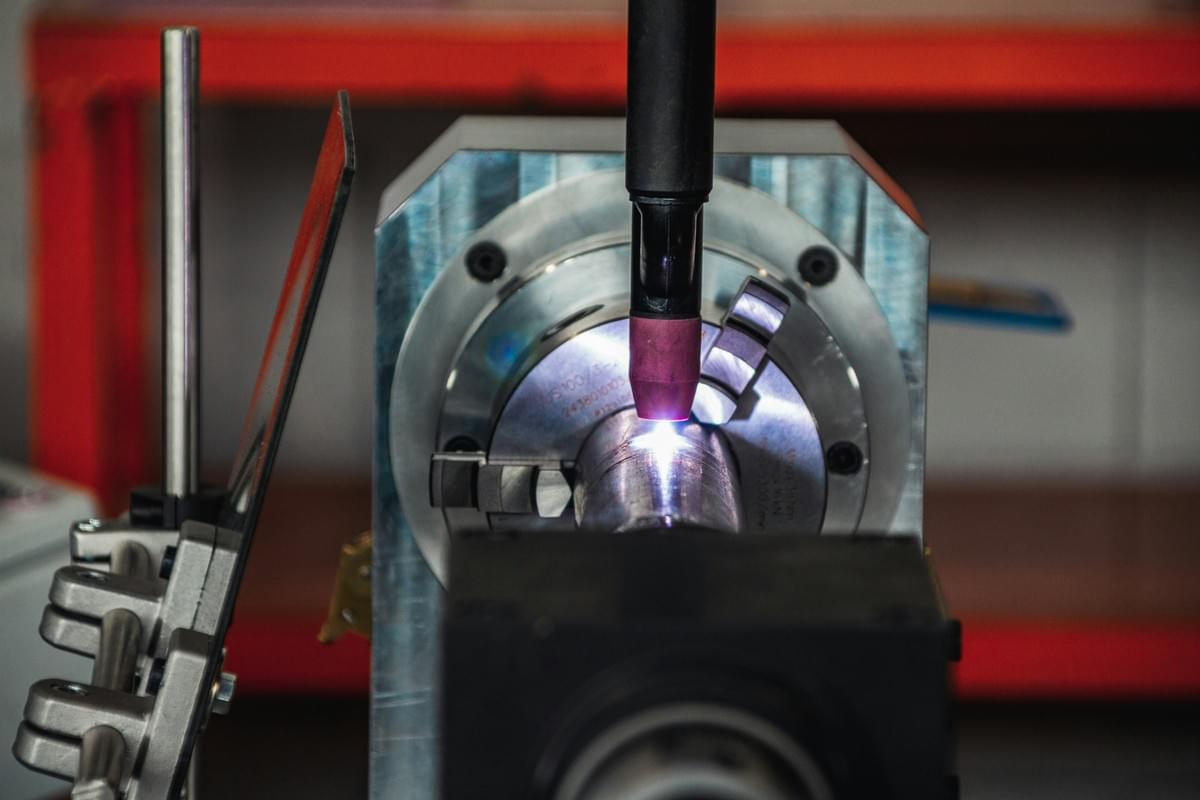
When it comes to precision laser cutting, employing best practices can significantly enhance the quality and efficiency of your operations. By focusing on the right equipment, maintenance routines, and optimized settings for various materials, you can ensure that your cutting precision remains top-notch. Let’s dive into these essential practices that every laser cutting enthusiast should consider.
Selecting the Right Equipment
Choosing the right equipment is crucial for achieving optimal results in precision laser cutting. Different types of cutting lasers are designed for specific applications, whether it's cutting metal or other materials; understanding these distinctions will help you make an informed decision. Investing in high-quality machinery not only improves accuracy but also enhances overall productivity in your projects.
In addition to choosing the type of laser, consider factors such as power output and speed capabilities when selecting your equipment. For instance, a more powerful cutting laser metal may be necessary for thicker materials, while a lower wattage might suffice for delicate designs. Remember that matching the equipment to your specific needs is key to maximizing your precision cutting efforts.
Lastly, don't overlook additional features like automation and software compatibility when selecting your laser cutter. Advanced systems can offer enhanced control over settings and allow for more complex designs with greater ease. Ultimately, investing time in choosing the right equipment will pay off with improved results and increased efficiency.
Maintenance Tips for Cutting Lasers
Regular maintenance is essential to keep your laser cutting machines running smoothly and efficiently over time. A well-maintained machine ensures consistent performance and maintains high levels of cutting precision across various applications. Start by establishing a routine inspection schedule that includes checking optics alignment, cleaning lenses, and ensuring proper cooling system function.
Another important aspect of maintenance is replacing worn-out parts promptly; neglecting this can lead to decreased performance or even costly breakdowns during critical projects involving precision laser cutting. Regularly monitoring components such as mirrors and nozzles will help maintain optimal conditions for effective operation while prolonging the lifespan of your equipment.
Finally, don’t forget about software updates! Keeping your control software up-to-date ensures compatibility with new design files and optimizes performance according to current standards in laser technology advancements. By prioritizing maintenance practices tailored specifically to your machinery's requirements, you'll enjoy enhanced reliability during all aspects of precision cutting.
Optimizing Settings for Different Materials
Each material has unique properties that influence how it interacts with laser technology; therefore, optimizing settings is vital for achieving high-quality cuts with minimal waste during precision laser cutting processes. Factors such as thickness, density, and thermal conductivity must be taken into account when adjusting parameters like speed and power levels on your cutting lasers.
For example, when working with metals like stainless steel or aluminum using a high-powered cutting laser metal system, you'll need different settings compared to softer materials such as acrylic or wood. Experimentation may be necessary initially but developing a database of optimal parameters tailored specifically to each material type will streamline future projects significantly.
Additionally, consider factors such as feed rate adjustments based on material type; slower speeds often yield cleaner edges while faster speeds may increase production rates but compromise quality if not carefully monitored during operation sessions focused on maintaining precise cuts throughout various applications in manufacturing environments involving advanced technologies like those found within contemporary industries today!
Industry Applications of Laser Cutting
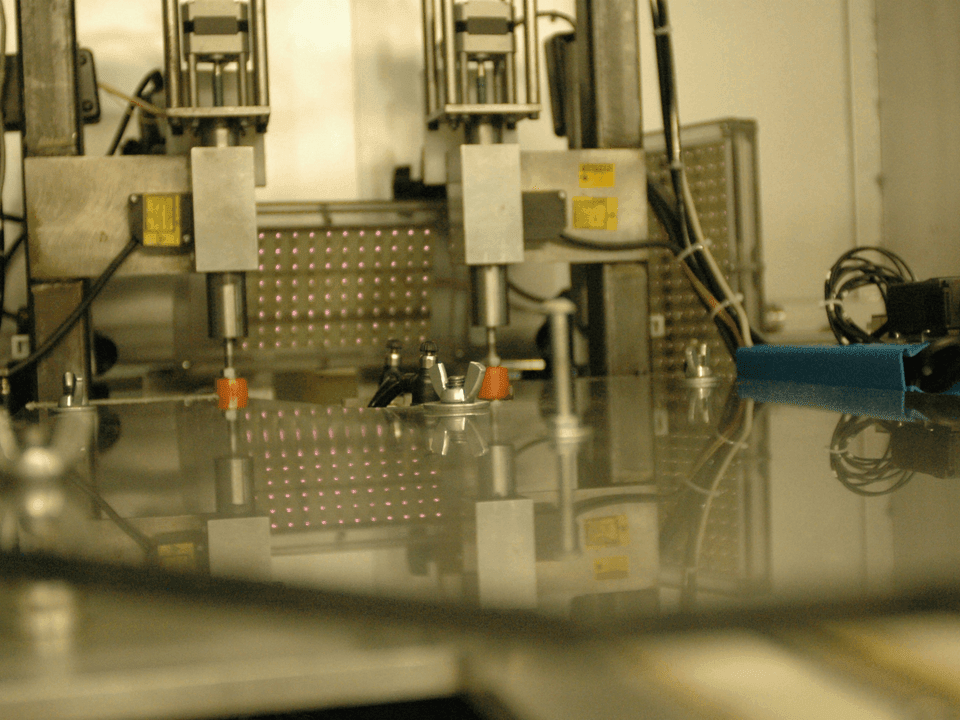
Precision laser cutting has revolutionized multiple industries, providing innovative solutions that enhance accuracy and efficiency. From aerospace to automotive manufacturing and architectural design, the applications of laser cutting are vast and impactful. Each sector benefits uniquely from the advantages offered by cutting lasers, showcasing their versatility and precision.
Aerospace Innovations with Laser Precision
In the aerospace industry, precision laser cutting is paramount for creating components that meet stringent safety standards while maintaining lightweight characteristics. The ability to cut complex shapes with high accuracy allows manufacturers to produce intricate parts that are essential for aircraft performance. With laser precision, manufacturers can reduce assembly time and improve overall efficiency in production processes.
Moreover, the use of cutting lasers in aerospace helps in minimizing material waste, a critical factor when working with expensive materials like titanium and aluminum. These lasers provide cleaner edges and precise cuts that require less finishing work, ultimately saving time and resources. As the demand for advanced aerospace technologies continues to grow, so does the reliance on precision laser cutting techniques.
Automotive Manufacturing and Cutting Precision
The automotive industry has also embraced precision laser cutting as a cornerstone of modern manufacturing practices. From body panels to intricate engine components, cutting precision plays a vital role in ensuring vehicles are both functional and aesthetically pleasing. Laser technology enables manufacturers to achieve high levels of detail while maintaining consistency across production runs.
With the increasing complexity of automotive designs aimed at improving performance and fuel efficiency, laser cutting provides an efficient solution for producing lightweight yet strong parts. This not only enhances vehicle performance but also contributes to sustainability efforts by reducing energy consumption during manufacturing processes. The integration of precision laser technology into automotive production lines exemplifies how innovation drives progress in this fast-paced industry.
Architectural Design and Laser Cutting Techniques
Architectural design has been significantly transformed through the adoption of precision laser cutting techniques that allow architects to push creative boundaries like never before. The ability to execute detailed designs on various materials such as metal, wood, or acrylic opens up new avenues for artistic expression in construction projects. With this technology at their disposal, architects can create stunning facades or bespoke elements that capture attention.
Moreover, using cutting lasers ensures that every piece fits perfectly within its intended space due to unparalleled accuracy in dimensions; this is crucial when dealing with custom architecture where even millimeters matter greatly. Additionally, the reduced waste generated during the laser cutting process aligns with sustainable building practices—an increasingly important consideration in today’s environmentally-conscious world. By harnessing the power of precision laser cutting techniques, architects can achieve both functionality and beauty in their designs.
Choosing the Right Laser Cutting Service
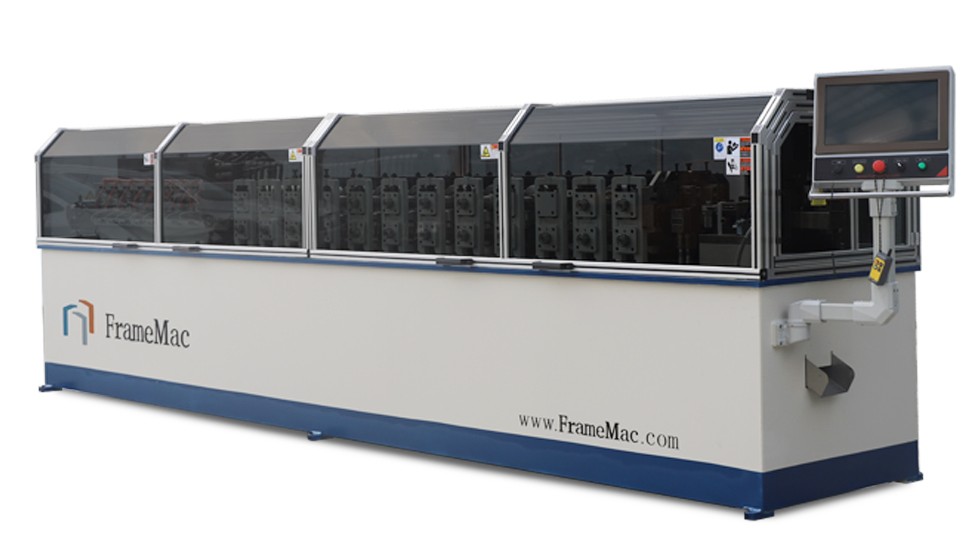
Selecting the right laser cutting service is crucial for achieving optimal results in your projects. With numerous providers in the market, understanding what to look for can make all the difference in ensuring your precision laser cutting needs are met. Factors such as technology, expertise, and customer support should be at the forefront of your decision-making process.
What to Look for in a Service Provider
When searching for a precision cutting service, start by evaluating their equipment and technology. Advanced laser cutting machines with high cutting precision can significantly impact the quality of your finished product, especially when dealing with intricate designs or tough materials like metal. Additionally, consider their experience within specific industries—whether it’s automotive or aerospace—as this can provide valuable insights into their capabilities.
Next, assess their customer service and support structure. A reliable provider will not only offer technical expertise but also be responsive to inquiries and concerns throughout the project lifecycle. Finally, ask about their turnaround times and flexibility; a good provider should be able to accommodate urgent requests without compromising on quality.
Kiant Machinery: A Leader in Laser Cutting Solutions
Kiant Machinery has established itself as a leader in precision laser cutting solutions, blending state-of-the-art technology with years of industry experience. Their advanced cutting lasers are designed to deliver unparalleled accuracy across various materials, ensuring that every cut meets stringent specifications while minimizing waste. With a strong commitment to innovation and customer satisfaction, Kiant Machinery stands out among competitors.
Their team of experts is well-versed in optimizing settings for different materials, enhancing both efficiency and effectiveness during production runs. This level of expertise translates into better outcomes for clients looking to achieve high-quality results consistently through precision cutting techniques. Furthermore, Kiant Machinery offers comprehensive support services that help clients navigate any challenges they may face during their projects.
Benefits of Partnering with Experienced Professionals
Collaborating with seasoned professionals in laser cutting brings numerous advantages that can elevate your project's success rate significantly. Experienced providers have honed their skills over time and understand how factors like material type and thickness influence cutting precision; this knowledge is invaluable when striving for perfection in design execution.
Additionally, partnering with experts means you gain access to innovative solutions tailored specifically to meet your unique requirements—whether it's intricate designs or large-scale production needs involving cutting laser metal components efficiently. The peace of mind that comes from knowing you’re working alongside professionals who prioritize quality over quantity cannot be overstated; it allows you to focus on other aspects of your project while they handle the technical details.
Conclusion
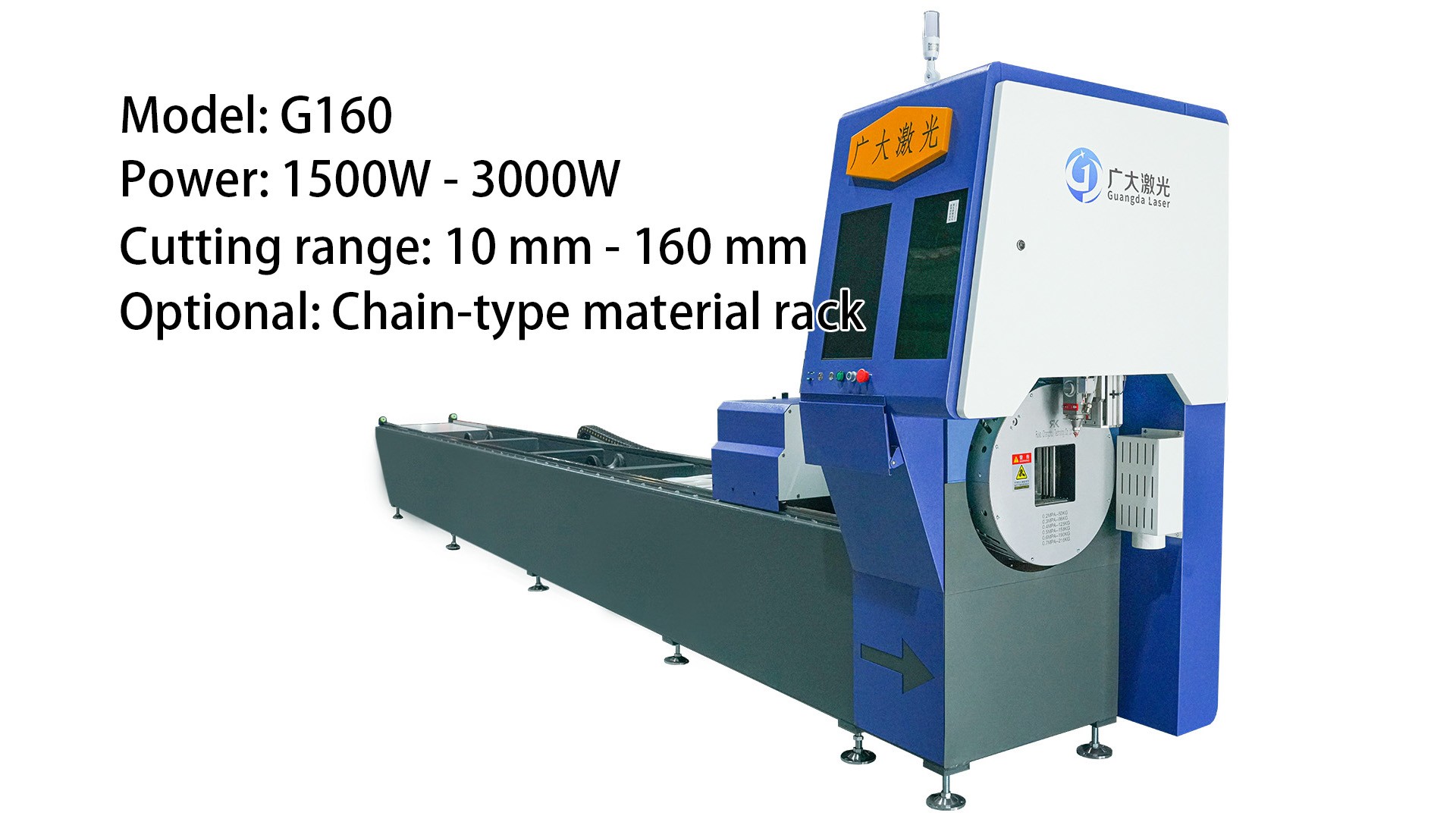
Precision laser cutting is not just a passing trend in manufacturing; it represents the future of how we approach design and fabrication across various industries. As technology continues to advance, precision cutting will become even more integral, allowing for intricate designs and applications that were once deemed impossible. The evolution of cutting lasers promises enhanced capabilities, driving innovation and efficiency in production processes.
The Future of Precision Laser Cutting
Looking ahead, the future of precision laser cutting is bright and filled with potential. We can expect to see further developments in laser technology that improve speed, efficiency, and accuracy when cutting metal or other materials. With advancements such as AI integration and smart processing systems, manufacturers will be able to achieve unparalleled levels of cutting precision that could redefine industry standards.
Innovations Shaping Laser Cutting Trends
Several innovations are currently shaping the trends in precision laser cutting that are worth noting. For instance, the advent of fiber lasers has revolutionized how we approach metal fabrication by providing greater energy efficiency and faster processing times. Additionally, advancements in software for optimizing laser paths ensure that every cut is executed with maximum efficiency while minimizing waste—a win-win situation for both manufacturers and the environment.
Why Precision Matters in Manufacturing
In manufacturing, precision matters more than ever before; it directly impacts product quality, cost-efficiency, and customer satisfaction. With precision laser cutting techniques at their disposal, businesses can create components that fit perfectly within larger assemblies—eliminating costly rework or material waste due to imprecise cuts. Ultimately, embracing high standards of cutting precision not only elevates product performance but also enhances brand reputation in an increasingly competitive marketplace.