
Introduction
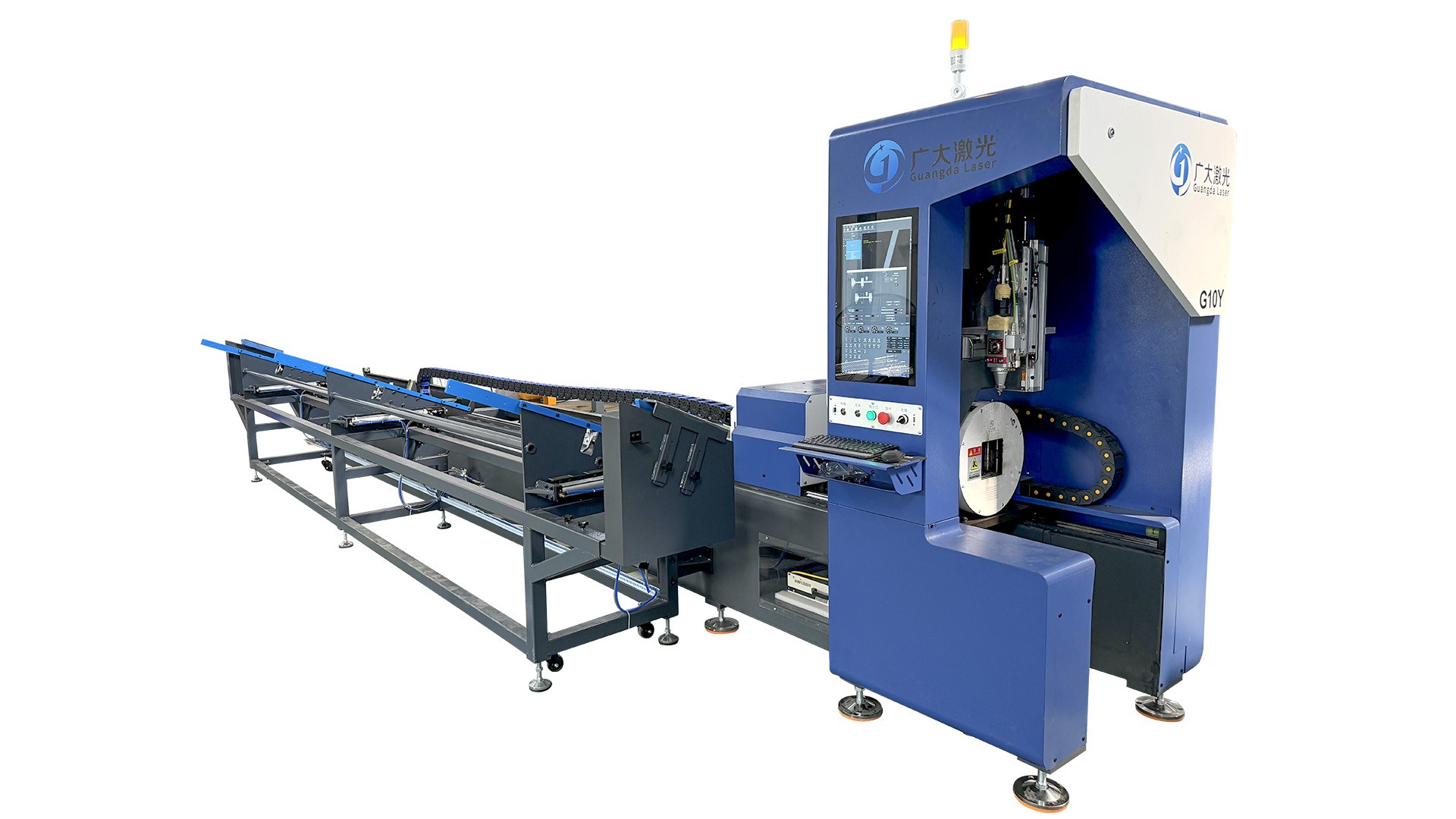
In the realm of modern manufacturing, laser pipe cutting has emerged as a game-changer, revolutionizing how industries approach precision and efficiency. This advanced technology utilizes focused laser beams to cut through various materials with remarkable accuracy, making it an indispensable tool for many sectors. As businesses strive for higher quality and reduced waste, understanding the ins and outs of laser cutting becomes essential.
Understanding Laser Pipe Cutting
Laser pipe cutting refers to the process of using a laser machine to precisely cut pipes and tubes made from different materials such as metal, plastic, or composite. The technology harnesses the power of high-intensity lasers that can create clean cuts without causing damage to the surrounding material. With advancements in laser machines, manufacturers can achieve intricate designs and complex geometries that were once deemed impossible.
Applications of Laser Cutting in Industry
Laser cutting is widely utilized across various industries including automotive, aerospace, construction, and furniture design. Each sector leverages this technology for its unique applications; for instance, automotive manufacturers use cutting machine lasers to produce lightweight components that enhance fuel efficiency. The versatility of laser pipe cutting machines allows them to adapt to different materials and specifications, making them valuable assets in any production line.
Benefits of Precision in Tube Processing
Precision is paramount in tube processing; it ensures that every cut meets exact specifications while minimizing waste material during production. With a pipe cutting laser system, manufacturers can achieve high levels of accuracy that contribute significantly to product quality and aesthetics. Moreover, this level of precision not only enhances the final product but also streamlines operational workflows by reducing rework and improving overall efficiency.
What is Laser Pipe Cutting?
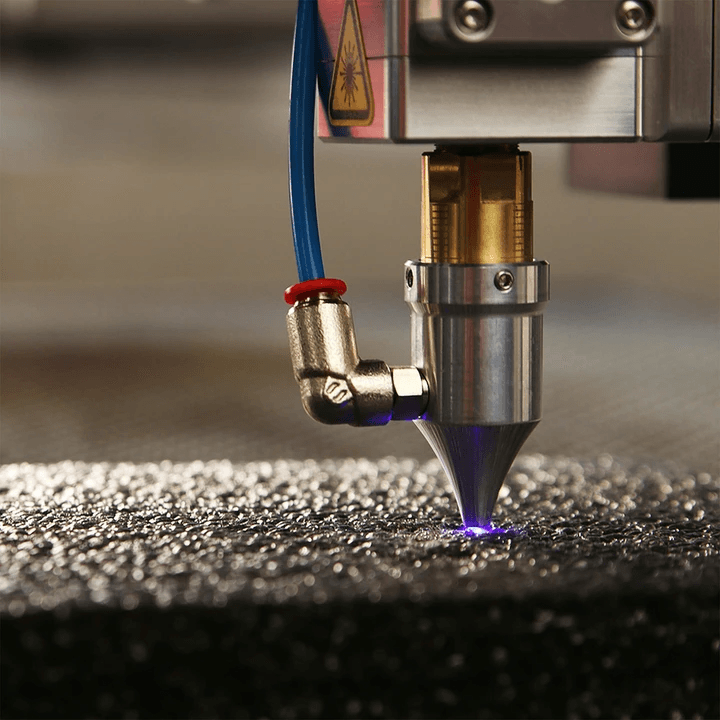
Laser pipe cutting is a modern technique that utilizes high-powered lasers to slice through various materials with precision and efficiency. This method has revolutionized the way industries approach pipe processing, allowing for intricate designs and clean cuts that traditional methods simply can't match. By harnessing laser technology, manufacturers can achieve a level of accuracy that significantly enhances their production capabilities.
Overview of Laser Technology
At its core, laser technology involves the emission of light through a process called stimulated emission, resulting in an intense beam that can be finely focused. This concentrated energy allows the cutting machine laser to easily penetrate and sever materials like metal, plastic, and even wood with remarkable speed. The versatility of laser pipe cutting makes it suitable for a wide range of applications across various industries.
Laser machines are equipped with advanced optics and control systems that enable them to execute complex cuts with minimal human intervention. The precision offered by these machines ensures that each cut is not only accurate but also consistent across multiple pieces, which is crucial in mass production scenarios. With the ability to adjust parameters such as power and speed on-the-fly, operators can optimize their processes for different materials and thicknesses.
How Laser Machines Work
The operation of a laser machine typically begins with the generation of a laser beam using either solid-state or gas-based systems. Once generated, this beam is directed through mirrors and lenses to focus it onto the material being cut—this process is known as focusing optics. When the focused beam hits the surface of the material, it melts or vaporizes it along predetermined paths defined by computer software.
In most cases, a cutting machine laser will also incorporate assist gases like oxygen or nitrogen to enhance the cutting process further; these gases help remove molten material from the cut area while simultaneously improving edge quality. This combination results in cleaner edges compared to conventional cutting methods where burrs may form due to excess heat or mechanical stress. Ultimately, this innovative approach minimizes waste while maximizing efficiency—key benefits for any manufacturer looking to streamline operations.
The integration of CNC (Computer Numerical Control) technology into laser machines allows for precise programming of cuts based on digital designs; this means complex shapes can be produced quickly without sacrificing quality. Operators simply input their design files into the system, which directs the pipe cutting laser along specified paths at high speeds—resulting in rapid turnaround times even for intricate projects.
Types of Laser Cutting Machines
There are several types of laser cutting machines tailored specifically for different applications within industries; each type comes with unique advantages suited for specific tasks in tube processing. One popular option is fiber lasers; known for their efficiency and ability to cut reflective materials like copper and brass effectively without compromising on speed or quality. These machines are often favored in manufacturing environments where productivity is key.
Another common type includes CO2 lasers; they excel at cutting non-metallic materials such as plastics or wood while delivering excellent edge finishes on thicker metals too—making them versatile tools in any workshop setting. For those dealing primarily with thin-walled tubes or delicate components requiring utmost precision, solid-state lasers offer exceptional control over power output and focus settings.
Finally, hybrid models combine features from both fiber and CO2 technologies—providing users flexibility across various materials without needing multiple dedicated machines within their facility. Choosing between these options largely depends on specific needs related to material types being processed as well as desired cut quality standards established by manufacturers themselves.
The Importance of Precision
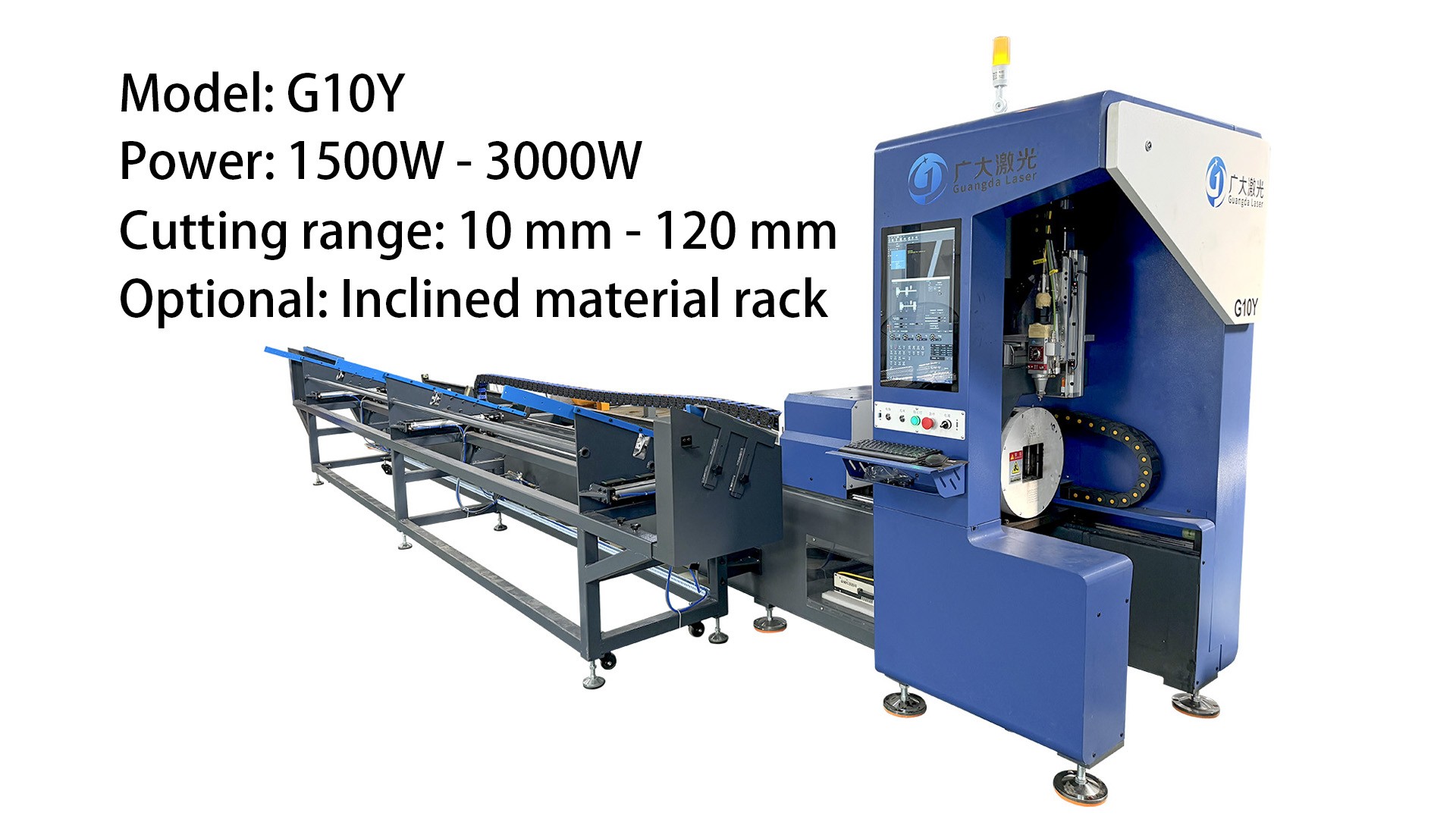
Precision is the name of the game when it comes to laser pipe cutting, and it can make or break your project. With the advent of advanced laser cutting technology, achieving high levels of accuracy in pipe processing has never been more feasible. This precision not only enhances quality control but also contributes to overall efficiency in manufacturing processes.
Quality Control in Pipe Cutting
When using a laser cutting machine for tubes, maintaining stringent quality control is essential. Laser pipe cutting allows for precise measurements and consistent results, ensuring that every cut meets specified tolerances. This level of accuracy minimizes defects and rework, ultimately leading to higher customer satisfaction and trust in your products.
Reducing Waste with Accurate Cuts
One of the standout benefits of employing a laser machine for pipe cutting is its ability to significantly reduce waste materials. With accurate cuts from a laser pipe cutting machine, manufacturers can optimize material usage, ensuring that every inch counts. By minimizing scrap and maximizing yield, businesses not only save money but also contribute to more sustainable manufacturing practices.
Enhancing Product Aesthetics
The aesthetic appeal of products made with a cutting machine laser cannot be overlooked; clean edges and precise finishes elevate the overall look and feel of any item. Laser cutting technology provides smooth edges that require little to no secondary processing, making products more visually appealing right off the production line. This attention to detail can set your offerings apart from competitors who may rely on less precise methods.
Key Applications of Laser Pipe Cutting
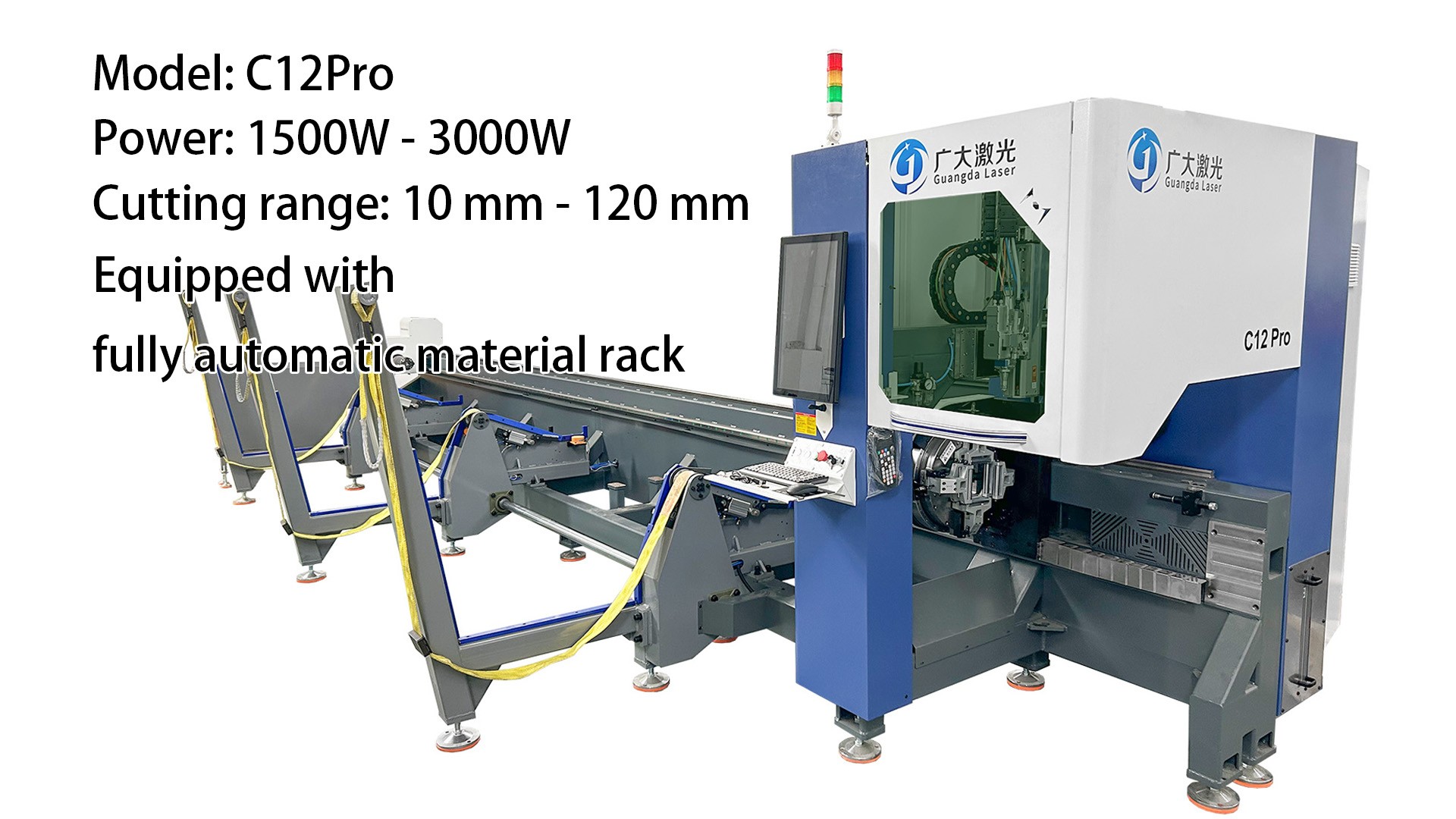
Laser pipe cutting has revolutionized various industries by providing precision and efficiency that traditional methods simply cannot match. From automotive to aerospace, the applications of laser cutting are extensive, enabling manufacturers to produce high-quality components with intricate designs. The versatility of laser machines allows them to handle a wide range of materials, making them indispensable in modern manufacturing.
Industries Utilizing Laser Cutting
Numerous industries are leveraging the advantages of laser pipe cutting technology to enhance their production processes. The automotive industry frequently employs cutting machine lasers for creating complex exhaust systems and frame components with remarkable accuracy. Similarly, the construction sector utilizes laser cutting machines for tubes to fabricate structural elements that require precise dimensions and finishes, ensuring safety and aesthetic appeal.
In addition to automotive and construction, the aerospace industry benefits greatly from laser pipe cutting due to its ability to work with lightweight yet strong materials like titanium and aluminum. The energy sector also relies on these advanced technologies for fabricating pipelines and components used in oil and gas extraction. Overall, the adaptability of laser machines makes them essential across various fields where precision is paramount.
Case Studies of Successful Implementations
One notable case study involves a leading automotive manufacturer that integrated a state-of-the-art laser pipe cutting machine into their production line. By adopting this technology, they reduced material waste by 30% while simultaneously increasing their output speed by 50%. This shift not only improved their bottom line but also enhanced product quality, demonstrating the tangible benefits of investing in a high-performance laser machine.
Another compelling example comes from an aerospace company that faced challenges with traditional machining methods when producing fuel lines for aircraft engines. By switching to a pipe cutting laser system, they were able to achieve tighter tolerances and reduce lead times significantly. This transition not only streamlined their manufacturing process but also elevated their reputation for delivering reliable components in a competitive market.
These case studies exemplify how embracing innovative technologies like laser cutting can yield significant improvements in efficiency and product quality across various sectors.
Future Trends in Pipe Cutting Technology
The future of pipe cutting technology looks incredibly promising as advancements continue to emerge at a rapid pace. One trend gaining traction is the integration of artificial intelligence (AI) within laser machines, allowing for smarter processing decisions based on real-time data analysis. This development will likely enhance operational efficiency while minimizing human error during production runs.
Moreover, there is an increasing focus on eco-friendly practices within industries utilizing laser pipe cutting technology. Manufacturers are exploring ways to reduce energy consumption during operation while optimizing material usage through advanced software solutions designed specifically for these tasks. As sustainability becomes more critical globally, innovations aimed at reducing environmental impact will drive further growth in this sector.
Lastly, we can expect continued enhancements in multi-functionality among modern laser machines; combining capabilities such as engraving or marking alongside standard cutting functions will provide manufacturers with greater flexibility than ever before. As these trends unfold over time, businesses can look forward to even more efficient workflows powered by advanced technologies like the versatile pipe-cutting laser systems available today.
Choosing the Right Laser Cutting Machine
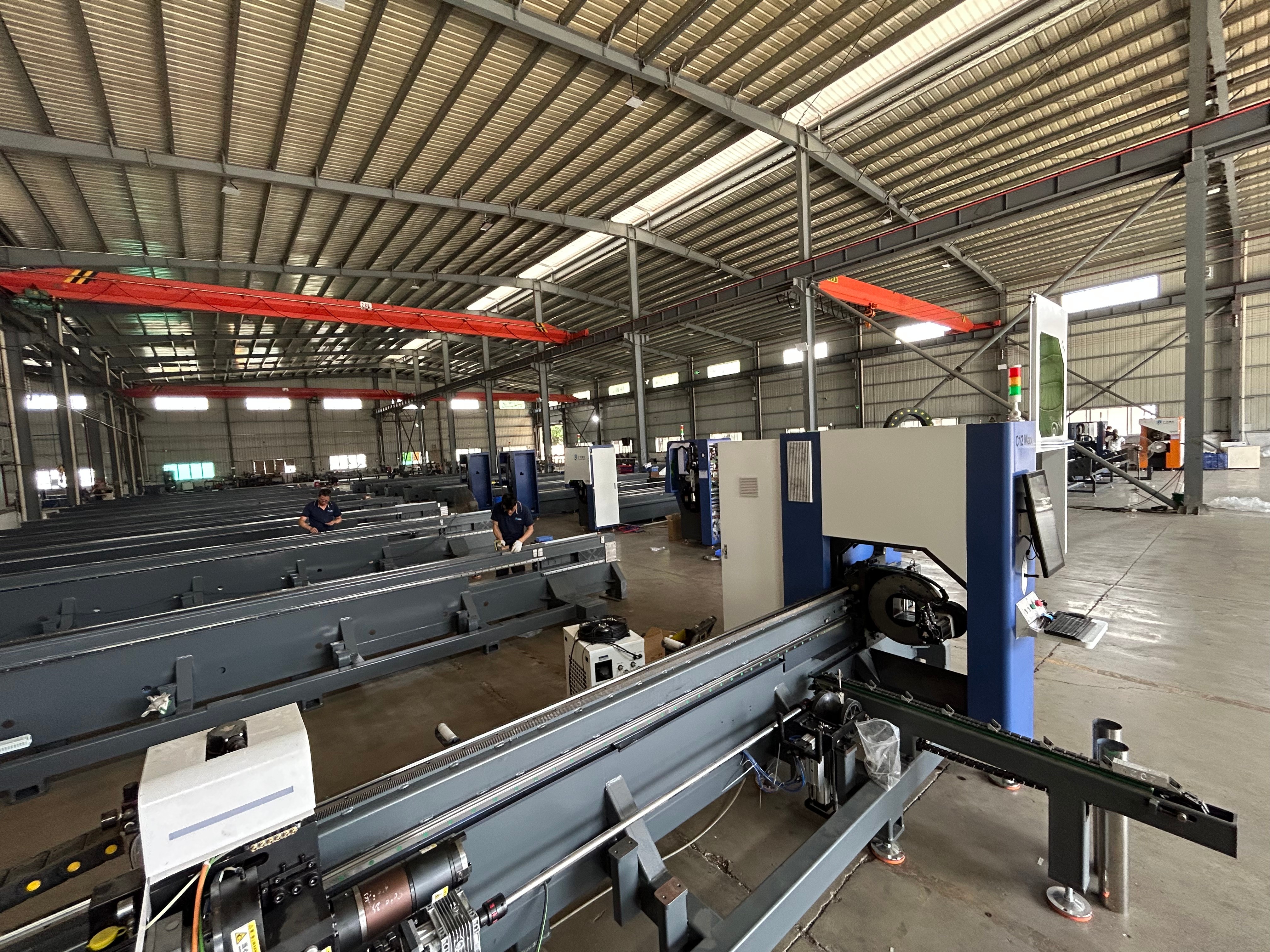
Selecting the right laser cutting machine can feel like navigating a maze of options, especially with the variety of features available in today's market. Whether you’re looking for a laser pipe cutting machine or a versatile cutting machine laser, understanding your specific needs is crucial. This section will guide you through essential factors to consider, comparisons between machines, and recommendations from Kiant Machinery to help streamline your decision-making process.
Factors to Consider for Your Needs
When choosing a laser cutting machine for tubes, several factors come into play that can greatly influence your decision. First and foremost is the type of material you plan to cut; different materials may require different types of lasers or power specifications. Additionally, consider the thickness of the pipes you'll be working with; some laser machines are better suited for thicker materials while others excel at precision cuts in thinner tubes.
Another vital consideration is the size and complexity of your projects. If you're dealing with intricate designs or larger pipe sections, investing in a high-end laser cutting machine may be necessary to ensure accuracy and efficiency. Lastly, think about your budget; while it’s tempting to go for top-of-the-line options, there are many cost-effective solutions that still deliver exceptional results in laser pipe cutting.
Comparing Laser Machines for Tubes
Comparing various laser machines can feel overwhelming given the multitude of features available on each model. Start by evaluating their power output; higher wattage generally means faster cutting speeds and greater versatility across different materials. Then look at the type of lasers used—CO2 lasers are excellent for organic materials while fiber lasers shine when it comes to metals.
Another critical aspect is software compatibility; ensure that your chosen cutting machine laser integrates well with design software you plan to use. Don’t forget about maintenance requirements either—some machines demand more upkeep than others, which can affect long-term costs and operational downtime. By weighing these factors carefully against your specific needs, you can make an informed choice that enhances productivity in pipe cutting laser applications.
Recommendations from Kiant Machinery
Kiant Machinery offers an impressive range of options tailored specifically for those looking into advanced laser pipe cutting solutions. For those requiring high precision without breaking the bank, their entry-level models provide an excellent balance between quality and affordability—perfect for small businesses starting out in tube processing!
If you're after something more robust capable of handling heavier workloads or complex designs, Kiant's premium models feature enhanced technology and superior speed—ideal for larger operations needing reliable performance day-in and day-out. With expert support readily available from Kiant Machinery’s team post-purchase, you’ll have peace of mind knowing that help is just a call away when it comes time to maintain your new equipment.
Maintenance and Support for Laser Machines
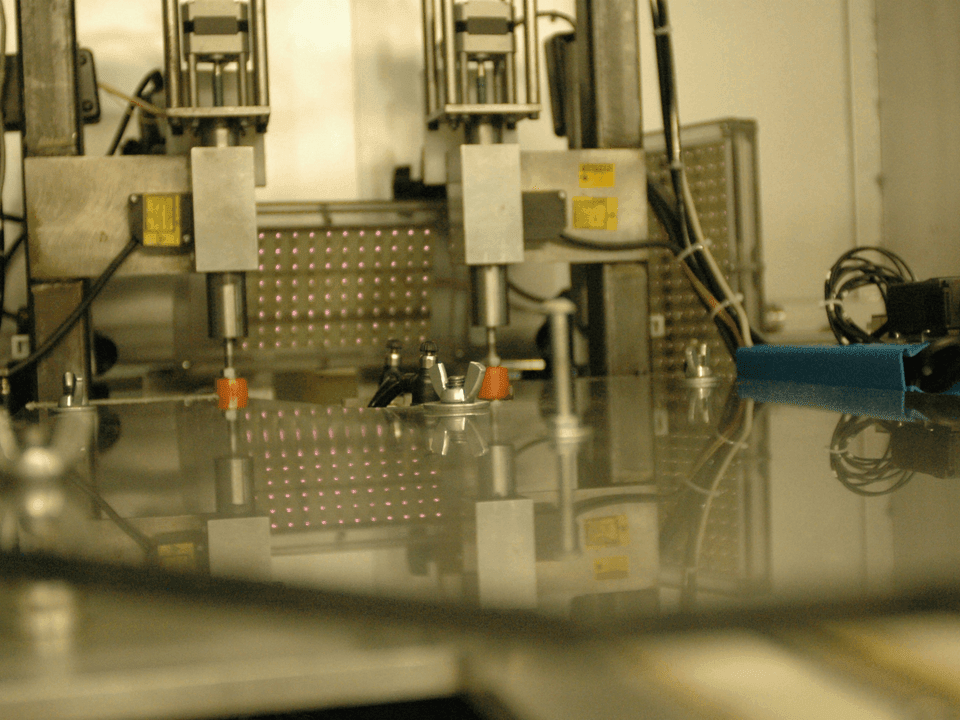
When it comes to laser pipe cutting, maintenance is not just a recommendation—it's a necessity. Regular upkeep of your laser cutting machine ensures optimal performance, prolongs the life of the equipment, and helps maintain precision in every cut. Neglecting maintenance can lead to costly downtime and compromised quality in your pipe cutting laser operations.
Importance of Regular Maintenance
Regular maintenance of your laser machine is crucial for several reasons. First, it helps identify potential issues before they escalate into major problems that could disrupt production. Second, consistent checks ensure that the cutting machine laser operates at peak efficiency, delivering the high-quality results you expect from a state-of-the-art laser pipe cutting machine.
Moreover, routine maintenance minimizes wear and tear on critical components of your laser cutting machine for tubes. By keeping everything in top shape, you not only enhance productivity but also reduce the likelihood of unexpected failures that could halt operations altogether. In short, investing time in regular maintenance pays off significantly in terms of cost savings and operational excellence.
Troubleshooting Common Issues
Even with regular maintenance, issues may occasionally arise with your pipe cutting laser system. Some common problems include misalignment of the beam or inconsistent cut quality due to lens contamination or improper settings on the laser machine. Fortunately, many troubleshooting steps can be taken to address these challenges effectively.
First and foremost, always refer to the user manual specific to your model when diagnosing issues with your laser cutting machine for tubes. Simple adjustments like recalibrating settings or cleaning optical components can often resolve minor discrepancies without professional intervention. However, if problems persist despite troubleshooting efforts, contacting a specialist familiar with your type of laser machine is advisable.
Kiant Machinery’s After-Sales Support
Kiant Machinery understands that purchasing a laser pipe cutting system is just the beginning of a long-term relationship between you and your equipment. Their after-sales support is designed to provide customers with peace of mind through comprehensive service offerings tailored specifically for each type of laser machine they sell. This includes training sessions on proper operation techniques as well as ongoing technical support whenever needed.
In addition to immediate assistance for any challenges you might face with your cutting machine laser, Kiant Machinery offers scheduled maintenance services that help keep everything running smoothly over time. Their team consists of experienced professionals who are well-versed in various models and technologies related to pipe cutting lasers—ensuring you're never left stranded when an issue arises! With Kiant’s robust support framework in place, you can focus on what truly matters: maximizing productivity while embracing innovation in tube processing.
Conclusion
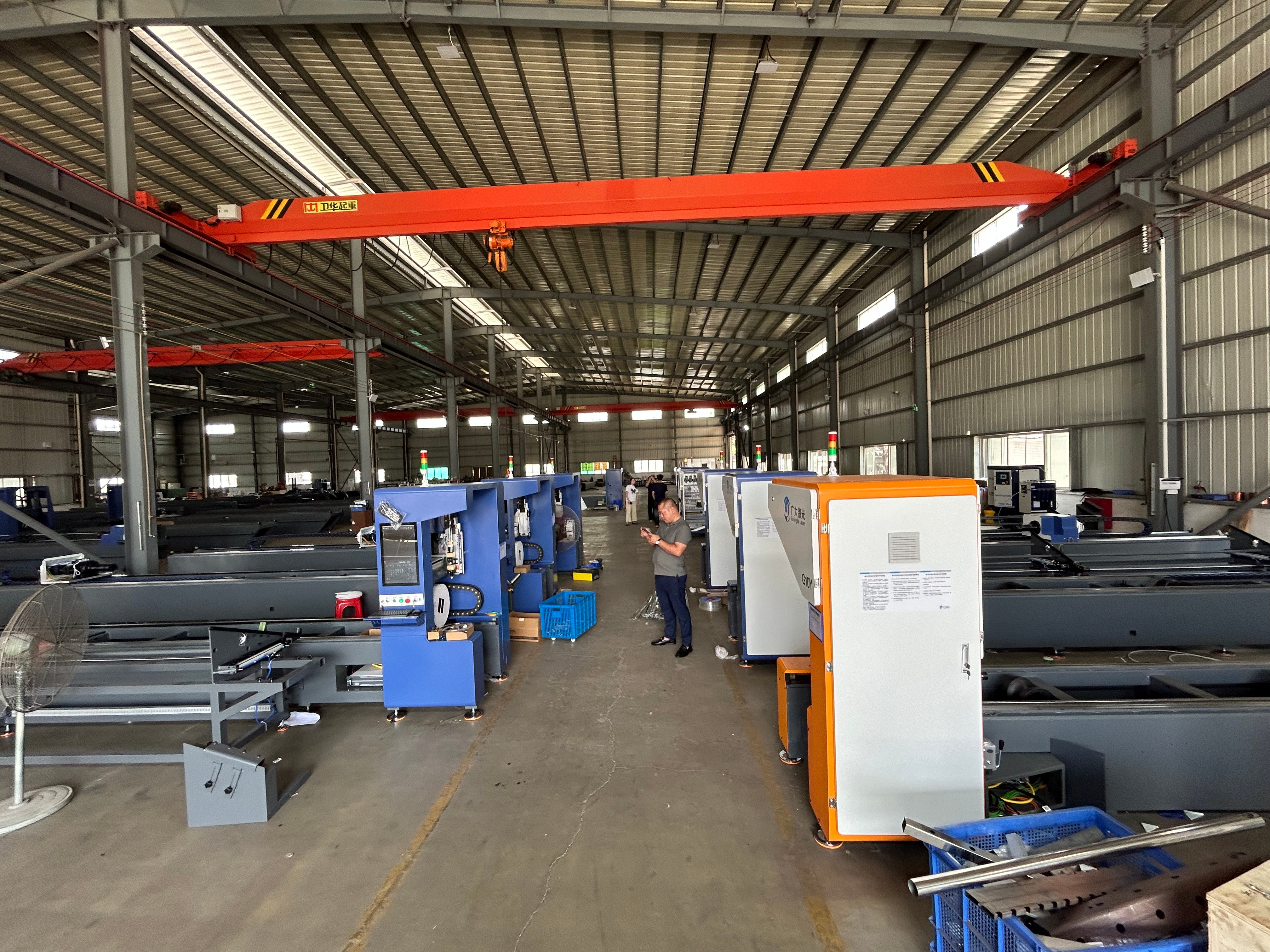
In the rapidly evolving world of manufacturing, laser pipe cutting stands out as a beacon of efficiency and precision. The integration of laser technology into pipe processing not only streamlines operations but also enhances the overall quality of products. As industries continue to embrace advanced methods, laser cutting proves to be a game-changer for businesses aiming to stay competitive.
Elevating Efficiency with Laser Technology
Laser machines are revolutionizing how we approach pipe cutting by providing unmatched speed and accuracy. With their ability to execute intricate designs and complex cuts, these machines significantly reduce production time compared to traditional methods. By implementing a cutting machine laser into your workflow, you can elevate your operational efficiency and meet market demands with ease.
Cost-Effectiveness of Laser Pipe Cutting
Investing in a laser pipe cutting machine can yield substantial long-term savings for companies looking to optimize their manufacturing processes. The precision offered by these machines reduces material waste, ensuring that every cut is utilized effectively, which translates directly into cost savings. Moreover, the durability and low maintenance needs of modern laser cutting machines for tubes further enhance their cost-effectiveness over time.
Embracing Innovation in Tube Processing
As industries evolve, so too must our approaches to production; embracing innovations like pipe cutting lasers is essential for staying ahead in the game. These advanced technologies not only improve quality but also open doors to new design possibilities that were once deemed impractical or too costly with conventional methods. By adopting state-of-the-art laser machines, manufacturers can ensure they remain at the forefront of innovation in tube processing.