
Introduction
In the fast-evolving world of manufacturing, laser cutting technology stands out as a game changer. This innovative approach utilizes high-powered beams to slice through various materials with precision and efficiency, making it an indispensable tool for many industries. Whether you're looking to cut metal or other materials, understanding the nuances of laser cutting is essential for maximizing its benefits.
Understanding Laser Cutting Technology
Laser cutting involves directing focused light onto a material to create clean and accurate cuts. The technology has advanced significantly over the years, with options like fiber lasers gaining popularity due to their efficiency and versatility. When considering a metal cutting machine laser, it’s crucial to appreciate how different types of lasers—such as fiber laser cutting machines—perform differently based on material and thickness.
Importance of Selecting the Right Manufacturer
Selecting the right laser cutting manufacturer is critical for ensuring quality and reliability in your projects. A reputable manufacturer will not only provide top-notch machinery but also offer valuable expertise that can enhance your production processes. The wrong choice could lead to subpar results, wasted resources, and missed deadlines—making thorough research paramount.
Overview of Laser Cutting Applications
Laser cutting finds applications across various sectors including automotive, aerospace, electronics, and even art installations. From intricate designs in metal to precise cuts in textiles, the versatility of cutting machines laser allows businesses to innovate continuously. As industries evolve, so too does the demand for advanced solutions provided by skilled manufacturers specializing in laser technology.
What to Look for in a Laser Cutting Manufacturer
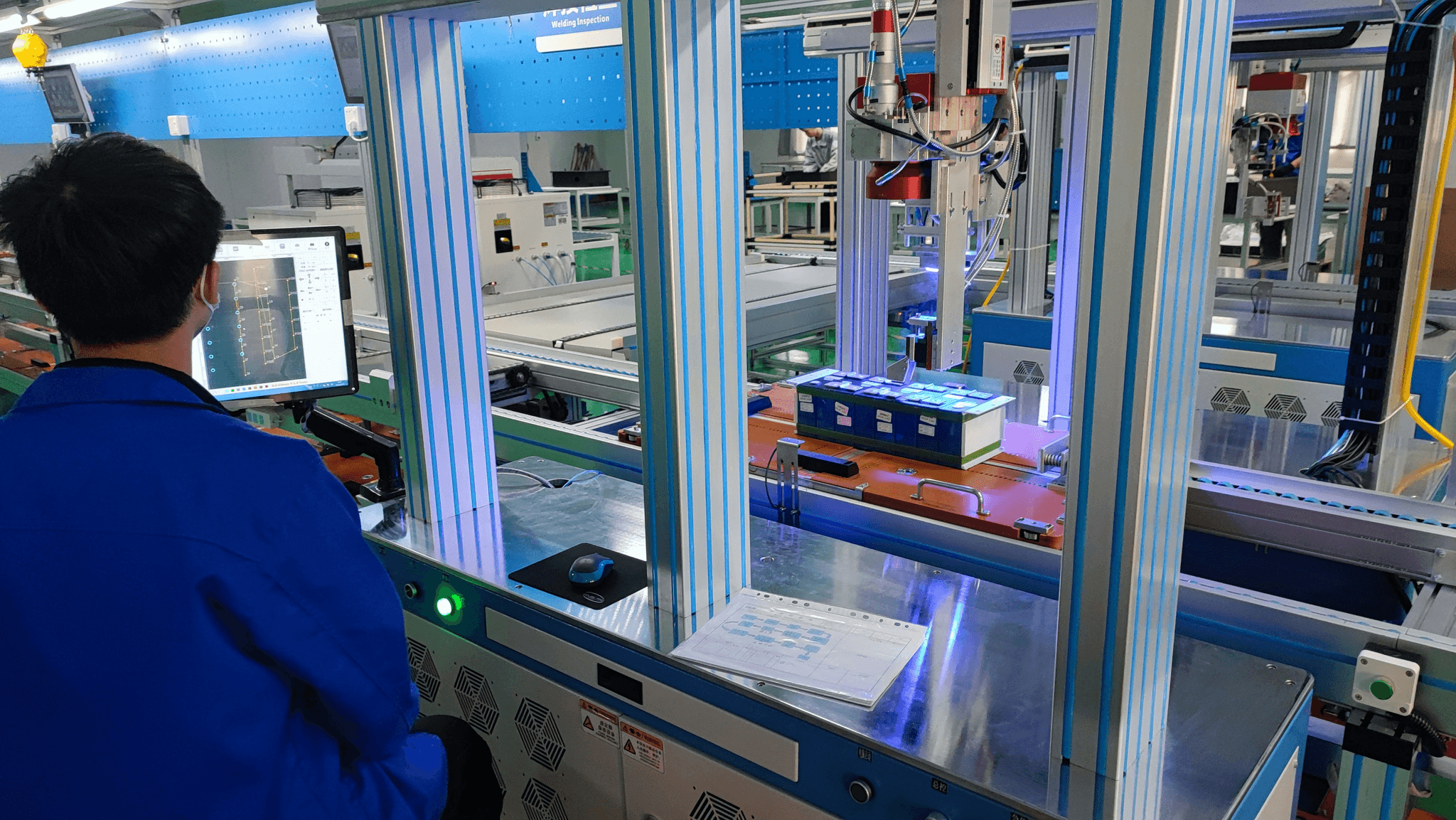
When embarking on the journey to find the right laser cutting manufacturer, it's essential to consider several key factors that can significantly impact your project's success. The capabilities of a cutting machine laser can vary widely among manufacturers, making it crucial to evaluate their offerings carefully. By focusing on industry experience, machinery quality, and compliance standards, you can ensure that you partner with a manufacturer who meets your specific needs.
Industry Experience and Expertise
Experience matters in the world of laser cutting. A manufacturer with years of expertise is likely to have honed their skills and knowledge regarding various applications of laser technology, particularly when it comes to metal cutting machines. This experience often translates into better problem-solving abilities and innovative solutions tailored for your project requirements.
Moreover, an experienced laser cutting manufacturer will be familiar with the nuances of different materials and thicknesses that can be processed using fiber lasers or CO2 technology. Their understanding of these variables ensures they can provide you with the best advice on which cutting laser metal techniques will yield optimal results for your specific needs. Ultimately, choosing a manufacturer with proven industry experience gives you confidence in their ability to deliver high-quality results.
Quality of Laser Machinery and Equipment
The quality of the equipment used by a laser cutting manufacturer plays a pivotal role in determining the precision and efficiency of your projects. High-quality machinery not only enhances performance but also ensures consistent results across various applications. When evaluating potential manufacturers, take note of whether they utilize advanced fiber laser cutting machines or other state-of-the-art technologies.
Investing in top-notch laser machinery means fewer production issues and less downtime during operations—factors that can save you both time and money in the long run. Furthermore, reliable equipment is essential for achieving intricate designs or complex cuts without compromising on quality or speed; after all, nobody wants subpar results from their metal cutting machine laser!
Certifications and Compliance Standards
Certifications are more than just fancy pieces of paper; they demonstrate a commitment to quality standards within the industry. A reputable laser cutting manufacturer should hold relevant certifications that reflect their adherence to safety regulations and operational excellence—this includes ISO certifications or other industry-specific accreditations related to fiber lasers or CO2 technologies.
Compliance with these standards not only assures you that you're working with a trustworthy partner but also minimizes risks associated with regulatory non-compliance down the line. In addition, certified manufacturers often invest in continuous improvement practices which enhance their overall service offerings—ensuring you're receiving top-tier support throughout your project lifecycle.
Evaluating Manufacturer Reputation
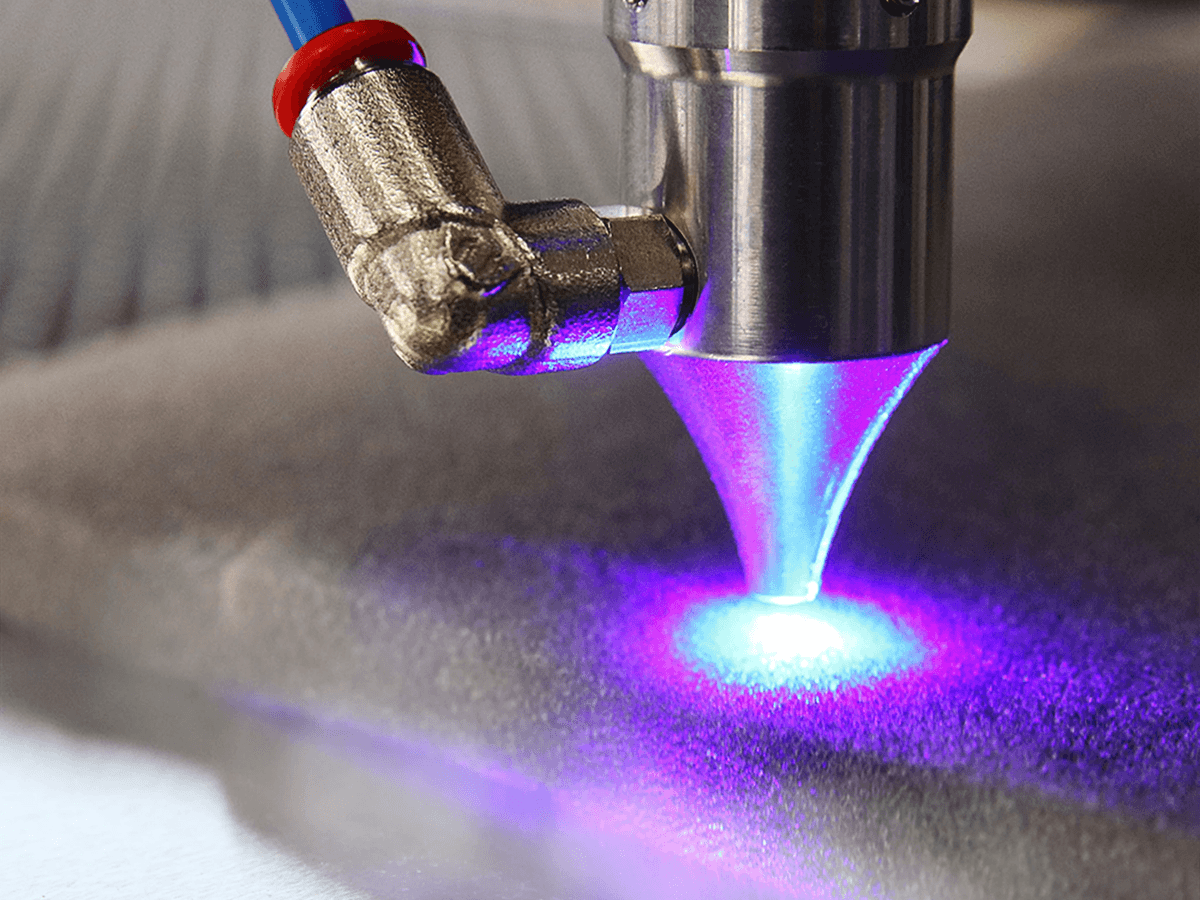
When it comes to selecting a laser cutting manufacturer, reputation is everything. A strong reputation can be a reliable indicator of quality and service, helping you navigate the crowded market of laser machinery providers. By focusing on customer reviews, industry accolades, and successful case studies, you can gain valuable insights into the capabilities of potential manufacturers.
Customer Reviews and Testimonials
Customer reviews and testimonials are like gold nuggets in the world of laser cutting manufacturers—they provide firsthand accounts that can guide your decision-making process. Look for feedback on the performance of their cutting machines, especially regarding their efficiency in metal cutting applications. Positive testimonials often highlight not just product quality but also customer support, which is crucial when working with advanced technology like fiber laser cutting machines.
In addition to reading reviews on the manufacturer's website, check third-party platforms for a more balanced perspective. These platforms often reveal both sides of the story, including any recurring issues with specific models or services offered by the manufacturer. Ultimately, a manufacturer with consistently positive feedback from customers is likely to provide reliable products and services that meet your needs in laser cutting.
Industry Awards and Recognition
Industry awards serve as badges of honor for laser cutting manufacturers, showcasing their commitment to excellence in technology and service. Awards can range from innovation accolades for advanced fiber laser technology to recognition for outstanding customer service within the metal cutting machine sector. When evaluating potential partners, take note of any awards they have received; this recognition reflects their standing among peers and customers alike.
Moreover, being acknowledged by industry organizations often indicates adherence to high standards and best practices in manufacturing processes. Such accolades can give you confidence that you're choosing a reputable company that prioritizes quality in its offerings—essential when investing in costly equipment like cutting lasers for metal fabrication projects. So keep an eye out for those shiny trophies when narrowing down your options!
Case Studies of Successful Projects
Case studies offer detailed insights into how a company has successfully delivered solutions using its machinery—be it through fiber lasers or traditional CO2 technology—across various industries. These examples not only illustrate technical prowess but also demonstrate how well they understand client needs.
By reviewing case studies relevant to your industry or specific applications (like intricate designs or high-volume production), you can gauge whether a manufacturer has experience tackling challenges similar to yours. Additionally, successful project outcomes often highlight collaboration between clients and manufacturers—a vital aspect if you're looking for ongoing support beyond just purchasing equipment like metal cutting machines with advanced features.
Types of Laser Cutting Technology

Laser cutting technology has revolutionized the manufacturing industry, offering precision and efficiency that traditional methods can’t match. With various types of laser cutting machines available, it’s essential to understand the differences and applications of each to choose the right solution for your needs. This section will delve into fiber laser cutting machines, CO2 laser technology, and provide a comparison of different laser cutting methods.
Fiber Laser Cutting Machines
Utilizing a solid-state laser source, these machines offer high power density, enabling them to cut through thick materials with ease. When selecting a laser cutting manufacturer, consider their expertise in fiber laser technology, as these machines are particularly well-suited for intricate designs and high-volume production runs.
The advantages of fiber lasers extend beyond just speed; they also require less maintenance compared to traditional CO2 systems. This translates into lower operational costs over time, making them an attractive option for businesses looking to invest in a long-term solution. If you’re focused on precision and quality in your metal cutting processes, investing in a fiber laser cutting machine could be the game-changer you need.
CO2 Laser Technology
CO2 laser technology has been around longer than its fiber counterpart and remains popular due to its versatility across various materials beyond just metals. These machines utilize a gas mixture that generates a powerful beam suitable for processing plastics, wood, glass, and even textiles alongside metal surfaces. For those considering a broader range of applications from their chosen laser cutting manufacturer, CO2 lasers present an appealing option.
Additionally, advancements in CO2 technology have led to improved efficiencies that make them competitive within specific niches of the market. Ultimately, if your projects require diverse material handling capabilities alongside metal processing with a reliable cutting machine laser setup, CO2 technology is worth considering.
Comparing Different Laser Cutting Methods
When evaluating different types of laser cutting methods—fiber versus CO2—it's important to weigh factors such as material compatibility, cost-effectiveness over time, and required maintenance levels. Fiber lasers generally shine in high-speed operations specifically tailored for metals like stainless steel or aluminum with minimal waste generation during cuts. On the other hand, if your business requires versatility across multiple materials or focuses on intricate designs rather than sheer speed alone—CO2 may be more advantageous.
Another consideration is energy consumption; fiber lasers tend to be more energy-efficient than traditional CO2 systems due primarily to their design structure which allows higher absorption rates by metals being cut through this innovative machinery type! As you explore options from various manufacturers offering either type of machine—make sure you assess how each aligns with your unique operational needs while keeping an eye out for hidden costs associated with long-term investments!
Cost Considerations When Choosing a Manufacturer
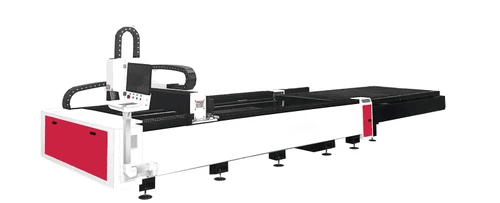
When selecting a laser cutting manufacturer, cost is often a top consideration that can greatly influence your decision. Understanding the financial implications of your choice requires a deep dive into various aspects of laser cutting services, from initial investments to hidden costs that may arise down the line. By evaluating these factors carefully, you can ensure that you're not just looking for the cheapest option but also the one that offers the best long-term value.
Initial Investment vs. Long-Term Value
The initial investment in a cutting machine laser can be substantial, especially when considering advanced technologies like fiber laser cutting machines. However, it’s crucial to weigh this upfront cost against the long-term value the equipment will provide. A more expensive but efficient metal cutting machine laser may lead to lower operational costs and increased productivity over time, making it a wise investment.
Moreover, choosing a reputable laser cutting manufacturer often means higher quality machinery and better customer support, which can save you money in maintenance and repairs later on. Keep in mind that while some manufacturers may offer lower prices initially, their equipment might not perform as well or last as long as those from more established providers. Therefore, always consider how your choice will impact your bottom line over several years rather than just focusing on immediate savings.
Understanding Maintenance and Operational Costs
Maintenance and operational costs are critical components of total ownership expenses for any laser cutting technology you choose. Regular upkeep of your fiber laser or CO2 systems is essential for optimal performance and longevity; neglecting this can lead to costly repairs or even complete breakdowns of your metal cutting machine laser. Be sure to ask potential manufacturers about their recommended maintenance schedules and associated costs before making a commitment.
Additionally, understanding operational costs like electricity usage, consumables (like lenses and gases), and labor is crucial when budgeting for your project needs. Some advanced fiber lasers are designed to be energy-efficient, which can translate into significant savings on utility bills over time compared to older models or less efficient technologies. Always calculate these ongoing expenses alongside initial investments when evaluating different options from various manufacturers.
Hidden Costs in Laser Cutting Services
When assessing potential laser cutting manufacturers, don't forget about hidden costs that could sneak up on you later! These might include fees for design modifications or unexpected charges related to material handling and shipping—factors often overlooked during initial discussions about pricing structures. It’s wise to clarify all aspects of service agreements upfront so there are no surprises once production begins.
Another common hidden cost involves training staff to operate new machinery effectively; some manufacturers provide training at no additional charge while others may bill separately for this essential service. Moreover, consider warranty details—some manufacturers offer extensive warranties covering parts and labor while others have limited coverage that could leave you exposed if something goes wrong with your equipment after purchase. By asking detailed questions about these areas before signing any contracts with a manufacturer, you’ll be better equipped to avoid those pesky budget overruns down the road.
Working with Your Chosen Manufacturer

When you've selected a laser cutting manufacturer, the real journey begins. It's crucial to establish a clear line of communication and support throughout the entire process, ensuring that your needs are met and any issues are promptly addressed. A reliable manufacturer will be proactive in providing updates, answering questions, and offering solutions tailored to your specific requirements in laser cutting.
Communication and Support During the Process
Effective communication is the backbone of a successful partnership with your chosen laser cutting manufacturer. From initial project discussions to the final stages of production, maintaining an open dialogue ensures that both parties are aligned on expectations and timelines. A good manufacturer will not only listen but also provide insights based on their experience with cutting machines like fiber lasers or CO2 lasers, helping you make informed decisions.
Support during the process goes beyond just talking; it involves hands-on assistance when needed. Whether it’s troubleshooting issues with your metal cutting machine laser or clarifying specifications for a complex project, having access to knowledgeable staff can make all the difference. Look for manufacturers who prioritize customer engagement and offer dedicated support teams familiar with their laser machinery.
Training and Installation Services
Once you've decided on a laser cutting solution, training becomes an essential part of maximizing its potential. Your chosen manufacturer should offer comprehensive training services that cover everything from basic operation of the fiber laser cutting machine to advanced techniques for optimizing performance. This ensures that your team is well-equipped to handle various tasks efficiently while minimizing downtime.
Installation services are equally important; after all, you want your new cutting machine laser up and running as soon as possible! A reputable manufacturer will provide skilled technicians for installation who understand the intricacies of their equipment and can ensure everything is set up correctly from day one. This not only saves time but also helps prevent costly mistakes during setup.
After-Sales Support and Maintenance Options
After-sales support is where many manufacturers differentiate themselves from competitors in the laser cutting industry. Ongoing maintenance options should be readily available to keep your metal cutting machine laser operating at peak efficiency over time. Regular check-ups can help avoid unexpected breakdowns and extend the lifespan of your equipment.
Moreover, consider manufacturers who offer flexible maintenance contracts tailored to fit your operational needs—whether it's routine inspections or emergency repairs when things go awry. Having access to prompt after-sales support means you can quickly resolve any issues without significant interruptions in production schedules—especially critical when working on tight deadlines.
In summary, working closely with a trusted laser cutting manufacturer involves effective communication throughout each phase—from initial discussions through training and ongoing support post-installation. By prioritizing these elements, you’ll not only enhance productivity but also foster a long-term partnership that drives innovation in your metal fabrication processes.
Conclusion
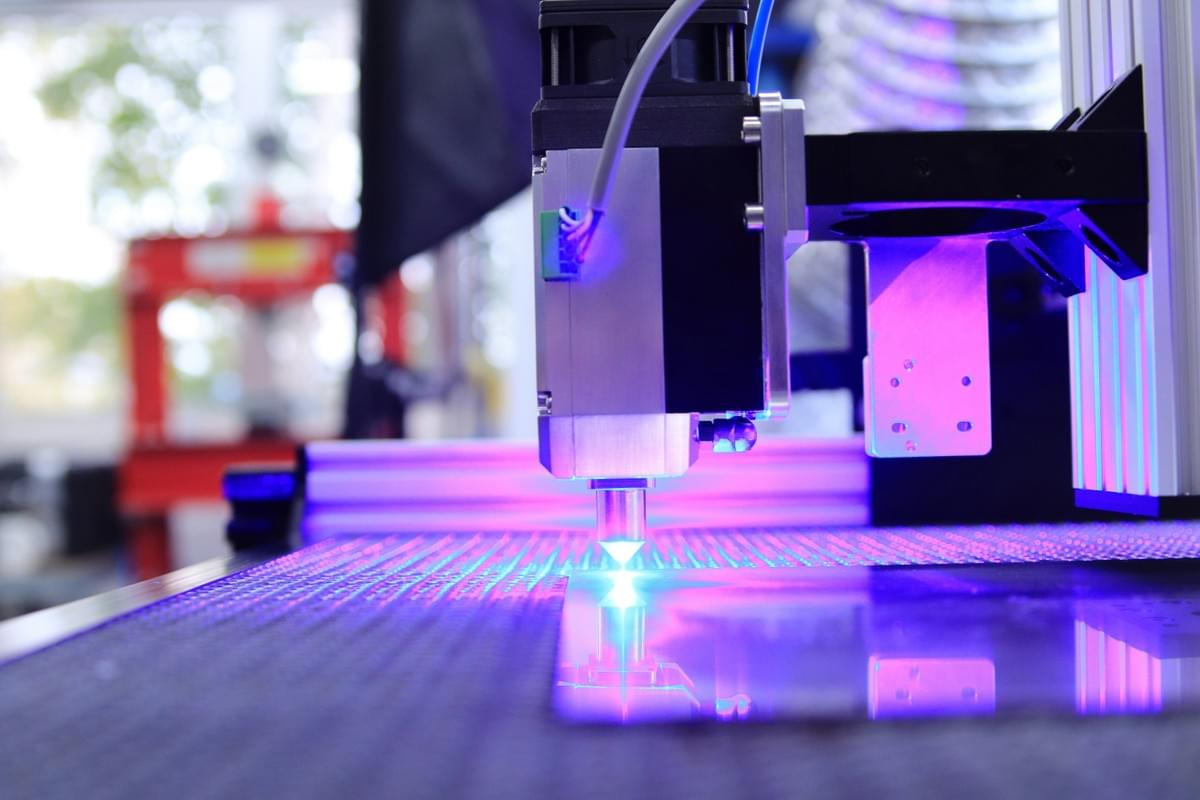
In the ever-evolving world of laser cutting technology, selecting a reliable laser cutting manufacturer is crucial for achieving high-quality results. With various options available, understanding key factors such as experience, machinery quality, and customer support can significantly impact your project’s success. As you navigate this landscape, keeping an eye on innovation and future trends will ensure your investment remains relevant and competitive.
Key Factors in Choosing a Reliable Manufacturer
When it comes to choosing a laser cutting manufacturer, several critical factors come into play. First and foremost, industry experience and expertise can make all the difference; manufacturers with a proven track record are often more adept at handling diverse projects efficiently. Additionally, ensure that they utilize state-of-the-art laser machinery like fiber laser cutting machines or CO2 systems to guarantee precision in metal cutting processes.
Another essential factor is certifications and compliance with industry standards; these credentials not only reflect the manufacturer's commitment to quality but also assure customers that safety protocols are being followed diligently. Customer reviews and testimonials provide insight into the manufacturer's reputation, offering real-life examples of their reliability in delivering high-quality services. Ultimately, the right combination of experience, equipment quality, and positive feedback will guide you toward a dependable partner for your laser cutting needs.
The Role of Innovation in Laser Cutting
Innovation plays a pivotal role in advancing laser cutting technology, continuously enhancing capabilities while reducing costs. The development of fiber lasers has revolutionized metal cutting machine lasers by increasing efficiency and improving precision across various materials. As manufacturers invest in research and development, we see new techniques emerging that streamline processes—making operations faster without compromising on quality.
Moreover, innovative software solutions now enable manufacturers to optimize designs before production begins; this ensures that every cut is executed flawlessly while minimizing waste. The integration of automation further enhances productivity by allowing for seamless operation of cutting machines without constant human intervention. In this rapidly changing landscape, staying updated on technological advancements will empower businesses to leverage the latest tools for superior results.
Future Trends in Laser Cutting Technology
Looking ahead, several trends are poised to shape the future of laser cutting technology significantly. One prominent trend is the increasing adoption of smart manufacturing practices; integrating IoT devices with fiber laser systems allows for real-time monitoring and data analysis—ultimately leading to improved efficiency and reduced downtime for metal cutting operations. Furthermore, advancements in artificial intelligence promise to enhance decision-making processes within manufacturing environments.
Sustainability is another critical focus area; as industries strive for greener practices, innovations such as energy-efficient lasers are gaining traction among environmentally conscious manufacturers seeking eco-friendly solutions without sacrificing performance or quality. Lastly, customization capabilities will continue to expand as customers demand more tailored solutions from their chosen manufacturers—a trend that highlights the importance of flexibility within modern laser machinery design.