
Introduction
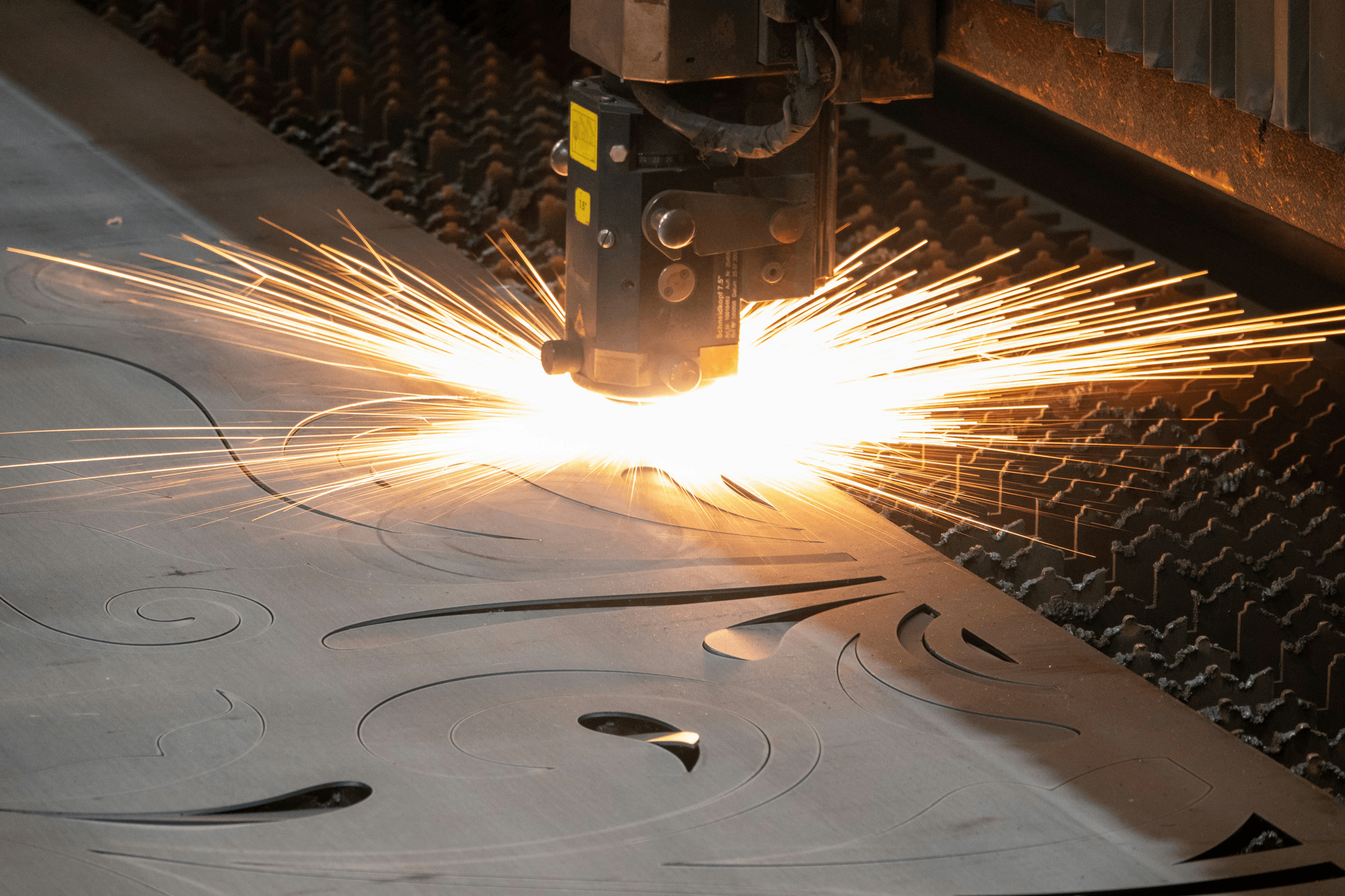
The world of manufacturing is rapidly evolving, and at the heart of this transformation lies laser cutting technology. This innovative method has revolutionized how materials are processed, offering unparalleled precision and efficiency. From intricate designs to robust industrial applications, understanding laser machinery is essential for anyone looking to stay ahead in today’s competitive landscape.
Understanding Laser Cutting Technology
Laser cutting involves using a focused beam of light to slice through materials with remarkable accuracy. This technique operates by directing high-powered lasers onto a workpiece, which can be made from various materials such as metal, plastic, and wood. The result is a clean cut that minimizes waste and maximizes detail—a far cry from traditional methods like saws or blades.
The Spectrum of Laser Machinery
When we talk about laser machinery, we're not just referring to one type of device; there's a whole spectrum ranging from industrial-grade machines to entry-level models for hobbyists. Industrial laser cutting machines are designed for heavy-duty tasks and can handle large volumes with speed and efficiency. On the other hand, entry-level options like laser etching machines cater to small businesses or individuals who want to dabble in creative projects without breaking the bank.
Industrial Versus Entry-Level Laser Machines
Industrial machines often feature advanced technology that allows for rapid metal cutting, making them ideal for large-scale manufacturing environments. In contrast, entry-level models prioritize affordability while still delivering satisfactory results—perfect for those just starting their journey into the world of laser cutting technology.
What is a Laser Cutting Machine?
Laser cutting machines are sophisticated tools that utilize focused laser beams to cut through various materials with exceptional precision. These machines have revolutionized the manufacturing landscape, offering unparalleled accuracy and versatility in cutting applications. Whether it’s for intricate designs or large-scale production, understanding how these machines work is essential for anyone venturing into the world of laser technology.
Fundamentals of Laser Cutting
At its core, laser cutting relies on a high-powered laser beam directed at a material's surface, which melts, burns, or vaporizes it away to create precise cuts. The process can be adjusted for different materials—wood, plastic, metal—making it a go-to solution across various industries. Essentially, the power and speed of the laser can be finely tuned to achieve desired results, allowing for both delicate etching and robust cutting.
Applications in Various Industries
Laser cutting technology finds applications in multiple sectors including automotive manufacturing, aerospace engineering, and even fashion design. In automotive manufacturing, for instance, metal cutting machines are vital for producing components with complex geometries that traditional methods struggle to achieve. Similarly, the aerospace industry benefits from the lightweight yet strong parts created through advanced laser machinery techniques that enhance overall performance.
Advantages Over Traditional Cutting Methods
One of the standout advantages of using a laser cutting machine is its ability to produce intricate designs without compromising on speed or efficiency. Unlike traditional cutting methods that may require extensive tooling and setup time, lasers provide quick turnaround times with minimal waste material generated during the process. Furthermore, precision is another hallmark feature; even the most detailed patterns can be replicated consistently across batches without deviation—a feat that traditional methods often fail to match.
Industrial Use Cases for Laser Cutting
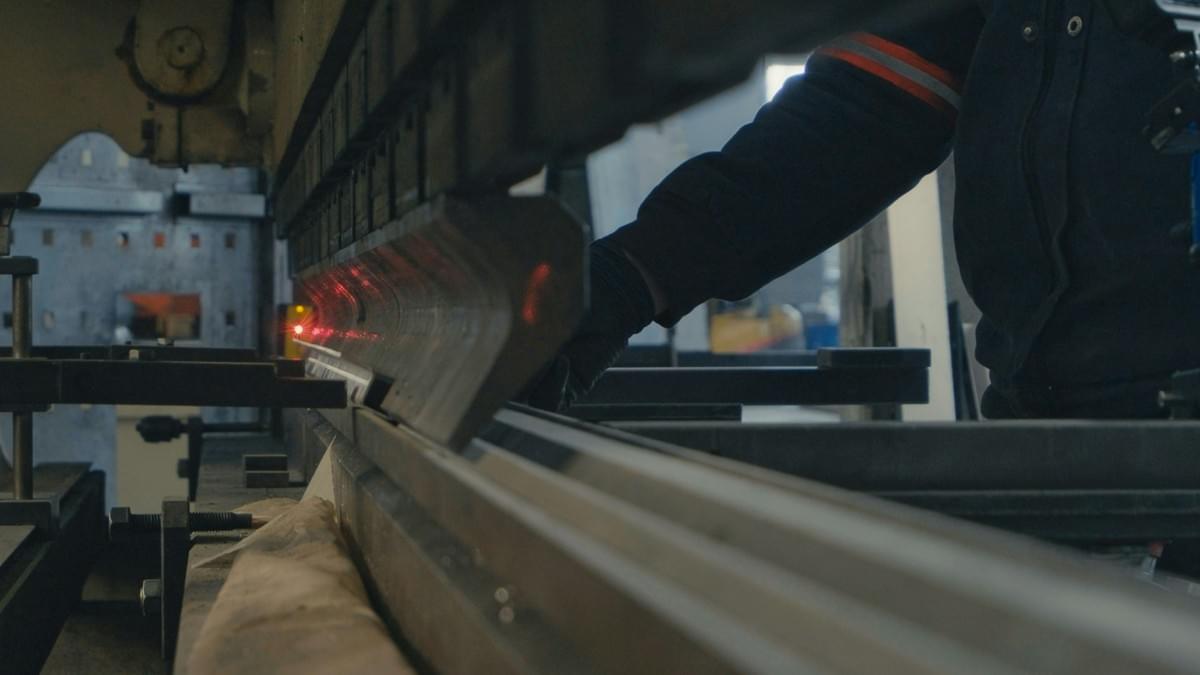
Laser cutting technology has revolutionized various industries, enabling precision and efficiency that traditional methods simply can't match. From automotive manufacturing to aerospace innovations, the versatility of laser machinery is apparent across multiple applications. As we delve into these sectors, we'll explore how laser cutting machines are redefining standards and pushing boundaries.
Automotive Manufacturing Applications
In the automotive industry, laser cutting plays a pivotal role in enhancing production speed and accuracy. Laser machines are used extensively for cutting intricate components like chassis parts, panels, and even exhaust systems with remarkable precision. The ability of a laser etching machine to create complex designs while reducing material waste makes it an invaluable asset in modern automotive manufacturing.
Moreover, the integration of metal cutting machines allows manufacturers to streamline their processes and improve overall efficiency. With lasers capable of handling various materials such as steel and aluminum, automakers can achieve higher quality outputs while minimizing costs. This combination of speed and precision ensures that automotive manufacturers remain competitive in a fast-paced market.
Aerospace Industry Innovations
The aerospace sector demands the highest levels of accuracy due to stringent safety regulations and performance requirements. Here, laser cutting technology shines by offering unmatched precision in fabricating lightweight yet durable components essential for aircraft performance. Laser cutting machines enable the production of complex geometries that would be nearly impossible with traditional methods.
Additionally, innovations like 3D laser machining have emerged within this industry to enhance capabilities further. This approach allows for intricate designs that optimize aerodynamics without compromising structural integrity—a crucial factor in aerospace engineering. As companies continue to invest in advanced laser machinery, we can expect further breakthroughs that will redefine what's possible in aviation.
Metal Fabrication and Customization
Metal fabrication is another area where laser cutting truly excels; it provides unparalleled customization options for businesses looking to create unique products or prototypes quickly. With a laser machine's ability to cut through thick metals with ease while maintaining high-quality finishes, fabricators can meet diverse client demands efficiently. Whether it's creating custom signage or bespoke metal parts, the flexibility offered by laser technology is transformative.
Moreover, the rise of entry-level laser cutting machines has made this technology more accessible than ever before—allowing smaller shops to compete alongside larger manufacturers without sacrificing quality or precision. As customization becomes increasingly important across industries, those equipped with advanced metal cutting machines will have a significant advantage over their competitors. The future is bright for businesses willing to embrace this innovative approach!
Entry-Level Laser Cutting Machines
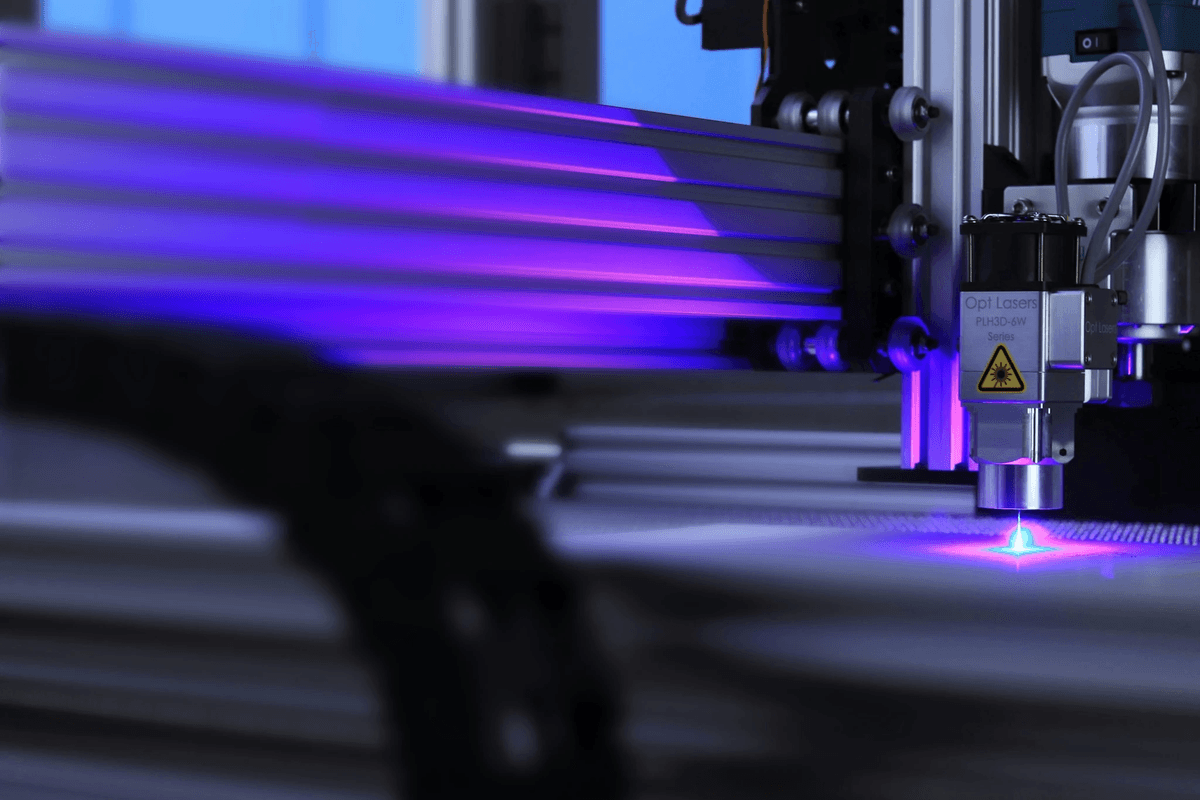
For those stepping into the world of laser cutting, entry-level laser cutting machines offer an accessible gateway. These machines are designed to be user-friendly while still delivering impressive results for various projects. Whether you're a hobbyist, a small business owner, or just curious about laser technology, there's a model that can cater to your needs without breaking the bank.
Popular Models for Beginners
The Glowforge and the Epilog Zing are often lauded for their ease of use and versatility, making them ideal choices for newcomers. Additionally, the Orion Motor Tech 40W CO2 Laser Cutting Machine provides an excellent balance between affordability and functionality, allowing users to dive into laser cutting with confidence.
Features to Look For
When selecting an entry-level laser cutting machine, certain features should be on your radar to ensure you get the best bang for your buck. Look for machines equipped with adjustable power settings; this feature allows you to customize your laser's intensity based on the material you're working with—be it wood, acrylic, or even metal! Furthermore, consider models that come with software compatibility; having user-friendly design software can significantly enhance your experience when starting out with laser etching and cutting.
Affordability and Accessibility
Affordability is often a major concern when investing in any type of equipment—including metal cutting machines like lasers. Thankfully, many entry-level options are priced competitively without compromising quality or performance. Moreover, accessibility is key; many retailers offer financing options or bundles that include essential accessories like safety goggles and exhaust systems—making it easier than ever to jump into the exciting world of laser cutting!
Comparing Performance: Industrial vs Entry-Level
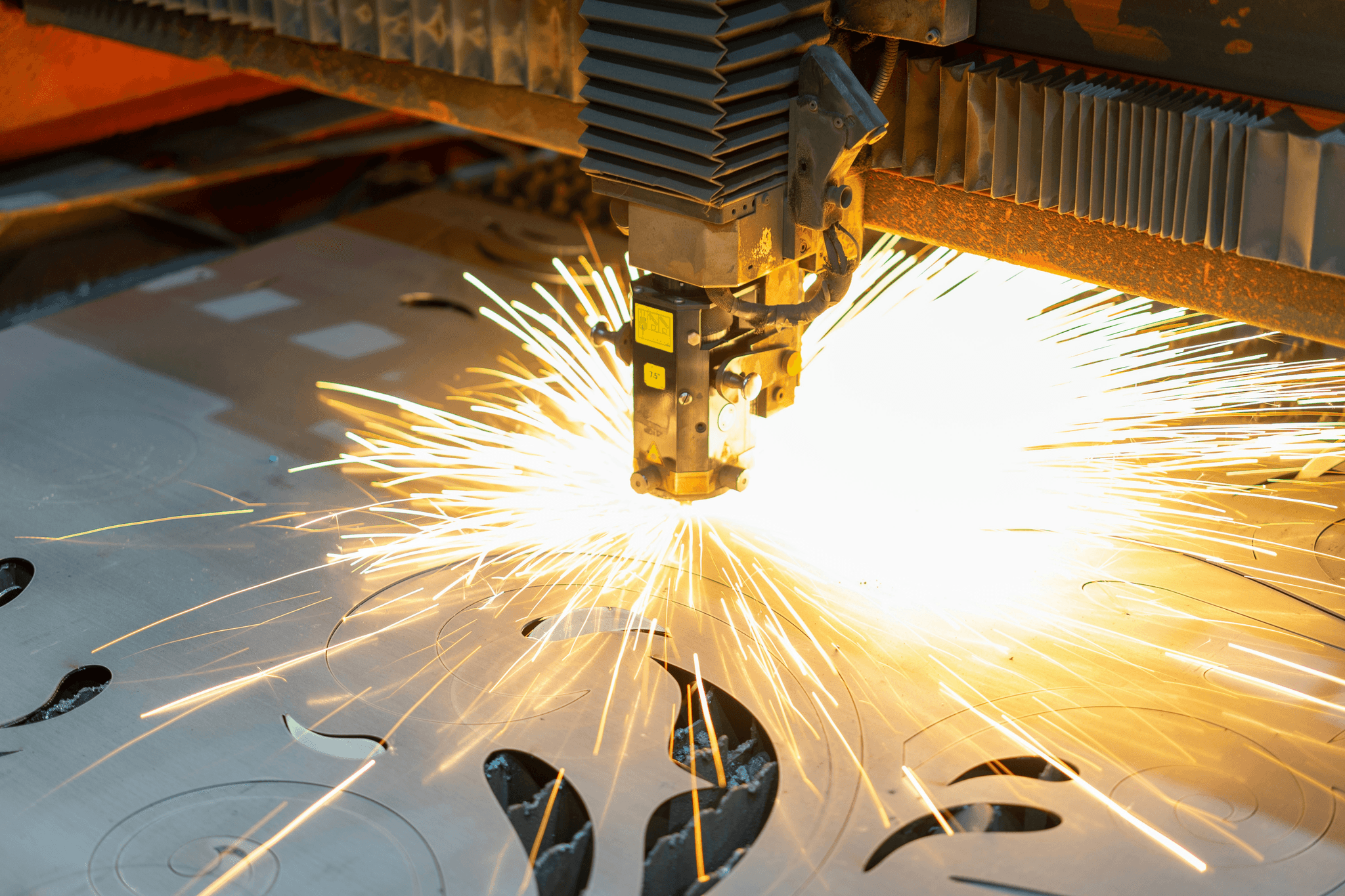
When it comes to laser cutting, understanding the performance differences between industrial and entry-level machines is crucial for making an informed decision. Whether you're a seasoned manufacturer or just starting out with a laser etching machine, the right choice can significantly impact your operations. Let's dive into the key performance metrics that set these two categories apart.
Speed and Efficiency in Metal Cutting
Speed is often the name of the game in metal cutting processes, especially in high-demand environments like automotive manufacturing or aerospace industries. Industrial laser machinery typically boasts faster cutting speeds due to their robust build and advanced technology, allowing for high-volume production without sacrificing quality. In contrast, entry-level laser cutting machines may operate at slower speeds but are still efficient enough for small-scale projects or hobbyist applications.
Efficiency also plays a significant role in determining overall productivity. Industrial-grade laser cutting machines are engineered for continuous operation, minimizing downtime during maintenance or material changes. Meanwhile, entry-level models offer decent efficiency for newcomers who may not require relentless operation but still want reliable performance for their specific needs.
Precision and Quality for Different Needs
When it comes to precision, industrial laser machines shine brightly with their ability to produce intricate cuts and designs consistently across various materials. The advanced optics and control systems found in these machines ensure that even the most complex shapes are executed flawlessly, making them ideal for industries where detail matters most—like aerospace or custom metal fabrication. On the other hand, entry-level laser cutting options can still deliver impressive precision but may lack some of the finer adjustments available in more expensive models.
Quality assurance is another critical aspect where industrial machinery tends to excel; they often come equipped with features that enhance cut quality while reducing kerf width—resulting in cleaner edges and less post-processing work required. For beginners using an entry-level laser etching machine, achieving similar quality might take some practice and experimentation with settings but is definitely attainable over time.
Scalability for Future Growth
Scalability is a vital consideration when investing in any type of manufacturing equipment—including laser machinery. Industrial-grade systems are generally designed with future expansion in mind; they can handle increased workloads as your business grows without requiring significant upgrades or replacements down the line. This capability allows manufacturers to invest confidently knowing that their equipment will keep pace with demand.
In contrast, entry-level machines serve as excellent stepping stones into the world of laser cutting but may have limitations when it comes to scaling up operations later on—especially if you find yourself needing higher speeds or larger work areas as your projects evolve over time. However, many users start with these affordable options precisely because they allow hands-on learning while providing solid performance until they're ready to transition into more powerful metal cutting machines.
The Role of Kiant Machinery

Kiant Machinery stands at the forefront of the laser cutting industry, offering a diverse array of laser machinery that caters to both industrial and entry-level users. Their commitment to innovation ensures that clients have access to state-of-the-art laser cutting machines designed for maximum efficiency and precision. By bridging the gap between advanced technology and user-friendly solutions, Kiant Machinery is redefining what it means to work with lasers.
Advanced Solutions for Industrial Applications
For industries that demand high-performance metal cutting machines, Kiant Machinery provides advanced solutions tailored to specific needs. Their laser cutting machines are equipped with the latest technology, allowing for rapid processing without sacrificing quality. Whether it's intricate designs in aerospace or robust components in automotive manufacturing, these machines deliver exceptional results that enhance productivity and reduce waste.
Supporting Entry-Level Users
Kiant Machinery understands that not everyone starts as a seasoned pro in the world of laser cutting. That's why they offer a range of entry-level laser etching machines designed specifically for beginners who are eager to dive into this exciting field. With intuitive interfaces and simplified operation, these machines empower new users to explore their creativity while gaining valuable experience in laser technology.
Training and After-Sales Support
Investing in a laser machine is just the beginning; ongoing support is crucial for success in any venture involving laser cutting. Kiant Machinery excels in providing comprehensive training programs tailored to their customers’ needs, ensuring that users can maximize their equipment's potential from day one. Additionally, their robust after-sales support guarantees assistance whenever challenges arise, making sure users feel confident navigating their journey with laser machinery.
Conclusion
In conclusion, navigating the world of laser cutting technology requires a clear understanding of your specific needs and the capabilities of various laser machinery. Whether you're an industrial giant or a hobbyist exploring entry-level options, recognizing the nuances between different types of laser cutting machines is vital. As you embark on your journey into the realm of laser and laser applications, consider how each machine aligns with your objectives.
Key Considerations for Your Laser Needs
When selecting a laser cutting machine, begin by evaluating the materials you'll be working with and their respective thicknesses. Different metal cutting machines offer varying levels of power and precision, which can significantly impact your project's outcome. Moreover, consider factors such as speed, ease of use, maintenance requirements, and available features in both industrial and entry-level models.
Additionally, think about whether you'll require advanced functionalities like laser etching or engraving capabilities alongside standard cutting features. This will help you choose a versatile machine that can adapt to future projects without needing an upgrade soon after purchase. Ultimately, aligning your choice with your operational needs ensures that you maximize both efficiency and productivity.
Finding the Right Balance Between Cost and Quality
Investing in a quality laser machine often means balancing upfront costs with long-term benefits like durability and performance efficiency. While it might be tempting to go for budget-friendly options when considering entry-level machines, skimping on quality could lead to higher operational costs down the line due to increased maintenance or replacement needs. Therefore, it’s crucial to analyze not just price tags but also overall value—think about how much time saved translates into cost-effectiveness over time.
On the other hand, industrial-grade machines come with their own set of financial considerations; they are typically more expensive but promise greater longevity and capability for high-volume production tasks. Assessing whether these benefits justify their costs based on your production scale is essential for making an informed decision that serves both immediate needs and future aspirations in metal cutting applications.
Future Trends in Laser Cutting Technology
The landscape of laser cutting technology is rapidly evolving as innovations continue to emerge across various industries. We can expect advancements in automation processes that enhance precision while reducing human error—making operations smoother than ever before with improved software integration in modern laser machinery systems. Furthermore, developments in eco-friendly practices are paving the way for more sustainable manufacturing processes through energy-efficient lasers that minimize waste.
As we look ahead, trends such as increased customization options via sophisticated programming tools will likely become standard features in both industrial-grade machines and entry-level models alike—allowing users greater creative freedom when designing intricate cuts or etchings using their preferred laser etching machine solutions. Staying abreast of these trends not only helps businesses remain competitive but also ensures they harness the full potential offered by modern advancements in laser technology.