
Introduction
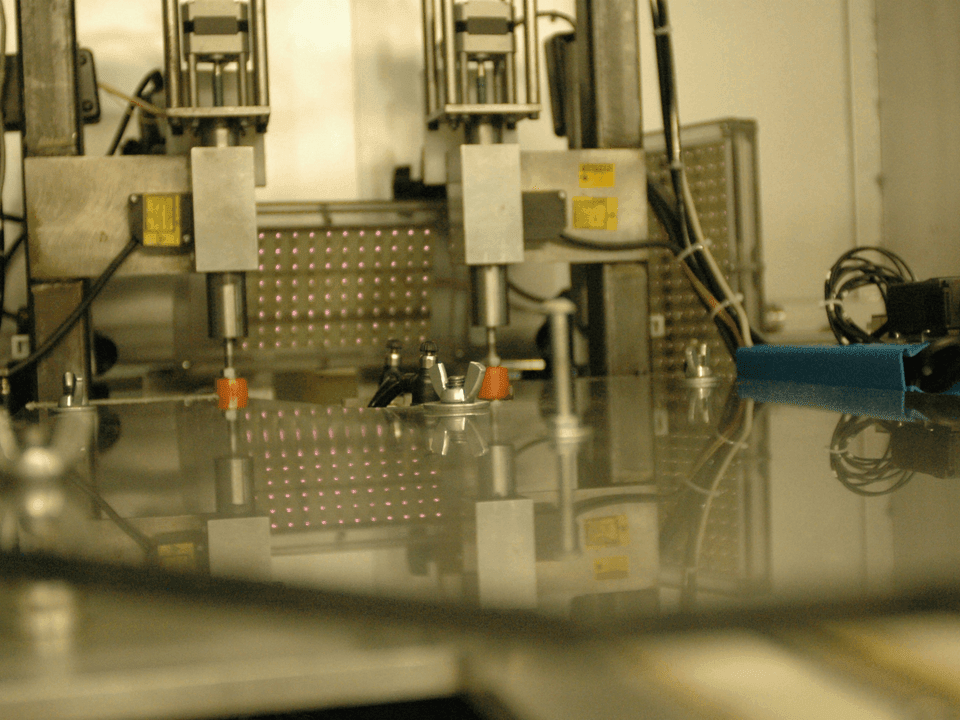
In the world of manufacturing and design, the latest laser cutting technologies are revolutionizing how we approach precision work. From intricate designs to heavy-duty applications, these advancements are making processes faster and more efficient than ever before. Whether you’re in need of a metal cutting machine laser or a laser etching machine, understanding these innovations is crucial for staying competitive.
Exploring the Latest Laser Cutting Technologies
The latest laser cutting machines have taken center stage, showcasing remarkable advancements such as fiber laser cutting machines that offer unparalleled speed and precision. These machines utilize advanced optics and high-powered lasers to cut through various materials with ease, making them a favorite among industries ranging from automotive to aerospace. With continuous improvements in technology, manufacturers can now achieve cleaner cuts while minimizing waste—a win-win for productivity.
Understanding the Benefits of Laser Cutting
Laser cutting provides numerous benefits that can elevate any business operation. The accuracy of a fiber laser ensures minimal material loss and reduces the need for extensive post-processing, which translates into significant cost savings over time. Additionally, industrial laser cutters allow for versatility in applications—from delicate engraving with a laser cutter engraver to robust metal fabrication—making them indispensable tools across various sectors.
Key Players in the Laser Cutting Market
The landscape of the laser cutting market is populated by several key players who are pushing innovation forward. Companies specializing in industrial laser cutting machines continue to develop state-of-the-art solutions that cater to diverse needs—from small workshops to large-scale manufacturing facilities. As competition heats up, it’s essential for businesses to stay informed about these leaders and their offerings to make educated decisions about investing in the latest technologies.
Overview of Laser Cutting Machines
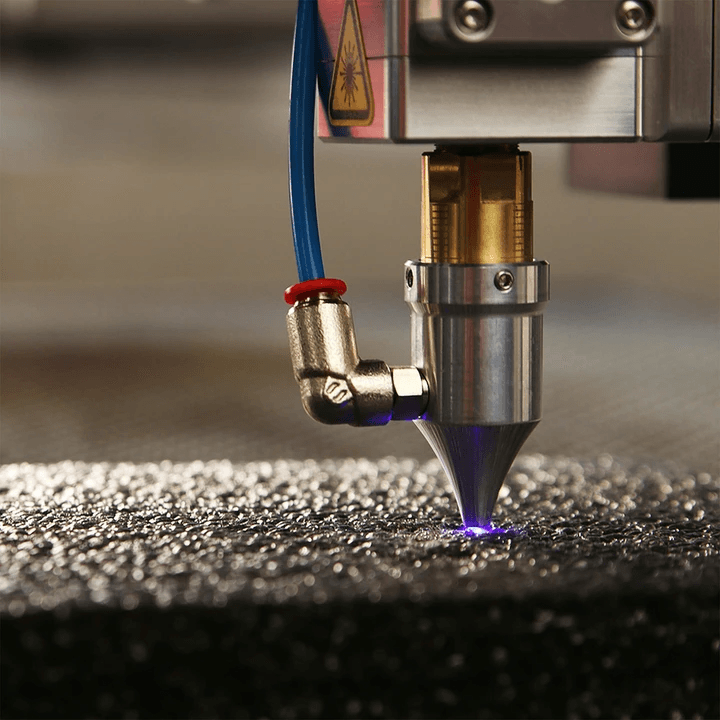
In the ever-evolving world of manufacturing, laser cutting machines have emerged as the go-to solution for precision and efficiency. From intricate designs to robust industrial applications, these machines offer a range of features that cater to various needs. Whether you’re looking to invest in the latest laser cutting machine or exploring options like a laser etching machine, understanding their functionalities is crucial.
Types of Laser Cutting Technologies
There are several types of laser cutting technologies available today, each tailored for specific applications. The most common include CO2 lasers, fiber lasers, and solid-state lasers. Among these, the fiber laser cutting machine stands out due to its ability to cut through metals with remarkable speed and accuracy, making it ideal for industries that require high-performance metal cutting machine lasers.
Fiber lasers utilize a solid gain medium made from optical fibers doped with rare-earth elements, which allows for greater efficiency and lower operational costs compared to traditional CO2 systems. Meanwhile, CO2 lasers are often favored for cutting non-metal materials like wood and acrylic due to their versatility. As technology advances, new variations continue to emerge, expanding the capabilities of laser cutter engravers across different sectors.
How Laser Cutters Work
At the heart of every laser cutter is a powerful beam generated by a laser source that focuses on the material being cut or engraved. This focused beam melts or vaporizes the material along a predetermined path guided by computer numerical control (CNC) software. For example, an industrial laser cutter can achieve intricate cuts in metal sheets while maintaining tight tolerances—something traditional methods struggle with.
The process begins when the user inputs design parameters into specialized software that translates them into commands for the machine. As the latest laser cutting machines operate at incredibly high speeds—often exceeding 100 inches per minute—they can significantly reduce production times while enhancing precision compared to conventional methods.
Applications of Laser Cutting
Laser cutting technology has found applications across various industries due to its versatility and precision. From automotive parts manufacturing to jewelry design and even signage creation, there’s virtually no limit to what can be achieved with a fiber laser or an industrial laser cutting machine. The ability to create complex shapes quickly makes it an invaluable tool in sectors such as aerospace engineering and medical device production.
Moreover, businesses are increasingly adopting advanced techniques like those offered by modern laser etching machines for branding purposes or decorative engraving on products ranging from glassware to electronics casings. With such diverse applications available using both fiber lasers and CO2 systems alike, companies can leverage these technologies not just for efficiency but also for creative expression in their product offerings.
Fiber Laser Cutting Machines
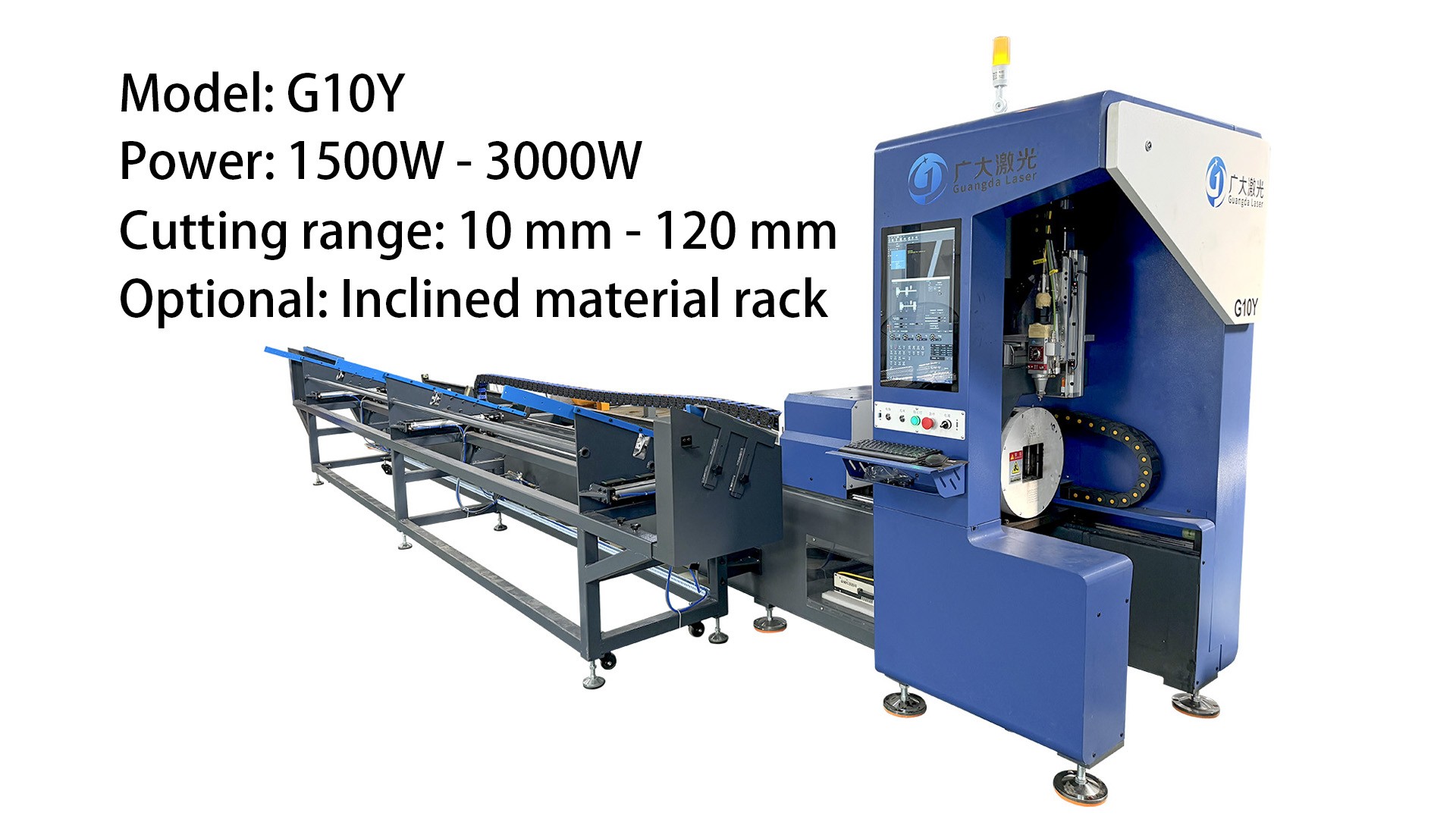
Fiber laser cutting machines have revolutionized the world of manufacturing and precision cutting. Utilizing advanced fiber laser technology, these machines offer unparalleled efficiency and accuracy, making them a popular choice for various applications. With their ability to cut through metals with ease, fiber lasers are becoming the go-to solution for businesses looking to enhance productivity and quality.
Advantages of Fiber Laser Technology
One of the standout advantages of fiber laser technology is its remarkable speed and efficiency in processing materials. The latest laser cutting machine equipped with fiber lasers can cut through thicker metals faster than traditional methods, significantly reducing production times. Additionally, fiber lasers consume less energy compared to CO2 lasers, translating into lower operational costs for businesses.
Another benefit is the minimal maintenance required for fiber laser cutting machines. Unlike other metal cutting machine lasers that may require frequent adjustments or replacements, fiber lasers have fewer moving parts and a longer lifespan. This reliability makes them an attractive option for industrial settings where downtime can be costly.
Moreover, fiber lasers produce high-quality cuts with clean edges and minimal thermal distortion. This precision is particularly important in industries where detail matters, such as aerospace or automotive manufacturing. The versatility of these machines allows them to handle a wide range of materials beyond just metals, including plastics and composites.
Industries Benefiting from Fiber Lasers
Fiber laser technology has found its way into various industries due to its numerous advantages. Manufacturing sectors such as automotive and aerospace rely heavily on industrial laser cutters for their ability to perform intricate cuts quickly and accurately. These industries benefit from reduced waste material thanks to the precision offered by modern fiber laser cutting machines.
The medical device industry also utilizes fiber lasers extensively for creating components that require high levels of precision and cleanliness in production processes. In addition, electronics manufacturers use these advanced systems for producing circuit boards and other delicate components that demand accuracy without compromising quality.
Furthermore, the signage industry has embraced fiber laser etching machines for creating detailed engravings on various materials like acrylics or metals. By providing a quick turnaround time without sacrificing quality, businesses across multiple sectors are increasingly adopting this innovative technology to stay competitive in today’s market landscape.
Comparing Fiber Laser vs. CO2 Lasers
When comparing fiber lasers with CO2 lasers, several key differences emerge that can influence purchasing decisions for manufacturers seeking a new laser cutter engraver. First off, while CO2 lasers excel at cutting non-metal materials like wood or glass efficiently, they struggle with thicker metal substrates compared to their fiber counterparts which dominate this area due largely because of their higher beam intensity.
Additionally, maintenance plays an essential role when evaluating these technologies; as mentioned earlier regarding industrial laser cutters powered by fibers—these systems typically require less upkeep than CO2 options which often need regular alignment checks due to their more complex optical setups involving mirrors.
Cost considerations also differ between both types: although initial investments might be higher when acquiring a high-quality industrial laser cutting machine utilizing fibers—the long-term savings from energy efficiency combined with lower maintenance costs usually make them more economical over time compared against traditional methods relying on CO2 setups.
Industrial Laser Cutting Machines
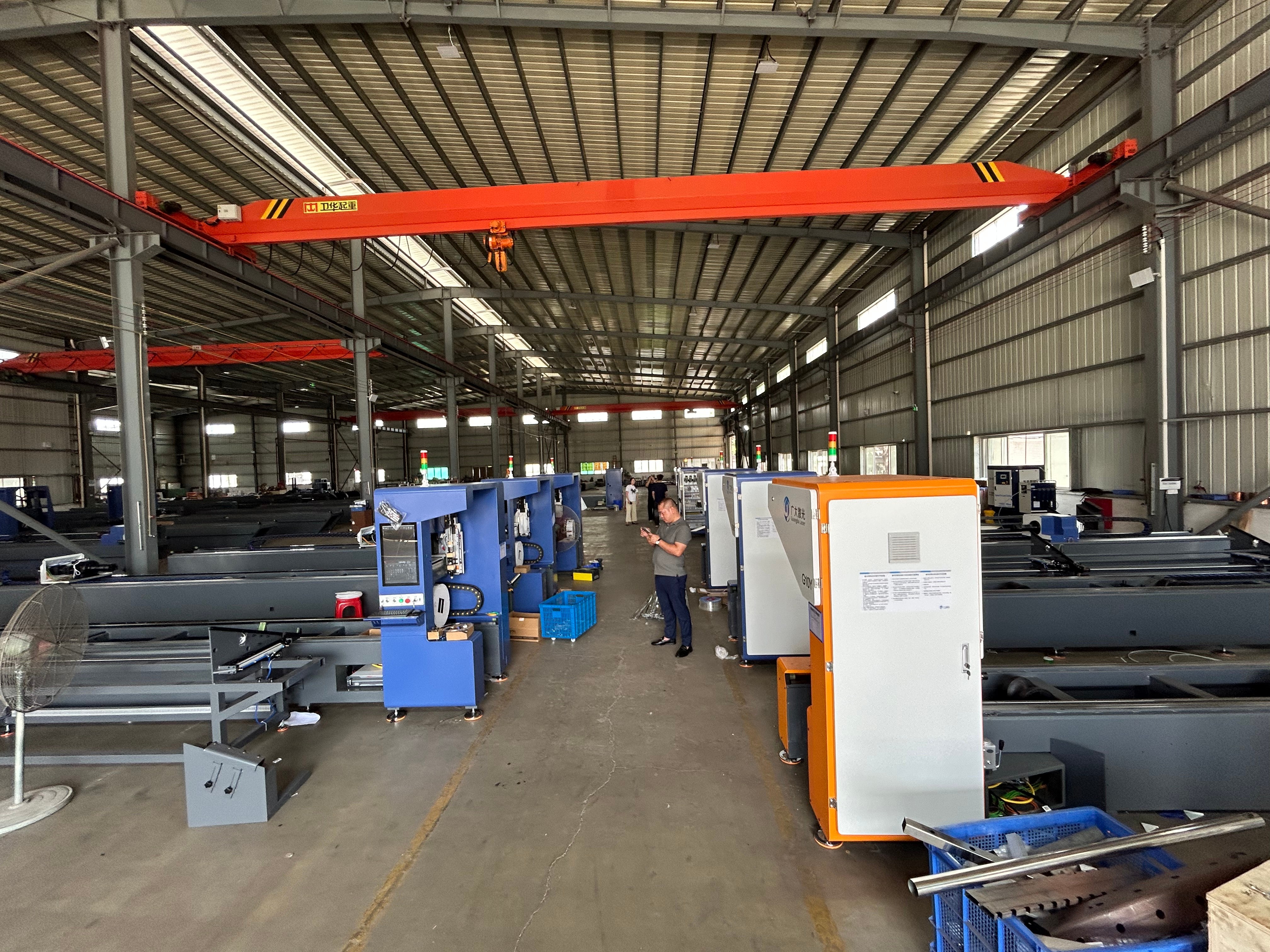
Industrial laser cutting machines are revolutionizing the way manufacturers approach precision cutting and engraving tasks. These machines boast advanced technology that allows for high-speed operations, exceptional accuracy, and versatility across various materials, making them indispensable in modern manufacturing environments. With the latest laser cutting machine innovations, industries can achieve faster production times while maintaining top-notch quality.
Features of Industrial Laser Cutters
When considering an industrial laser cutter, several standout features come into play. First and foremost is the power output; many fiber laser cutting machines offer impressive wattage options that enable them to cut through thick metals with ease. Additionally, these machines often include features like automated height adjustment and advanced cooling systems to ensure optimal performance during extended use—essential for those heavy-duty metal cutting machine laser tasks.
Another key feature is software compatibility; many industrial laser cutters come equipped with user-friendly interfaces that integrate seamlessly with CAD programs, streamlining the design-to-production workflow. Moreover, safety features such as enclosed work areas and emergency shut-off mechanisms are crucial to protect operators from potential hazards associated with high-powered lasers. With all these elements combined, industrial laser cutters not only enhance productivity but also ensure a safer working environment.
Top Industrial Laser Cutting Brands
The market is teeming with reputable brands known for their pioneering contributions to industrial laser cutting technology. Leading names include Trumpf, Bystronic, and Mazak—all recognized for their robust fiber laser systems that cater to diverse industry needs. These brands consistently push the envelope on innovation by integrating state-of-the-art technology into their latest models.
For those seeking reliability in a metal cutting machine laser solution, companies like Amada and Han's Laser also stand out due to their commitment to quality and customer support. Each of these brands offers unique features tailored for specific applications—whether it's high-volume production or intricate designs requiring a precise touch from a laser cutter engraver. Choosing any of these industry leaders ensures you're investing in equipment built on years of expertise.
Return on Investment with Industrial Lasers
Investing in an industrial laser cutting machine can yield significant returns over time when evaluated correctly against operational costs and productivity gains. One major advantage is reduced material waste; fiber lasers are known for their precision cuts that minimize scrap material—a vital factor in maximizing profitability for manufacturers striving to stay competitive in today’s market landscape.
Additionally, the longevity of fiber lasers contributes positively to ROI; they require less maintenance compared to traditional CO2 lasers due to fewer moving parts and enhanced durability under continuous operation conditions. When businesses analyze operational efficiency alongside cost savings from reduced labor hours and enhanced throughput rates brought about by using the latest technologies like fiber lasers or advanced engraving machines, it becomes clear why investing in an industrial laser cutter is often seen as a smart financial move.
Laser Etching and Engraving Machines
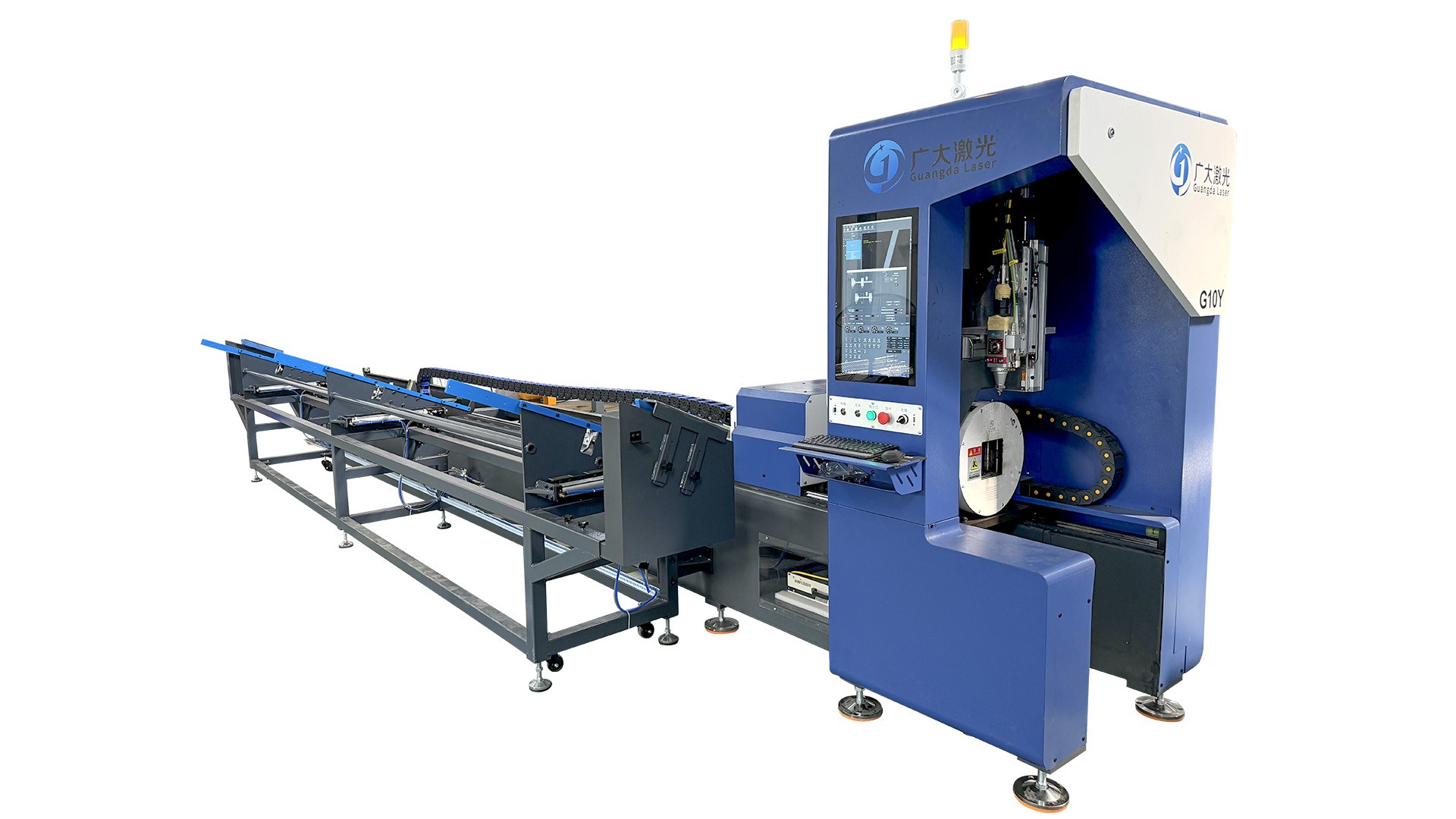
The world of laser etching and engraving machines is expanding rapidly, showcasing the versatility of the latest laser cutting machines. These devices utilize focused laser beams to create intricate designs on various materials, making them essential tools for artists, manufacturers, and hobbyists alike. With advancements in technology, today's laser etching machines are more efficient and user-friendly than ever before.
Understanding Laser Etching Technologies
Laser etching technologies have evolved significantly, primarily driven by innovations in fiber laser systems. Unlike traditional methods that rely on mechanical tools, a fiber laser cutting machine uses concentrated light to engrave or etch surfaces with precision. This process allows for detailed designs on a range of materials including wood, glass, plastic, and metals—making it an ideal choice for both industrial applications and personal projects.
The mechanics behind these machines involve directing a high-powered beam through a fiber optic cable to produce fine engravings or markings. The result is not only aesthetically pleasing but also durable; the etched designs withstand wear better than many other methods. As such, the popularity of industrial laser cutters has surged as businesses seek reliable solutions for high-quality engraving tasks.
Applications of Laser Engraving Machines
Laser engraving machines find applications across various industries due to their adaptability and precision. In manufacturing environments, these metal cutting machine lasers are employed to mark serial numbers or logos on products with exceptional accuracy—ensuring brand consistency while enhancing traceability. Additionally, they are used extensively in the jewelry industry where intricate designs can be etched onto precious metals without compromising material integrity.
Beyond industrial use, hobbyists leverage laser cutter engravers to personalize gifts or create custom artwork at home. From engraved wooden signs to intricately designed glassware, the possibilities are virtually limitless with modern technology at their fingertips. Schools and educational institutions also utilize these machines for teaching purposes in design courses—introducing students to advanced fabrication techniques.
Popular Laser Etching Machines in the Market
When it comes to selecting a reliable machine for your engraving needs, several popular options stand out in today’s market of latest laser cutting machines. The Epilog Zing series is renowned for its versatility and ease of use—perfect for beginners looking to dive into the world of laser etching without feeling overwhelmed by complex setups. On the other hand, higher-end models like those from Trotec offer robust features suitable for professionals requiring heavy-duty performance from their industrial laser cutting machines.
Another noteworthy mention is Glowforge—a favorite among makerspaces due to its user-friendly interface and cloud-based software that simplifies design uploads directly from your computer or tablet. For those focusing on metal applications specifically, fiber lasers such as the Boss LS-1416 provide excellent results when working with tougher materials while maintaining speed and efficiency during operation.
In conclusion, whether you're an artist seeking creative expression or an entrepreneur aiming to enhance production capabilities with an industrial laser cutter, there’s a perfect solution waiting in this dynamic field of laser technology.
Best Laser Cutting Machines for Beginners
Diving into the world of laser cutting can be both exciting and daunting for beginners. With a plethora of options available, it’s essential to find the right machine that suits your needs and budget. This section will highlight some entry-level laser cutters worth considering, factors to keep in mind while choosing, and why Kiant Machinery stands out as a reliable choice.
Entry-Level Laser Cutters to Consider
When starting your journey in laser cutting, there are several entry-level machines that offer great value without breaking the bank. The Glowforge is a popular choice among hobbyists due to its user-friendly interface and versatility; it’s not just a laser cutter but also a powerful laser etching machine capable of handling various materials. Another excellent option is the Dremel LC40, which combines precision with ease of use, making it ideal for those looking to explore both engraving and cutting.
For those interested in metalwork, consider the xTool D1 Pro—a fiber laser cutting machine known for its efficiency on metals like aluminum and stainless steel. This latest laser cutting machine allows beginners to experiment with metal projects without investing in high-end industrial machines right away. As you explore these options, remember that finding the right fit can elevate your creative projects significantly.
Factors to Consider When Choosing a Cutter
Selecting the perfect laser cutter engraver involves several key considerations that will impact your experience and outcomes. First on the list is material compatibility; ensure that the machine can handle everything from wood to acrylic or even metal if you’re eyeing fiber lasers for more robust projects. Additionally, pay attention to power output—higher wattage typically translates into faster cuts and more efficient processing times.
Another vital factor is software compatibility; an intuitive software interface can make or break your experience with an industrial laser cutter or any entry-level model. Look for machines that come with user-friendly design software or those compatible with popular programs like Adobe Illustrator or CorelDRAW. Lastly, consider customer support and community resources; having access to troubleshooting guides or forums can be invaluable as you navigate learning curves associated with new technology.
Kiant Machinery: A Reliable Choice
When it comes to reliability in beginner-friendly options, Kiant Machinery shines brightly in today’s market landscape. Their lineup includes various models designed specifically for newcomers eager to explore both cutting and engraving capabilities without overwhelming complexity—perfectly suited for aspiring makers! Known for their durability and performance consistency, Kiant's machines often feature advanced safety measures ensuring peace of mind during operation.
One standout product from Kiant is their compact fiber laser cutting machine which provides exceptional value while allowing users to work on intricate designs across different materials including metals—a fantastic way for beginners wanting versatility! Plus, their customer service reputation ensures you'll have support when needed as you embark on this exciting journey into the world of laser technology.
Conclusion
The world of laser cutting technology is constantly evolving, with new advancements shaping the future of manufacturing and design. As industries increasingly adopt the latest laser cutting machines, we can expect to see significant improvements in efficiency, precision, and versatility. Innovations such as enhanced fiber laser systems and advanced software integrations are paving the way for smarter production processes that cater to a wide range of applications.
Future Trends in Laser Cutting Technology
Looking ahead, we anticipate several exciting trends in laser cutting technology. The integration of automation and artificial intelligence into industrial laser cutters will enable faster production cycles and reduced human error, allowing businesses to scale operations seamlessly. Additionally, as sustainability becomes a focal point for manufacturers, eco-friendly practices integrated into fiber laser cutting machines will likely gain traction, making them an attractive option for environmentally conscious companies.
Choosing the Right Laser Cutting Solutions
Selecting the right laser cutting solution is critical for maximizing productivity and ensuring quality output. Businesses should carefully evaluate their specific needs—whether they require a metal cutting machine laser or a versatile laser cutter engraver—to find the best fit among available options. Factors such as material compatibility, operational scale, and budget considerations should guide your decision-making process when investing in an industrial laser cutting machine.
Elevating Your Business with Laser Cutting
Investing in advanced laser technology can significantly elevate your business operations by enhancing product quality and reducing lead times. Whether you opt for a fiber laser cutting machine or a specialized laser etching machine, these tools can open doors to new markets and applications previously deemed unattainable. By embracing the latest innovations in this field, you position your business at the forefront of industry trends while delivering exceptional value to your customers.