
Introduction
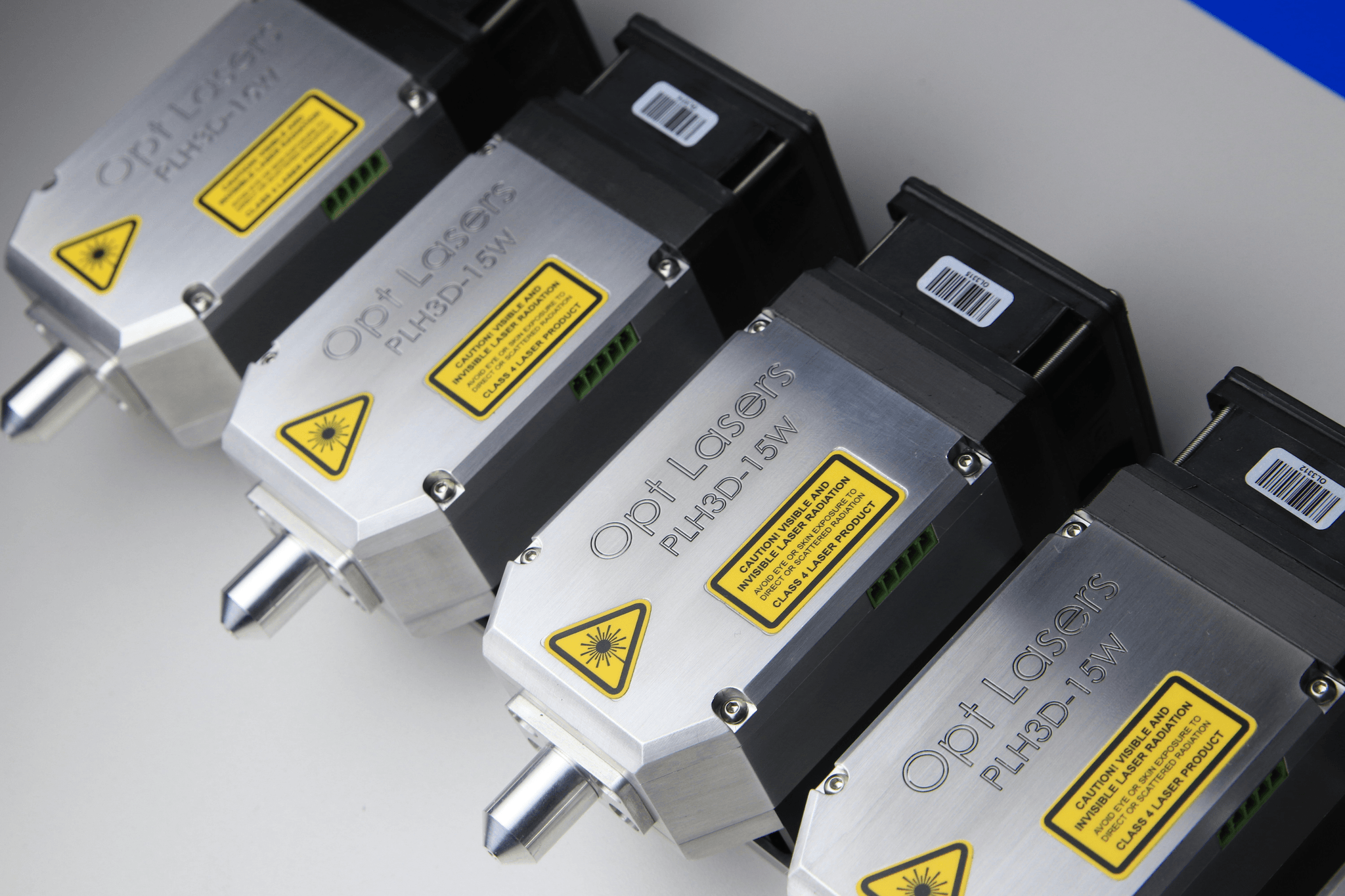
In recent years, laser cutting technology has surged in popularity, revolutionizing the way industries approach metal fabrication. With its ability to deliver intricate designs and precise cuts, the cutting machine laser has become an indispensable tool for manufacturers. As businesses seek to enhance productivity and efficiency, the shift towards advanced laser machinery is more pronounced than ever.
The Rise of Laser Cutting Technology
The landscape of manufacturing has transformed dramatically with the advent of laser cutting technology. Once a niche solution, the metal cutting laser cutter now serves as a cornerstone in various industries due to its unparalleled precision and speed. This rise can be attributed to advancements in technology that have made high-performance laser for metal more accessible and affordable.
Why Choose Fiber Laser Over Traditional Cutting
Fiber lasers offer superior efficiency and lower operational costs, making them an attractive choice for businesses looking to optimize their metal cutting machine laser operations. Additionally, fiber lasers excel in cutting through thicker materials with ease, providing versatility that traditional methods simply cannot match.
Benefits of High-Speed and Accuracy
One of the most compelling advantages of using a fiber laser is its ability to achieve high-speed cuts without sacrificing accuracy. This combination allows manufacturers to meet tight deadlines while maintaining exceptional quality standards—an essential factor in today’s competitive market. Furthermore, the precision offered by these advanced machines reduces material waste and enhances overall production efficiency, solidifying their position as a preferred choice among professionals.
Understanding Fiber Laser Technology
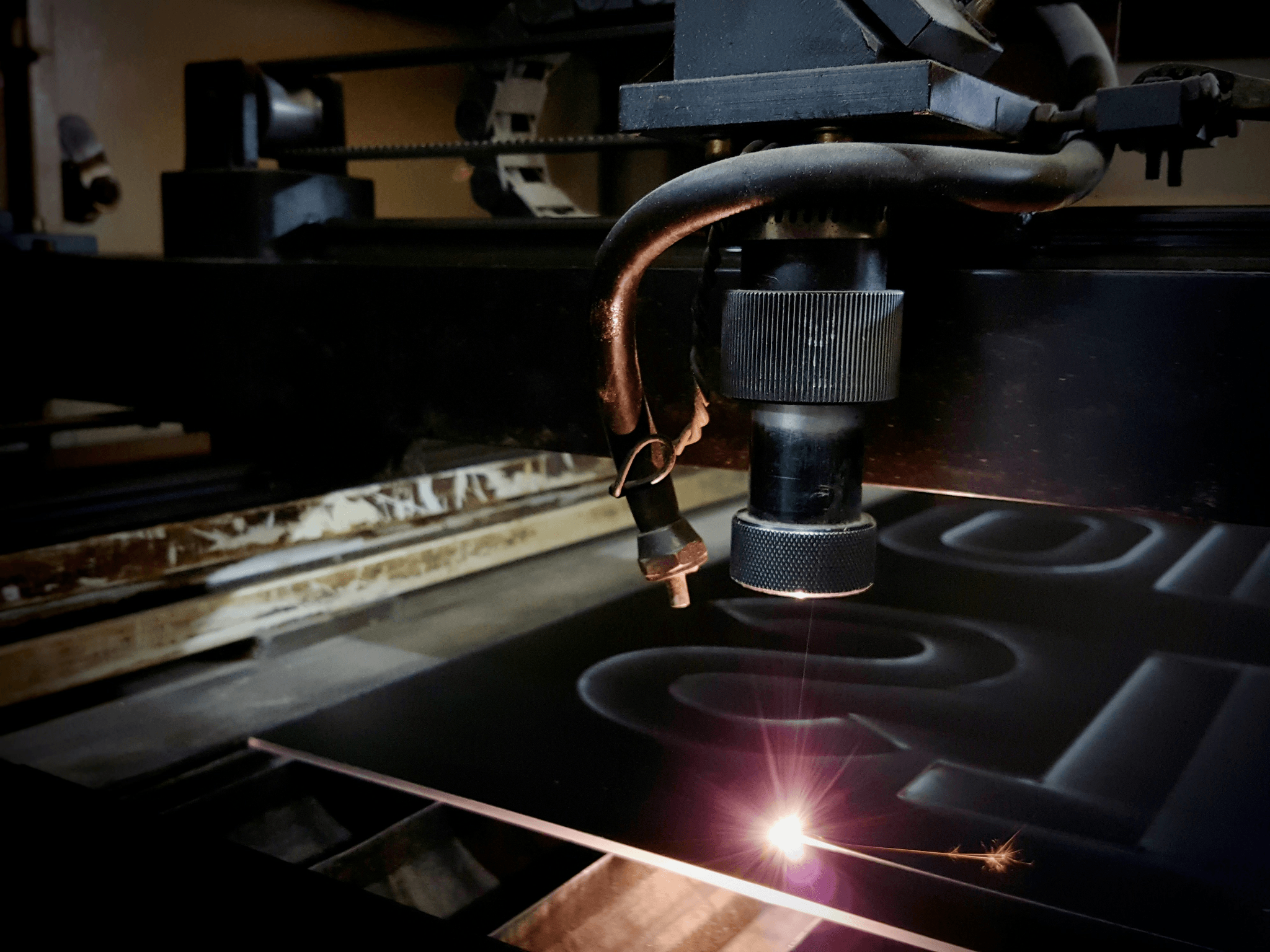
Fiber laser technology is revolutionizing the way we approach cutting tasks in various industries. This advanced method utilizes a solid-state laser that generates light through optical fibers, allowing for precise and efficient cutting. The result is a cutting machine laser that offers high-speed performance and exceptional accuracy, making it a game-changer in metal fabrication.
How Fiber Laser Works
At its core, fiber laser technology operates by pumping light into a fiber optic cable, which amplifies the light through a process called stimulated emission. This amplification process creates a highly focused beam capable of cutting through various materials with ease. The concentrated energy of the beam allows metal cutting laser cutters to achieve intricate designs and clean edges, making them ideal for complex applications.
The beauty of fiber lasers lies in their ability to deliver consistent power over extended periods without significant degradation in performance. Unlike traditional methods that may require frequent adjustments or recalibrations, fiber lasers maintain their precision throughout their operational lifespan. This reliability makes them an attractive option for industries looking to optimize their production processes with good laser cutters.
Advantages of Fiber Lasers vs. CO2 Lasers
When comparing fiber lasers to CO2 lasers, several key advantages emerge that make fiber lasers the preferred choice for many applications. First and foremost, fiber lasers are more energy-efficient; they convert more of the input power into usable output compared to CO2 systems, resulting in lower operational costs over time. Additionally, fiber lasers typically require less maintenance due to fewer moving parts and no need for gas refills, making them more convenient for users.
While CO2 lasers excel at cutting non-metal materials like wood or plastic, fiber lasers shine when working with metals such as steel or aluminum due to their shorter wavelength absorption characteristics. This capability positions metal cutting machine lasers as essential tools in industries where precision and speed are paramount.
Key Components of a Cutting Machine Laser
A typical metal cutting laser cutter consists of several key components that work together seamlessly to deliver optimal performance. At the heart of any good laser cutter is the laser source itself—whether it's a fiber or CO2 system—followed by optics that focus and direct the beam onto the material being cut. These optics are crucial as they determine both the quality of the cut and how efficiently energy is delivered.
Another critical component is the motion control system responsible for guiding the cutting head along predetermined paths with high accuracy. This system ensures that even complex designs can be executed flawlessly without compromising on speed or precision—two essential attributes in modern manufacturing environments using laser machinery. Lastly, an effective cooling system helps maintain optimal operating temperatures during prolonged use, ensuring longevity for your equipment while maximizing productivity.
Applications of High-Speed Fiber Laser Cutters
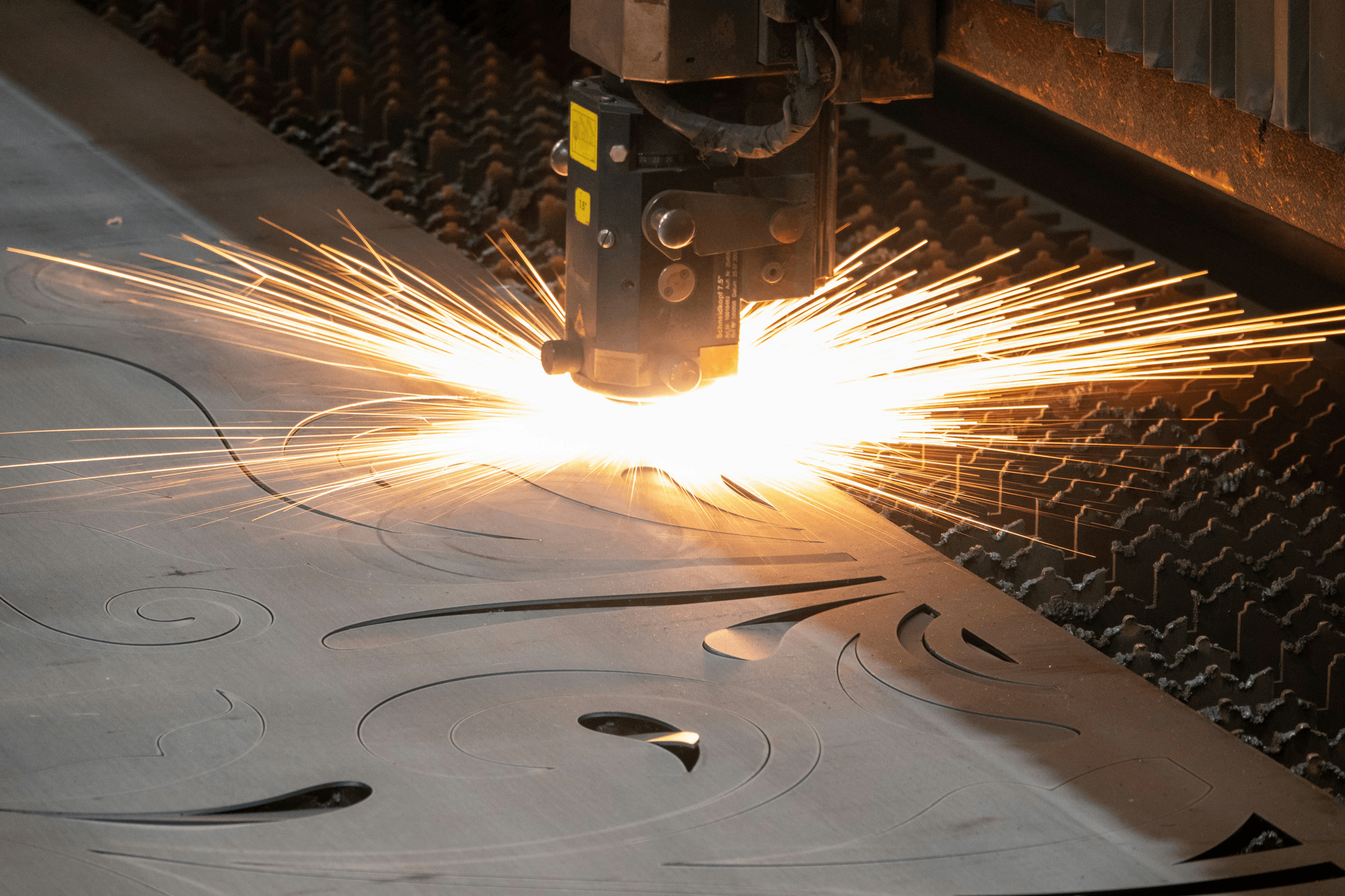
Fiber laser cutters are revolutionizing various industries, showcasing their versatility and efficiency in metal fabrication. With the ability to handle a wide range of materials and thicknesses, these cutting machine lasers are becoming indispensable tools for manufacturers. From automotive to aerospace, the applications of metal cutting laser cutters are vast and continually expanding.
Industries Utilizing Metal Cutting Laser Cutter
Several industries have embraced high-speed fiber laser technology for its precision and efficiency. The automotive industry relies heavily on metal cutting machine lasers for producing intricate components with tight tolerances. Similarly, the aerospace sector benefits from the accuracy of good laser cutters to create lightweight yet durable parts essential for flight safety.
Moreover, the construction industry utilizes fiber lasers to cut structural steel with remarkable speed and precision, reducing waste and improving project timelines. In addition to these sectors, electronics manufacturers use metal cutting laser cutters to create circuit boards and other components that require fine details. As more industries discover the capabilities of this innovative technology, we can expect its adoption to keep growing.
Versatility in Material Thickness
One of the standout features of high-speed fiber lasers is their ability to cut through a variety of material thicknesses with ease. Whether it's thin sheets or thicker plates, the cutting machine laser delivers consistent results across different gauges without sacrificing quality or speed. This adaptability makes it an ideal choice for businesses that work with diverse materials and specifications.
For instance, when dealing with metals ranging from stainless steel to aluminum alloys, a good laser cutter can adjust its settings seamlessly to accommodate varying thicknesses while maintaining optimal performance. This versatility not only enhances productivity but also minimizes downtime associated with changing equipment or setups between jobs. As a result, companies can streamline operations and maximize efficiency in their production processes.
Precision in Complex Designs
The precision offered by high-speed fiber lasers is unmatched when it comes to executing complex designs that traditional methods might struggle with. These advanced machines can easily navigate intricate patterns and detailed cuts that would otherwise require extensive manual labor or multiple processes using conventional tools. The accuracy achieved by these metal cutting laser cutters ensures that every piece produced meets exact specifications.
Furthermore, this level of precision opens up new possibilities for designers who want to push creative boundaries without worrying about manufacturing limitations. Whether it’s delicate engravings or elaborate geometric shapes, a well-designed cutting machine laser can bring even the most ambitious projects to life with striking detail and consistency. As industries continue pushing towards innovative design solutions, fiber lasers will undoubtedly play a crucial role in shaping the future landscape of manufacturing.
The Role of Kiant Machinery in the Market
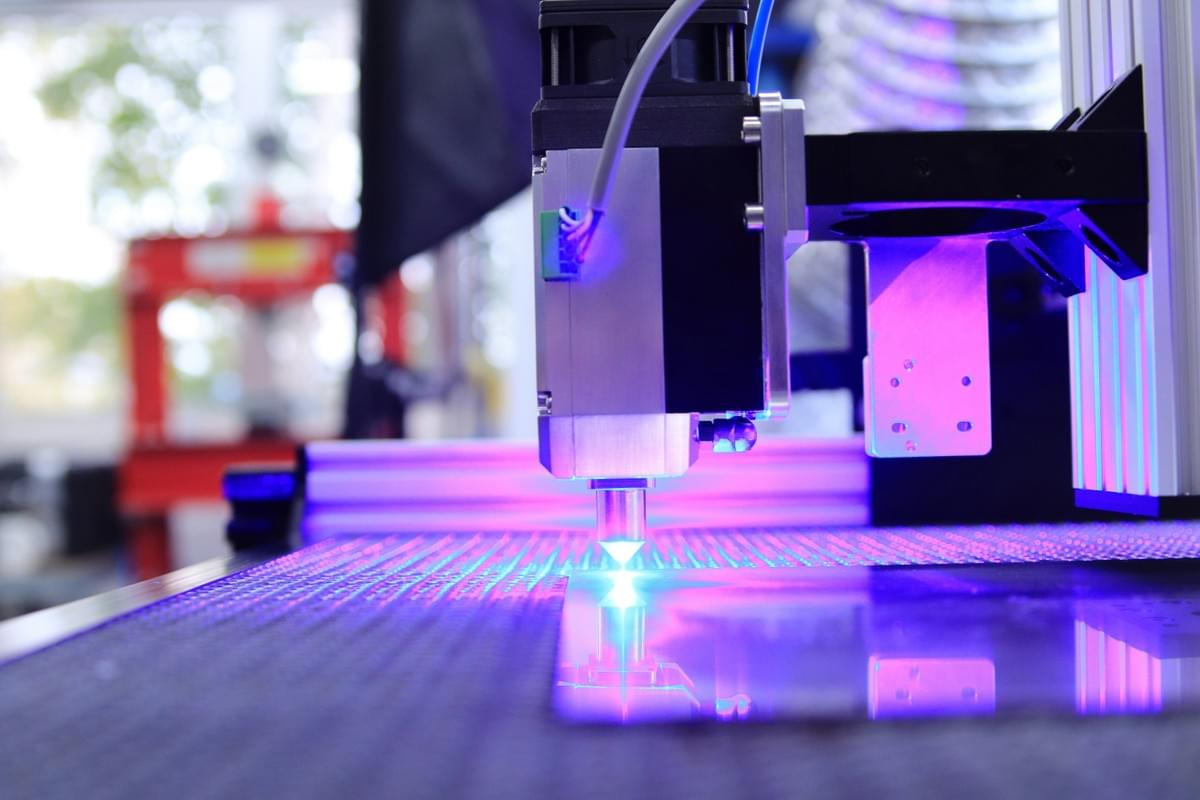
Kiant Machinery has carved a niche in the competitive landscape of laser technology, particularly in the realm of metal fabrication. Their commitment to innovation is evident through their cutting machine laser offerings that cater to diverse industrial needs. By continuously advancing their laser machinery, they ensure that users have access to state-of-the-art solutions that enhance productivity and precision.
Innovative Solutions for Metal Fabrication
When it comes to innovative solutions for metal fabrication, Kiant Machinery stands out with its cutting-edge metal cutting laser cutter designs. These machines are engineered not only for speed but also for delivering unmatched accuracy, which is crucial in high-stakes industries where precision is paramount. With features like automatic material loading and intelligent software integration, these machines redefine what a good laser cutter can achieve.
Kiant's approach emphasizes versatility; their metal cutting machine lasers can handle various materials and thicknesses with ease. This adaptability makes them an ideal choice for businesses looking to expand their capabilities without investing in multiple machines. Ultimately, Kiant’s innovative solutions empower fabricators to tackle complex projects with confidence and efficiency.
Service and Support for Users
A good laser cutter is only as effective as the support that backs it up, and Kiant Machinery excels in this area by offering comprehensive service options tailored to user needs. From initial setup assistance to ongoing maintenance support, Kiant ensures that customers receive expert guidance every step of the way. Their dedicated customer service team is always ready to troubleshoot issues or provide training on best practices for operating their advanced laser machinery.
Moreover, Kiant understands that downtime can be costly; thus, they prioritize quick response times when addressing service requests related to their cutting machine lasers. This focus on customer satisfaction not only enhances user experience but also contributes significantly to maximizing operational efficiency within various manufacturing environments. With such robust support systems in place, users can confidently rely on their equipment without fear of prolonged interruptions.
Commitment to Efficiency and Cost Reduction
In today’s fast-paced market, efficiency is key—and Kiant Machinery takes this principle seriously by designing metal cutting machines that optimize production processes while minimizing costs. Their state-of-the-art technology ensures rapid processing speeds without sacrificing quality or precision—an essential balance for any successful operation using a laser for metal fabrication. By investing in energy-efficient components and smart automation features, Kiant helps businesses reduce waste and improve overall profitability.
Furthermore, through ongoing research and development efforts, Kiant continually seeks ways to enhance performance while driving down operational costs associated with running a cutting machine laser system. This commitment not only benefits individual users but also elevates industry standards as companies strive toward more sustainable practices in manufacturing processes worldwide. With such dedication from Kiant Machinery towards efficiency and cost reduction, it's no wonder they are considered leaders in the field.
Choosing the Right Laser Machinery
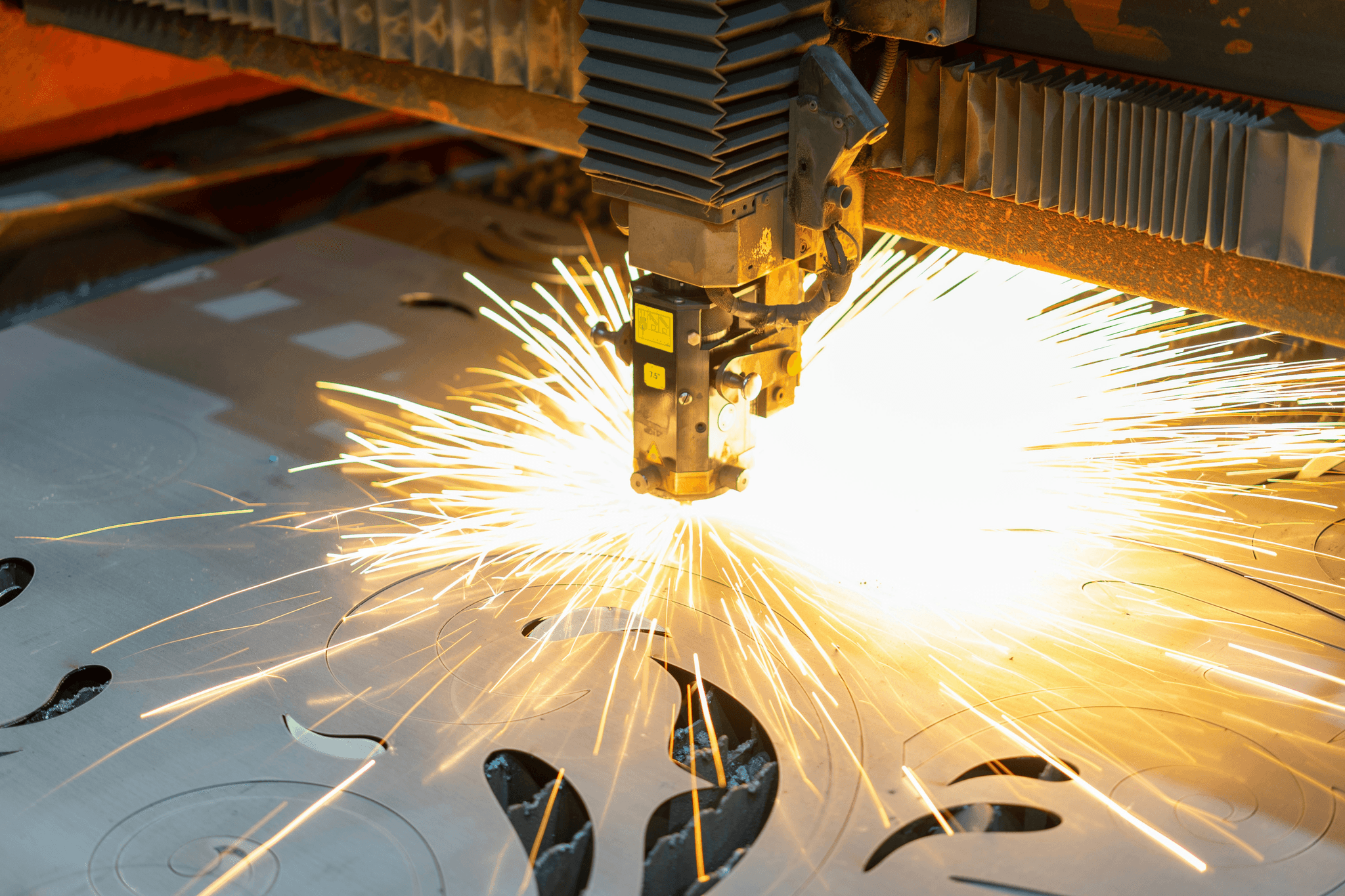
Selecting the right laser machinery can be a game-changer for your business, especially when it comes to efficiency and precision in metal cutting. With so many options available, it’s crucial to understand what makes a good laser cutter stand out from the crowd. Factors such as power output, speed, material compatibility, and overall design should be top of mind when making your decision.
Factors to Consider When Selecting a Good Laser Cutter
When diving into the world of cutting machine lasers, consider the power output first; this will determine how thick of materials you can cut effectively. A higher wattage typically translates to faster cutting speeds and the ability to handle thicker metals, making it an essential factor for any serious metal cutting laser cutter user. Additionally, look at the type of laser technology; fiber lasers are generally more efficient than CO2 lasers in terms of energy consumption and operational costs.
Another critical factor is the size and capabilities of your chosen metal cutting machine laser. If you plan on working with various material thicknesses or complex designs, ensure that your equipment can accommodate these needs without compromising quality or speed. Lastly, consider automation features; advanced systems can significantly reduce manual labor while increasing precision and repeatability.
Comparing Models for Metal Cutting Machine Laser
Once you've identified what factors are essential for a good laser cutter in your operation, it's time to compare different models on the market. Look for reviews and case studies that highlight performance metrics like speed and accuracy—these will give you insights into how each model stacks up against others in real-world applications. Don't hesitate to reach out to current users or forums dedicated to laser machinery; firsthand experiences often provide invaluable information that specs alone cannot convey.
Remember that while price is important, it's not everything; investing in a higher-quality metal cutting laser cutter may save you money in maintenance costs down the line due to improved durability and efficiency. Check if there are additional features like software compatibility or ease of integration with existing systems—these can make all the difference when maximizing productivity.
Importance of After-Sales Support
Choosing a good laser cutter isn't just about its initial capabilities; after-sales support is equally vital for long-term success with your cutting machine laser investment. A reliable manufacturer should offer robust customer service options including training sessions, troubleshooting assistance, and timely repairs if issues arise. This support ensures that downtime is minimized and productivity remains high.
Additionally, consider whether they provide regular updates or upgrades for their software—this can enhance functionality over time without needing an entirely new machine! Look into warranty options as well; comprehensive coverage will give you peace of mind knowing you're protected against unforeseen issues.
In conclusion, selecting the right metal cutting machine laser involves careful consideration of multiple factors including power output and after-sales support services offered by manufacturers like Kiant Machinery. By evaluating these elements thoroughly before making a purchase decision, you'll set yourself up for success in achieving precise cuts efficiently.
Maintenance and Best Practices
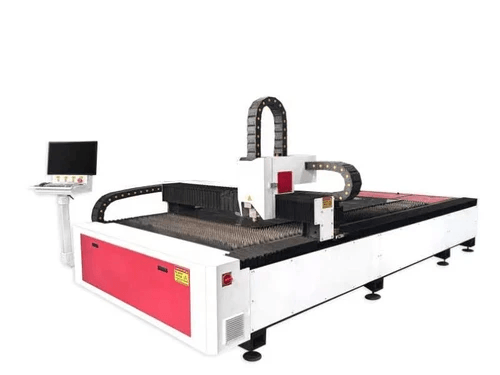
Maintaining your laser for metal is crucial to ensure optimal performance and longevity. A well-maintained cutting machine laser will not only enhance efficiency but also produce higher-quality cuts, saving you time and resources in the long run. By following a few best practices, you can keep your metal cutting machine laser running smoothly.
Keeping Your Laser for Metal Operating Smoothly
Regular maintenance routines are essential for keeping your laser machinery in prime condition. Start with routine inspections of the optics and lenses; any dust or debris can significantly affect the quality of your cuts. Additionally, ensure that the cooling system is functioning correctly, as overheating can lead to malfunctions or even permanent damage to your metal cutting laser cutter.
Another key aspect is to monitor the alignment of your cutting machine laser regularly. Misalignment can lead to uneven cuts and increased wear on components, which could necessitate costly repairs or replacements down the line. Lastly, always use high-quality materials compatible with your good laser cutter; subpar materials can stress components and lead to premature failure.
Troubleshooting Common Issues
Even with diligent maintenance, issues may arise with your metal cutting machine laser from time to time. One common problem is inconsistent cut quality; this could be due to worn-out nozzles or improper settings on the laser machinery. If you notice any irregularities in performance, start by checking these elements before moving on to more complex diagnostics.
Another issue might be an unexpected drop in power output from your cutting machine laser. This could indicate a problem with the fiber source or other critical components like mirrors or lenses that may need cleaning or replacement. Keeping a troubleshooting guide handy can help you quickly identify problems without unnecessary downtime.
Lastly, if you're experiencing frequent software glitches with your good laser cutter’s operating system, consider updating it regularly or consulting technical support from manufacturers like Kiant Machinery for solutions tailored specifically for their models.
Tips for Prolonging Equipment Lifespan
To extend the lifespan of your metal cutting laser cutter, implementing proactive strategies is vital. First off, create a regular cleaning schedule that includes not just exterior surfaces but also internal components such as filters and fans—keeping everything clean will minimize wear and tear over time.
Furthermore, investing in training for operators on best practices when using the machinery can significantly reduce mistakes that lead to damage—proper handling goes a long way! Lastly, don't overlook software updates; keeping firmware current ensures that all features function optimally while protecting against potential vulnerabilities that could compromise performance.
By integrating these maintenance tips into daily operations, you’ll maximize both productivity and longevity of your equipment while ensuring top-notch results every time you operate your cutting machine laser.
Conclusion
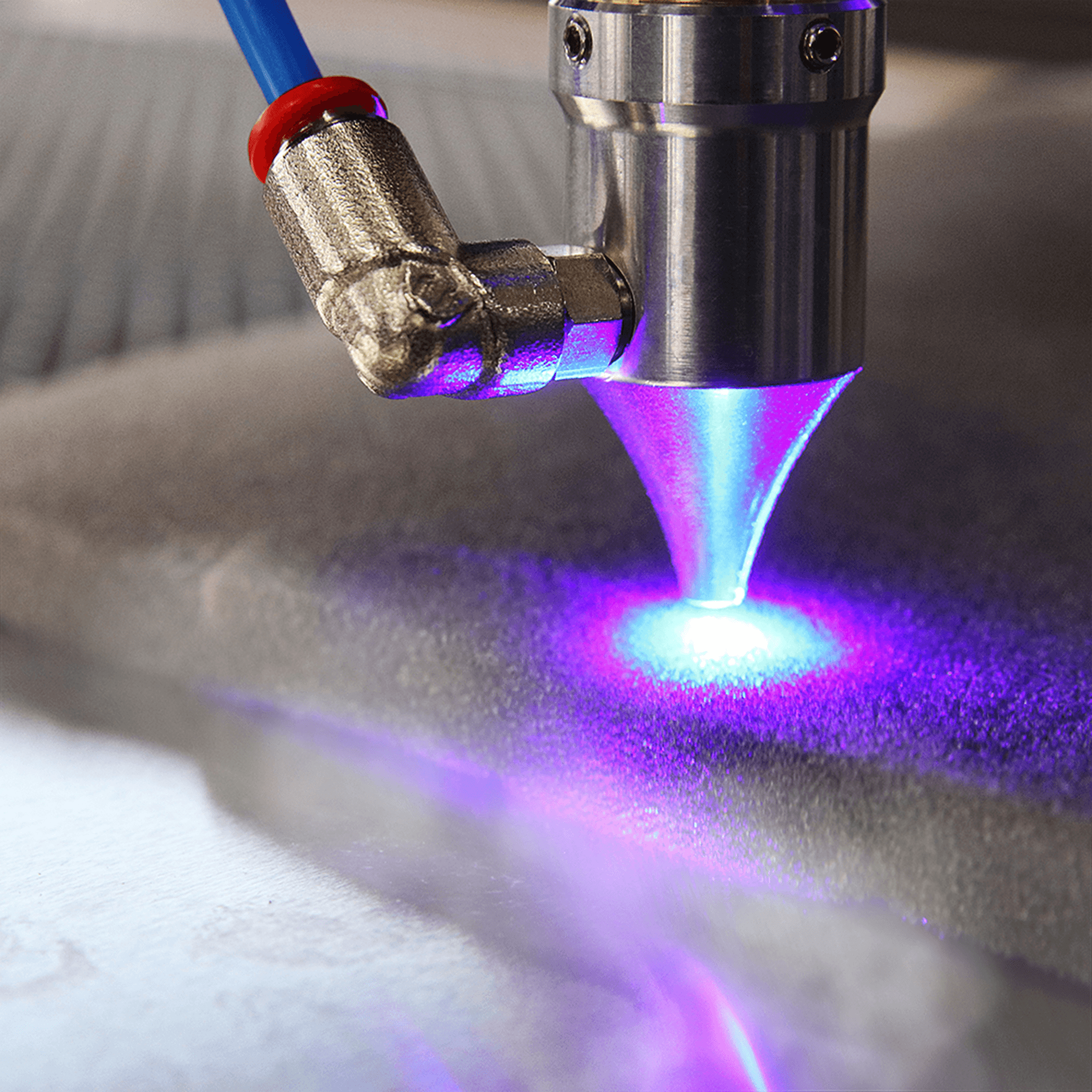
In wrapping up our exploration of fiber laser cutting technology, it's clear that this innovation is transforming the landscape of metal fabrication. With its unmatched speed and accuracy, a cutting machine laser powered by fiber laser technology stands out as a game changer for various industries. As businesses seek efficiency and cost-effectiveness, investing in a good laser cutter can yield significant returns.
Key Takeaways on Fiber Laser Cutting
Fiber lasers have redefined the capabilities of metal cutting laser cutters, offering advantages that traditional CO2 lasers simply can't match. Their ability to cut through a range of materials with precision makes them ideal for complex designs and varying material thicknesses. When considering a metal cutting machine laser, remember that speed and accuracy are paramount in today's fast-paced manufacturing environment.
Future Trends in Laser Technology
Looking ahead, advancements in laser machinery will likely focus on enhancing automation and connectivity features within cutting machines. The integration of smart technologies will allow for real-time monitoring and adjustments during the cutting process, further optimizing performance. Additionally, as industries push for sustainability, eco-friendly practices in laser technology will become increasingly vital.
Final Thoughts on Selecting Your Laser Solutions
Choosing the right equipment is crucial when investing in a laser for metal applications; consider factors like service support and reliability alongside performance metrics. A good laser cutter should not only meet your current needs but also adapt to future demands as your projects evolve. Ultimately, selecting the perfect metal cutting machine laser involves balancing quality with affordability while ensuring you have robust after-sales support to keep your operations running smoothly.