
Introduction
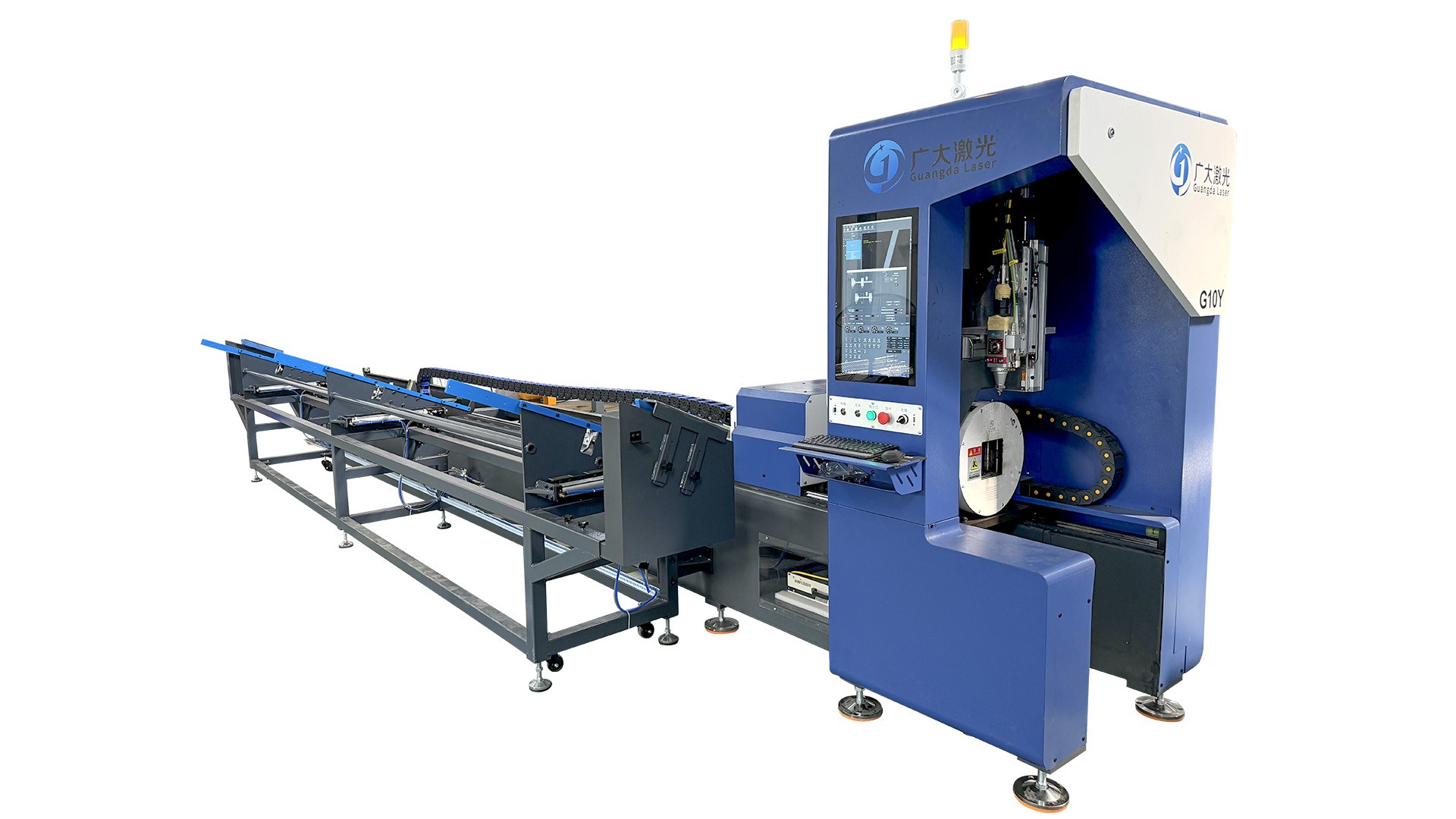
In the world of manufacturing, the significance of industrial steel cutting machines cannot be overstated. These machines are crucial for transforming raw metal into precise components that serve various industries, from automotive to aerospace. As technology advances, the capabilities of these machines have evolved, particularly with the rise of laser cutting technology.
Importance of Industrial Steel Cutting Machines
Industrial steel cutting machines play a pivotal role in ensuring efficiency and precision in production lines. They enable manufacturers to achieve high-quality machine cut metal components that meet stringent specifications. With industries increasingly demanding faster turnaround times and reduced waste, investing in an industrial metal cutting machine is essential for staying competitive.
Evolution of Laser Cutting Technology
Laser cutting has revolutionized the way we approach metal fabrication, offering unparalleled accuracy and versatility compared to traditional methods. From its inception as a niche process to becoming a mainstream solution, laser cutting technology has continually advanced, allowing for intricate designs and complex shapes with ease. The evolution of the laser cutting machine reflects ongoing innovations that cater to diverse material needs and thicknesses.
Choosing the Right Machine for Your Needs
Factors such as material type, thickness, and desired precision should guide your choice between various options available in the market today. With numerous models boasting unique features and capabilities, making an informed decision can significantly impact your operational success.
Key Features of Industrial Steel Cutting Machines
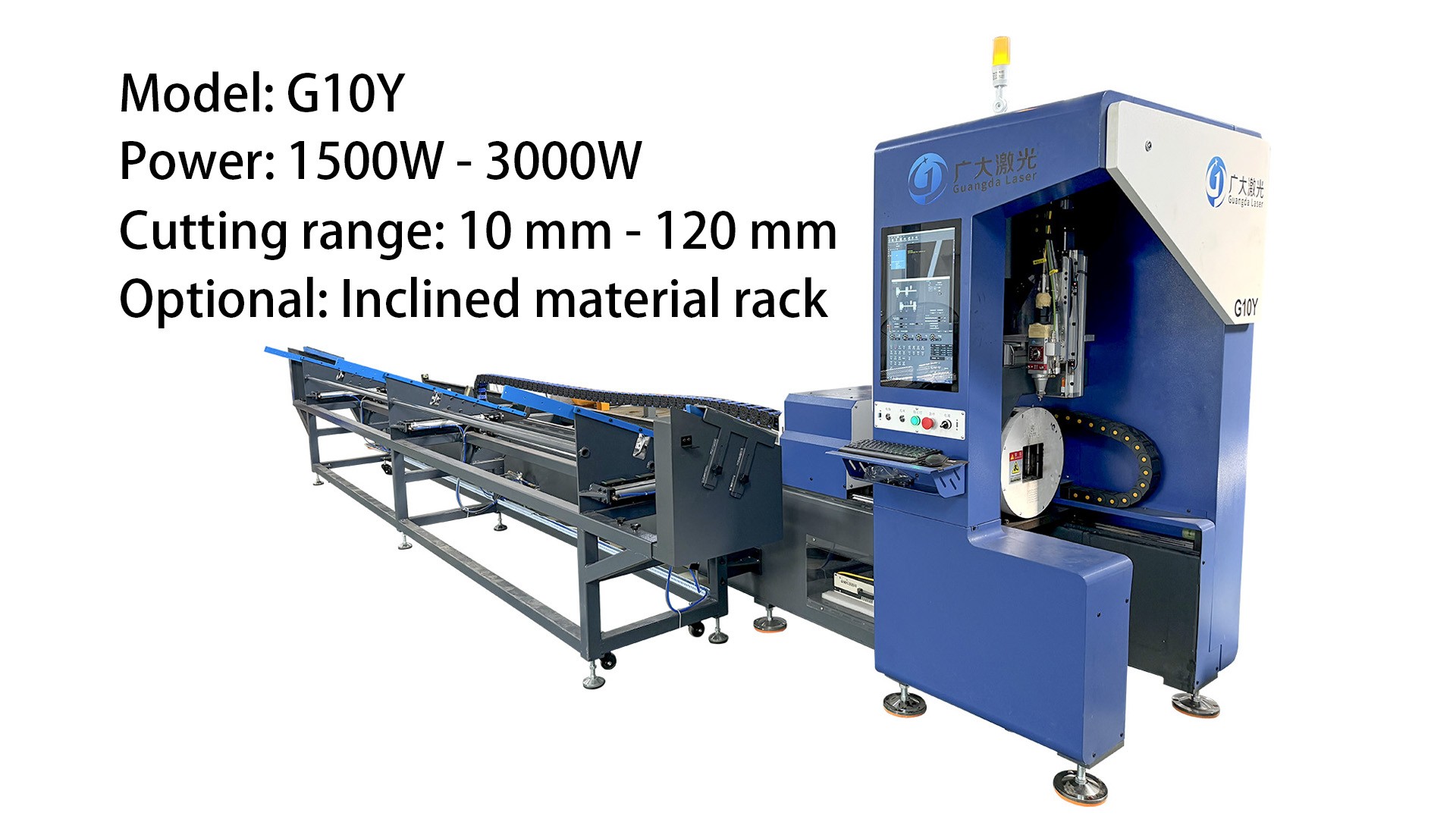
Precision and Accuracy in Cuts
Precision is the name of the game in industrial steel cutting machines, especially when utilizing advanced laser cutting technology. Laser cutting machines offer unparalleled accuracy, allowing for intricate designs and tight tolerances that traditional methods simply cannot achieve. This level of precision ensures that every piece of machine cut metal meets exact specifications, reducing waste and enhancing overall quality.
Moreover, the ability to maintain consistent accuracy over time makes laser cutting an ideal choice for industries where detail matters most. Whether you're working with thick or thin materials, a metal cutting machine laser will deliver results that minimize rework and improve production timelines. Ultimately, investing in a machine metal cutter with superior precision can lead to significant cost savings and a better end product.
Versatility in Material Processing
One of the standout features of modern industrial metal cutting machines is their versatility in processing various materials. From steel to aluminum and beyond, laser cutting technology can handle an impressive range of metals with ease. This adaptability allows businesses to diversify their offerings without needing multiple machines for different materials.
Furthermore, many laser cutting machines come equipped with software that enables quick adjustments for different material types and thicknesses. This flexibility means you can switch from one project to another without significant downtime or recalibration efforts—perfect for fast-paced production environments! The ability to cut various materials efficiently opens up new avenues for creativity and innovation within your business.
Speed and Efficiency of Operation
Speed is another critical feature that sets industrial steel cutting machines apart from their competitors. Laser cutting technology operates at remarkable speeds compared to traditional methods like plasma or mechanical cutters, allowing manufacturers to ramp up production significantly. With faster processing times, businesses can meet customer demands more effectively while maximizing output.
In addition to speed, these machines also boast energy efficiency due to advancements in technology—meaning they not only work quickly but also cost less to operate over time! The combination of speed and efficiency leads directly to increased profitability as companies reduce operational costs while delivering high-quality products at a rapid pace. Investing in an efficient industrial metal cutting machine means investing in your business's future success.
Laser Cutting Machines: A Game Changer
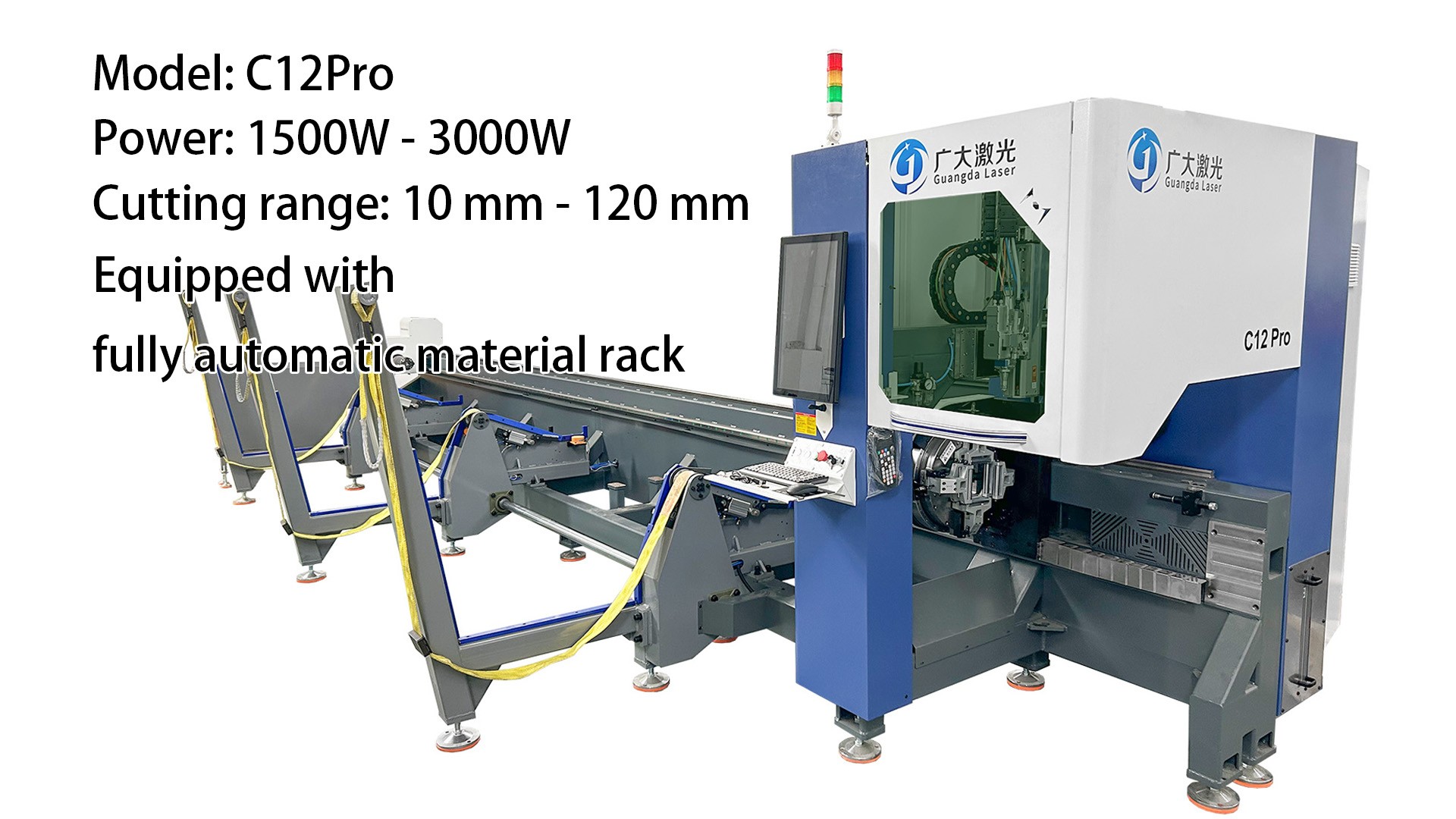
In the realm of industrial steel cutting machines, laser cutting technology has emerged as a true game changer. With its ability to deliver high precision and efficiency, the laser cutting machine has revolutionized how businesses approach metal fabrication. This innovation not only enhances productivity but also reduces waste, making it an essential tool for any modern metalworking operation.
Advantages of Laser Cutting Technology
One of the standout advantages of laser cutting technology is its unmatched precision. The cutting laser metal creates intricate designs and shapes that would be nearly impossible to achieve with traditional methods, ensuring that every machine cut metal piece meets exact specifications. Additionally, the speed at which a metal cutting machine laser operates significantly reduces production time, allowing businesses to meet tight deadlines without sacrificing quality.
Another key benefit is the versatility offered by laser cutting machines. They can efficiently process a variety of materials beyond just steel, including aluminum, brass, and even plastics. This adaptability makes them invaluable in diverse industries ranging from automotive to aerospace, where different materials are frequently used.
Moreover, safety features integrated into modern industrial metal cutting machines ensure a secure working environment for operators. With advancements in technology, operators can now work confidently knowing that these machines include safeguards against accidents and malfunctions.
Applications of Laser Cutting in Industry
Laser cutting machines have found applications across numerous sectors due to their efficiency and precision. In manufacturing environments, they are widely used for creating intricate components required in machinery or vehicles—think everything from brackets to decorative elements on high-end cars. The ability to cut complex shapes quickly means manufacturers can produce more parts in less time while maintaining high quality.
The architecture and construction industries also leverage laser cutting technology for creating bespoke designs and architectural features. From decorative facades to custom fittings, the versatility of a machine metal cutter allows architects to bring their creative visions to life without compromising structural integrity or aesthetics.
Additionally, the medical industry benefits from this technology through precise manufacturing of instruments and implants where accuracy is paramount. The ability to create detailed components with minimal material waste aligns perfectly with the stringent standards required in healthcare applications.
Comparing Laser Cutting to Traditional Methods
When comparing laser cutting techniques with traditional methods like plasma or mechanical cutting processes, it's clear that lasers hold several advantages over their counterparts. For starters, while traditional methods often involve significant material loss due to kerf width—the width of material removed during cutting—laser systems minimize this loss considerably thanks to their fine beam focus on targeted areas.
Furthermore, traditional methods may require additional finishing processes due to rough edges left after cuts; however, machine cut metal produced by lasers typically requires little post-processing work because they leave smooth edges right off the machine floor. This efficiency translates into lower operational costs over time as fewer resources are spent on finishing touches.
Finally, while traditional industrial steel cutting machines may struggle with thick materials or complex geometries due to limitations in power or tooling options—laser cutters shine brightly here as well! Their capacity for handling various thicknesses without sacrificing speed or quality makes them an indispensable asset for any forward-thinking business looking towards future growth.
Essential Components of a Metal Cutting Machine
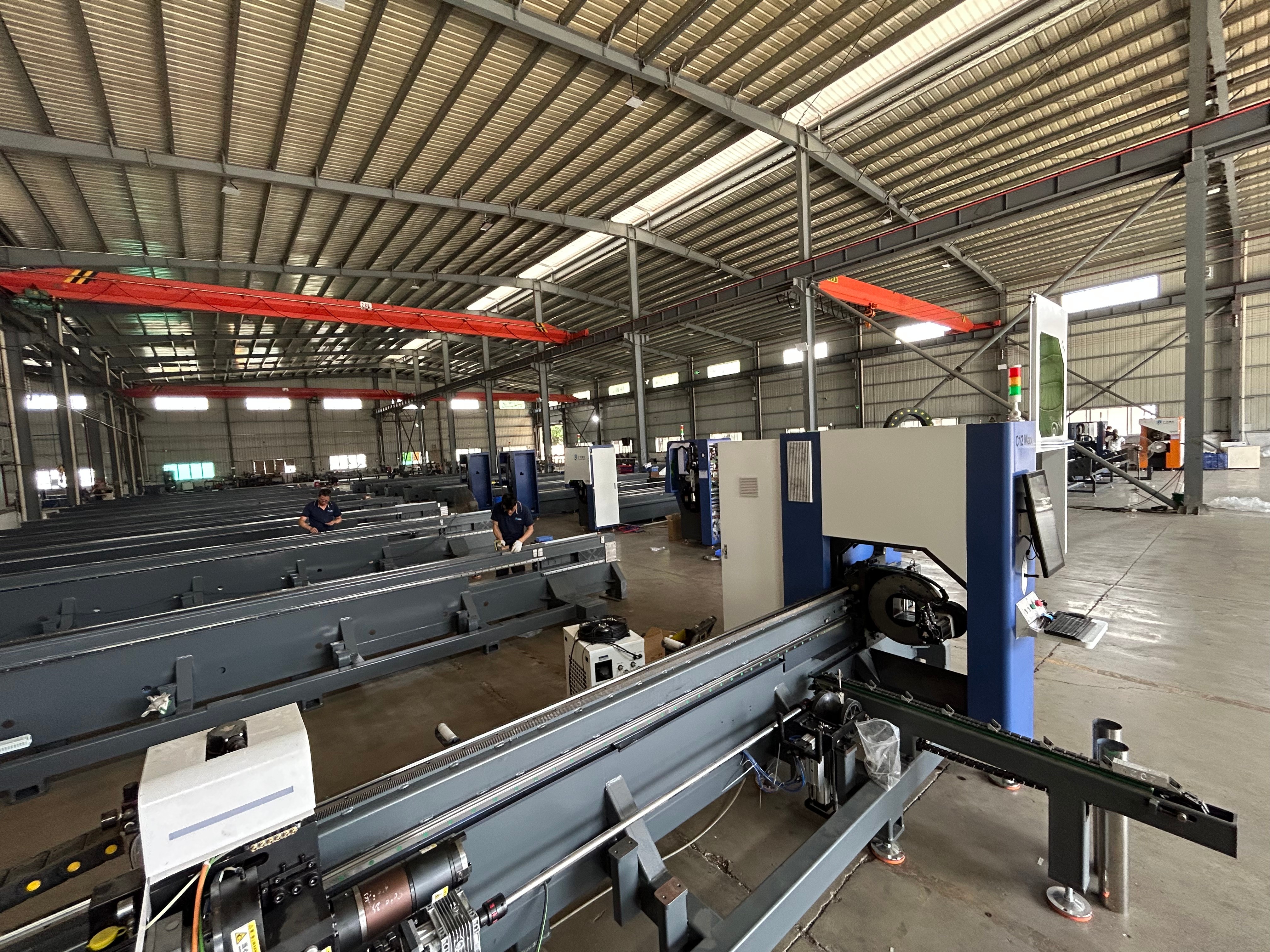
When it comes to industrial steel cutting machines, understanding the essential components is crucial for achieving optimal performance and results. Each element plays a significant role in the overall efficiency, safety, and effectiveness of the metal cutting process. In this section, we’ll delve into three vital components: the cutting head, power source, and safety features.
The Role of the Cutting Head
The cutting head is often considered the heart of a laser cutting machine. It is responsible for directing the laser beam precisely onto the metal surface, ensuring clean and accurate cuts in various materials. A well-designed cutting head not only enhances precision but also allows for adjustments in focus and speed, making it indispensable for any industrial metal cutting machine.
In addition to precision, modern cutting heads are equipped with advanced technology that can handle intricate designs with ease. This versatility means that whether you're working on thin sheets or thicker materials, your machine metal cutter can adapt accordingly. With innovations like auto-focusing capabilities and nozzle designs tailored for specific applications, your laser cutting endeavors will be more efficient than ever.
Understanding the Power Source
Every industrial steel cutting machine relies heavily on its power source to deliver consistent performance during operation. The power source determines not just how strong your laser beam will be but also affects speed and efficiency when processing various types of metals. Typically powered by either CO2 or fiber lasers, understanding these options helps businesses choose what best suits their needs.
CO2 lasers are great for non-metal materials as well as metals but may require more maintenance compared to fiber lasers which are generally faster and more efficient for metal applications. Moreover, advancements in power technologies have led to improved energy consumption rates—transforming how industries approach their operational costs associated with running a laser cutting machine. An optimized power source ultimately translates into reduced downtime and maximized output.
Safety Features to Consider
Safety should always be a top priority when operating an industrial metal cutting machine; after all, those powerful beams can pose risks if proper precautions aren’t taken! Modern machines come equipped with multiple safety features designed to protect operators from potential hazards while maintaining productivity levels. Key safety elements include enclosed work areas, emergency shut-off switches, and protective eyewear systems that shield users from harmful light exposure.
Additionally, many contemporary laser cutting machines incorporate advanced sensors that detect irregularities or malfunctions during operation—allowing immediate corrective action before accidents occur. Investing in an industrial steel cutting machine with robust safety features not only safeguards personnel but also ensures compliance with industry regulations—keeping your business both safe and legal! Remember: an ounce of prevention is worth a pound of cure!
Machine Cut Metal: Processes and Techniques
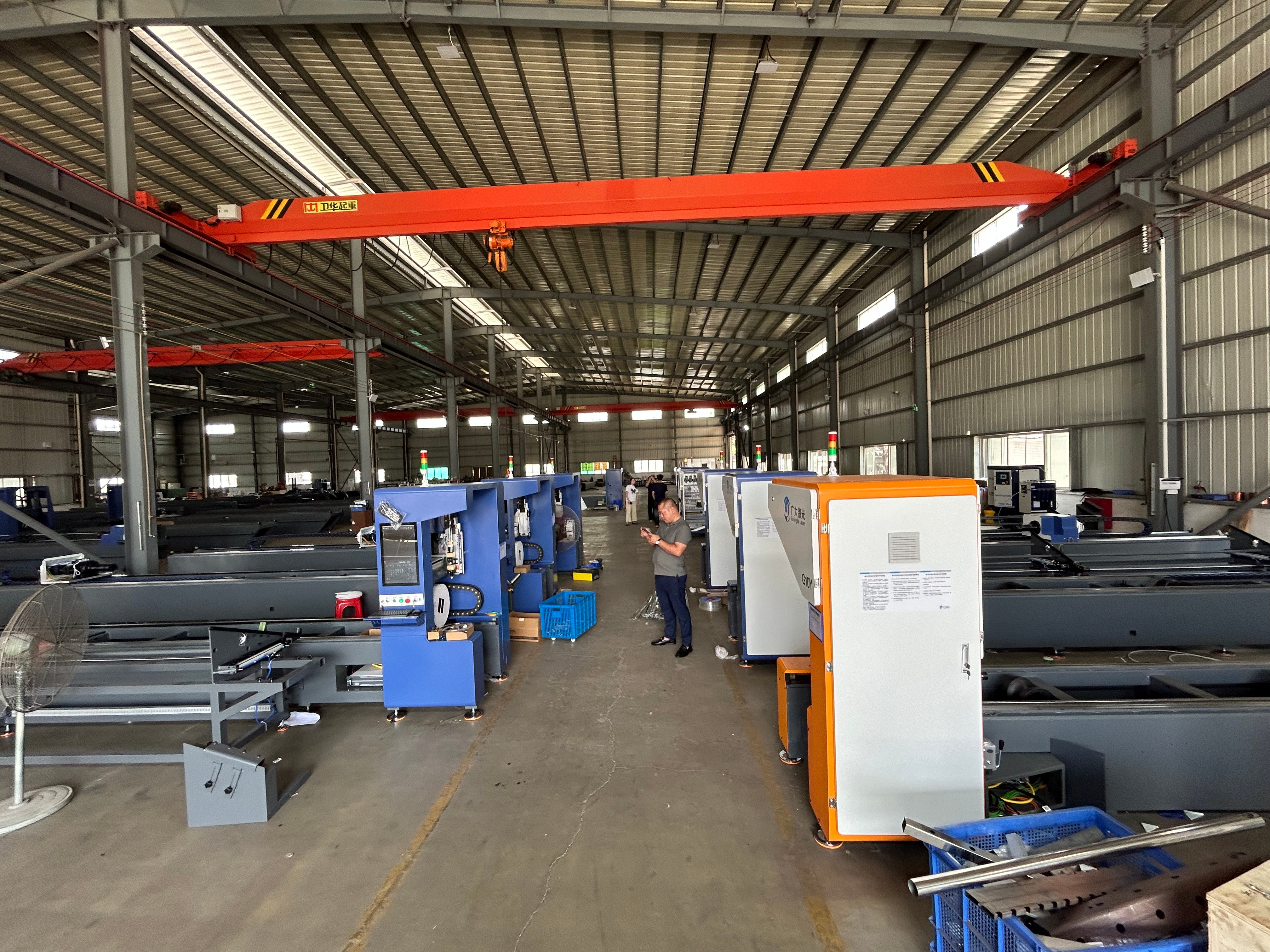
In the world of industrial steel cutting machines, understanding the various processes and techniques is crucial for optimizing production and achieving high-quality results. From laser cutting to traditional methods, each technique offers unique advantages depending on the material and desired outcome. By exploring these methods, businesses can make informed decisions about which machine metal cutter will best serve their needs.
Exploring Different Cutting Techniques
When it comes to cutting metal, there are several techniques available that cater to different requirements. Laser cutting stands out as a highly precise method that utilizes focused light beams to slice through materials with exceptional accuracy. Other techniques, such as plasma cutting or water jet cutting, also have their place in the industry but may not provide the same level of detail that a laser cutting machine can offer.
The choice between these methods often depends on factors like material thickness and type, as well as production speed requirements. For instance, while a metal cutting machine laser excels in thin materials with intricate designs, plasma cutters might be more suitable for thicker metals where speed is essential. Understanding these nuances allows companies to select the right industrial metal cutting machine for their specific applications.
The Importance of Material Thickness
Material thickness plays a pivotal role in determining which industrial steel cutting machine will perform best for any given project. Thicker materials often require more powerful machines capable of delivering sufficient energy to achieve clean cuts without compromising structural integrity. Conversely, thinner sheets benefit greatly from the precision offered by laser technology.
For example, when using a laser cutting machine on thin metals, operators can achieve intricate designs with minimal heat-affected zones, resulting in cleaner edges and less post-cutting work required. On the other hand, attempting to cut thick steel with inadequate equipment could lead to poor quality cuts or even damage to both the material and machinery involved. Thus, understanding material thickness is vital for maximizing efficiency in any metal fabrication process.
Post-Cutting Finishing Options
Once you’ve successfully cut your metal using an industrial steel cutting machine or a sophisticated laser cutter, it’s time to consider post-cutting finishing options that enhance both aesthetics and functionality. Common finishing processes include deburring—removing sharp edges—and polishing surfaces for improved appearance and performance characteristics. Additionally, surface treatments like powder coating or anodizing can further protect against corrosion while adding visual appeal.
Post-cutting operations are not just about looks; they also play a significant role in preparing components for assembly or further processing down the line. For instance, ensuring that all edges are smooth can facilitate better fitting during assembly phases or improve welding outcomes if subsequent joining processes are needed later on. Ultimately, investing time in effective finishing techniques ensures that your machine cut metal meets both quality standards and customer expectations.
Choosing an Industrial Laser Cutting Machine
Selecting the right industrial steel cutting machine can feel like navigating a maze of options, but understanding your needs can simplify the process. The landscape of laser cutting technology is vast and varied, with each machine offering unique features tailored to different applications. By considering key factors such as material type, thickness, and production volume, businesses can make informed decisions that enhance productivity and efficiency.
Factors to Consider for Your Business
When choosing a laser cutting machine, one must first assess the specific requirements of their operations. Considerations such as the types of materials you’ll be processing—whether it's steel, aluminum, or other metals—will heavily influence your choice of an industrial metal cutting machine. Additionally, speed and precision are paramount; ensure that the machine cut metal with accuracy to minimize waste and maximize output.
Another critical factor is the power source of the laser cutting machine. Different machines utilize varying power levels which directly affect their ability to cut through thicker materials efficiently. Finally, don’t overlook operational costs including maintenance and energy consumption; these can significantly impact your bottom line over time.
Notable Brands in the Market
The market for laser cutting machines is populated by several reputable brands known for their innovation and reliability in manufacturing industrial steel cutting machines. Companies like TRUMPF and Mitsubishi have established themselves as leaders in this field by continuously advancing their technology to meet industry demands. Other notable brands include Bystronic and Amada, both recognized for producing high-quality metal cutting machines that cater to various sectors.
These brands often provide extensive support services including training programs for operators which can be invaluable when integrating new equipment into your workflow. When investing in an industrial metal cutting machine, researching these brands will help you identify which offers features aligned with your business's specific needs.
Kiant Machinery: Your Partner in Efficiency
Among the players in this competitive market is Kiant Machinery—a brand synonymous with quality and efficiency in laser cutting solutions. With a strong focus on customer satisfaction, they offer a range of industrial steel cutting machines designed to optimize performance while minimizing operational costs. Their commitment extends beyond just selling machinery; they provide comprehensive support throughout the lifecycle of their products.
Kiant Machinery’s offerings include advanced features such as automated loading systems that streamline operations while ensuring precision cuts every time with their state-of-the-art metal cutter technology. Partnering with Kiant means gaining access not only to top-tier equipment but also expertise that helps businesses maximize their investment in laser cutting technology.
Conclusion
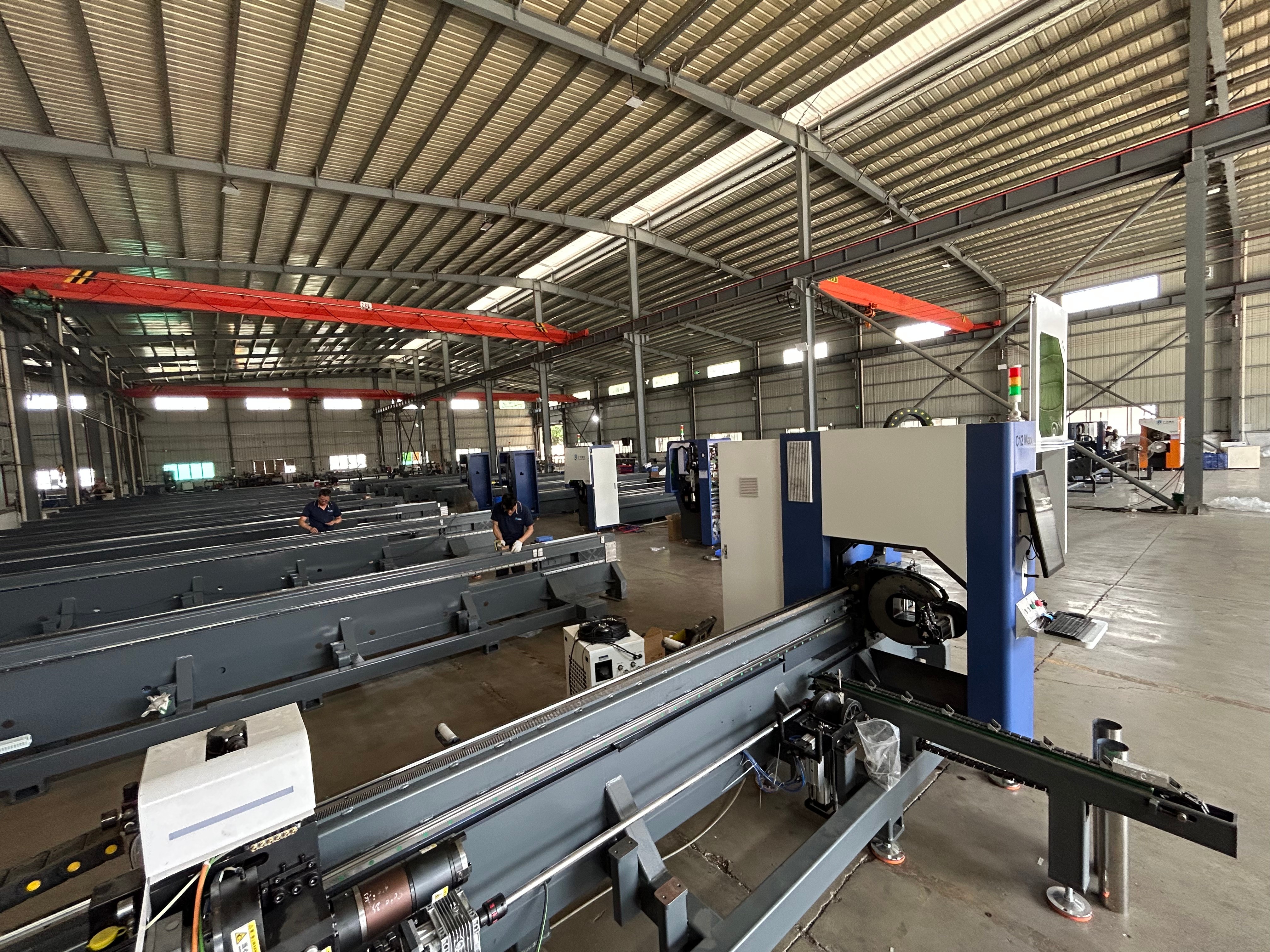
In wrapping up our exploration of industrial steel cutting machines, it’s clear that these machines are pivotal in modern manufacturing. The innovations within this field have revolutionized how industries approach metal fabrication, enhancing productivity and precision. As we look towards the future, laser cutting technology stands out as a beacon of efficiency and versatility.
Innovations in Industrial Cutting Machinery
The landscape of industrial cutting machinery has seen remarkable innovations, especially with the rise of laser cutting machines. These advanced tools offer unparalleled precision and speed, allowing businesses to achieve intricate designs with minimal waste. The introduction of smart technologies and automation in industrial metal cutting machines is further pushing the boundaries of what these machines can accomplish.
Future Trends in Laser Cutting Technology
Looking ahead, several trends are shaping the future of laser cutting technology. The integration of artificial intelligence and machine learning into laser cutting processes promises enhanced efficiency and predictive maintenance for metal cutting machine lasers. Additionally, advancements in fiber laser technology will likely continue to drive down operational costs while improving cut quality for various materials.
Maximizing Your Investment in Cutting Equipment
To truly maximize your investment in a machine metal cutter, it’s essential to consider not just the initial purchase but also ongoing maintenance and training for operators. Choosing a reliable brand known for quality can make all the difference when it comes to durability and performance longevity of your industrial steel cutting machine. Ultimately, investing time into understanding your specific needs will ensure you select a system that not only meets but exceeds your production goals.