
Introduction
In the ever-evolving landscape of construction, light gauge steel frame construction (LGFS) stands out as a game-changer. This innovative approach brings a plethora of perks, making it an attractive option for builders and architects alike. With the rise of metal frame building techniques, understanding the nuances of LGFS becomes essential for anyone involved in modern construction projects.
Unpacking the Perks of LGFS
Light gauge steel framing offers remarkable strength and durability, setting it apart from traditional materials like wood. The lightweight nature of cold formed steel allows for faster assembly and reduced labor costs, making prefabricated steel buildings a smart choice for developers looking to streamline their projects. Additionally, this type of construction is not only cost-effective but also provides design flexibility that can accommodate various architectural styles.
The Rise of Metal Frame Building
The surge in popularity of metal frame building can be attributed to its myriad advantages over conventional construction methods. As more builders recognize the benefits of light gauge steel framing, we see a shift towards more sustainable practices within the industry. This transition is further fueled by advancements in technology that enhance efficiency and reduce waste in the production process.
Understanding Light Gauge Steel Frame Construction
At its core, light gauge steel frame construction involves using thin sheets of cold formed steel to create structural frameworks for buildings. This method not only ensures robust structural integrity but also allows for intricate designs that were previously challenging with traditional materials. As we delve deeper into this topic, it becomes clear that LGFS is paving the way for a new era in construction innovation.
Benefits of Light Gauge Steel Framing
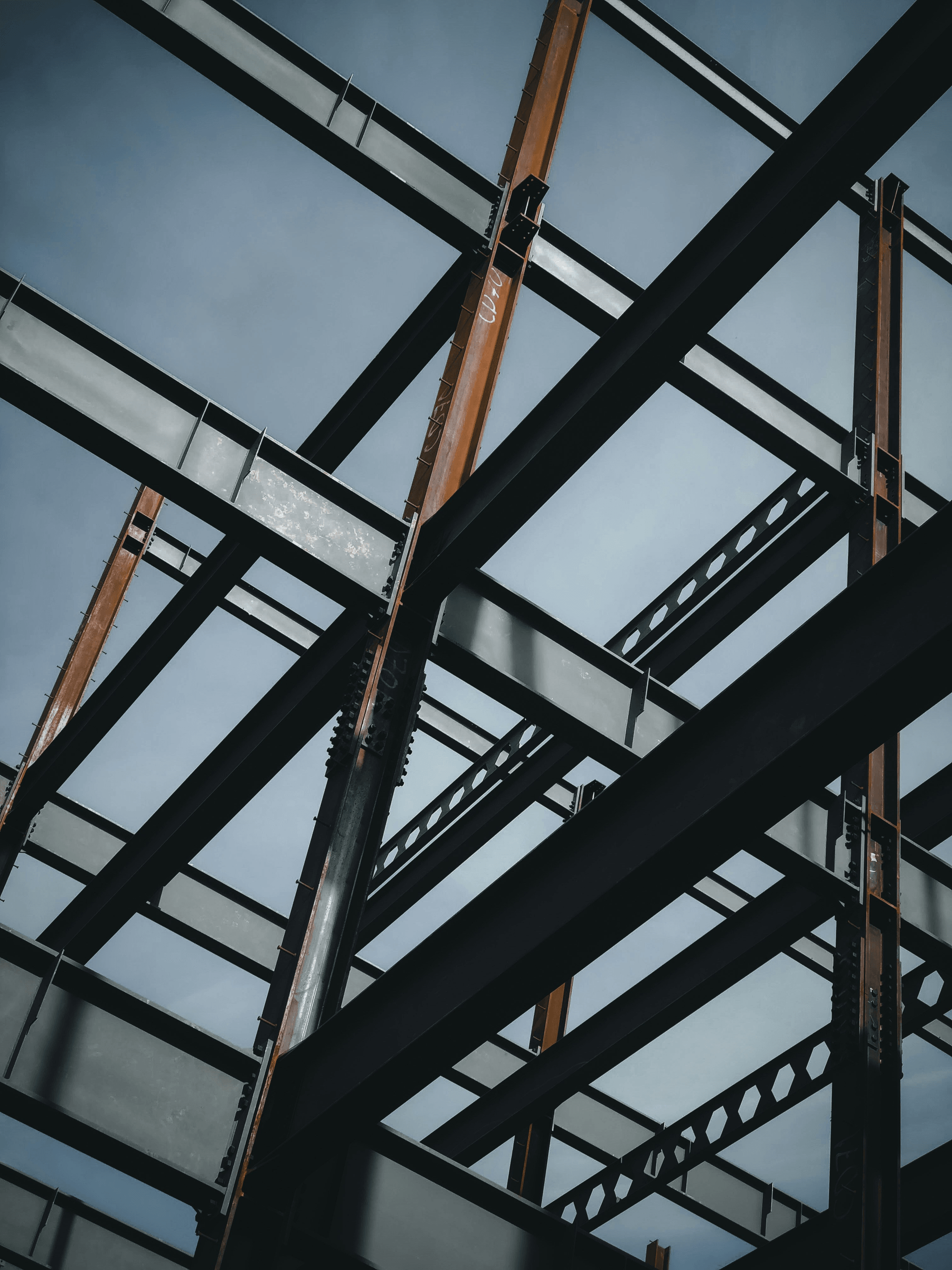
Light gauge steel frame construction is redefining the building landscape, bringing with it a plethora of benefits that are hard to ignore. From enhanced strength and durability to cost-effectiveness and design flexibility, light gauge steel framing stands out as a superior choice for modern construction. Whether you’re considering prefabricated steel buildings or traditional methods, understanding these advantages can help you make an informed decision.
Strength and Durability
One of the most compelling reasons to choose light gauge steel framing is its remarkable strength and durability. Cold formed steel, known for its resilience, provides structural integrity that can withstand various environmental challenges, including high winds and seismic activities. Unlike wood, which may warp or decay over time, metal frame buildings maintain their shape and structural performance for decades.
Moreover, light gauge steel frame construction is resistant to pests like termites and rot—common nuisances in wooden structures. This inherent durability translates into lower maintenance costs over the lifespan of your building, making it a wise investment for both residential and commercial projects. When you opt for light gauge steel framing, you're not just building; you're creating a lasting legacy.
Cost-Effectiveness
Cost-effectiveness is another significant advantage of using light gauge steel framing in construction projects. The initial investment may seem higher than traditional materials like wood; however, the long-term savings are where this option shines. Reduced labor costs due to quicker assembly times associated with prefabricated steel buildings mean that your project can be completed faster without compromising quality.
Additionally, the longevity and low maintenance requirements of cold formed steel ensure that you won't be shelling out money on repairs or replacements anytime soon. With energy-efficient designs becoming increasingly important in today’s market, metal frame buildings also contribute to lower utility bills over time—another financial win for builders and owners alike.
Design Flexibility
Design flexibility is one of the standout features of light gauge steel framing that appeals to architects and builders alike. The lightweight nature of cold formed steel allows for innovative architectural designs without sacrificing structural integrity or safety. Whether you're looking to create expansive open spaces or intricate layouts within prefabricated steel buildings, this material adapts effortlessly to your vision.
Furthermore, because light gauge steel can be easily cut and shaped during fabrication processes, customization options are virtually limitless compared to traditional materials like wood or concrete. This adaptability not only allows for unique aesthetic choices but also enables faster modifications if project requirements change mid-construction—a common occurrence in today's fast-paced building environment.
Prefabricated Steel Buildings: A Smart Choice
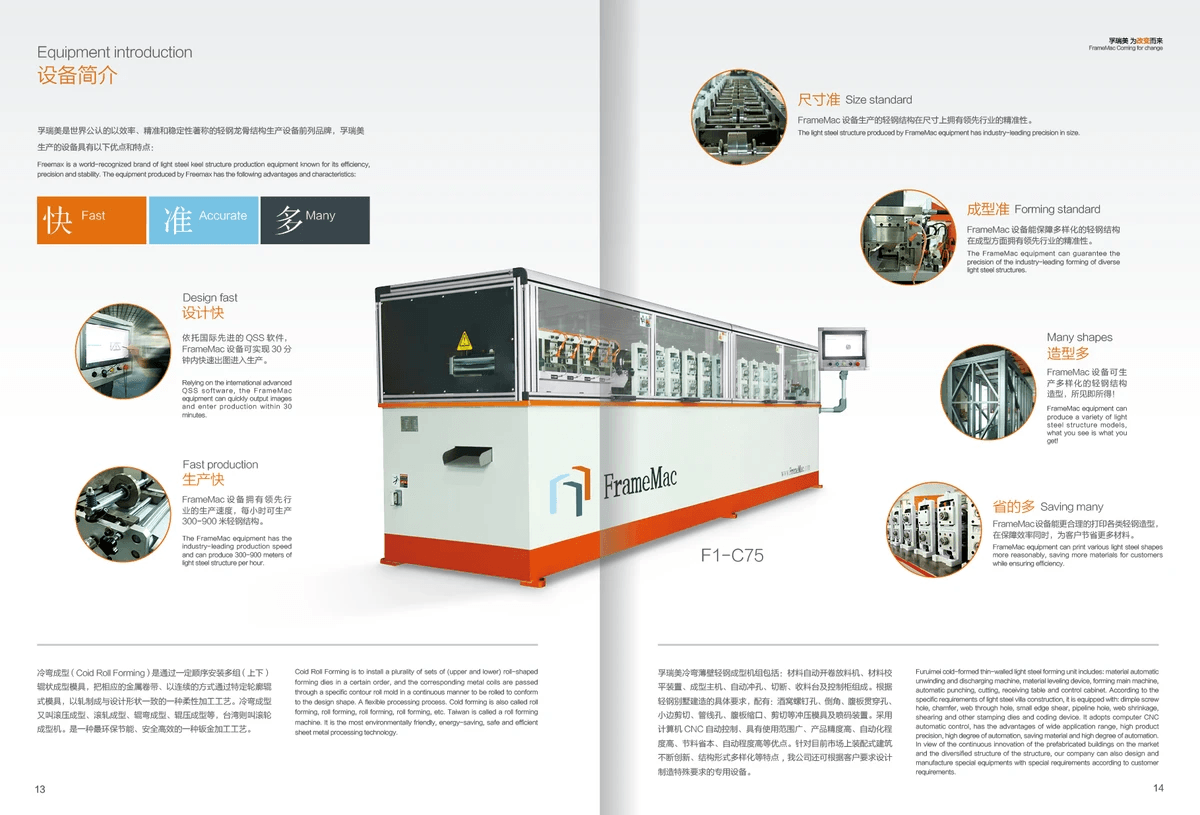
In the world of construction, prefabricated steel buildings are making waves for their efficiency and practicality. These structures, often built using light gauge steel frame construction, are designed to streamline the building process while ensuring quality and sustainability. As the demand for quick and reliable construction solutions rises, it’s clear that prefabricated steel buildings are a smart choice for both residential and commercial projects.
Quick Assembly and Reduced Labor
One of the standout benefits of prefabricated steel buildings is their rapid assembly time. With components manufactured off-site using advanced techniques like cold formed steel fabrication, these structures can be put together in a fraction of the time compared to traditional building methods. This efficiency not only reduces labor costs but also minimizes disruptions on-site, allowing projects to be completed ahead of schedule.
Moreover, light gauge steel framing simplifies installation due to its lightweight nature and precise manufacturing specifications. Crews can easily handle these components without requiring heavy machinery or extensive manpower, further driving down costs. When time is money in construction, quick assembly becomes a significant advantage that can’t be overlooked.
Quality Control in Manufacturing
Quality assurance is paramount in any construction project, and prefabricated steel buildings excel in this area thanks to controlled manufacturing environments. Each component undergoes rigorous testing during production to ensure it meets high standards before reaching the construction site. This level of quality control significantly reduces the likelihood of errors or defects that can arise with traditional building materials.
Using light gauge steel frame construction means that every piece is manufactured with precision engineering techniques which enhance overall structural integrity. The consistency achieved through factory production helps maintain uniformity across all elements of metal frame building projects, leading to superior end results. In essence, when you choose prefabricated options, you’re opting for reliability that translates into long-lasting performance.
Environmental Sustainability
Sustainability has become a cornerstone of modern construction practices, and prefabricated steel buildings shine in this regard as well. Light gauge steel framing is not only recyclable but also often made from recycled materials itself—making it an eco-friendly choice for builders committed to reducing their carbon footprint. This aligns perfectly with global efforts toward more sustainable industrial practices.
Additionally, because these structures are built off-site with minimal waste generated during production, they contribute less debris to landfills compared to traditional methods where on-site cutting often leads to excess material waste. The energy efficiency associated with cold formed steel also plays a role; these buildings typically require less energy for heating and cooling due to their excellent insulation properties—making them environmentally friendly long after they’ve been constructed.
As we embrace innovative approaches like light gauge steel frame construction in our quest for sustainable solutions, it’s clear that prefabricated steel buildings offer both practicality and environmental responsibility—a combination that's hard to beat!
Cold Formed Steel: The Future of Construction
Cold formed steel is quickly becoming the go-to material for modern construction, thanks to its unique properties that blend strength with lightweight design. This innovative approach to light gauge steel frame construction allows for quicker builds and increased efficiency, making it a favorite among builders and architects alike. As the demand for sustainable and durable solutions grows, cold formed steel stands out as a leading choice in the realm of prefabricated steel buildings.
Lightweight Yet Sturdy
One of the most compelling attributes of cold formed steel is its remarkable lightweight nature combined with impressive sturdiness. Unlike traditional materials like wood, which can warp or weaken over time, light gauge steel framing offers consistent structural integrity without adding unnecessary weight to a building. This combination allows for easier handling during installation and reduces transportation costs, making it an ideal choice for metal frame building projects.
Resistance to Natural Elements
When it comes to resilience against natural elements, cold formed steel takes the cake. Unlike wood that is susceptible to rot, pests, and moisture damage, light gauge steel frame construction provides a robust defense against these threats while maintaining its structural performance over time. Whether facing heavy winds or torrential rains, prefabricated steel buildings constructed with cold formed steel are built to last and protect their occupants from nature's unpredictability.
Enhanced Energy Efficiency
Another significant advantage of using cold formed steel in construction is its potential for enhanced energy efficiency. The inherent properties of light gauge steel framing allow for superior insulation options compared to traditional materials, leading to lower energy consumption in heating and cooling systems within prefabricated structures. By investing in cold formed steel solutions today, builders not only contribute to sustainable practices but also create long-term savings on energy bills for homeowners and businesses alike.
Comparing Traditional Materials with LGFS
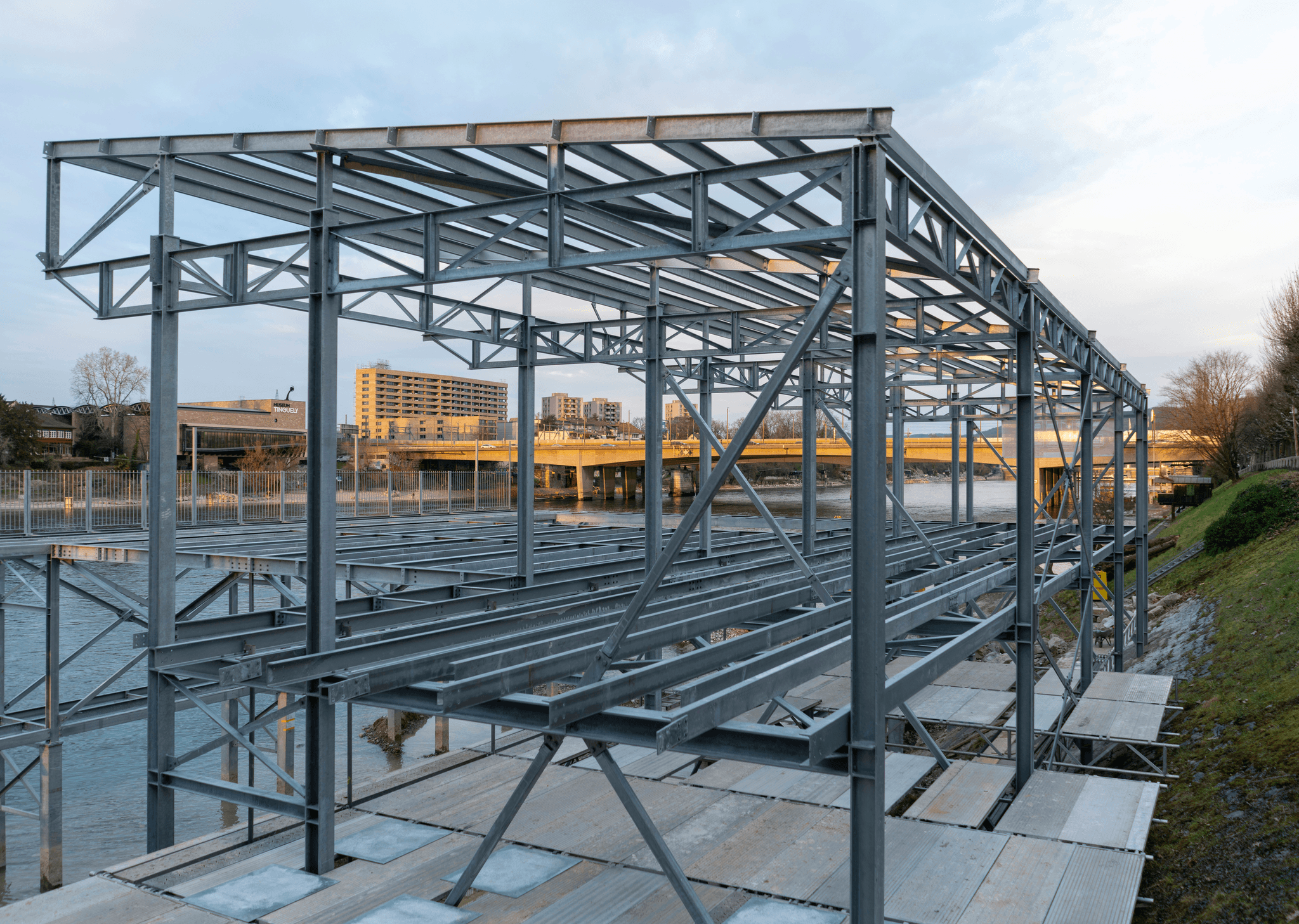
When it comes to construction materials, the debate between wood and light gauge steel frame construction is more relevant than ever. Each material has its pros and cons, but light gauge steel framing stands out for its strength, durability, and versatility. While wood may have been the traditional choice for many years, the rise of prefabricated steel buildings is changing the landscape of modern construction.
Wood vs. Steel: A Comprehensive Look
Wood has long been favored for its aesthetic appeal and ease of use; however, it often falls short in terms of structural integrity compared to cold formed steel. Light gauge steel framing offers superior resistance to pests, rot, and warping—issues that can plague wooden structures over time. Additionally, metal frame building allows for greater design flexibility while maintaining a lightweight structure that doesn’t compromise on strength.
In contrast to wood’s susceptibility to environmental conditions, light gauge steel frame construction boasts exceptional durability against moisture and temperature changes. This resilience means fewer repairs and replacements over a building's lifespan, making it a smart investment in the long run. Ultimately, while both materials have their place in construction projects, cold formed steel emerges as a robust alternative that meets modern demands.
Long-Term Maintenance Costs
One significant advantage of prefabricated steel buildings is their lower long-term maintenance costs compared to traditional wooden structures. Wood requires regular treatments against insects and decay; neglecting these tasks can lead to costly repairs down the line. In contrast, light gauge steel framing demands minimal upkeep—just an occasional wash or inspection—to ensure its longevity.
Moreover, the initial investment in light gauge steel frame construction can pay off handsomely over time due to reduced maintenance expenses and increased property value. The durability of cold formed steel means fewer replacements are necessary throughout a building’s life cycle compared to wood alternatives that may need replacement after just a few decades. Therefore, choosing metal frame building not only makes financial sense but also contributes positively to overall sustainability.
Safety and Fire Resistance
Safety is paramount in any construction project; here again, light gauge steel framing shines brightly when compared with wood structures. Steel is inherently fire-resistant—a critical factor given that most fire codes favor non-combustible materials for safety reasons. In contrast, wooden buildings pose higher risks during fires due to their flammability.
Additionally, prefabricated steel buildings offer enhanced structural integrity during extreme weather events such as hurricanes or earthquakes than traditional wooden frames can provide. Cold formed steel has excellent tensile strength which ensures stability even under duress from natural elements—something wood simply can't match reliably over time. Ultimately, when considering safety features alongside performance metrics like durability and cost-effectiveness in your next project decision-making process becomes clearer: metal frame building is hard to beat!
Kiant Machinery: Innovating the Steel Industry
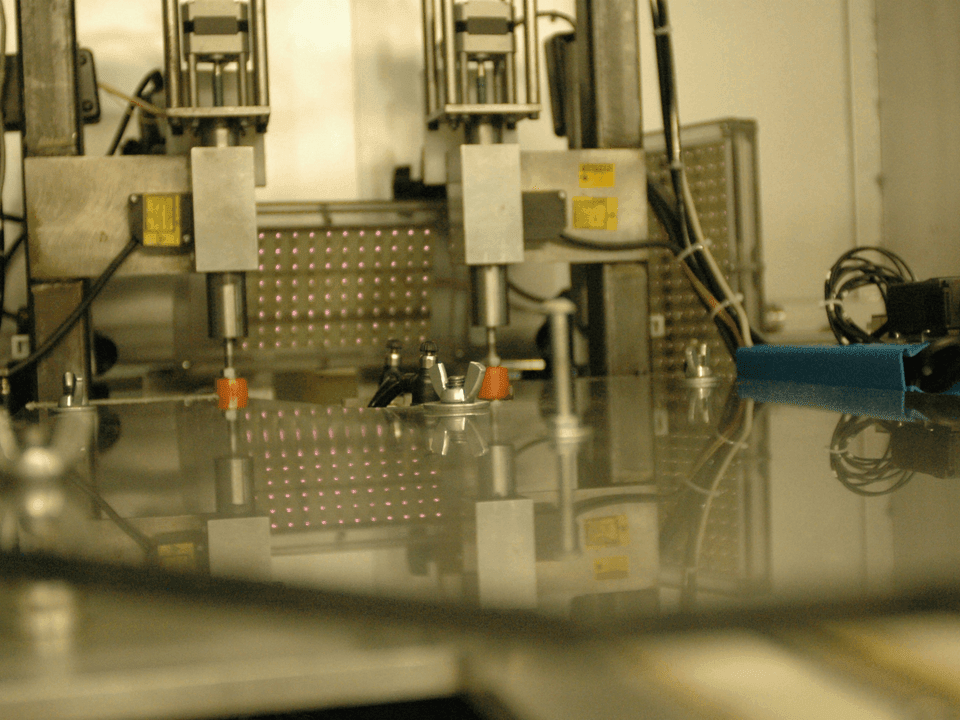
In the ever-evolving landscape of construction, Kiant Machinery stands out as a trailblazer in the steel industry. By integrating cutting-edge technology with traditional practices, they are redefining what it means to work with light gauge steel frame construction. Their commitment to innovation not only enhances efficiency but also supports the growing demand for prefabricated steel buildings and metal frame building solutions.
Advanced Laser Tube Cutting Technology
Kiant Machinery employs advanced laser tube cutting technology that revolutionizes how components for light gauge steel framing are manufactured. This precision cutting method ensures that each piece is crafted to exact specifications, reducing waste and improving overall quality. With laser technology, builders can achieve intricate designs and complex shapes that were once difficult or impossible to create with traditional methods.
Moreover, this technology significantly speeds up production times, allowing for quicker turnaround on projects involving cold formed steel. As a result, contractors can assemble prefabricated steel buildings more rapidly without compromising on quality or structural integrity. The efficiency gained through advanced laser cutting positions Kiant Machinery at the forefront of the steel industrial sector.
Enhancing Efficiency in Metal Frame Building
Efficiency is paramount in any construction project, and Kiant Machinery excels at enhancing it within metal frame building processes. By streamlining operations and utilizing state-of-the-art machinery, they minimize downtime and optimize resource allocation during construction phases. This focus on efficiency translates into cost savings for clients who choose light gauge steel framing over traditional materials.
Additionally, their automated systems allow for consistent quality control throughout production runs of prefabricated steel buildings. Each component produced meets rigorous standards that ensure durability and performance in various applications—from residential homes to commercial structures using cold formed steel frames. Ultimately, this commitment to efficiency not only benefits builders but also contributes positively to project timelines.
Tailored Solutions for Steel Industrial Needs
Understanding that no two projects are alike, Kiant Machinery offers tailored solutions specifically designed for diverse needs in the steel industrial landscape. Whether it's customizing dimensions or providing specialized coatings for light gauge steel frame construction projects, their flexibility sets them apart from competitors who may rely solely on standard offerings. This adaptability ensures that every client receives products perfectly suited to their unique requirements.
Furthermore, their expert team collaborates closely with clients throughout the design phase of metal frame building projects—ensuring seamless integration of innovative technologies like advanced laser tube cutting into overall plans. Such collaboration fosters a deeper understanding of how best to utilize cold formed steel in various applications while maximizing both functionality and aesthetic appeal in prefabricated structures.
With a keen eye on future trends and an unwavering commitment to innovation, Kiant Machinery is poised to lead the charge toward a new era of construction excellence centered around light gauge steel framing.
Conclusion
In a rapidly evolving construction landscape, light gauge steel frame construction stands out as a compelling choice for modern building needs. Its unique blend of strength, durability, and design flexibility makes it an attractive alternative to traditional materials. As the industry continues to embrace innovation, light gauge steel framing is poised to redefine our architectural possibilities.
Why Choose Light Gauge Steel Construction
Choosing light gauge steel frame construction means opting for a material that offers unparalleled strength while remaining lightweight and easy to work with. This combination not only enhances structural integrity but also streamlines the building process, allowing for quicker project completion. Additionally, cold formed steel's resistance to warping or rotting ensures that your investment stands the test of time, providing peace of mind for years to come.
The Advantages of Prefabricated Steel Solutions
Prefabricated steel buildings are revolutionizing how we approach construction projects by significantly reducing labor costs and assembly time. With components manufactured in controlled environments, quality control is maximized, leading to fewer on-site errors and improved overall efficiency in metal frame building projects. Furthermore, these solutions contribute positively to environmental sustainability by minimizing waste and utilizing recyclable materials.
Embracing the Future of Construction with LGFS
As we look ahead, embracing light gauge steel framing signifies a commitment to innovation in the construction sector. The versatility and adaptability of this material make it suitable for various applications within the steel industrial realm—from commercial spaces to residential homes. By investing in cold formed steel solutions today, we can build not just structures but also a sustainable future that prioritizes efficiency and resilience.