
Introduction
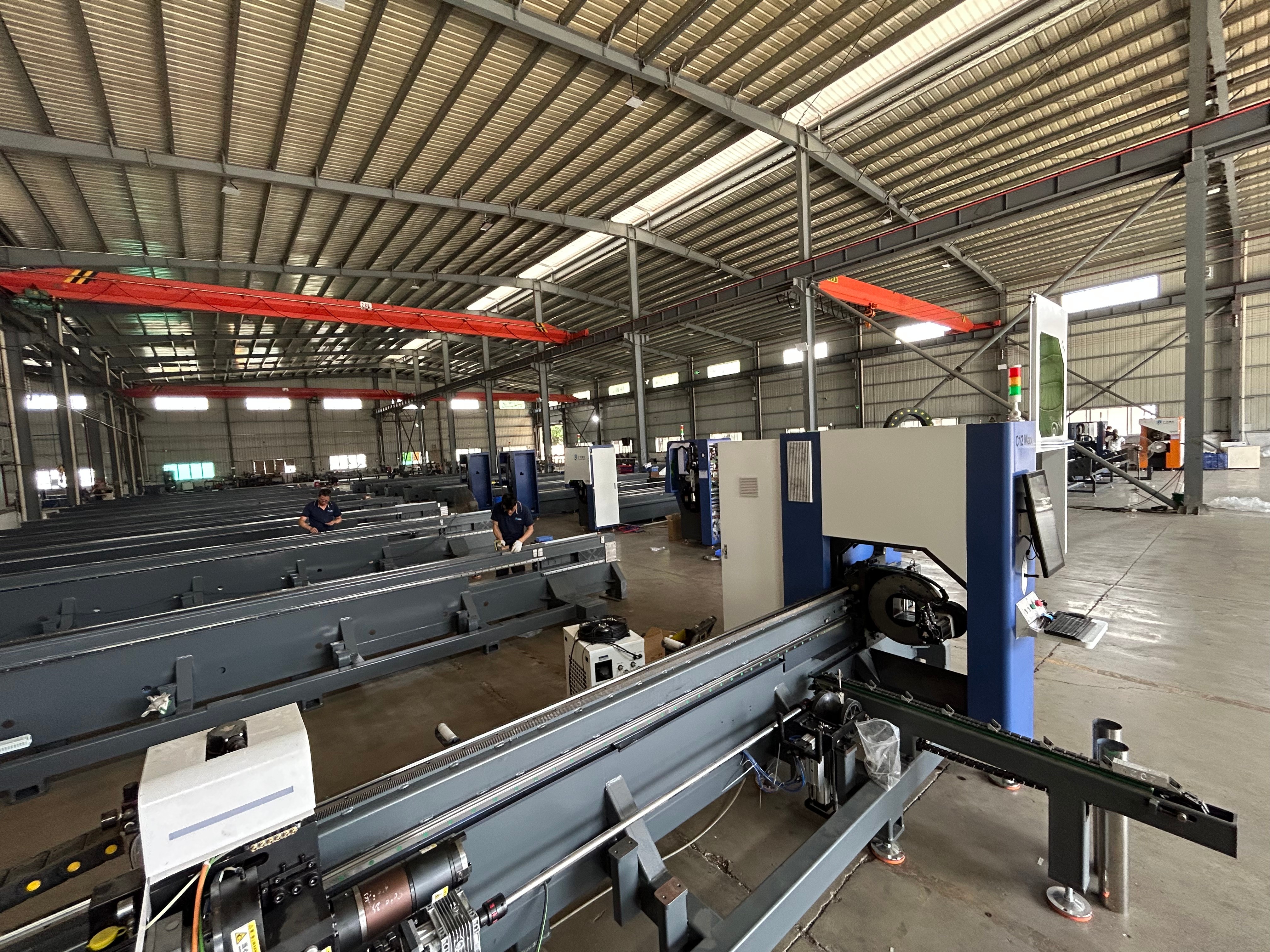
In the world of manufacturing and construction, metal rollforming systems have revolutionized the way we work with materials. These machines efficiently shape thin sheet metal into various profiles, making them essential for producing components used in a multitude of applications. Among these materials, light gauge steel stands out for its strength-to-weight ratio and versatility, making it a favorite in modern construction.
Understanding Roll Forming Machines
Roll forming machines are specialized equipment designed to transform flat metal sheets into desired shapes through a continuous bending process. This method is not only efficient but also allows for high precision in creating complex profiles tailored to specific requirements. By utilizing a series of rollers, these machines can produce long lengths of light gauge steel framing components with minimal waste and maximum consistency.
Importance of Thin Sheet Metal
Thin sheet metal is crucial in today's manufacturing landscape due to its lightweight properties and adaptability across various industries. The ability to manipulate this material into different shapes without compromising its integrity makes it ideal for applications ranging from automotive parts to building structures. In particular, light gauge steel products derived from thin sheet metal are increasingly used in constructing durable yet lightweight structures that meet modern engineering demands.
Applications of Light Gauge Steel
Light gauge steel finds its place in numerous applications, particularly within the construction sector where its strength and flexibility are invaluable. From residential homes to commercial buildings, light gauge steel framing provides a reliable alternative to traditional wood or concrete structures. Additionally, innovations like the light gauge steel roll forming machine have made it easier than ever to create customized solutions that cater to specific architectural designs and structural needs.
What is Metal Rollforming?
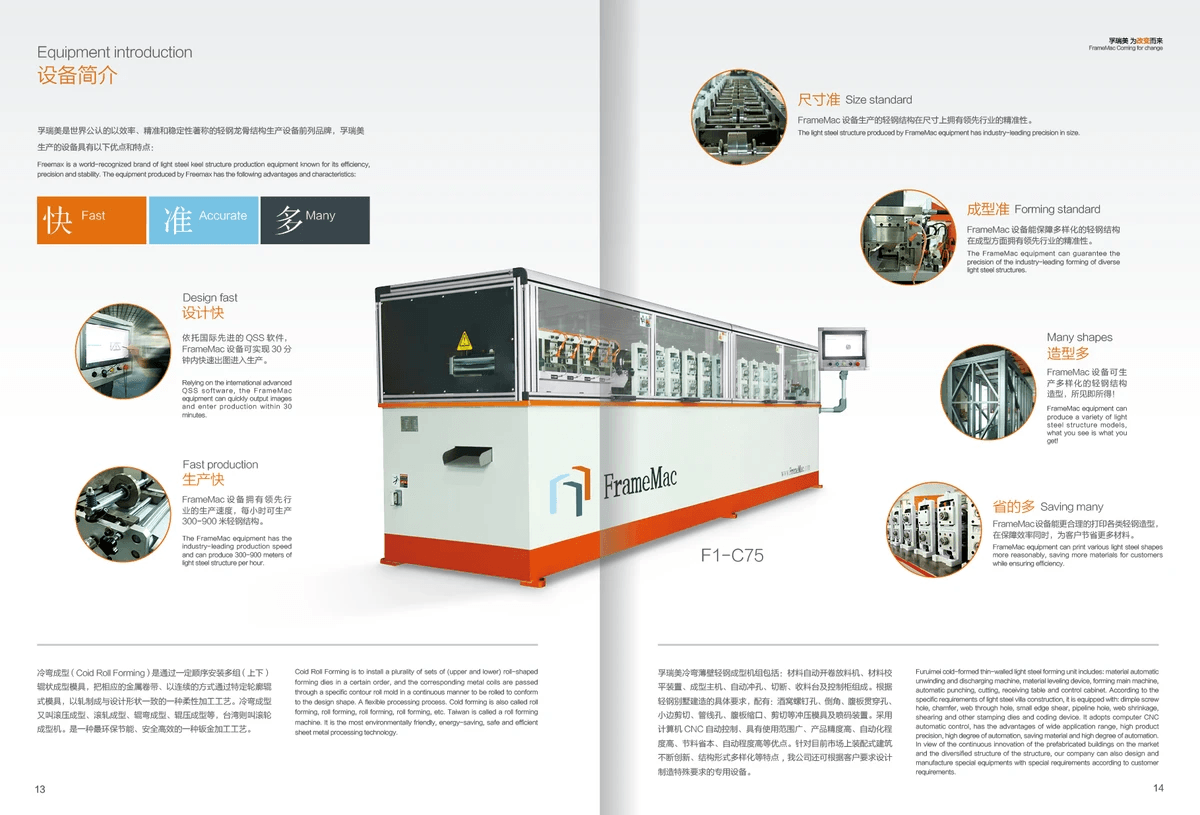
Metal rollforming is a manufacturing process that transforms flat metal sheets into specific shapes and profiles through a series of rollers. This technique is particularly effective for producing components used in light gauge steel structures, which are essential in modern construction. By using metal rollforming systems, manufacturers can create consistent and precise shapes that meet the demands of various applications.
Definition and Process
At its core, metal rollforming involves feeding a continuous strip of sheet metal through a set of rollers that gradually shape it into the desired profile. The process begins with the flat sheet being fed into the machine, where it passes through multiple stations, each equipped with rollers designed to bend and shape the metal progressively. The result is a finished product, such as light gauge steel tubing or framing components, ready for use in construction projects.
The efficiency of this process allows for high-volume production while maintaining tight tolerances and quality control. As the demand for lightweight materials increases, particularly in light gauge steel framing applications, rollforming has become an invaluable method for meeting industry needs. This combination of speed and precision makes metal rollforming systems an attractive option for manufacturers looking to streamline their operations.
Key Components of Rollforming Systems
A typical rollforming system consists of several key components that work together to ensure smooth operation and high-quality output. The primary elements include the uncoiler, which feeds the flat sheet into the system; forming rollers that shape the material; and cutting tools that trim it to length once formed. Additionally, control systems monitor parameters such as speed and pressure to optimize performance throughout the production run.
Light gauge steel framing machines are designed with these components tailored specifically for shaping light gauge steel into various profiles required by architects and builders alike. The integration of advanced technology has also led to improved automation within these systems, allowing for greater efficiency in producing complex shapes like those found in light gauge steel structures. With these essential parts working harmoniously together, manufacturers can achieve impressive results consistently.
Benefits of Metal Rollforming
The advantages of using metal rollforming systems are numerous and compelling for businesses engaged in construction or manufacturing sectors involving light gauge steel products. One significant benefit is cost-effectiveness; by streamlining production processes and reducing material waste, companies can save both time and money on their projects. Moreover, this method allows for quick adjustments to designs without extensive retooling or downtime—making it easier to adapt to changing market demands.
Another major advantage lies in the versatility offered by light gauge steel framing solutions produced via rollforming techniques. These products can be tailored to meet specific project requirements while maintaining structural integrity—ideal for everything from residential homes to commercial buildings needing robust yet lightweight solutions like light gauge steel tubes or frames. Ultimately, embracing metal rollforming not only enhances productivity but also opens up new opportunities within diverse industries reliant on innovative building materials.
Advantages of Thin Sheet Metal
Lightweight Properties
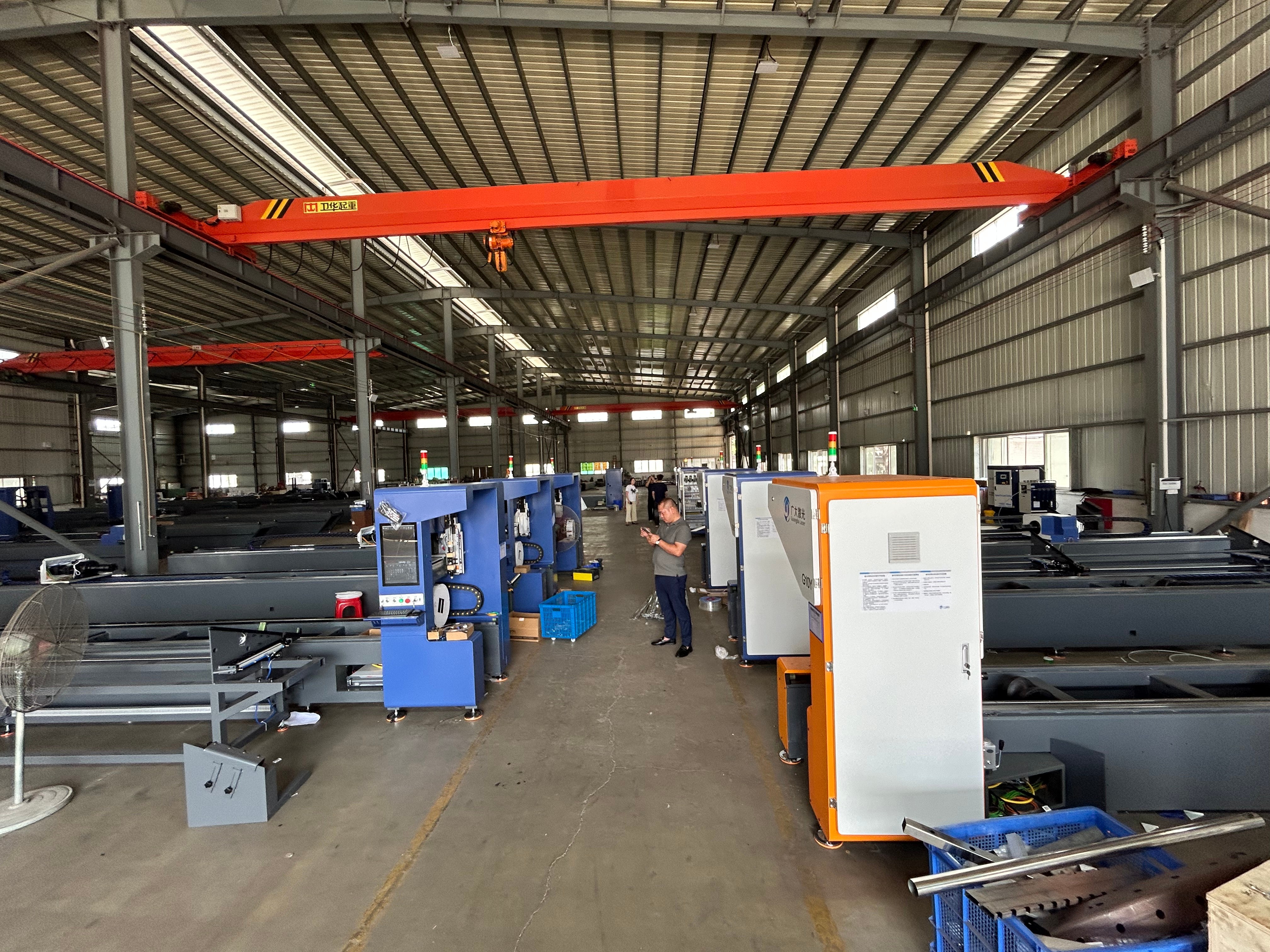
One of the most significant advantages of thin sheet metal is its lightweight nature. When used in light gauge steel framing, these materials provide structural strength without the burden of heavy weight, making them ideal for a variety of applications. This property not only simplifies handling during installation but also reduces transportation costs associated with larger and heavier materials.
Moreover, the lightweight characteristics contribute to energy efficiency in buildings constructed with light gauge steel structures. By minimizing the load on foundation systems and reducing overall material usage, builders can achieve sustainable designs that meet modern engineering standards. The use of a light gauge steel roll forming machine further enhances this advantage by producing precisely shaped components that maintain structural integrity while being remarkably light.
Versatility in Design
Thin sheet metal offers unparalleled versatility when it comes to design options in construction and manufacturing sectors. The adaptability of light gauge steel allows architects and engineers to create innovative designs that were previously unimaginable with traditional materials. Whether it's intricate shapes or customized profiles needed for specific projects, metal rollforming systems can accommodate a wide range of requirements.
Additionally, light gauge steel framing allows for easy integration with other building materials such as glass or concrete, providing aesthetic appeal alongside functional benefits. This compatibility supports creative architectural expressions while ensuring durability and strength within the structure itself. With advancements in technology like the light gauge steel framing machine, designers can quickly prototype new ideas without incurring prohibitive costs or lengthy lead times.
Cost-Effectiveness for Production
The efficient use of resources during fabrication translates into savings that can be passed on to customers without compromising quality or performance standards. Light gauge steel tubes produced through advanced roll forming techniques allow manufacturers to optimize material usage while still delivering high-quality products.
Furthermore, reduced labor costs are another benefit associated with using thin sheet metals and automated production processes like those employed by light gauge steel roll forming machines. These machines streamline operations by minimizing manual intervention and enhancing precision during fabrication stages—leading to quicker turnaround times on projects while maintaining consistency across batches produced. As industries continue shifting toward leaner manufacturing practices, investing in these technologies becomes increasingly appealing.
Exploring Light Gauge Steel
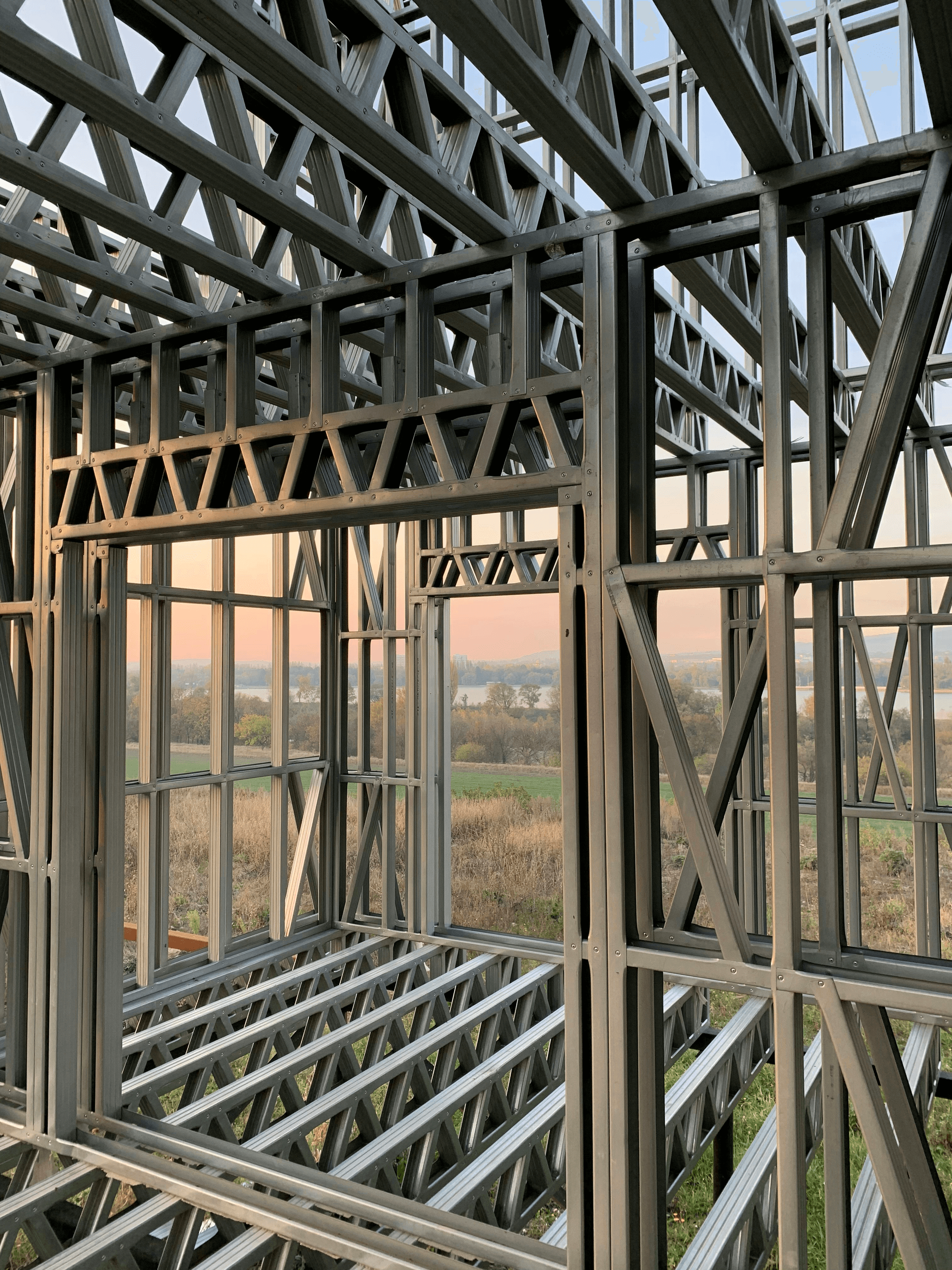
Light gauge steel has become a game-changer in the construction industry, thanks to its unique properties and versatility. This material is not only lightweight but also remarkably strong, making it an ideal choice for various applications, especially when paired with advanced metal rollforming systems. As we dive deeper into light gauge steel, we’ll uncover its characteristics, applications in construction, and how it stacks up against traditional steel.
Characteristics of Light Gauge Steel
Light gauge steel is defined by its thin walls and high strength-to-weight ratio, which allows for efficient structural designs without compromising durability. Typically ranging from 0.84 mm to 3 mm in thickness, this material can be easily shaped using a light gauge steel roll forming machine, enabling intricate designs that meet specific engineering requirements. Additionally, light gauge steel is resistant to pests and rot—two common foes of traditional wood framing—making it a preferred choice for modern construction projects.
Applications in Construction
The applications of light gauge steel are vast and varied; it's not just limited to residential buildings but extends into commercial structures as well. Builders utilize light gauge steel framing for walls, roofs, and floors due to its lightweight nature that simplifies transportation and installation processes on-site. Notably, the use of light gauge steel structures can lead to faster build times while ensuring that the integrity of the design remains intact—a win-win situation for contractors looking to streamline their projects.
Differences from Traditional Steel
When comparing light gauge steel with traditional heavy-duty steel beams or plates, several key differences come into play. While traditional steel offers strength for large-scale constructions like bridges or skyscrapers, light gauge steel excels in flexibility and ease of handling thanks to its lower weight—ideal for residential projects where speed is essential. Furthermore, the manufacturing process involving metal rollforming systems allows for precise shapes tailored specifically for modern architectural needs that heavy traditional steels simply can't match.
Functionality of Light Gauge Steel Framing Machines
Light gauge steel framing machines are revolutionizing construction, offering a blend of efficiency and precision in metal rollforming systems. These machines are designed to produce light gauge steel frames, which are essential for modern building projects. By utilizing advanced technology, these machines can create intricate light gauge steel structures that meet diverse architectural needs.
Overview of the Machinery
At the heart of any light gauge steel framing operation lies the light gauge steel roll forming machine. This specialized equipment shapes flat sheets of metal into desired profiles, allowing for rapid production of components like studs and tracks used in construction. The machinery typically includes feeding systems, forming stations, cutting devices, and control panels that enhance usability and output consistency.
The design of these machines is crucial for ensuring accuracy and reducing waste during production. Many modern light gauge steel framing machines incorporate automated features that streamline operations, from loading materials to final product inspection. This automation not only speeds up the manufacturing process but also minimizes human error, making it an attractive option for builders looking to optimize their workflows.
The Role of Technology in Efficiency
Technology plays a pivotal role in enhancing the efficiency of metal rollforming systems used for light gauge steel framing. Advanced software solutions enable precise control over the manufacturing process, allowing operators to customize designs quickly without extensive downtime between runs. Moreover, innovations such as real-time monitoring systems provide valuable data on machine performance and material usage.
Integrating automation with robotics further elevates productivity levels by enabling continuous operation with minimal supervision required. This means companies can scale their production capabilities while maintaining high standards for quality control in every light gauge steel frame produced. As a result, businesses save both time and money—two critical factors in today’s competitive construction landscape.
Case Studies of Successful Implementations
Several case studies illustrate how effective light gauge steel framing machines have transformed construction practices across various projects. For instance, one notable project involved using a state-of-the-art light gauge steel roll forming machine to construct an office building quickly while adhering to strict timelines and budget constraints. The flexibility offered by this machinery allowed contractors to adapt designs on-the-fly without compromising structural integrity.
Another example showcases a residential development where builders utilized a combination of automated framing techniques with lightweight materials like light gauge steel tubes to create energy-efficient homes rapidly. The ability to produce customized components efficiently resulted in reduced labor costs and faster project completion times compared to traditional methods using heavier materials like wood or conventional steel.
These success stories highlight how investing in advanced metal rollforming systems can lead not only to improved productivity but also enhanced sustainability within the construction industry—a win-win scenario for builders aiming at innovation while keeping costs manageable.
Kiant Machinery: A Leader in Roll Forming
When it comes to the world of metal rollforming systems, Kiant Machinery stands out as a beacon of innovation and reliability. With years of experience under its belt, the company has established itself as a leading provider of machinery specifically designed for light gauge steel framing and other related applications. Their commitment to quality and customer satisfaction makes them a go-to choice for businesses looking to enhance their production capabilities.
Overview of Kiant Machinery
Kiant Machinery has carved out a niche in the manufacturing sector by focusing on advanced light gauge steel roll forming machines. These machines are engineered to produce high-quality light gauge steel structures that meet modern construction demands. The company prides itself on its state-of-the-art technology and skilled workforce, ensuring that each machine is built to last while maximizing efficiency.
Products and Services Offered
Kiant Machinery offers an impressive range of products tailored for various applications involving light gauge steel framing. From customized light gauge steel tube production lines to versatile framing machines, they provide solutions that cater to both small-scale operations and large industrial needs. Additionally, their services extend beyond just equipment sales; they offer comprehensive support, including installation, training, and maintenance for all metal rollforming systems.
Benefits of Partnering with Kiant Machinery
Choosing to partner with Kiant Machinery comes with numerous advantages that can significantly impact your business's bottom line. First and foremost is their expertise in designing efficient light gauge steel framing solutions tailored to specific project requirements—saving you time and money in the long run. Furthermore, their commitment to innovation ensures that you stay ahead of industry trends while benefiting from cutting-edge technology in your metal rollforming systems.
Conclusion
In the ever-evolving landscape of construction and manufacturing, metal rollforming systems are carving out a significant niche. As industries continue to embrace efficiency and sustainability, the demand for light gauge steel framing is on the rise. With its lightweight properties and versatility, light gauge steel is becoming the go-to material for modern structures.
The Future of Metal Rollforming Systems
The future of metal rollforming systems looks bright, with advancements in technology paving the way for enhanced productivity and precision. Automation and smart technology integration are set to revolutionize how we approach manufacturing processes, allowing for faster turnaround times without compromising quality. As companies invest in more sophisticated light gauge steel roll forming machines, we can expect a surge in innovative designs that push the boundaries of what's possible in construction.
Innovations in Light Gauge Steel Framing
Innovations in light gauge steel framing are transforming traditional building methods into streamlined processes that prioritize sustainability and efficiency. New techniques are being developed to optimize the use of light gauge steel tube structures, making them not just lighter but also stronger than their predecessors. These advancements ensure that builders can create resilient light gauge steel structures that meet contemporary demands while reducing waste—a win-win for both developers and the environment.
Choosing the Right Equipment for Your Needs
Selecting the right equipment is crucial when it comes to maximizing your investment in metal rollforming systems. Understanding your specific requirements—such as production volume, design complexity, and material specifications—will guide you to choose an appropriate light gauge steel framing machine tailored to your operations. Partnering with reputable manufacturers like Kiant Machinery ensures access to top-notch technology designed for efficiency and durability, setting you up for success in your projects.