
Thick plate laser cutting rewards patience. The work may look simple from a distance: a powerful beam, a steel plate, a programmed path, and a finished part. On the shop floor, thick plate work is more demanding. Heat builds, piercing becomes more critical, plate surface condition matters, gas behavior changes, and part removal can slow the cell long after the cut is complete.
Shops reviewing flatbed laser cutting machines for thicker materials should avoid judging the project only by maximum capability. The more useful question is whether the machine, material, gas supply, program, table, and downstream route can repeat accepted parts under normal production pressure.
Plate Quality Is Part of the Setup
Thick plate makes material variation harder to ignore. Surface rust, scale, flatness, grade variation, storage condition, and heat history can all influence cut behavior. A plate that looks usable to purchasing may still create cutting inconsistency if the surface is poor or the material batch behaves differently from the last accepted job.
Mazak's technical discussion of mild steel plate cutting highlights material composition, rust, scale, machine setup, nozzle condition, oxygen flow, piercing, and programming techniques as factors that can influence thick mild steel results. The exact machine and procedure will vary by supplier, but the principle is broadly useful: plate quality and process condition must be checked before the operator blames one parameter.
A strong production routine records material identity before cutting begins. The record can be simple: job number, plate type, thickness class, surface notes, batch or supplier reference where available, operator, and first-part result. That evidence helps the shop separate material issues from machine or programming issues.
Piercing Is the First Quality Event
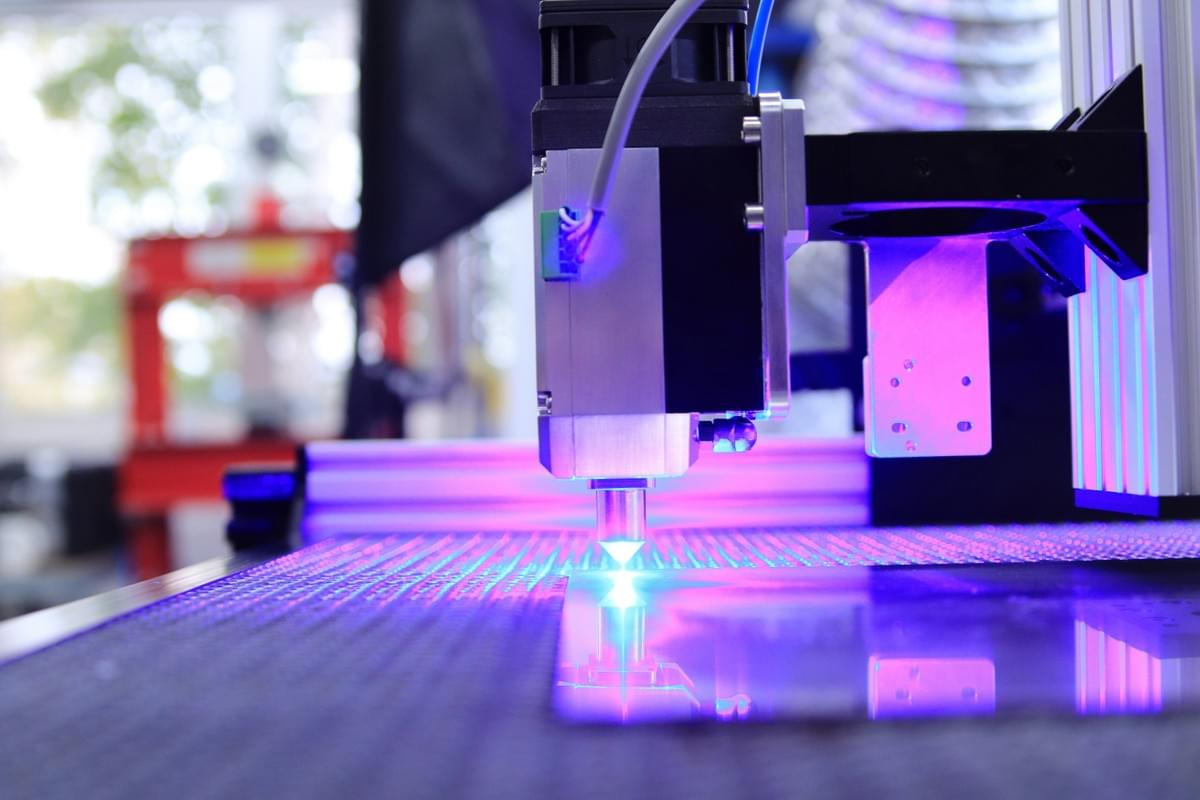
In thick plate laser cutting, piercing is not just the step before cutting. It is the first quality event. A poor pierce can damage the cut start, leave excessive heat, create spatter, interrupt the path, or force operators into slow recovery work. The production plan should treat piercing as a controlled operation, especially on parts with many starts or demanding contours.
Operators should know what an acceptable pierce looks like for the current material family. They should also know when to pause before releasing the full nest. If the first pierce is unstable, continuing the job may multiply the problem. A short first-part or first-feature review can save a full plate of avoidable defects.
The cutting head, nozzle condition, focus, assist gas, and program strategy all play into piercing. That is why troubleshooting should be organized. Change one factor at a time when the approved procedure allows it, record the result, and avoid building a private recipe that the next shift cannot understand.
Heat Needs Space in the Program
Thick plate holds heat. If the program concentrates too many cuts in one area, narrow webs, close holes, sharp corners, or repeated starts may become unstable. Heat can affect edge condition, dimensional behavior, and part removal. The nest may look efficient on screen while the plate behaves differently under the beam.
Programming choices can help. Part sequencing, lead-in placement, corner treatment, cooling intervals, and feature order should be considered for difficult thick plate jobs. The goal is not to slow every job. The goal is to avoid pretending that thick plate reacts like thin sheet.
TRUMPF's flame cutting and laser-cutting application materials describe oxygen-supported cutting for mild steel and the importance of gas, focus, speed, and process conditions. Buyers can use this as a reminder that thick plate work is a thermal process, not just a motion-control task.
Gas Choice Has to Match the Edge Requirement
Assist gas decisions should be tied to material and edge requirement. Carbon steel plate may be cut with oxygen in many production contexts, while stainless steel and aluminum often drive nitrogen discussions when oxide-free or bright edges matter. Some shops also evaluate air or gas mixtures for specific cost and finish needs. The correct choice depends on the job, machine, customer standard, and downstream route.
For thick plate work, gas planning includes more than selecting a gas name. The shop should review supply capacity, pressure stability, purity needs, line condition, nozzle selection, and actual part acceptance. If a gas issue appears, the symptom may show as dross, rough edge, discoloration, incomplete cutting, unstable piercing, or variable lower-edge quality.
Gas cost should not be separated from rework cost. A cheaper cut that creates grinding, welding preparation, coating problems, or rejected edges may not be cheaper in the route. The right metric is accepted plate work delivered to the next process.
Large Parts Change Material Handling
Thick plate parts can create a handling problem even when the cut is excellent. Finished parts may be heavy, sharp, hot, awkward to lift, or difficult to separate from a skeleton. If carts, lifting equipment, safe routes, and inspection space are not ready, the laser cell can stop while people solve a logistics problem at the table.
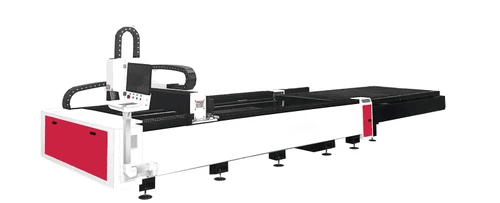
Kiant equipment discussions around the Large Enveloping Laser Cutting Machine, Interchangeable Laser Cutting Machine, and Single Platform Laser Cutting Machine should be tied to real part handling. Table format, access, staging, and unloading rhythm are practical decisions, not decoration around the main machine.
A thick plate acceptance trial should include part removal, not only cutting. Can operators separate parts cleanly? Is there a safe way to move them? Does the inspection area have space? Do parts go directly to machining, beveling, welding, coating, or storage? These answers shape the real productivity of the cell.
Inspection Should Include the Lower Edge
Thick plate inspection should look beyond the top surface. The lower edge, corner behavior, pierce marks, dross adhesion, taper, heat-affected appearance, and fit into downstream fixtures or weld preparations may matter. A part can look acceptable from above and still create extra work later.
The inspection standard should be defined by the next operation. A base plate that will be welded may need a different edge standard from a visible architectural plate or a machined blank. A plate that goes to coating may need oxide or scale decisions settled before production. The laser team should not guess what downstream departments will accept.
Supplier support can help buyers plan these discussions. Kiant Machinery's services can be part of a conversation about installation, training, and process expectations when thicker material is a regular part of the workload. Buyers should prepare sample drawings, material notes, and acceptance concerns before asking for a general machine recommendation.
Cut Quality Should Be Checked After the Part Cools
Thick plate can look different immediately after cutting than it does after cooling and handling. Heat, oxide, slag adhesion, and edge appearance may become clearer once the part is away from the table. A rushed inspection can miss issues that show up during weld preparation, machining, or coating. The trial should therefore include a second look after the part has gone through the same cooling and movement route expected in production.
This second look does not need to slow every job. It can be applied to representative first parts, difficult features, new material batches, or jobs with downstream complaints. The point is to catch repeatable patterns while there is still time to adjust sequencing, gas, piercing, or inspection frequency. Thick plate teaches slowly when the shop only checks parts at the moment they separate from the skeleton.
Quoted Capacity Should Include Table Recovery
When buyers estimate thick plate capacity, they often focus on cutting time. Table recovery can be just as important. Operators may need to wait for safe handling, remove heavy parts, clean slag, clear skeletons, move scrap, reset supports, and prepare lifting equipment. A machine that cuts the contour well can still lose schedule time during recovery.
A realistic trial should time the route from plate loading to the table being ready for the next job. That includes inspection and part movement. If recovery time is ignored, the shop may promise more thick plate work than the cell can deliver during normal shifts. The better number is accepted plate throughput, not beam-on minutes.
Recovery time should be tracked by job family. Small thick brackets, large base plates, pierced hole patterns, and weld-prep blanks may each require different cleaning, lifting, and inspection effort. When those differences are visible, planners can quote and schedule thick plate work with fewer surprises.
The same data also protects operators from unrealistic shift targets. Thick plate should be scheduled around the complete handling route, not an idealized cut-time estimate.
A Thick Plate Trial Pack
- Include real plate batches, not only clean demonstration coupons.
- Test piercing, starts, holes, corners, long contours, and heat-sensitive feature groups.
- Record gas setup, nozzle condition, first-part result, and any operator adjustment.
- Remove finished parts from the table during the trial to expose handling constraints.
- Inspect lower-edge condition, dross, taper, pierce quality, and downstream fit.
- Use trial evidence to plan training, maintenance, nesting rules, and the support path.
Conclusion
Thick plate laser cutting fails quietly when heat, piercing, gas, and handling are treated as afterthoughts. A capable machine still needs material discipline, controlled starts, thermal awareness, practical unloading, and inspection tied to the next process. Buyers who test the full plate route will make stronger equipment decisions and avoid mistaking a clean sample for production readiness.