
Daily maintenance for fiber laser cutter cells should be short enough to happen and specific enough to matter. The goal is not to rebuild the machine every morning. The goal is to find visible drift, protect the cutting process, and keep the first job from turning into a troubleshooting session. A good routine gives operators a clear path from walkaround to first accepted part.
For shops using flatbed laser cutting machines, the daily routine should connect machine readiness with sheet staging, slat condition, scrap removal, gas readiness, cooling observation, and part handling. For tube work, the same idea applies to profile staging and fixture-related output when a laser tube cutting machine is part of the production route.
The Walkaround Finds What the Console May Not
A first-shift walkaround catches conditions that may not appear as a machine alarm. Material may be staged in the wrong place. Finished-part carts may be full. Scrap may block movement. Slats may carry heavy buildup. Assist gas may be low or not ready for the scheduled material. A previous shift may have left notes that explain a quality issue before it repeats.
The walkaround should follow a consistent route. Start with the surrounding floor, material staging, table area, scrap path, gas area, chiller or cooling indicators visible to operators, extraction condition, and operator station. Then review the job queue and first-part inspection need. This route keeps the operator from jumping straight to the console while the real delay sits nearby.
Daily checks should be visual and procedural unless the machine manual authorizes more. Any work that exposes the operator to electrical energy, moving mechanisms, laser hazards, pressure, or stored energy must follow the site's safety rules and the machine supplier's instructions. That boundary keeps daily maintenance practical and safe.
Optics and Nozzles Deserve Clean, Documented Handling
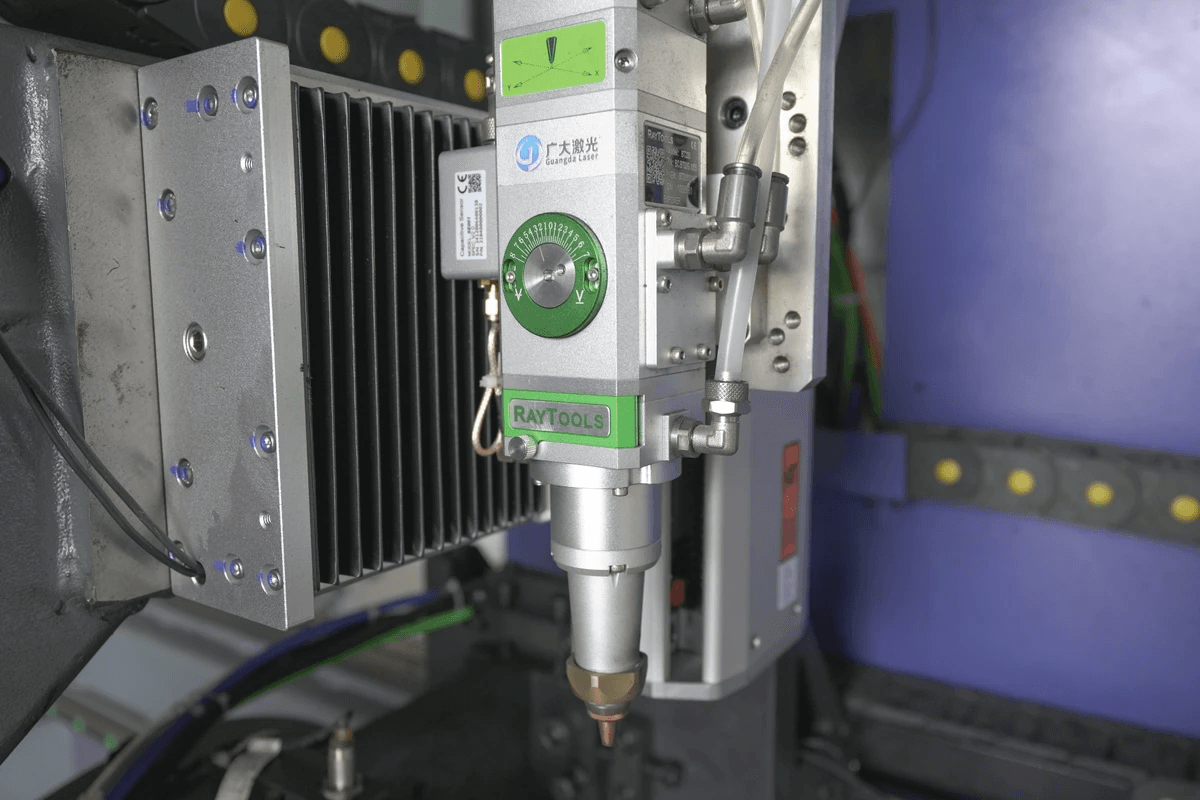
Bystronic's maintenance tips include attention to optics, nozzles, the work area, cooling, lubrication, gas supply, filters, and scheduled service intervals. The optics and nozzle portion deserves special respect because small contamination or wear can appear later as poor edge quality, unstable piercing, or inconsistent performance. Operators should know what they are allowed to inspect, what cleaning method is approved, and when the task must move to trained maintenance staff.
A daily routine should make consumable handling visible. Where are nozzles stored? How are protective windows or lenses handled when authorized work is performed? How are used parts separated from clean parts? How is a suspected nozzle issue recorded? Simple organization prevents a surprising amount of confusion.
Documentation matters because the same symptom can return. If a nozzle change improves one job family, the note should identify the material, program, condition found, and result. If the issue does not improve, the team can avoid repeating the same action and look at gas, focus, material, or machine condition instead.
Slats, Scrap, and Small Parts Change Cut Stability
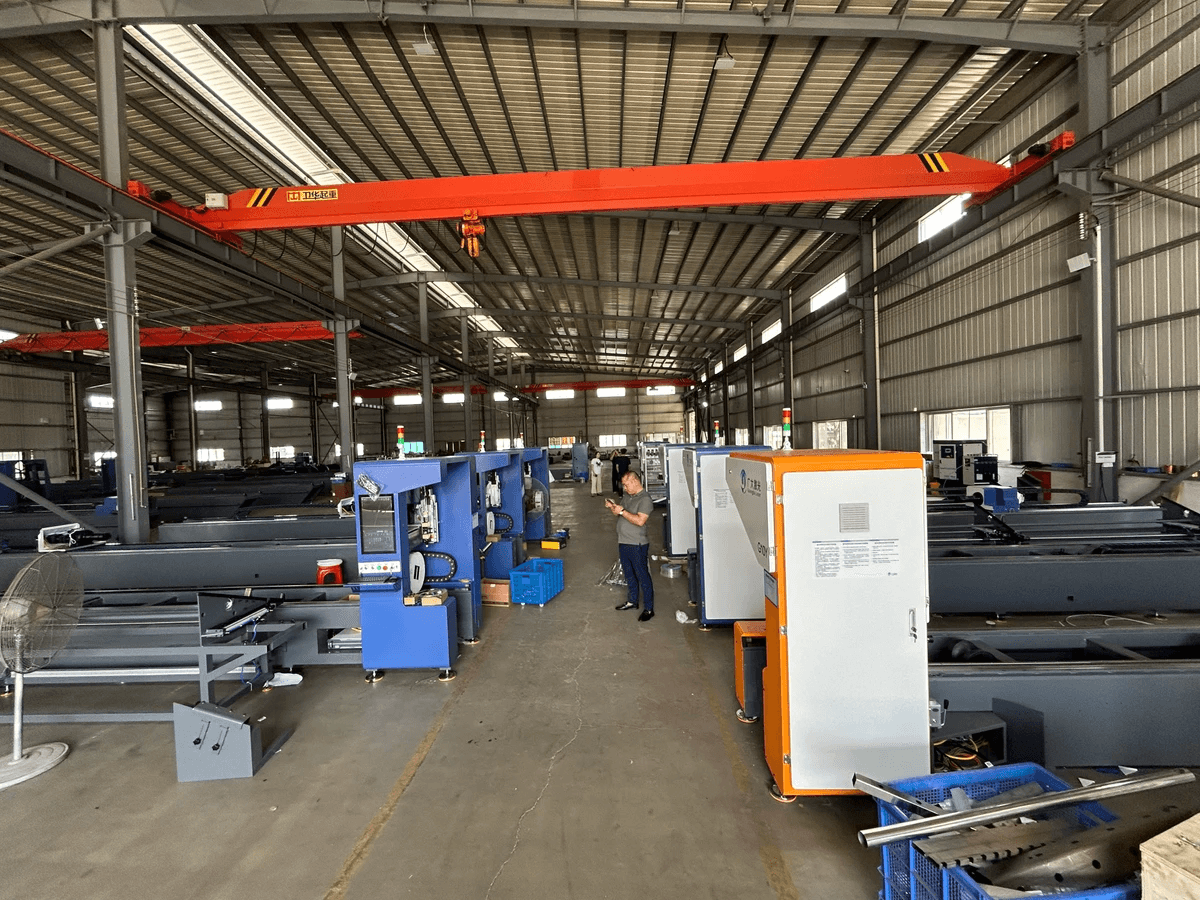
The cutting table is not passive. Slat condition, scrap buildup, tipped parts, small pieces, skeletons, and spatter can influence part support and unloading. A table that looks acceptable from a distance may still create trouble for thin sheets, small features, or cosmetic parts. Daily maintenance should include a realistic look at the table before the first production nest.
Table format affects the habit. A shop discussing the Interchangeable Laser Cutting Machine should think about how table exchange changes cleaning rhythm, material staging, and unloading responsibility. A shop using the Single Platform Laser Cutting Machine may focus on a different access pattern, but the need to control scrap and part support remains.
Small parts deserve special attention. If they fall, tip, mix, or collect under the sheet, the operator may see later quality issues that look like cutting-parameter problems. A simple daily routine around trays, magnets where appropriate, skeleton removal, and part sorting can protect both machine uptime and downstream flow.
Cooling, Gas, and Air Checks Need Clear Limits
Cooling, gas, and air quality are easy to underappreciate because they often sit outside the immediate cutting action. Yet unstable cooling, poor gas readiness, contaminated air, blocked filters, or supply interruptions can affect performance and schedule reliability. The daily routine should define what operators observe, what values or indicators are acceptable according to the machine documentation, and when to stop and ask for support.
The routine should also reflect the day's material plan. Stainless steel, carbon steel, aluminum, thin sheet, thick plate, and mixed jobs may place different demands on assist gas planning and handling. The operator does not need to solve every engineering question during the walkaround, but the shift should not begin with a gas or material mismatch that everyone could have seen earlier.
For tube operations, gas and handling checks should connect to the profile schedule. Similar-looking tube families can require different production attention. Daily readiness should include material identity, profile staging, and the downstream fixture route, not only the machine cabinet.
Daily Notes Protect the Next Shift
A daily maintenance routine becomes more powerful when the note is useful to the next operator. The note should explain what was checked, what was found, what action was taken, and what should be watched next. "Checked machine" is not useful. "Nozzle inspected, small burr remained on 3 mm stainless sample, first-part check required on next stainless job" is much better, even if the shop uses its own shorthand.
Shift notes also protect maintenance planning. If operators repeatedly report the same condition, supervisors can schedule a deeper review before the issue becomes normal. If the issue appears only after certain job families, the production team can review parameter control, nesting, material condition, or unloading. Daily notes turn small observations into patterns.
Kiant Machinery's services can be discussed when buyers want training and support routines to connect with real shift behavior. A supplier conversation is more productive when the buyer can show actual maintenance notes, sample parts, material families, and operator questions.
When Daily Work Becomes Service Work
The daily routine should include a clear stopping rule. If the operator finds a condition outside normal authority, the task becomes maintenance or service work. Examples can include electrical cabinet concerns, abnormal motion behavior, repeated alarms, cooling faults, gas-system issues, cutting-head conditions beyond authorized handling, or any task requiring energy isolation. The exact rule belongs to the manual and site safety program.
OSHA's control-of-hazardous-energy information reinforces the need to control hazardous energy during covered servicing and maintenance activities. For a fiber laser cutter, that means the daily checklist should never encourage improvisation around stored energy, electrical systems, moving machinery, pressure, or laser-related hazards. The checklist should help people know when not to proceed.
When support is needed, good information speeds the discussion. Machine identity, alarm details, job family, material, cut sample, photos, maintenance notes, and recent changes can help a supplier or technician understand the issue. Buyers planning that support path can use the Kiant contact channel with clearer production context.
The First Accepted Part Should Close the Routine
Daily maintenance should not end when the walkaround is complete. It should end when the first accepted part confirms that the machine, material, setup, and operator routine are working together. A first accepted part is more useful than a silent console because it proves the cutting process has returned to production under current conditions.
The operator should compare that first part with the job requirement, the previous shift's notes, and any known maintenance concern. If the part passes, the shop has a clean start record. If it does not, the team has evidence before the full batch is released. This step keeps daily maintenance connected to real output rather than treating it as a separate administrative task.
That closing check is especially helpful after weekend shutdowns, material changes, service events, nozzle changes, or urgent job insertions. These are moments when yesterday's assumptions may no longer match today's work.
The first accepted part also gives supervisors a useful daily signal. If the first part repeatedly requires correction, the shop may need better staging, cleaner handoff notes, clearer parameter triggers, or a different maintenance interval. If the first part is consistently accepted, the team has evidence that the morning routine is doing its job.
That evidence should stay near the machine for the next shift. A small tray of current samples, a dated note, and a clear follow-up owner can make the next start faster and less dependent on memory.
Small records prevent repeated morning confusion.
A Daily Fiber Laser Cutter Maintenance Log
- Walk the floor around the machine before opening the job queue.
- Confirm material staging, finished-part carts, scrap route, table condition, and first-part inspection needs.
- Inspect authorized consumables and optics-related items only according to the machine manual and training.
- Check visible cooling, gas, air, filter, and extraction indicators within the operator's assigned responsibility.
- Record issues with material, job family, symptom, action, and follow-up owner.
- Escalate tasks that require maintenance authority, service support, or energy-control procedures.
Conclusion
Daily maintenance for fiber laser cutter cells works when it is practical, visible, and connected to production. A first-shift walkaround, clean consumable handling, table awareness, gas and cooling checks, useful notes, and clear service boundaries help the shop protect cut quality before trouble spreads. The best daily routine is not the longest one; it is the one operators can run consistently and supervisors can act on.