
Visible Surfaces Change the Whole Standard
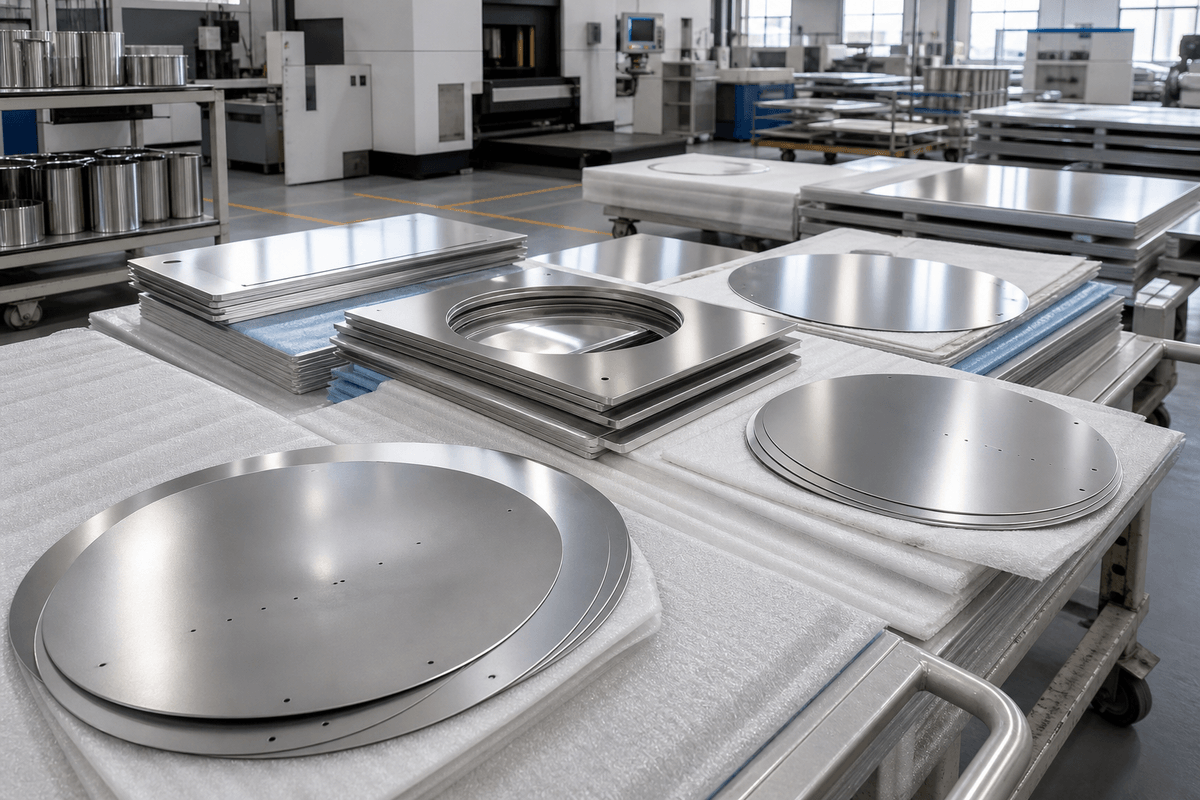
Stainless steel kitchenware sheet cutting is different from general sheet processing because the visual result matters immediately. Kitchenware producers may be dealing with panels, housings, supports, decorative trim, or parts that move on to visible finished goods. When the first cutting step creates avoidable cleanup or handling issues, the line pays later in polishing, correction, or rejected surface quality.
That is why the first operation should be judged by how well it protects downstream finish quality, not only by how fast it processes stainless sheet.
Where the Real Cost Usually Appears
The visible cost often shows up in the finishing queue. Parts that need more touchup, more sorting, or more protection during handling can slow the full kitchenware line. If several product families run together, similar-looking stainless parts can also create staging problems that are easy to underestimate during initial equipment comparison.
For this reason, the buyer should evaluate sheet cutting through the combined lens of part identity, surface condition, and how easily the parts move into bending, forming, or final assembly.
Why Flatbed Equipment Format Still Matters
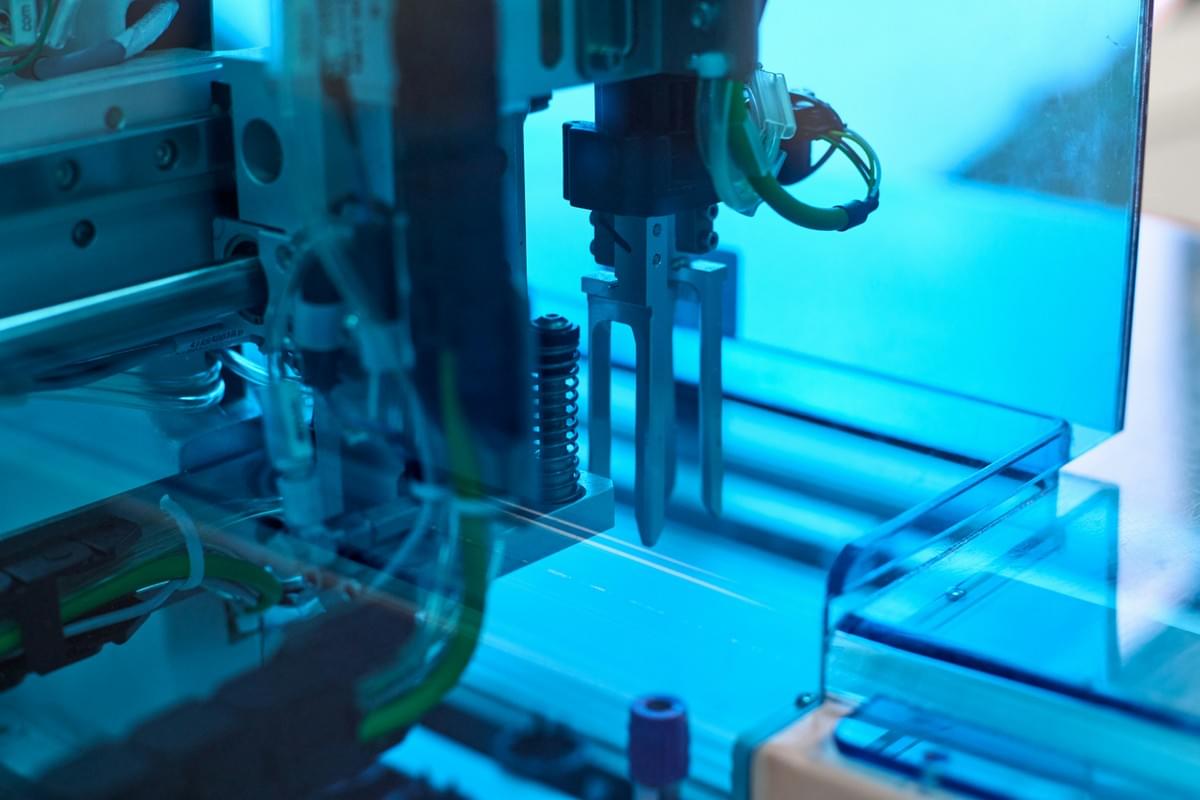
Kiant's flatbed laser cutting equipment is the natural category reference for this topic. Models such as Interchangeable Laser Cutting Machine and Single Platform Laser Cutting Machine are helpful when the buyer wants to compare production layout and batch rhythm rather than treat every sheet-cutting system as equivalent.
A Better Checklist for Kitchenware Producers
- Which stainless parts create the most finishing correction after cutting?
- How much handling or sorting delay appears when several product families run together?
- Do visible parts require a different production rhythm from internal support parts?
- Will the chosen equipment format support the plant's batching and staging logic?
- What setup and operator support is needed to protect quality during ramp-up?
Why Support and Process Discipline Matter Here
Kitchenware lines can lose the benefit of a good machine if setup discipline is weak or early handling routines are poorly defined. Kiant's installation and training support matters because stainless work reveals small process mistakes quickly. The gain depends on how well the plant protects part quality from the first operation onward.
Conclusion
Stainless steel kitchenware sheet cutting becomes more valuable when surface quality is protected from the first operation and part flow stays organized across the batch. Buyers who connect sheet cutting to finish control and downstream handling usually make better production decisions.