
Framing Output Depends on Sequence as Much as Speed
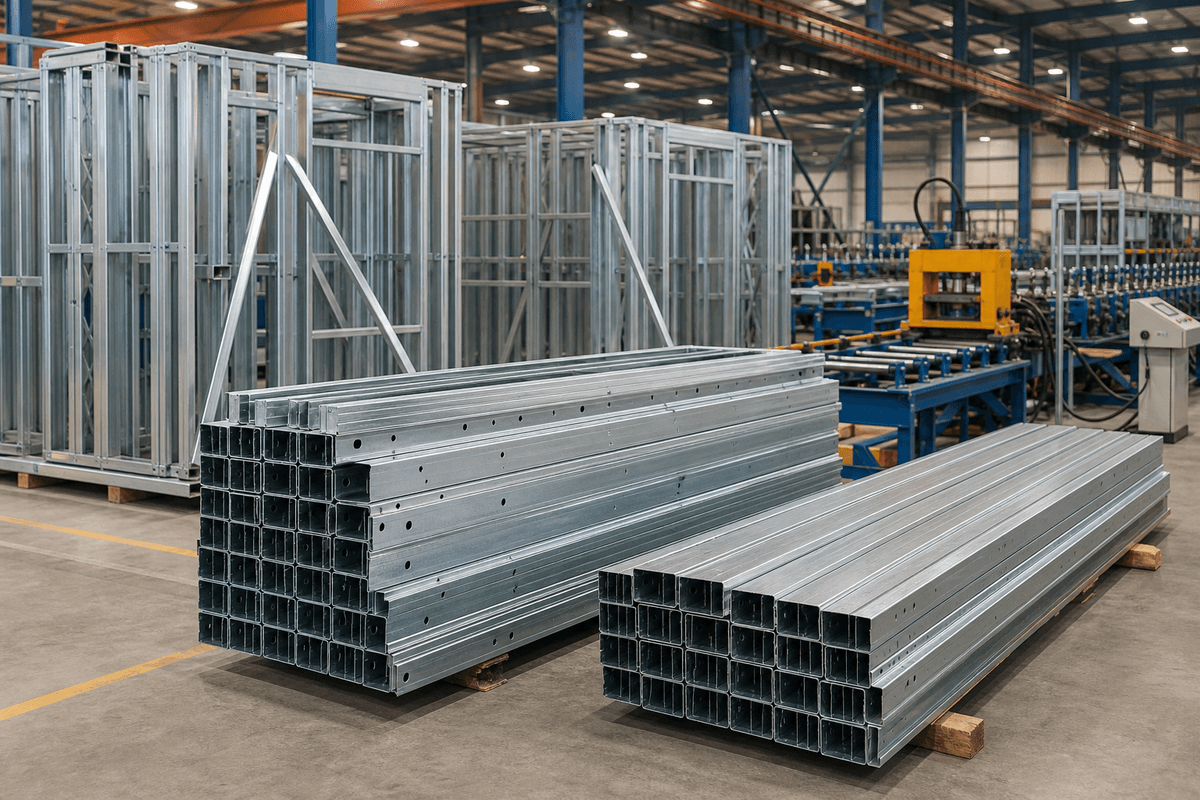
House keel structure equipment is often evaluated through general promises about automation or productivity. In actual light steel framing work, output depends heavily on sequence control. If members are not produced, identified, and staged in a disciplined order, the line loses the benefit of its nominal speed very quickly. Installation teams or downstream assembly crews then feel the problem as delay and confusion instead of productivity.
That is why buyers in this segment should look at output discipline rather than broad equipment claims alone.
Start With the Assemblies That Disrupt the Flow Most Often
Some framing operations stay efficient on repeated wall-panel work but slow down when roof, floor, or mixed-house structures enter the sequence. Others struggle when product variation increases and the line has to manage more member types in the same production window. Those are the points where the equipment choice starts to matter most.
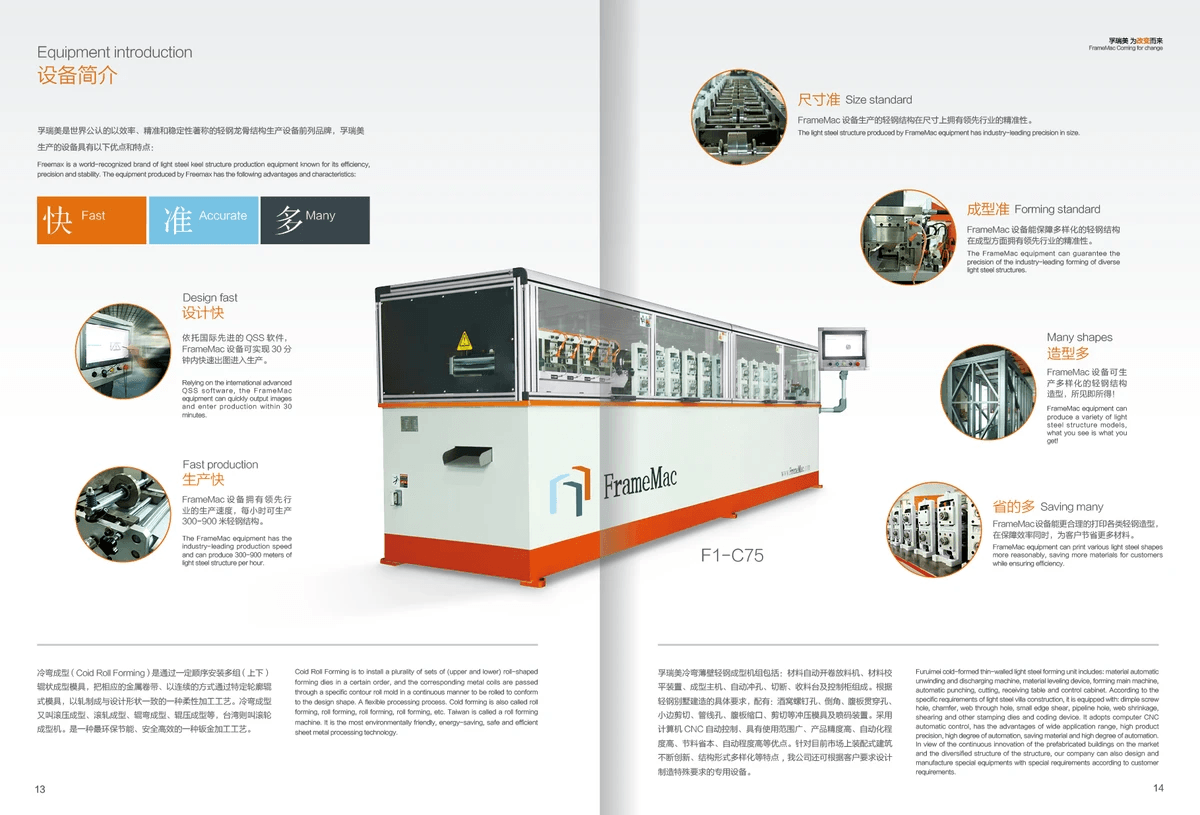
Kiant's light gauge steel production equipment is the natural reference point for this keyword because the buyer question is about framing output and structure-building workflow. The FrameMac model is also relevant when the buyer wants to think in terms of production format rather than abstract category language.
Where Output Gets Lost in Real Framing Lines
Output is often lost when members arrive in the wrong sequence, when staging does not match installation logic, or when repeated structure families still require too much manual checking. The problem may not be obvious during isolated machine review. It appears only when the line has to support a full framing schedule with real variation in panels, tracks, studs, and related components.
That is why a good buying discussion should connect the equipment to how framing packages are actually delivered and consumed downstream.
A Better Review Framework for House-Keel Equipment
- Which framing packages create the most disruption in production order today?
- How often does sequence drift force rechecking or restaging before assembly?
- Are output problems caused by equipment pace, or by poor flow between production and build stages?
- How much product variation must the line manage in the same schedule window?
- What startup and training support is needed to stabilize output after installation?
Why Supplier Support Still Belongs in the Decision
Framing lines only create value when the factory can operate them with stable sequence discipline. Kiant's setup and training support matters for that reason. The company background and contact channel also become relevant when the buyer is moving from broad research to real production planning.
External Perspective Still Points to Workflow
Suppliers in light gauge steel framing commonly present value through building productivity and organized manufacturing flow. That framing is useful here because the real issue is not whether the line exists, but whether the output arrives in a form the project can use efficiently.
Conclusion
House keel structure equipment should be chosen for output discipline, sequence reliability, and usable framing flow. Buyers who review those factors together are much more likely to select machinery that supports real production instead of only a broad equipment promise.