
Do Not Start With Laser Power
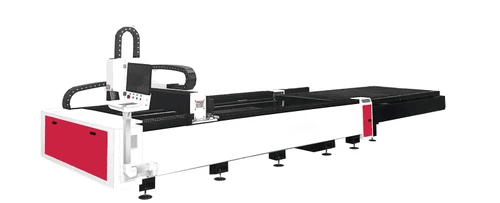
A sheet metal fiber laser cutting machine is often compared by power, bed size, and price. Those are important specifications, but they do not always reveal the real production constraint. A shop may be slowed by loading and unloading, programming delays, inconsistent nesting, burr cleanup, poor material staging, or weak service support. If the wrong bottleneck is targeted, a higher-power machine may not deliver the expected improvement.
The better starting point is a production audit. Which materials are cut most often? Which thicknesses represent most of the revenue? Which jobs wait the longest? Where do parts pile up before bending, welding, powder coating, or assembly? A fiber laser should be selected around the work it must unlock, not around a single impressive number.
Kiant Machinery's flatbed laser cutting machines page positions its systems for precision sheet metal processing, speed, clean cuts, and industrial-scale efficiency. That language fits a buyer conversation focused on measurable production improvement rather than a simple machine list.
Bottleneck 1: Material Mix
The material mix determines what kind of fiber laser investment makes sense. A shop cutting mostly thin mild steel has different priorities from a manufacturer cutting stainless steel, aluminum, thicker plate, galvanized sheet, or mixed materials in short runs. The right machine must match not only maximum thickness but also the everyday workload.
TRUMPF's 2D laser cutting machine information emphasizes matching a machine to the type of sheet metal being processed and finding an economical solution for the application. Bystronic similarly presents fiber laser cutting around sheet metal productivity and process flexibility. These references highlight a useful buyer habit: evaluate the normal workload first, then compare machine options.
Material mix also affects assist gas, edge quality, part sorting, and downstream finishing. A production team should document which materials need oxide-free edges, which parts go directly to welding, which parts are cosmetic, and which jobs tolerate minor cleanup. The sheet metal fiber laser cutting machine should serve the quality standard that the shop actually sells.
Bottleneck 2: Loading and Unloading
A fast laser is still limited if sheets arrive late or finished parts sit on the table. Loading, unloading, skeleton removal, sheet staging, and part sorting can consume more time than expected. For shops moving from plasma, punching, or outsourced cutting, this workflow change is easy to underestimate.
Before choosing a machine, decide whether manual loading is enough, whether shuttle tables are required, and whether future automation should be planned. A small shop may prioritize flexibility and operator visibility. A higher-volume operation may need stronger material handling and a layout that supports steady sheet flow.
Kiant's services page is relevant because installation, training, and long-term support affect how quickly a team learns to manage this workflow. The machine purchase should include practical planning for how operators will keep it fed.
Bottleneck 3: Programming and Nesting
Fiber laser productivity depends on programming discipline. If drawings arrive late, geometry is messy, nests are inefficient, or operators spend too much time editing files, the machine waits. Better cutting speed does not solve a weak digital workflow.
Good nesting reduces scrap, improves part sequencing, and can support smoother downstream sorting. Programming should also reflect bend direction, grain direction if relevant, tabs, microjoints, heat sensitivity, and part identification needs. For repeat jobs, a controlled library of proven programs can reduce setup time and prevent accidental changes.
Buyers evaluating a laser tube cutting machine alongside a flatbed machine should pay special attention to programming workflow. Sheet and tube parts may share customers, assemblies, and scheduling pressure, but they usually require different programming habits.
Bottleneck 4: Edge Quality and Secondary Work
Edge quality has a direct effect on bending, welding, finishing, and assembly. A sheet metal fiber laser cutting machine should reduce secondary cleanup, not simply move the bottleneck to deburring. Evaluate burr, dross, taper, heat marks, small-hole quality, corner quality, and edge consistency on the actual materials the shop cuts.
Sample testing should include common jobs and difficult parts. Run thin sheets, thicker material, internal corners, small holes, dense nests, and parts that go directly into visible assemblies. Then send those samples downstream. If welders, press brake operators, or finishing teams still need significant cleanup, the cutting process needs adjustment before full production.
Kiant's about page and service positioning can support supplier evaluation, but the buyer should still validate cut quality with representative parts. A machine that performs well in a demonstration must also perform in the customer's own production environment.
Bottleneck 5: Service Confidence
Fiber laser machines combine optics, motion systems, assist gas, chillers, control software, safety enclosures, and material handling. Downtime can quickly erase the value of fast cutting. Buyers should ask how installation is handled, how operators are trained, what maintenance routines are required, and how after-sales support is delivered.
Service confidence includes response time, spare parts planning, remote support, documentation, and basic troubleshooting training. A shop buying its first fiber laser may need more support than a facility with experienced laser operators. A growing manufacturer may need training for more than one shift.
Kiant's contact page should be used to start that practical discussion. Buyers should share workload, materials, staffing, installation expectations, and support needs before asking for a final configuration.
Sample Parts Should Prove the Bottleneck
Sample cutting is most useful when it tests the problem the buyer is trying to solve. If the bottleneck is thin-sheet volume, the sample should include dense nests and small parts. If the bottleneck is edge cleanup, the sample should include the material and thickness that currently require deburring. If the bottleneck is downstream bending, the sample should include parts that go directly to the press brake.
Do not rely only on simple demonstration shapes. A square, circle, or decorative sample may prove that the beam cuts, but it does not prove that the machine will help the shop. Real parts reveal heat effects, corner quality, tab behavior, hole accuracy, sorting complexity, and operator workflow. The best test sends parts through the next process and asks whether the laser changed the total route.
Buyers should document the sample results. Record material, thickness, gas, cut quality, cycle time, burr level, operator notes, and downstream feedback. This creates a baseline for future troubleshooting and keeps the machine decision grounded in real production evidence.
Selection Checklist
Use this checklist before comparing quotes:
- List the top materials and thicknesses by annual volume.
- Identify the current bottleneck: cutting, loading, programming, cleanup, or service.
- Run representative sample parts, not only simple demo shapes.
- Compare loading and unloading workflow, not only cutting speed.
- Review assist gas needs and expected edge quality.
- Confirm training for operators, programmers, and maintenance staff.
- Ask how installation, commissioning, and after-sales support are handled.
This keeps the purchase tied to the production result. A good sheet metal fiber laser cutting machine should reduce the constraint that limits the shop today while leaving room for future work.
Layout and Growth Planning
Flatbed laser cutting needs more than the machine footprint. The shop also needs sheet storage, safe loading access, finished part sorting, skeleton removal, assist gas routing, chiller placement, and maintenance clearance. A machine that fits tightly into a corner may still create daily inefficiency if operators cannot move material cleanly.
Growth planning should be included early. If the shop may add automation later, the initial layout should leave room for loading systems or material towers. If the shop may add tube cutting, bending, or welding capacity, part flow should be arranged so future equipment does not fight the laser area. A slightly more thoughtful layout at the beginning can prevent expensive rearrangement later.
For buyers comparing several machines, ask each supplier to discuss installation space, access needs, utilities, and service clearance. The most productive machine is not only fast; it is placed where the shop can use it consistently.
Maintenance Habits Protect Cut Quality
Cut quality is not fixed on the day of installation. It depends on daily habits: checking nozzles, cleaning protective lenses, managing assist gas, confirming focus, keeping the table clean, and watching for changes in edge condition. A sheet metal fiber laser cutting machine can produce accurate parts, but only if operators treat maintenance as part of production rather than a separate chore.
Maintenance planning should be written into the job schedule. If a shop runs the machine hard but never leaves time for inspection, small issues can become quality problems. A rising burr level, inconsistent pierce, or rougher edge may signal that optics, gas, material, or settings need attention. Operators should know what changes require adjustment and what changes require service support.
For first-time fiber laser buyers, this is another reason to value training. A well-trained team can recognize early warning signs and keep the machine stable. That stability protects the original business case because fewer surprises reach bending, welding, or finishing.
Where Kiant Machinery Fits

Kiant Machinery can be positioned as a machinery supplier for buyers who need flatbed fiber laser cutting equipment supported by selection, configuration, training, and after-sales service. Its product range also includes light gauge steel production equipment, which may matter for construction material manufacturers that process both sheet and formed steel components.
The strongest conversation starts with the buyer's bottleneck. When Kiant understands the material mix, part families, production schedule, staffing level, and downstream quality requirements, machine selection becomes more practical and less speculative.
Conclusion
A sheet metal fiber laser cutting machine should be selected around the production bottleneck it is meant to solve. Laser power, bed size, and price matter, but they are only part of the decision. Material mix, loading, programming, edge quality, and support often decide whether the machine improves daily throughput.
For sheet metal fabricators comparing options, Kiant Machinery offers a relevant starting point through its flatbed laser cutting machines and service support. Define the bottleneck first, then choose the machine around the workflow.