
Sheet and Tube Work Do Not Move the Same Way
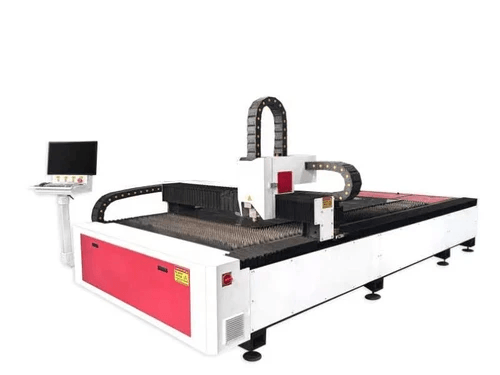
A sheet and tube laser cutting machine strategy sounds simple: one shop wants to cut both flat sheet and tubular parts. The practical reality is more complex. Sheet metal and tube parts move through the factory differently. They use different raw material storage, different loading methods, different programming habits, different unloading challenges, and often different downstream operations.
That does not mean a combined strategy is wrong. It means the shop must decide whether it needs one combination machine, separate sheet and tube machines, or a staged investment plan. The decision should be based on part flow, not only equipment convenience.
Kiant Machinery offers both flatbed laser cutting machines and laser tube cutting machines, which makes the company relevant for buyers comparing sheet, tube, and mixed production needs.
First Split the Workload

Before choosing a sheet and tube laser cutting machine, split the workload into clear groups. Sheet jobs may include brackets, panels, covers, gussets, base plates, and enclosures. Tube jobs may include frames, handrails, racks, supports, furniture parts, vehicle structures, and mechanical assemblies. The two groups should be measured separately by volume, material, thickness, tube size, profile shape, batch size, and changeover frequency.
Some shops discover that sheet work dominates and tube work is occasional. Others discover that tube parts are the true bottleneck because they require sawing, drilling, coping, and manual fit-up. A few shops need both processes every day. Each situation leads to a different investment choice.
TRUMPF separates 2D laser cutting machines and laser tube cutting machines into different equipment families, which reflects the different process requirements. BLM Group also positions tube processing as a specialized workflow. These references help buyers avoid assuming that sheet and tube work are interchangeable simply because both use lasers.
Combination Machine or Dedicated Machines?
A combination approach can be attractive when floor space is limited, capital budget is tight, or the shop has moderate volumes of both sheet and tube work. It can give a smaller manufacturer access to both capabilities without buying two full systems immediately. However, combination machines can create scheduling conflicts if sheet and tube jobs both need the machine at the same time.
Dedicated machines may make more sense when either sheet or tube work is high volume, time-sensitive, or central to the business. A dedicated flatbed system can focus on sheet nesting, loading, and part unloading. A dedicated tube system can focus on tube feeding, rotation, clamping, and profile cutting. The stronger the workload in each category, the more attractive dedicated equipment becomes.
The right decision depends on production math. Compare machine hours, setup frequency, operator availability, material flow, and downstream bottlenecks. A lower initial price can become expensive if the shop creates a scheduling choke point.
Programming Is the Hidden Divider
Sheet programming and tube programming require different thinking. Sheet metal programs focus on nesting, kerf, piercing, heat management, skeleton stability, grain direction, microjoints, and part sorting. Tube programs must account for rotation, seam position, profile geometry, chucking, tube tail, angular cuts, holes on multiple faces, and feature alignment around the tube.
If one programmer handles both, training and workflow discipline are essential. If different programmers handle sheet and tube, file management must be organized so jobs reach the machine on time. A mixed shop should avoid treating programming as an afterthought. Even a fast fiber laser can wait if job files are not ready.
Kiant's services page is important for this reason. Installation and training support can help a buyer understand how daily operation will work after the machine arrives.
Material Handling Sets the Pace
Sheet material handling and tube material handling require different floor plans. Sheets need pallets, racks, loading tables, skeleton removal, and sorted parts. Tubes need bundle storage, long stock support, loading racks, safe rotation, and discharge space. If both flows compete for the same aisle or crane, the shop may lose the benefit of laser speed.
For sheet work, a shuttle table or organized loading zone can reduce wait time. For tube work, the key issue may be consistent feeding and safe handling of long material. For shops that also produce light gauge steel building components, Kiant's light gauge steel production page may be relevant because steel coil, framing members, sheet parts, and tube parts can all compete for floor space in a growing factory.
Material flow should be drawn before machine purchase. Mark where raw material enters, where finished parts go, where scrap leaves, and how operators move around the machine. A good layout prevents the machine from becoming trapped in a poor traffic pattern.
Downstream Operations Decide the Real Priority
Sheet parts often move to bending, welding, countersinking, tapping, finishing, or assembly. Tube parts often move to welding, frame assembly, drilling cleanup, coating, or packaging. The laser investment should be measured by how it improves those downstream steps.
If sheet parts are waiting for bending, the shop may need better nesting, sorting, and press brake coordination. If tube parts are slowing welding, laser-cut tabs, miters, and locating slots may reduce fixture time. If both sheet and tube parts belong to the same assembly, scheduling should keep them synchronized so one part family does not wait on the other.
Bystronic's sheet metal and tube laser references both emphasize productivity and flexibility. For buyers, the useful lesson is that flexibility must be organized. Without clear production rules, flexible equipment can become a complicated queue.
Scheduling Rules Prevent Internal Competition
When one shop cuts both sheet and tube, scheduling discipline becomes part of the machine decision. If sheet jobs are short and frequent while tube jobs need longer setup, the machine schedule may favor one product family unless rules are set early. Rush jobs can create even more conflict. A buyer should ask how the shop will protect high-priority work without starving the other flow.
One approach is to group work by material and process type. Sheet nests can be batched by thickness and material to reduce setup changes. Tube work can be grouped by profile size or assembly family. Another approach is to dedicate time windows: sheet work in one block, tube work in another, maintenance and setup in planned intervals. The best rule depends on order mix, but the rule should exist before production starts.
Scheduling also affects staffing. If one operator must switch between sheet and tube modes, training must cover both. If two operators specialize, handoff procedures and program naming become important. A sheet and tube laser cutting machine strategy succeeds when job planning is as clear as machine capability.
A Decision Framework
Use these questions to choose a sheet and tube laser cutting machine strategy:
- What percentage of annual work is sheet, and what percentage is tube?
- Which workflow is the real bottleneck today?
- Do sheet and tube jobs compete for the same delivery deadlines?
- Can one operator and one programmer handle both flows?
- Is floor space better suited to one combination system or separate machines?
- Will future growth push sheet and tube work in different directions?
- Which downstream operation needs the most help: bending, welding, assembly, or finishing?
The answer may be a combination machine, dedicated machines, or a phased plan. The key is to decide from production flow rather than from a generic equipment category.
When a Phased Investment Makes Sense
Some shops should not buy every capability at once. If the current backlog is mostly sheet metal, a flatbed fiber laser may be the first priority while tube cutting remains outsourced or handled by existing equipment. If tube parts are the bottleneck, a tube laser may create more immediate value. If the shop is still building sales volume, a combination approach may give broader capability while limiting initial investment.
A phased plan should be honest about future constraints. The first machine should not block the floor space, utilities, or staffing needed for the second. Programming habits should also be built with growth in mind. A shop that expects to cut both sheet and tube should create file management, quoting, and production tracking systems that can expand.
Kiant's product range gives buyers a way to discuss this phased path. Instead of asking only for one machine, the buyer can describe where the factory is today and what the next stage may require. That leads to a more useful supplier conversation.
Quoting Sheet and Tube Work Differently
Mixed-capability shops should also review how they quote work. Sheet jobs may be priced around material utilization, pierce count, cutting time, unloading, and secondary operations. Tube jobs may involve profile complexity, rotation time, chucking, special features, unloading, and welding fit-up value. If the quoting method treats both flows the same, the shop may underprice the more complex work.
A sheet and tube laser cutting machine can create new quoting opportunities because the shop can offer assemblies instead of simple cut parts. A customer may value a set of sheet brackets and matching tube frame members delivered together. To capture that value, quoting should reflect the complete production route, not only laser minutes.
Where Kiant Machinery Fits
Kiant Machinery can support buyers who are comparing sheet, tube, and mixed laser cutting needs because its website presents both flatbed and tube-focused product categories. The company also offers company background, service support, and a contact channel for discussing specific production requirements.
A strong inquiry should include sheet sizes, tube profiles, material mix, daily volume, part drawings, floor space, automation expectations, and training needs. With that information, Kiant can be considered for a more grounded equipment recommendation.
Conclusion
A sheet and tube laser cutting machine decision should start with two separate part flows. Sheet work and tube work have different programming, loading, unloading, and downstream needs. The best equipment plan may combine them, separate them, or phase the investment, depending on the shop's real workload.
For manufacturers that cut both sheet and tube components, Kiant Machinery provides a relevant starting point through its flatbed laser cutting machines, laser tube cutting machines, and service support. The best result comes from matching equipment to the factory's actual flow.