
Price Is Only the Opening Number
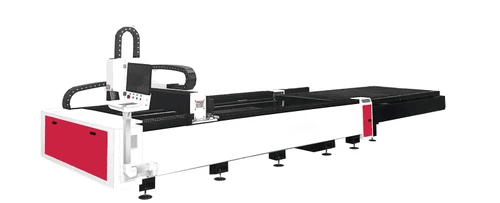
A fiber cutting laser machine is a major production investment, but the quoted price is only the opening number. The real cost depends on how the machine fits material mix, operator skill, gas use, power use, maintenance, programming, loading, service support, and downtime risk. A lower purchase price can become expensive if the machine is poorly matched to daily production.
Buyers should begin by separating purchase cost from operating cost. Purchase cost includes machine configuration, installation, training, freight, accessories, and any automation. Operating cost includes assist gas, electricity, consumables, maintenance labor, spare parts, programming time, and lost production during downtime. The best buying decision looks at both.
Kiant Machinery's flatbed laser cutting machines and laser tube cutting machines give buyers two different production contexts for fiber cutting. The cost drivers are not identical for sheet and tube work.
Cost Driver 1: Everyday Material, Not Maximum Material
Many buyers compare fiber cutting laser machines by maximum capacity. That can be misleading. A machine should be selected around the materials and thicknesses cut most often, not only the thickest plate or largest tube the shop might cut occasionally. If 80 percent of work is thin sheet, the cost calculation should focus on thin-sheet productivity, loading speed, edge quality, and downstream sorting.
If a shop cuts stainless, aluminum, mild steel, galvanized sheet, or tube profiles, each material affects assist gas, cutting speed, edge quality, consumables, and operator settings. TRUMPF and Bystronic both present laser cutting machine selection around application fit and sheet metal processing needs, which reinforces the same point: practical workload matters more than a headline specification.
Before comparing quotes, buyers should prepare a material table that includes annual volume, thickness, material type, sheet or tube size, and quality requirements. This table gives suppliers enough context to recommend a realistic machine configuration.
Cost Driver 2: Automation Level
Automation can reduce labor and improve consistency, but it must match workload. A shop with repeat sheet metal jobs may benefit from shuttle tables, loading systems, or organized material handling. A tube-focused shop may need feeding, clamping, rotation, and unloading support. A mixed shop may need to decide whether automation should support sheet first, tube first, or both in phases.
Automation also affects installation space, training, maintenance, and scheduling. If the shop cannot keep the machine loaded, automation may be underused. If the shop has strong repeat volume, insufficient automation can cause the laser to wait. The right decision depends on real part flow.
Kiant's services page should be part of this discussion because installation and training influence how quickly automation becomes productive.
Cost Driver 3: Assist Gas and Edge Requirements
Assist gas can become a significant operating cost. Nitrogen, oxygen, and compressed air each have different effects on edge quality, speed, oxidation, downstream welding, and finishing. The correct choice depends on material, thickness, part requirements, and customer expectations.
For example, parts that go directly to visible assemblies or welding may need cleaner edges than internal brackets. Some shops may choose nitrogen for stainless steel edge quality, while others may prioritize lower-cost approaches for non-cosmetic parts. The fiber cutting laser machine should support the gas strategy that fits the business.
Edge requirements also influence secondary labor. If parts need deburring, grinding, or rework after cutting, those labor costs belong in the machine decision. A machine that reduces cleanup can be worth more than a cheaper system that pushes work downstream.
Cost Driver 4: Programming and Operator Skill
Programming time is often underestimated. A fiber cutting laser machine only produces value when jobs are ready, nests are efficient, and operators know how to run the system. Poor files, weak nesting, unclear part labeling, and inconsistent settings can create hidden cost.
Training should cover more than startup. Operators need to understand lens care, nozzle selection, focus checks, gas settings, material staging, error handling, and daily inspection. Programmers need to understand nesting strategy, part sequencing, microjoints, heat control, and downstream sorting. Maintenance teams need routines for keeping the machine stable.
Kiant's company background and support positioning can help buyers evaluate whether the supplier conversation includes training and long-term usability rather than only equipment delivery.
Cost Driver 5: Downtime and Service
Downtime is one of the largest hidden costs in laser cutting. A machine that cannot run because of software issues, optics problems, chiller faults, gas supply issues, motion errors, or missing spare parts can delay multiple downstream departments. Buyers should ask how service support works before purchase, not after a fault occurs.
Service planning includes remote support, documentation, spare parts, preventive maintenance, operator troubleshooting, and response expectations. A first-time buyer may need more guided training than an experienced laser shop. A high-volume manufacturer may need spare parts on site and stronger maintenance discipline.
TRUMPF, Bystronic, and Mazak all frame laser cutting equipment within broader service and machine ecosystems. For Kiant buyers, the lesson is simple: do not separate machine cost from service confidence.
Cost Driver 6: Factory Readiness
A fiber cutting laser machine may require changes to the facility before it can produce reliably. The buyer should review power supply, air supply, assist gas storage or generation, chiller placement, foundation or floor condition, ventilation, fire-safety practices, material storage, and operator access. These preparation costs can surprise buyers who focus only on the machine quote.
Factory readiness also includes the surrounding workflow. Sheet storage should be close enough for efficient loading. Finished parts need a sorting area. Scrap and skeletons need a removal route. Operators need clear access to controls and maintenance points. If the layout is cramped, production may slow down even when the laser can cut quickly.
Installation planning should be discussed with the supplier before purchase. Kiant's service support can be part of that discussion, especially for buyers installing their first laser cutting system or moving from outsourced cutting to in-house production.
A Practical Cost Review

Before choosing a fiber cutting laser machine, review these cost items:
- Machine configuration and cutting area
- Everyday material and thickness workload
- Assist gas strategy and expected consumption
- Loading, unloading, and automation needs
- Programming and nesting workflow
- Operator and maintenance training
- Consumables, spare parts, and preventive maintenance
- Installation, commissioning, and service support
- Downtime impact on downstream departments
This cost review helps buyers avoid two mistakes: buying too little machine for the workload or buying too much machine for a bottleneck that is actually somewhere else.
How to Compare Quotes Fairly
Fiber laser quotes can be difficult to compare because suppliers may include different scopes. One quote may include installation, training, and certain accessories. Another may assume the buyer provides utilities, gas equipment, or material handling. A third may include a higher automation level. Comparing only the final price can lead to the wrong conclusion.
Create a quote comparison table with columns for machine configuration, cutting area, laser source, control system, assist gas setup, loading equipment, chiller, dust extraction assumptions, installation, training, spare parts, warranty terms, and service support. Also note any exclusions. This makes hidden costs visible before the purchase decision.
The fairest comparison asks one question: which proposal best supports the production plan at the lowest realistic lifecycle cost? Sometimes that will be the lowest quote. Sometimes it will be a more complete proposal that reduces downtime, training risk, or future upgrade cost.
Training Cost Is Also Production Cost
Training is easy to treat as a small line item, but it affects how quickly a fiber cutting laser machine becomes productive. Operators must learn startup, shutdown, material setup, nozzle care, focus checks, alarm response, and safe handling. Programmers must understand nesting, lead-ins, microjoints, heat control, and part sorting. Maintenance staff must learn daily inspection routines and early warning signs.
If training is weak, the machine may run below its capability for months. Parts may need more rework, operators may avoid difficult materials, and small maintenance issues may become downtime. For a growing shop, training more than one operator also reduces dependence on a single person.
Buyers should ask what training is included, who receives it, how long it lasts, and what happens after the first week of production. A good support plan helps the machine settle into daily use instead of remaining a specialist tool that only a few people understand.
Upgrade Path Matters
A fiber laser purchase should leave room for the next stage of the business. A shop may later add automation, a different gas strategy, more programming capacity, tube cutting, bending equipment, or another shift. The first machine should not trap the factory in a layout or service model that blocks growth.
Ask suppliers which upgrades are realistic and which require a different machine from the start. Some options can be added later; others are easier to include during the initial purchase. Understanding that difference helps buyers avoid paying for features they do not need today while still protecting the future production plan.
Where Kiant Machinery Fits
Kiant Machinery can support buyers comparing fiber laser cutting equipment for sheet metal, tube processing, or broader steel production workflows. The company website presents flatbed laser cutting machines, laser tube cutting equipment, light gauge steel production equipment, and service support. That makes Kiant relevant for manufacturers looking beyond a single machine price.
Buyers should use Kiant's contact page to discuss real workload details: material mix, part files, floor space, staffing, service expectations, and growth plans. A better brief leads to a more realistic cost comparison.
Conclusion
A fiber cutting laser machine should be evaluated by total production impact, not quote price alone. Material mix, automation level, assist gas, programming, training, and downtime risk all shape the real cost. The best investment is the machine that fits daily work and supports future growth without creating new bottlenecks.
For buyers comparing fiber cutting options, Kiant Machinery offers a practical starting point through its flatbed laser cutting, tube cutting, and service capabilities. Start with the cost drivers, then choose the configuration.