
The Supplier Question Is Bigger Than the Machine Question

When buyers search for a pipe fiber laser cutting machine supplier, they often compare product photos, rough pricing ranges, and a few headline features. That approach misses the harder part of the purchase. The real risk is not only choosing the wrong machine. It is choosing a supplier that cannot translate your part mix, production volume, loading pattern, and after-sales requirements into a machine package that will hold up in daily operation.
A tube or pipe laser purchase changes more than cutting speed. It affects raw material staging, nesting logic, unloading, labeling, fit-up, and sometimes welding or assembly flow. A strong supplier should be able to discuss those issues clearly instead of staying only at the brochure level.
Kiant Machinery positions itself around laser tube cutting machines, broader cutting equipment, and post-sale support through services. That positioning fits buyers who need a supplier discussion grounded in production reality.
What a Serious Supplier Should Ask You First
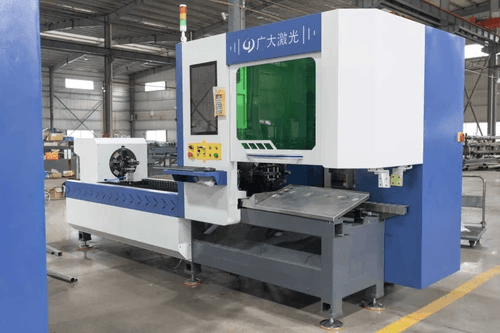
- What pipe and tube sizes dominate your annual production?
- What materials and wall thicknesses matter most?
- How many parts need holes, slots, bevel-related prep, miters, or assembly features?
- Do you need manual loading, automatic feeding, or room to scale later?
- What downstream operation should improve after the machine is installed?
If a supplier does not ask questions like these, the proposal is likely too generic. TRUMPF and Bystronic both frame tube laser buying around workflow and production flexibility rather than a one-line power comparison. That is a useful benchmark for supplier quality, even when buyers are comparing different vendors.
Red Flags in Supplier Evaluation
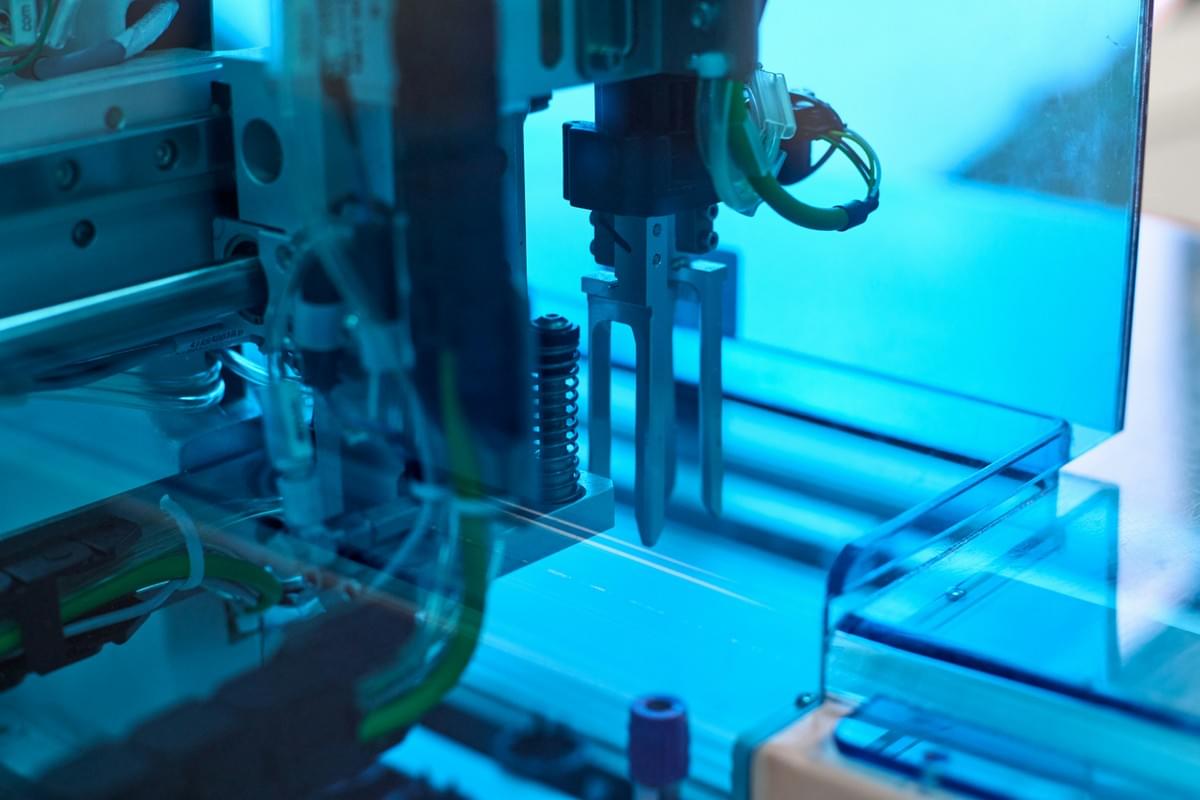
One red flag is a proposal that sounds interchangeable with every other machine quote. Another is vague after-sales language with no clear explanation of installation, training, spare parts logic, or service response. A third is weak discussion of loading and unloading. Pipe laser performance depends on how the machine handles real stock, not only ideal samples.
Buyers should also be cautious when a supplier makes sweeping performance promises without asking for representative parts. Pipes and tubes differ in diameter, straightness, wall thickness, nesting possibilities, and downstream fit-up expectations. A reliable supplier should want to understand those details before promising a production outcome.
How Internal Pages Help Qualify Kiant
Kiant's tube cutting category page supports the conversation around pipe and tube fabrication. Its flatbed laser cutting category shows that the company can also speak to factories processing sheet metal alongside tube parts. The about page and contact page are useful when procurement teams move from browsing to supplier qualification.
These are more valuable links for this keyword than relying mainly on supporting blog pages. They keep the article centered on commercial decision points and customer contact paths.
Support Matters More After Handover Than During the Demo
Many buyers focus heavily on demo quality and not enough on the first months after commissioning. A pipe fiber laser cutting machine supplier should explain how installation is handled, what training covers, how basic maintenance is taught, and what happens when the customer's part library expands. Support should also include practical topics such as consumables, routine checks, and common troubleshooting steps for operators.
Kiant's service positioning is relevant because buyers of fabrication equipment do not only need delivery. They need enough help to make the machine part of a stable production process.
A Better RFQ for Pipe Laser Buyers
If the goal is to compare suppliers seriously, the RFQ should include the real part family. Share representative tube sizes, material types, recurring features, desired automation level, floor-space constraints, and production targets. Describe current bottlenecks, whether they are slow cutting, too many secondary operations, weak fit-up, or labor-heavy handling. This allows a supplier to explain how the machine package addresses the actual pain points.
BLM Group and Bystronic both emphasize integrated tube processing themes in their market messaging. Buyers do not need to copy that language, but they should use the same level of rigor when asking suppliers to explain process fit.
Where Kiant Machinery Fits
Kiant Machinery is best positioned as a practical pipe fiber laser cutting machine supplier for buyers that want category-level equipment, installation and training support, and a wider machinery context that can include sheet processing and related production needs. For a shop that wants a supplier conversation tied to workflow improvement rather than headline claims, that is the right angle.
Conclusion
A pipe fiber laser cutting machine supplier should prove more than machine availability. The supplier should show that it understands your part mix, loading strategy, operator training needs, and downstream production goals. Buyers who ask for that level of clarity tend to make better long-term decisions.
Kiant provides a relevant starting point through its tube laser category, related machinery pages, and support-oriented services page. The next step is to evaluate the supplier using real production information instead of generic machine comparisons.