
A laser tube cutting machine for metal furniture should be judged by how well it supports frame production, not by tube cutting in isolation. Chairs, tables, shelving, display stands, bed frames, exercise benches, retail fixtures, and decorative frames often combine repeated tube families with visible surfaces and tight assembly expectations. A cut that looks acceptable at the machine may still create welding gaps, fixture delay, finishing marks, or assembly variation.
Metal furniture is also style-driven. A factory may run a stable frame for months, then switch to short batches with new angles, decorative features, mounting holes, or mixed profiles. The equipment plan should help the shop manage that variation without turning every new model into a manual preparation project.
Classify the Frame Families Before Comparing Machines
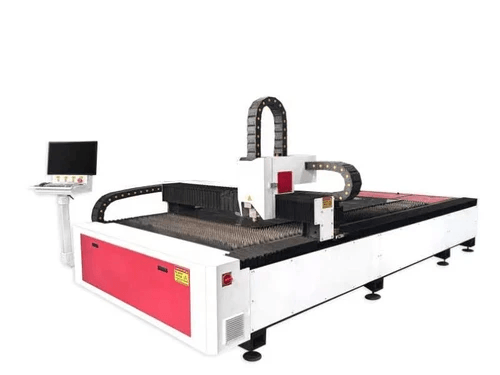
The first step is to sort products by frame logic. Some furniture uses simple straight cuts and welded rectangles. Some uses angled joints, slots, drain holes, mounting tabs, flattened interfaces, or decorative openings. Some products use round tube, square tube, rectangular tube, or mixed profile work. The production team should identify which families carry the most volume, which cause the most rework, and which are most important commercially.
Kiant's laser tube cutting machine category is the primary equipment reference for tube-focused fabrication topics. For a furniture factory, the useful question is whether the machine discussion includes the shop's real tube shapes, joint types, batch sizes, unloading method, and downstream welding expectations.
This classification should be done with drawings and production feedback, not only with sales forecasts. The welding department can usually identify which frames consume fixture time. Finishing staff can point out surfaces that are easily damaged. Assembly teams know which hole patterns or joints cause late corrections.
The Weld Fixture Tells the Truth
A furniture tube part becomes valuable when it fits the fixture without persuasion. If operators must pull, grind, shim, rotate, or re-cut parts, the cost may be recorded as welding labor even though the upstream preparation is responsible. Watching the fixture is one of the fastest ways to judge whether the cutting process is actually helping.
For sample trials, choose parts that include the difficult joints, not only the straight tubes that everyone expects to pass. Include mirrored parts, left-right pairs, mitered sections, short cross members, and any features that help locate fasteners or accessories. Then assemble them in the real fixture or a representative fixture and record fit behavior.
TRUMPF and Bystronic both discuss tube laser processing in terms of flexibility, profiles, and production efficiency. The lesson for buyers is broad but useful: tube laser value appears when cutting accuracy, programming, material handling, and downstream fit work together. A furniture shop should therefore test the whole frame route.
Surface Handling Is Part of the Machine Cell
Furniture parts are often visible after powder coating, polishing, plating, or painting. A tube can be cut accurately and still become scrap if it is scratched, dented, or mixed with abrasive scrap during unloading. Surface handling deserves attention before the first production batch begins.
Define how tubes are loaded, supported, cut, unloaded, separated, and moved. Painted or polished downstream surfaces may need protective contact points, dedicated carts, soft separators, or batch-specific storage. Small decorative parts may need containers that keep them from rubbing against heavier frame members.
Kiant's model pages, including G90 Store lightweight machine and Y90 Store lightweight machine, can help buyers move from category-level discussion into named tube-machine options. The comparison should stay grounded in how furniture parts are protected and organized after the cut.
Short-Batch Furniture Needs Fast Learning
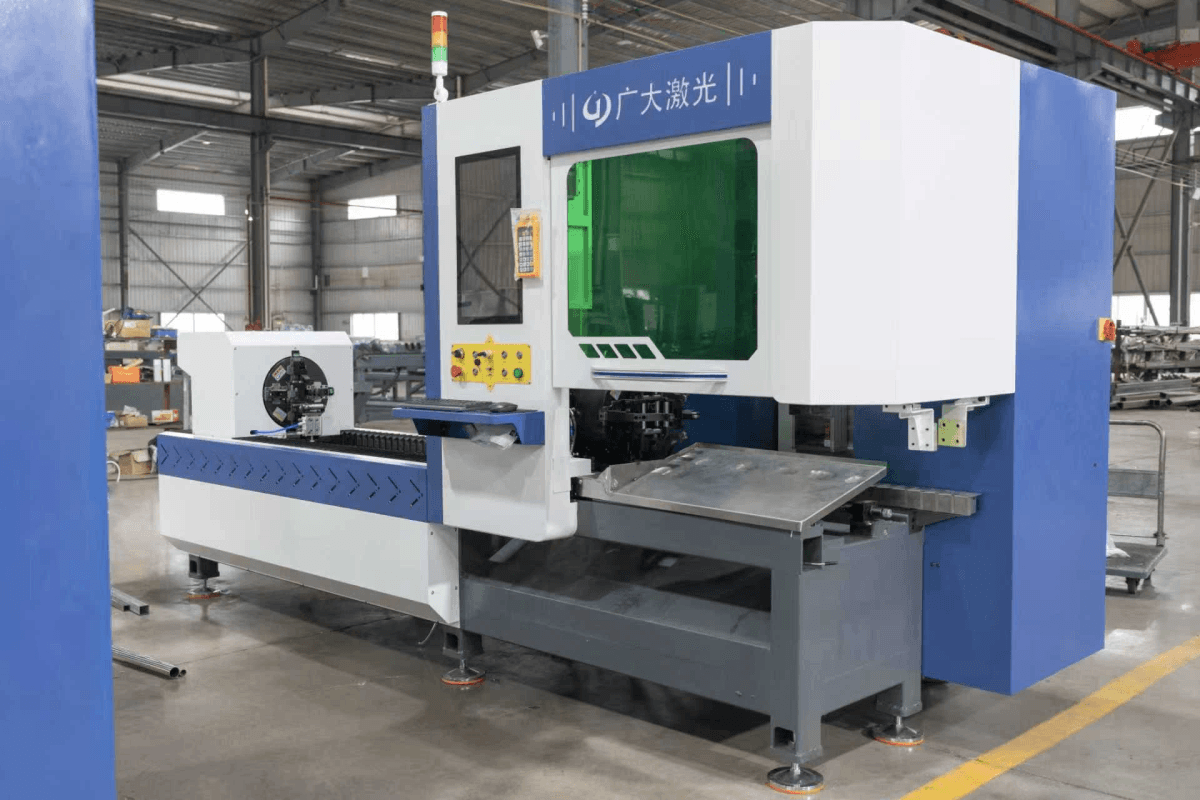
Furniture manufacturers often introduce new product variants. A tube laser project becomes more valuable when the shop can learn a new frame quickly and convert it into a controlled repeatable process. That requires drawing discipline, program verification, first-article checks, and feedback from fixture and finishing teams.
A first-batch review should ask which dimensions control assembly, which features control orientation, which marks remain visible, and which parts are most likely to be confused. It should also decide when a design feature is worth cutting by laser and when a later operation is more practical. Not every possible detail belongs in the first cutting program.
The M12Y Store lightweight machine and C12 PRO Max pages are additional Kiant references when buyers want to review named product-detail options within the tube-cutting family. Exact suitability should be checked against the buyer's tube profiles, part sizes, production goals, and support needs.
Fixtures and Design Feedback Should Share One Loop
Furniture design and production should not behave like separate worlds. If a joint repeatedly forces fixture correction, the factory should decide whether the cutting program, tube tolerance, fixture condition, or product design needs attention. Without a shared feedback loop, the same issue returns under a new model name.
A useful loop starts with the first article. The team records how each tube locates in the fixture, where gaps appear, which holes or slots help alignment, and which features make welding or fastening easier. The feedback then goes back to the drawing or program before the part family becomes standard production.
This discipline is especially valuable when the factory sells visually refined furniture. A small change that improves welding fit may also reduce grinding, protect coating quality, and make packing more predictable. The laser tube cutting machine is one part of the loop; the real advantage comes when design, cutting, welding, finishing, and assembly learn from the same evidence.
Operator Workflow Shapes Daily Value
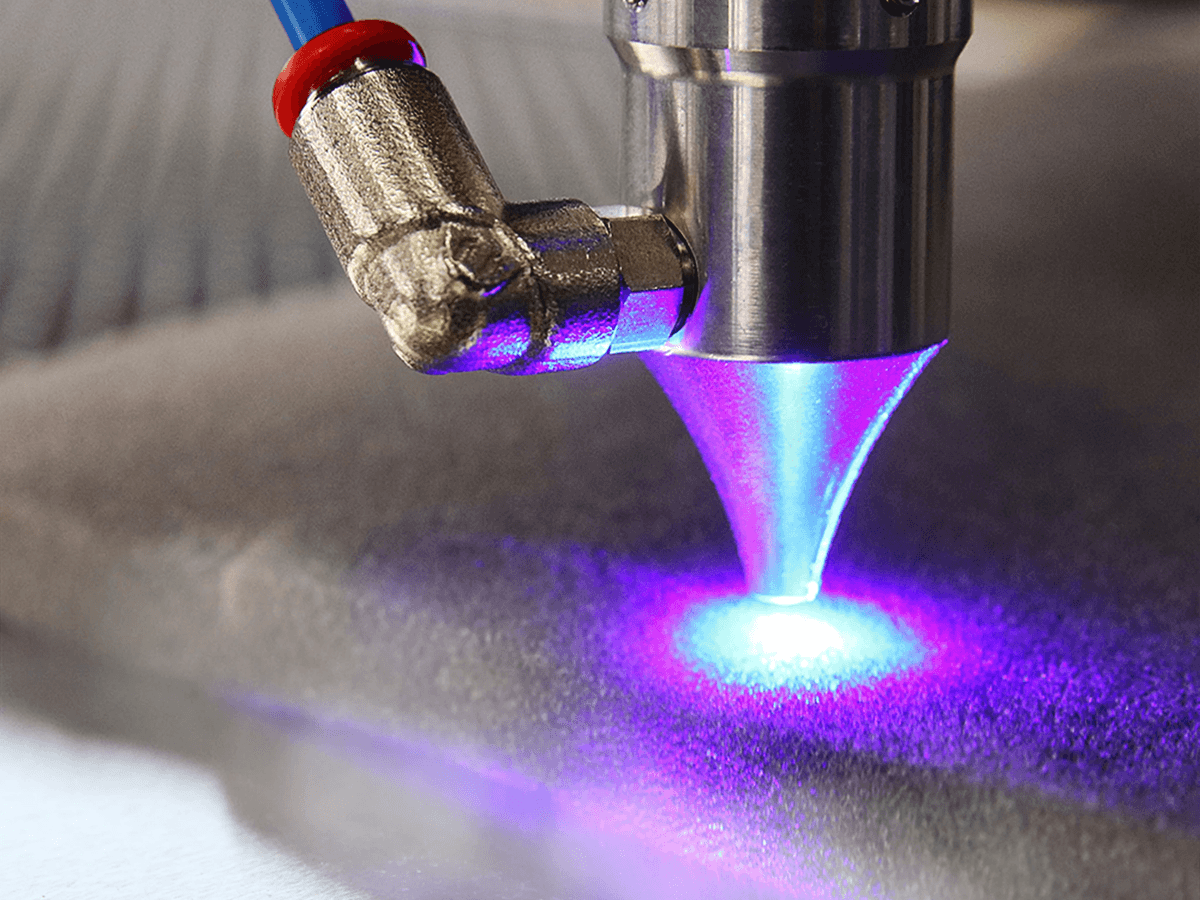
The operator's day matters. If the machine cell requires constant searching for material, unclear program choices, awkward unloading, or manual part sorting, the production gain becomes fragile. A furniture shop should design the cell around repeated motion, visible job identity, and easy feedback from the next department.
Program names should be understandable. Material locations should be predictable. Carts should match frame families. Inspection points should be simple enough to perform at the right time. Scrap should leave the cell without mixing with finished parts. These details sound basic because they are basic; they are also where many otherwise capable cells lose control.
Kiant's services information is relevant when a factory discusses installation, training, and after-sales support. Furniture work rewards training that includes the first real frame families, not only a generic machine demonstration.
Finishing and Packing Add Their Own Constraints
Furniture parts often become more delicate after the cut stage, not less. A tube that will be powder coated, polished, plated, wrapped, or exposed in a retail environment needs a route that prevents cosmetic damage. If finished parts are mixed with sharp scrap, dragged across hard carts, or stored without separation, the cutting gain can be lost during handling.
Planning should include finish direction, drain or hanging features where the product design requires them, protected cart surfaces, part counts per rack, and how left-right pairs are kept together. Packing teams should be involved when parts are shipped as kits because missing or confused members can turn into customer-service problems after the factory believes the order is complete.
A furniture factory does not need a complicated system to improve this route. It needs a visible route. When the path from tube bundle to cut part, fixture, finish, assembly, and packing is easy to follow, operators can see problems earlier and managers can improve the process without relying on memory.
Mixed Tube Profiles Need a Practical Boundary
Many furniture lines use more than one tube profile. A frame may combine square legs, round handles, rectangular supports, and small reinforcement pieces. The buyer should define which profiles belong in the primary laser tube workflow and which parts may remain better suited to another process. A machine decision becomes clearer when the boundary is explicit.
The boundary should be based on recurring volume, fit sensitivity, setup effort, profile condition, and downstream value. If a rare decorative detail creates excessive programming or handling burden, it may not deserve to drive the whole equipment choice. If a common tube family creates daily welding rework, it should be central to the sample trial.
This prevents the purchase from being stretched around every possible future part. The stronger plan starts with the work that matters most, validates that work carefully, and leaves room for gradual expansion after operators and programmers understand the process.
A Buyer Review Built for Furniture Frames
- List the frame families by tube shape, joint type, finish sensitivity, volume, and rework history.
- Use weld fixture behavior as a core acceptance test for sample parts.
- Plan unloading and carts around visible surfaces and left-right part identity.
- Test short-batch changeover with a real new furniture model, not only a repeated part.
- Include welding, finishing, and assembly staff in the first-batch review.
- Use the contact channel when the project is ready for a tube-machine discussion tied to actual furniture drawings.
Conclusion
Metal furniture frames reveal the practical value of a laser tube cutting machine because the part must fit, look good, and move cleanly through downstream operations. Buyers should study frame families, fixture behavior, surface handling, short-batch learning, and operator rhythm before settling on equipment. When those details are clear, the machine choice becomes a production decision rather than a catalog exercise.