
Fiber laser cutter operating cost is often discussed as if it can be reduced to a single hourly number. That shortcut is tempting, but it can mislead buyers. The cost of running a fiber laser cutter depends on the shop's material mix, sheet yield, assist gas strategy, cutting time, electricity, consumables, operator labor, loading and unloading rhythm, scrap handling, inspection, secondary work, and maintenance discipline.
A useful operating-cost review works like a shop ledger. It connects each cost line to real job families, then follows parts until they are accepted by the next operation. This helps managers distinguish unavoidable cost from avoidable waste and prevents purchasing decisions from being driven by only machine price or a best-case demonstration.
Separate Fixed Operating Readiness From Per-Part Cost
Some costs prepare the cell to run. These may include operator training, maintenance routines, programming workflow, ventilation or facility readiness, and the time needed to stage materials. Other costs happen with each job or each part, including material, gas, consumables, machine time, loading, unloading, inspection, and secondary work.
Keeping those categories separate makes the review clearer. If the buyer blends setup learning with mature per-part cost, early production may look worse than it really is. If the buyer ignores recurring handling or deburring, mature production may look better than it really is.
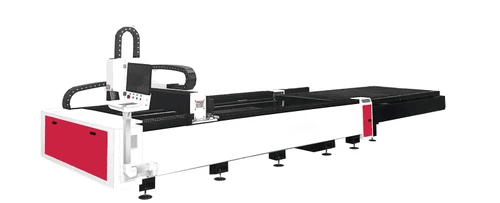
Kiant's flatbed laser cutting machines should be evaluated with the buyer's actual job mix. A repeated-panel producer, a high-mix fabrication shop, and a decorative metal shop will build different operating-cost ledgers.
Material Yield Is Usually the Largest Cost Lever
Material cost often dominates the operating ledger. Yield depends on sheet size, part geometry, nesting discipline, remnant strategy, minimum web rules, and whether the shop can use leftovers safely and economically. A faster cut does not rescue poor material planning.
The ledger should distinguish planned skeleton waste from avoidable scrap. Planned skeleton waste is part of the nest. Avoidable scrap may come from wrong material, damaged sheets, unstable edge quality, lost parts, or downstream rejection. These causes deserve separate records because they require different fixes.
When buyers compare equipment, they should bring representative nests from real jobs. This gives the supplier conversation a concrete foundation and keeps operating-cost expectations tied to the work the machine will actually run.
Assist Gas and Edge Acceptance Belong Together
Assist gas cost should be reviewed with edge acceptance, not alone. A gas strategy that appears cheaper during cutting may increase downstream correction if the edge does not meet the next operation's needs. A more expensive cutting condition may be justified for certain job families if it reduces deburring, welding preparation, or finishing correction.
The buyer should define edge standards for each job family. Hidden brackets, cabinet panels, stainless visible parts, aluminum components, and bend-ready blanks may not share the same requirement. The operating ledger should show which families need strict edge control and which can accept a more basic edge.
TRUMPF's laser cutting application materials describe how process variables influence cutting results. For cost planning, the practical point is that edge quality and operating cost should be measured together through the full route, not evaluated as isolated settings.
Loading and Unloading Can Rewrite the Labor Line

Operator cost is not only the time spent watching the cutting head. It includes sheet preparation, loading, unloading, sorting, skeleton removal, part protection, cart movement, and communication with downstream departments. These tasks can be small on one sheet and significant across a shift.
Kiant's Interchangeable Laser Cutting Machine may be considered when table rhythm and loading flow are central to the buyer's cost review. The Single Platform Laser Cutting Machine may fit a different rhythm where simpler handling or space use matters more.
The shop should measure current handling time before assuming a new machine format will improve it. If the delay comes from missing carts, unclear priorities, or slow downstream acceptance, the operating cost problem may sit outside the machine.
Consumables and Maintenance Need Practical Records
Consumables, optics condition, nozzle care, support slats, machine cleanliness, and planned maintenance affect both cost and quality. If the shop records only the purchase cost of consumables, it may miss the larger cost of unstable cutting, recuts, or downtime after neglected checks.
A simple maintenance record can include date, operator, job family, material, observed edge condition, consumable change, cleaning routine, and any production interruption. The point is not to create administrative burden. The point is to make recurring causes visible before they become normal rework.
Kiant's services information is relevant when buyers discuss installation, training, and support. Operating cost improves when operators understand routine care and when early questions can be resolved before habits drift.
Secondary Work Is Part of Operating Cost

Deburring, grinding, tapping, sorting, reinspection, and correction should not be hidden in another department's budget. If a cut part is not accepted by bending, welding, finishing, or assembly without extra work, that extra work belongs in the operating-cost picture for the job family.
The ledger should include a downstream acceptance check. Cut the part, then follow it to the next operation and record correction time. A part that is fast to cut but slow to prepare may be more expensive than a part with a slightly slower cutting condition and cleaner downstream release.
The Fabricator's laser cutting cost discussions often emphasize that costs sit across the production route. That matches the practical reality inside most fabrication shops: the true operating cost is found after the part is accepted, not when the laser program ends.
Utilization Should Be Measured by Useful Output
A fiber laser cutter can be busy without being economically useful. If it runs low-value work while high-value jobs wait for programming, or if it produces more blanks than downstream departments can absorb, high runtime may hide poor scheduling.
Useful utilization connects machine time to accepted output and customer priorities. The ledger should record which job families use the machine, how much accepted output they create, and whether that output improves the factory's schedule or margin. This is more useful than a broad utilization percentage with no context.
Procurement teams can review Kiant's company background and use contact details when they are ready to discuss representative parts, operating-cost assumptions, and support expectations.
Quote Comparison Needs the Same Cost Basket
Operating-cost comparisons become unreliable when each quote is based on a different part basket. One supplier may assume simple mild-steel brackets, another may discuss stainless cosmetic work, and the buyer may be thinking about high-mix production with frequent setup changes. The result is a comparison that looks precise but is not comparable.
The buyer should prepare a cost basket before requesting detailed operating assumptions. The basket can include repeated panels, high-hole-count parts, cosmetic parts, heavy blanks, and small parts that are difficult to sort. Each supplier discussion should use the same basket, material notes, edge expectations, and downstream route.
This keeps the conversation honest. It also shows which costs are sensitive to machine format, which costs depend on factory workflow, and which costs come from the product itself. A good cost basket becomes useful again during commissioning because it gives the team a baseline for real production measurement.
First-Month Data Should Replace Assumptions
Before installation, some operating-cost lines are estimates. After the first month, the factory should begin replacing assumptions with measured data. Track accepted output, gas use by job family, consumable changes, loading delay, unloading labor, secondary work, recuts, and machine interruptions.
The first-month review should be fair. Operators may still be learning, and the factory may still be adjusting carts, inspection habits, or program release. The review should separate training issues from stable production behavior. That distinction helps managers improve the process instead of treating every early cost as permanent.
Over time, the ledger becomes a management tool. It tells the shop which part families are profitable, which need better nesting or handling, and which downstream corrections should be attacked next.
Operator Notes Give the Numbers a Cause
A cost ledger is more useful when it records brief operator notes beside the numbers. A gas spike, slow unload, repeated pierce issue, or unexpected deburring step may not explain itself later. A short note captured during the shift can show whether the cost came from material condition, program preparation, part geometry, operator learning, downstream urgency, or an equipment condition that needs attention.
These notes should stay practical. The goal is not to create paperwork; it is to stop hidden causes from being averaged into the next quote. When managers review cost data with operator context, they can improve nesting rules, maintenance timing, cart setup, training, or job routing instead of simply blaming the laser cell.
A Practical Operating-Cost Ledger
- Separate cell readiness costs from recurring per-job and per-part costs.
- Track material yield, planned skeleton waste, avoidable scrap, and remnant use separately.
- Measure assist gas cost together with edge acceptance and downstream correction.
- Record loading, unloading, sorting, and cart movement as real labor lines.
- Connect consumable and maintenance records to edge quality, downtime, and recuts.
- Measure utilization by accepted output and schedule value, not only machine activity.
Conclusion
Fiber laser cutter operating cost becomes useful when it is treated as a shop ledger. Material yield, gas, consumables, labor, maintenance, secondary work, and utilization all shape the real number. Buyers who follow parts through the complete route will understand cost more clearly than buyers who rely on a single hourly estimate.
The ledger should remain alive after purchase. When the shop updates it with measured jobs, recurring scrap causes, unloading delays, and downstream correction time, it becomes a steady guide for quoting, scheduling, training, and process improvement. It also helps managers decide which job families deserve better nesting, different handling, or closer inspection before cost quietly spreads across the shop.