
A sheet metal laser cutting production line is not defined only by the laser machine. It is defined by the movement of work between quoting, programming, material staging, loading, cutting, unloading, sorting, inspection, bending, welding, finishing, and packing. When those stations are coordinated, the laser cell supports predictable production. When they are not, the line creates queues and missing information.
The buyer's goal should be accepted output, not isolated cutting activity. A production line should release parts that are ready for the next operation with clear identity, acceptable edge condition, protected surfaces, and a schedule that downstream departments can absorb. That requires flow control before, during, and after the cutting stage.
Begin With the Queue You Want to Reduce
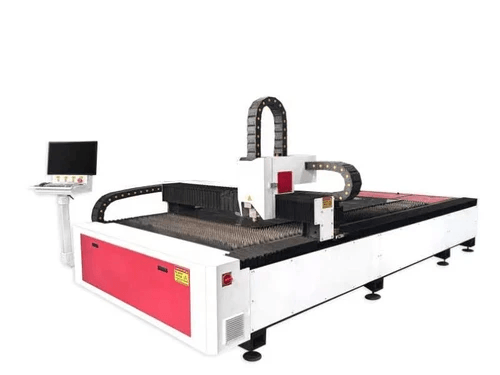
Every production line project should begin with a queue diagnosis. Some factories wait for outsourced blanks. Some wait for programming. Some wait for sheet loading. Some wait for press brake capacity. Some lose time sorting parts after cutting. The correct line design depends on which queue creates the most business pain.
Kiant's flatbed laser cutting machines are central to sheet metal cutting discussions, but the line design should start outside the machine. If the existing bottleneck is file release or downstream bending, a faster cutting cell alone will not solve the route.
The queue diagnosis should be measured over real shifts. Record what operators wait for, where parts sit, how often jobs are interrupted, and which downstream department receives more work than it can process. This evidence keeps the production line project grounded.
Programming and Nesting Set the Line Rhythm
Programming and nesting are not back-office details. They set material use, cutting sequence, unloading difficulty, part identity, edge risk, and downstream release. A nest that looks efficient on screen may create sorting problems if parts are not grouped in a way the shop can handle.
The production line should define when programs are released, how revisions are controlled, how urgent jobs are inserted, and how nesting decisions are checked against unloading and downstream needs. If operators discover job changes only after the sheet is staged, the line will lose rhythm.
TRUMPF's laser cutting resources and Bystronic's sheet metal automation materials both point toward process integration as a practical buyer theme. A laser cutting production line works best when software, material, machine, and downstream departments share the same sequence logic.
Material Staging Has to Stay Ahead of Cutting
Material staging controls whether the line can run steadily. Sheets must be identified, available, clean enough for the job, protected when needed, and placed where operators or loaders can access them. If the right material is missing, the machine waits or the schedule changes.
A staging plan should define incoming sheet storage, partial sheet or remnant handling, film management, forklift or crane routes, and who confirms material before cutting. High-mix shops should pay special attention to jobs that change material frequently because those changes often create small delays that accumulate across a shift.
Kiant's Interchangeable Laser Cutting Machine can be considered when table rhythm and staging are major line questions. The line should still prove that material preparation can keep up with the intended cutting pace.
Unloading Determines Whether Parts Stay Useful
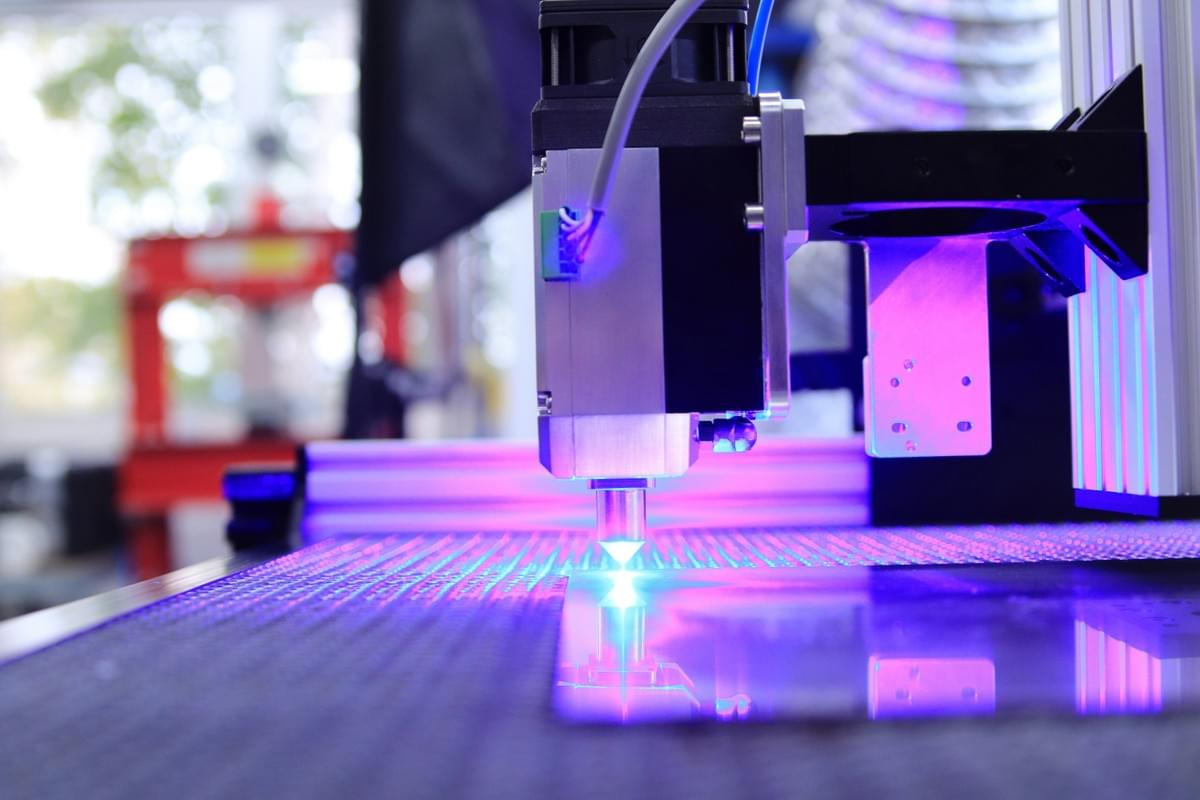
Unloading is where many sheet metal laser cutting production lines lose control. Parts may be cut correctly and then mixed, scratched, bent, lost, or sent to the wrong department. A good line treats unloading as a controlled station rather than a hurried cleanup step.
The unloading method should reflect part families. Bend-ready blanks need orientation and identity. Cosmetic parts need surface protection. Small parts need containers. Heavy parts need a safe lifting method established by the factory. Kits need separation by job or assembly. Scrap needs a route that does not interfere with finished parts.
The Single Platform Laser Cutting Machine may suit a simpler shop rhythm, while other formats may suit higher table-change demands. The right choice depends on how the buyer's parts are unloaded and released.
Inspection Should Feed the Next Operation
Inspection should answer whether the part is ready for the next operation. A line that cuts cabinet panels should check features that affect bending and hardware. A line cutting signage should watch visible edges and surface handling. A line cutting brackets should check holes, slots, and fit points. The inspection point should match the product risk.
First-part checks help prevent full-sheet errors. Periodic checks help detect process drift. Downstream feedback helps confirm whether the inspection method is useful. If the press brake, welding bench, or finishing station keeps correcting the same issue, the inspection plan may need to move earlier or become more specific.
Kiant's services information is relevant when buyers discuss installation, training, and support around first production. Inspection habits should be part of early training, not an afterthought once rejects appear.
Downstream Capacity Sets the Real Pace
A laser line can create more parts than the factory can bend, weld, finish, or pack. When this happens, output piles up as work in process. The line may look productive because the machine is active, but customer-ready output may not improve.
Before commissioning, map downstream capacity for the main part families. Determine which parts go to bending, which require deburring, which go directly to welding, and which need finishing protection. The schedule should release work in a way that the downstream route can absorb.
Kiant's Large Enveloping Laser Cutting Machine can enter layout and envelope discussions, but downstream pacing still decides whether added cutting capacity becomes useful output.
Line Reviews Should Use Real Production Families
A production line acceptance trial should include repeated work, short-run work, delicate parts, small parts, heavy parts, and at least one schedule interruption. The purpose is to test the route, not only the laser program. The team should measure preparation, cutting, unloading, inspection, downstream release, and restart behavior.
One useful trial follows a representative nest to the next operation and records whether parts arrive in the right order, condition, and quantity. Another trial inserts an urgent job and checks whether the original batch can restart cleanly. Real lines live with interruptions, so acceptance should test them.
Procurement teams can review Kiant's company background and use contact details to discuss line layout, part families, and support expectations.
Layout Should Protect People, Material, and Decisions
Line layout is more than placing machines on a floor plan. The layout should protect material movement, operator visibility, maintenance access, scrap removal, part carts, and communication between stations. If operators must walk around staged sheets to find a cart or if forklifts cross the unloading area at the wrong time, the line will lose rhythm and create avoidable risk.
The layout review should mark sheet storage, loading direction, finished-part carts, scrap containers, inspection points, press brake lanes, and maintenance access. It should also show where people make decisions. Program confirmation, first-part approval, and urgent-job insertion should happen in places where the needed information is visible.
A tidy layout is not cosmetic. It reduces small delays, prevents part mixing, and helps operators see when the schedule is drifting. The production line becomes easier to manage because the floor itself supports the intended route.
Urgent Jobs Need a Formal Insertion Rule
Urgent jobs are normal in sheet metal fabrication, but they can damage a production line when inserted informally. A rush part may interrupt a staged nest, occupy the wrong cart, delay a downstream operation, or leave a previous batch partially unloaded. The cost of the interruption is often hidden.
A formal insertion rule should define who approves the urgent job, how the current batch is paused, where partially completed parts go, and how the original schedule resumes. The rule should also confirm material identity and program revision before the urgent sheet is cut.
Testing this rule during acceptance is useful. Run a normal batch, insert a rush job, then return to the original job. If the line becomes confused, the schedule rule needs work before full production begins.
Maintenance Windows Belong in the Production Plan
A sheet metal laser cutting production line can lose rhythm when maintenance is treated as an interruption instead of a planned operating condition. Lens checks, nozzle changes, table cleaning, scrap removal, chiller attention, and general housekeeping all compete with production time. If they are not scheduled, operators may postpone them until quality drifts or material flow stops.
The better method is to plan maintenance windows around real job families and shift patterns. Short, visible routines help the team protect cut quality without surprising downstream departments. The plan should also define where partially completed material waits during maintenance, so carts, sheets, and inspection records do not become mixed while the cell is paused.
A Production-Line Control Checklist
- Measure the queue the project is expected to reduce before selecting equipment format.
- Control program release, nesting decisions, revision handling, and urgent-job insertion.
- Stage material so the cutting cell is not waiting for sheet identity or movement.
- Design unloading around downstream operation, part identity, surface protection, and scrap flow.
- Inspect parts according to the next operation's risk, not only according to easy dimensions.
- Confirm downstream capacity before increasing laser cutting output.
Conclusion
A sheet metal laser cutting production line is won or lost between stations. The laser machine is important, but programming, material staging, unloading, inspection, downstream flow, and support determine whether cut parts become accepted output. Buyers who test the full route will make a clearer equipment decision and build a steadier production line.
That route should stay visible after commissioning. When queues, part movement, and downstream feedback are reviewed regularly, the line can keep improving instead of drifting back into disconnected station-by-station work. The best line reviews make delays visible early enough for supervisors to adjust schedules, carts, inspection points, or material staging before the whole shift loses rhythm.