
Introduction
In the world of metal fabrication, bending techniques play a crucial role in transforming raw materials into functional components. Understanding these techniques is essential for engineers and manufacturers alike, as they directly influence the final product's quality and performance. Among various methods, cold bending aluminum stands out due to its versatility and efficiency.
Understanding Bending Techniques
Bending techniques encompass a range of processes used to alter the shape of metal without compromising its integrity. From simple hand tools to advanced machinery, these methods allow for precise manipulation of materials to meet specific design requirements. Cold bending aluminum, in particular, is favored for its ability to maintain material strength while achieving intricate shapes.
Importance of Metal Bending in Industry
Metal bending is integral to numerous industries, including automotive, aerospace, and construction. The ability to bend metals like aluminum not only enhances design flexibility but also contributes to weight reduction and improved performance in end products. As businesses strive for innovation and efficiency, mastering cold bending aluminum becomes increasingly vital.
Overview of Cold and Hot Bending
Cold bending involves shaping materials at room temperature, which often results in enhanced strength properties due to work hardening effects. Conversely, hot bending utilizes elevated temperatures to soften metals like aluminum before shaping them—each method offering unique advantages tailored for different applications.
What is Metal Cold Bending?
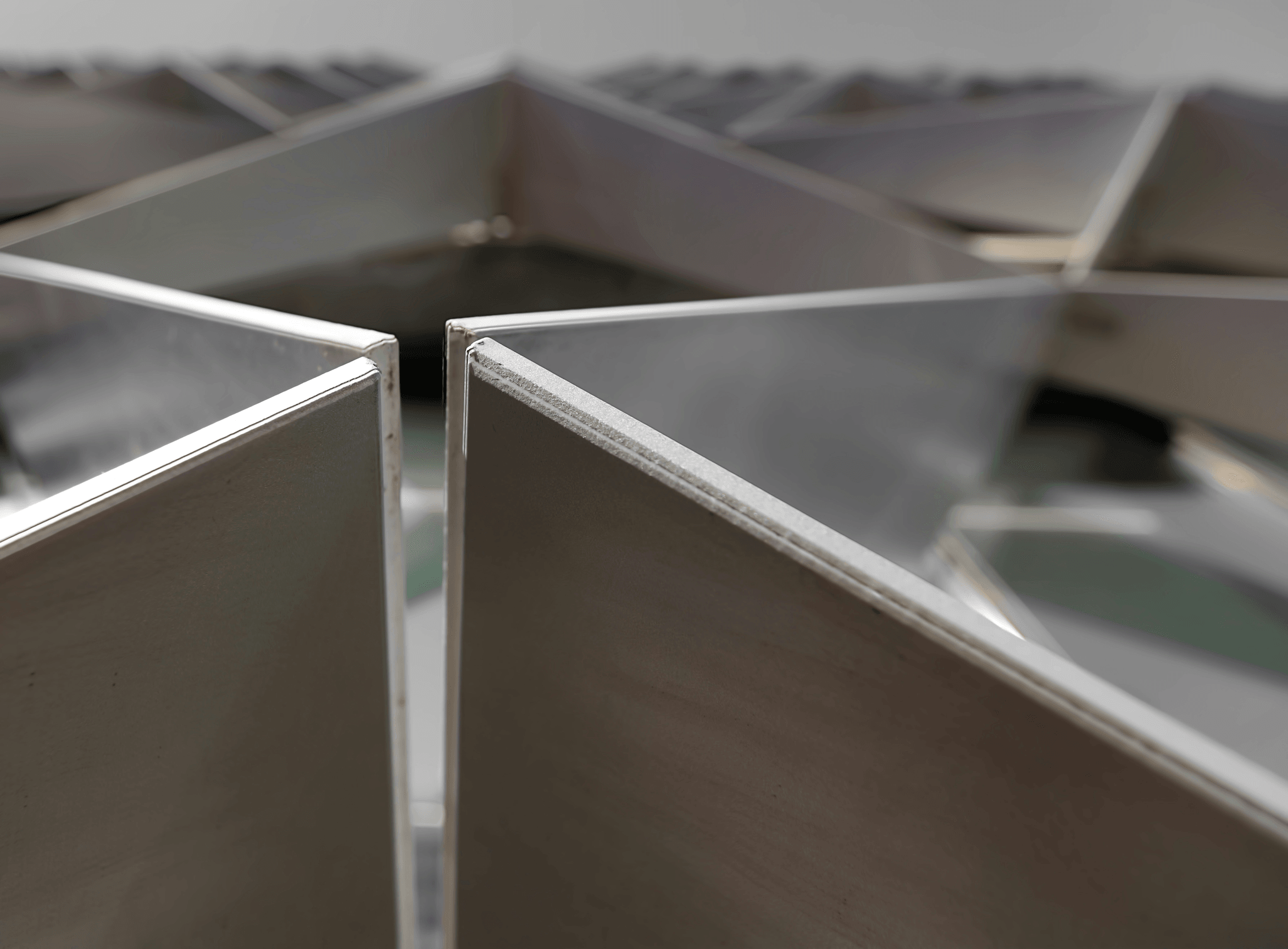
Cold bending is a fascinating process that involves shaping metal at room temperature, primarily used for creating intricate designs and strong structures without the need for heating. This technique allows manufacturers to achieve precise bends and angles while retaining the metal's inherent properties. Cold bending aluminum, in particular, has gained popularity due to its lightweight nature and versatility.
Defining Cold Bending Processes
Cold bending processes encompass a variety of techniques that manipulate metal into desired shapes without applying heat. The most common methods include roll bending, press braking, and tube bending, all designed to create specific angles or curves in the material. Unlike hot bending processes that require elevated temperatures to soften metals, cold bending relies on mechanical force alone, making it an efficient choice for many applications.
Applications of Cold Bending Aluminum
Cold bending aluminum is widely utilized across various industries due to its lightweight yet durable characteristics. In construction, it’s often employed for structural components such as beams and frames where strength-to-weight ratios are critical. Additionally, automotive manufacturers favor cold-bent aluminum parts for vehicle bodies and chassis since they enhance fuel efficiency while maintaining safety standards.
Advantages of Cold Bending Techniques
The advantages of cold bending techniques are numerous and noteworthy. First off, cold bending aluminum retains its strength better than when subjected to heat treatments; this means less risk of warping or weakening during the process. Moreover, cold bending can be more cost-effective since it eliminates the need for additional heating equipment and reduces energy consumption—making it a smart choice for manufacturers looking to optimize their production processes.
What is Metal Hot Bending?
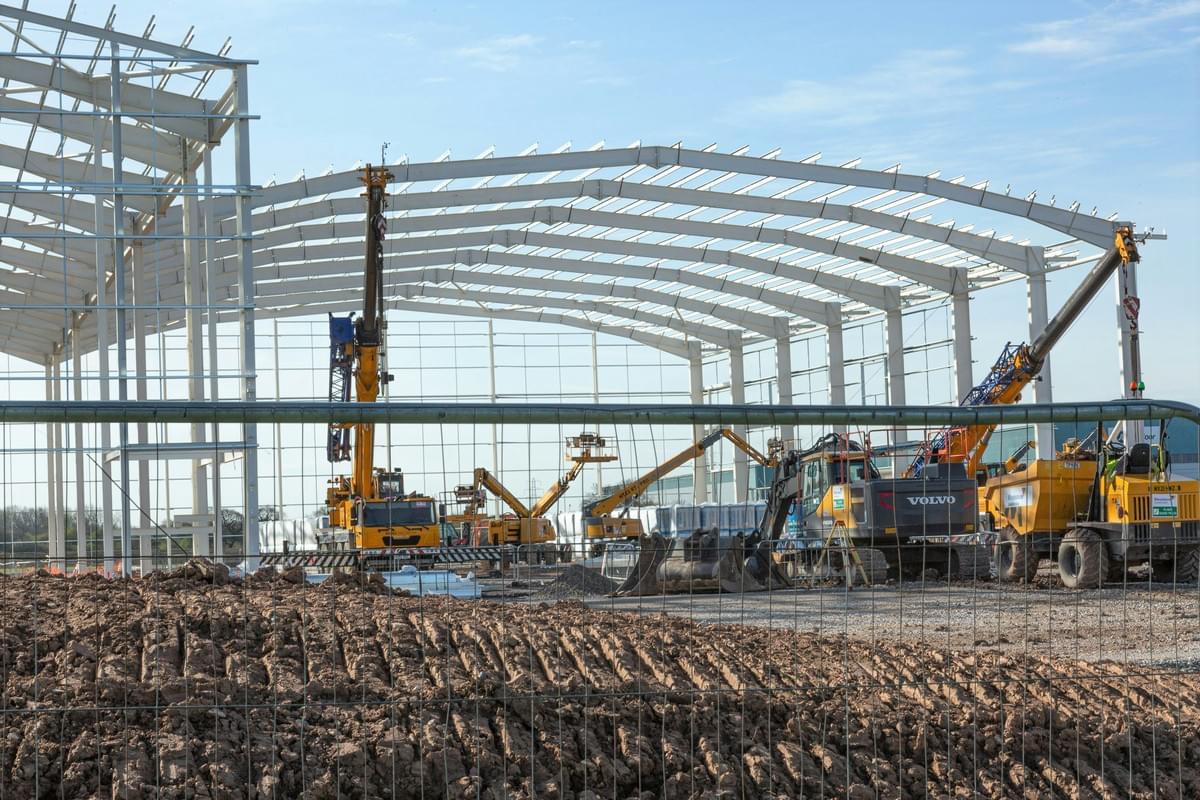
Hot bending is a fascinating process that involves heating metal to a specific temperature before bending it into the desired shape. This technique allows for greater flexibility and reduces the risk of cracking, which can be a significant concern with other methods. By manipulating the material at elevated temperatures, manufacturers can achieve intricate designs and complex geometries that would be difficult to obtain through cold methods.
Defining Hot Bending Processes
In hot bending processes, metals are heated to their recrystallization temperature, making them malleable enough to bend without fracturing. This process typically involves using furnaces or induction heating systems to raise the temperature of the metal prior to forming it. The key advantage here is that the heat allows for easier manipulation of materials, resulting in less stress on the metal compared to cold bending aluminum techniques.
Common Uses of Hot Bending
Hot bending finds its application across various industries, including automotive, aerospace, and construction. For instance, in automotive manufacturing, hot bending is often used for creating complex frame components that must endure high stress and strain during operation. Similarly, in aerospace applications, parts like wing structures benefit from this method due to its ability to produce lightweight yet strong components.
Benefits of Hot Bending Methods
One major benefit of hot bending methods is the reduction in internal stresses within the material after forming; this leads to enhanced durability and performance over time. Additionally, because hot-bent components can achieve tighter radii than their cold-bent counterparts, designers have more freedom when creating intricate shapes without compromising structural integrity. Furthermore, while initial costs might be higher due to energy consumption for heating, long-term savings often emerge from reduced maintenance needs and improved product longevity.
Comparing Temperature Effects
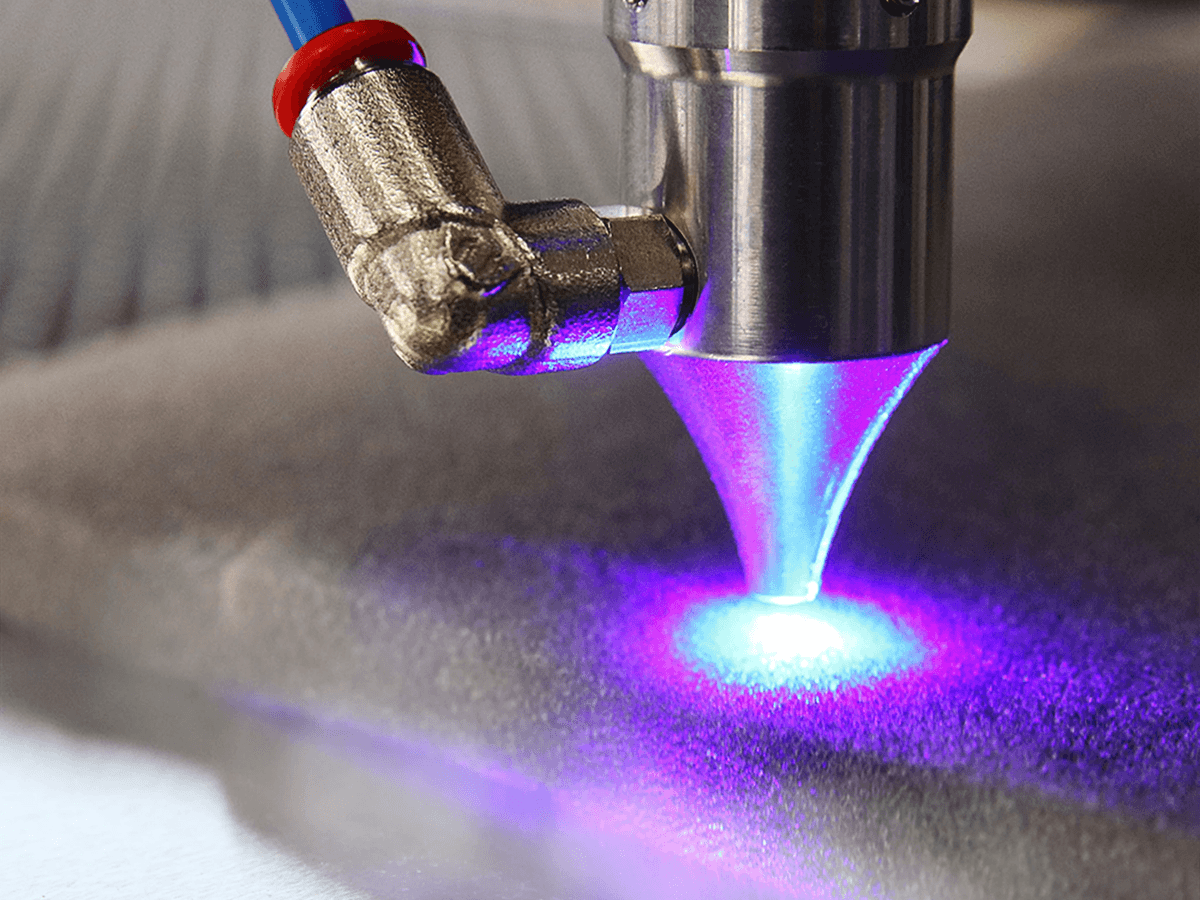
Understanding how temperature affects material properties can help engineers and manufacturers make informed decisions about whether to use cold bending aluminum or opt for hot bending methods. Each technique has its unique characteristics that can significantly impact the final product's quality and performance.
Impact of Temperature on Material Properties
Temperature directly influences the mechanical properties of metals, including strength, ductility, and hardness. In cold bending aluminum, lower temperatures enhance the material's yield strength but may lead to increased brittleness if not managed properly. Conversely, hot bending allows for greater ductility due to elevated temperatures, which makes it easier to form complex shapes while minimizing the risk of cracking.
Cold bending aluminum retains its structural integrity at room temperature but requires careful handling to avoid work hardening effects that can compromise its flexibility. On the other hand, hot bending processes soften metals through heat application, allowing for more intricate designs without substantial risk of failure during manipulation. Thus, selecting between these two methods hinges on understanding how temperature alters material behavior during forming processes.
Stress Factors in Cold vs. Hot Bending
Stress distribution is another critical factor when comparing cold and hot bending techniques. Cold bending aluminum tends to generate higher residual stresses due to strain hardening effects that occur at lower temperatures; this can lead to warping or deformation if not properly managed post-bending. In contrast, hot bending reduces internal stresses by allowing materials to flow more freely under heat-induced conditions.
The stress factors involved in these processes also dictate how much force is required during each method; cold bending typically demands more exertion due to increased resistance from hardened materials. This difference in stress management means that engineers must consider both immediate and long-term implications when choosing between cold or hot methods for their projects. Ultimately, understanding stress factors helps ensure optimal performance and longevity of bent components.
The Role of Heat in Bending Strength
Heat plays a pivotal role in enhancing the overall strength of bent metal components—especially when evaluating cold versus hot techniques. In cold bending aluminum, while the process results in high initial strength due to strain hardening effects, excessive work can weaken areas if not carefully controlled throughout production cycles. Hot bending mitigates this risk by utilizing thermal energy that promotes grain refinement and reduces defects associated with traditional forming methods.
Moreover, heat not only aids in shaping but also contributes significantly towards achieving desired mechanical properties after processing is complete; this is particularly true for applications requiring high precision and durability standards such as aerospace or automotive industries where both methods are frequently employed interchangeably based on project needs. Therefore, understanding heat's influence on final product characteristics is essential for making informed decisions regarding metal forming techniques.
Cost Implications of Each Method
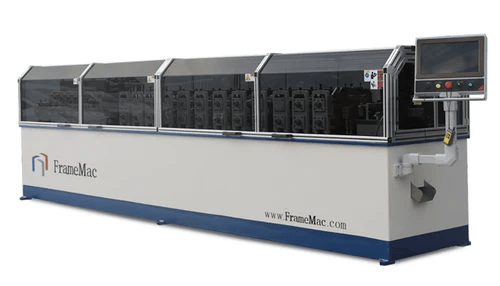
When it comes to metal bending, the financial factors can significantly influence your choice between cold and hot bending techniques. Understanding the cost implications of each method is crucial for manufacturers and engineers who want to optimize their budgets while ensuring quality results. Let’s dive into the specifics of budget considerations for cold bending aluminum and expense analysis for hot bending.
Budget Considerations for Cold Bending
Cold bending aluminum is often perceived as a more economical option, especially for projects involving thinner materials or less complex shapes. The initial investment in equipment tends to be lower, as cold bending machines generally require less energy and maintenance than their hot counterparts. Additionally, since cold bending does not involve heating the material, you can save on energy costs and reduce overhead expenses associated with heating elements.
However, it’s essential to consider that while cold bending may be cheaper upfront, certain limitations could lead to increased costs down the line if not managed properly. For instance, if you’re working with thicker materials or need tighter tolerances, you might end up spending more on specialized tools or processes that can handle such demands effectively. Thus, when planning your budget for cold bending aluminum projects, it's crucial to weigh both immediate savings against potential long-term expenses.
Expense Analysis of Hot Bending
Hot bending processes typically come with higher initial costs due to the need for specialized equipment capable of generating high temperatures. The machinery required for hot bending aluminum is often more complex and expensive than that used in cold processes. Moreover, operational costs tend to increase because of energy consumption associated with heating materials before shaping them.
Despite these higher upfront expenses, hot bending offers advantages that can justify its cost in many scenarios. For example, it allows for greater flexibility in shaping thicker materials without risking fractures or cracks—something that could save money by reducing waste and rework during production runs. Therefore, while hot bending may seem pricier initially, its ability to deliver precise results on challenging projects can ultimately balance out expenses over time.
Long-term Savings with Each Technique
When evaluating long-term savings associated with cold versus hot bending techniques, it’s vital to consider not just immediate costs but also durability and quality outcomes over time. Cold bending aluminum often yields stronger bends without compromising material integrity; this means fewer repairs or replacements in future manufacturing cycles—translating into significant savings down the road.
On the flip side, while hot bending may have higher upfront costs due to equipment needs and energy consumption, its ability to produce highly customized shapes can lead manufacturers toward innovative designs that enhance product value and marketability over time. In essence, choosing between these two methods requires a careful analysis of both short-term budgets and long-term returns; understanding how each technique aligns with your project goals will help ensure optimal financial outcomes.
Choosing the Right Process for Your Project
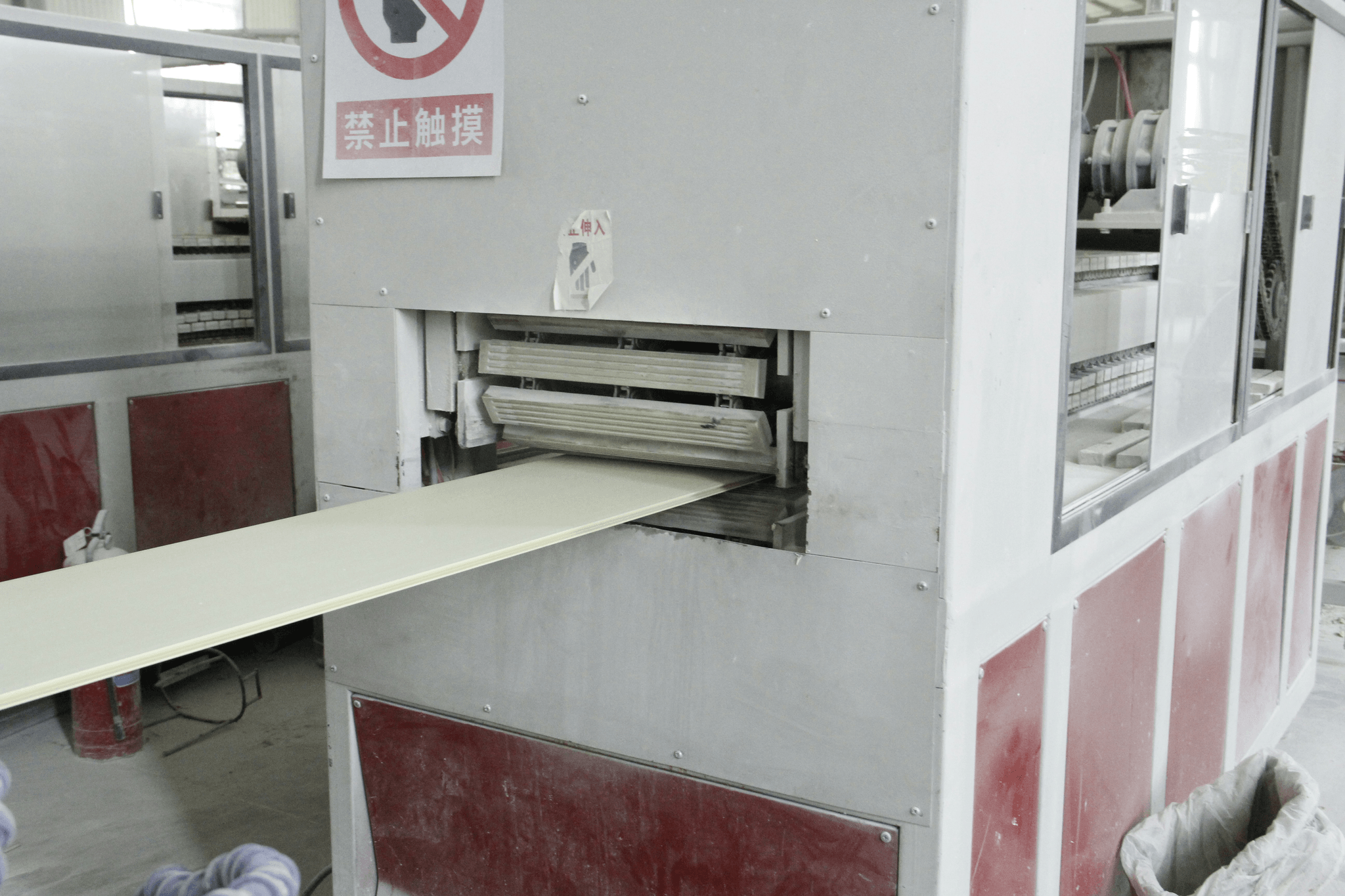
When it comes to selecting the right bending process for your project, several key factors come into play. The type of material you're working with, such as cold bending aluminum, significantly influences your decision. Additionally, considerations like project scale, desired precision, and production speed can sway your choice between cold and hot bending techniques.
Key Factors Influencing Your Choice
One of the primary factors to consider is the specific properties of the material you plan to bend. For instance, cold bending aluminum is a popular choice due to its excellent strength-to-weight ratio and ability to maintain dimensional accuracy without compromising its structural integrity. Furthermore, project timelines and budgets should also guide your decision; while hot bending can be more time-efficient for larger volumes, cold bending often proves more cost-effective for smaller runs.
Another important aspect is the complexity of the design you intend to achieve. Cold bending aluminum allows for tighter radii and intricate shapes that might be challenging with hot bending methods. Lastly, don't overlook environmental factors—cold bending generally produces less waste and reduces energy consumption compared to its hot counterpart.
Why Kiant Machinery Matters in Equipment Selection
When selecting equipment for either cold or hot bending processes, choosing a reliable manufacturer like Kiant Machinery can make all the difference. Their advanced technology ensures high precision in every bend—especially critical when working with materials like cold bending aluminum where even slight inaccuracies can lead to significant issues down the line. Moreover, Kiant Machinery offers robust support services that help streamline operations and troubleshoot any challenges you may encounter during production.
Kiant's machinery is designed with versatility in mind, catering to various industries from automotive to aerospace—making it an ideal partner whether you require specialized equipment or standard solutions. Their commitment to innovation means you'll have access to cutting-edge features that enhance productivity while maintaining quality standards essential for projects involving cold bending aluminum or other materials.
Tailored Solutions for Different Needs
Every project has unique requirements; thus, opting for tailored solutions can elevate your manufacturing outcomes significantly. Kiant Machinery understands this need and provides customizable options that adapt their equipment capabilities specifically for tasks like cold bending aluminum or other metals based on your specifications. This level of personalization ensures optimal performance whether you're producing small batches or large-scale components.
Additionally, their expert team collaborates closely with clients throughout the selection process—offering insights on how best to leverage their machinery based on project goals and constraints. With a focus on efficiency and effectiveness in metalworking processes like cold or hot bending techniques, you'll find that tailored solutions not only meet but exceed expectations.
Conclusion
In wrapping up our exploration of bending techniques, it's clear that both cold and hot bending serve unique roles in the metalworking industry. Understanding the nuances between these methods is essential for engineers and manufacturers looking to optimize their processes. With applications ranging from structural components to intricate designs, the choice between cold bending aluminum and hot bending can significantly impact project outcomes.
Key Takeaways on Bending Techniques
When it comes to bending techniques, the primary distinction lies in temperature and its effects on material properties. Cold bending aluminum is favored for its precision and ability to maintain strength without altering the material's integrity, while hot bending allows for more complex shapes with less risk of cracking. Each method presents distinct advantages that should be carefully considered based on project requirements.
Final Thoughts on Cold and Hot Bending
Cold bending aluminum stands out for projects where dimensional accuracy is paramount, while hot bending shines in scenarios demanding flexibility with thicker materials. The decision ultimately hinges on specific project needs—whether you prioritize precision or complexity will guide your choice of technique. As industries evolve, staying informed about these methods ensures that manufacturers can adapt efficiently to changing demands.
Recommendations for Manufacturers and Engineers
For manufacturers and engineers contemplating which method to employ, consider factors such as material type, desired shape complexity, and budget constraints. Investing in quality machinery like those offered by Kiant Machinery can enhance both cold bending aluminum processes and hot bending capabilities alike. Tailored solutions are available that cater specifically to your operational needs, ensuring you get the best results from either technique.