
A light gauge steel framing machine is often discussed as a roll forming asset, but the buyer's real output is not a loose pile of studs and tracks. The useful output is a set of members, panels, trusses, or building zones that can be assembled, checked, packed, shipped, and erected with fewer surprises. That difference changes how a manufacturer should plan machine selection and commissioning.
The first project matters because it exposes whether design files, coil supply, forming setup, punching logic, member identification, kitting, assembly tables, inspection, and operator training are working as one system. A machine can produce accurate individual members and still leave the factory with a sorting problem. Commissioning should therefore prove the complete route from approved data to accepted wall output.
Begin With the Finished Unit, Then Work Backward
Before comparing equipment packages, the production team should define the unit that will be released to customers. Some factories ship loose member kits. Others assemble complete wall panels. Some supply house-keel components to job sites, while others support modular or prefab building producers. Each model creates a different standard for sequencing and verification.
If the factory ships loose kits, the critical controls are member identity, bundle sequence, shortage prevention, and drawing clarity. If the factory assembles panels, the controls move toward fixture layout, opening geometry, diagonal checks, fastener method, inspection records, and protected storage. The selected light gauge steel production equipment should be reviewed against that intended output instead of only against an hourly meter count.
This backward planning also helps avoid overpromising. Building design, code requirements, structural loads, connections, and project approvals remain the responsibility of qualified professionals. The factory's task is to manufacture and organize members according to the released information, then maintain traceability when revisions occur.
Data Release Is the First Machine Setup

Light gauge steel framing production begins before coil enters the line. The job data must identify member types, quantities, lengths, punch or service-hole positions, panel grouping, revisions, and assembly sequence. If that information is incomplete or uncontrolled, the machine operator becomes the last defense against a problem that should have been solved upstream.
A practical commissioning trial should include at least one representative wall family with openings, short members, mirrored parts, and repeated members that look similar. The goal is to test how files are released, how operators confirm the correct job, how a revision is handled, and how produced members remain connected to the right panel or kit.
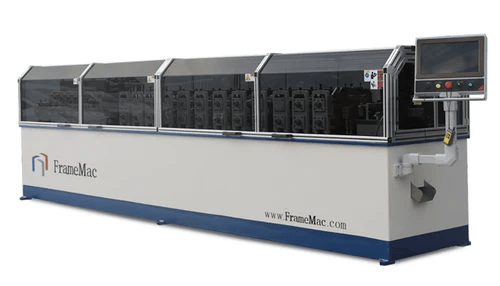
The FrameMac product page is a useful Kiant reference when buyers want to connect a named light gauge steel machine with this kind of framing workflow discussion. The machine choice should be paired with a data-control plan, because output quality depends on both hardware and production discipline.
Member Identity Must Survive the Whole Route
Many light steel members are visually similar once they leave the line. A few millimeters of length difference, a changed hole pattern, or a mirrored orientation can be hard to spot in a busy workshop. When members are mixed, assemblers may spend time searching, comparing, and correcting instead of building panels.
Identity can be managed through labels, controlled bundle locations, printed job travelers, color marks, digital tracking, or strict cart positions. The right method depends on the factory's product and quality rules. What matters is that the method survives forming, collection, staging, assembly, storage, and shipment. If a label is lost after the first lift, it is not a production control.
The commissioning pack should include a lost-identity drill. Select a bundle with several similar members and test whether the team can confirm each piece without guesswork. This small exercise often reveals whether the current process is ready for real mixed-family production.
Use a First-Wall Trial Instead of a Showroom Sample
A clean demonstration sample can be useful, but it does not prove production readiness. A first-wall trial is stronger because it forces the line to handle real data, real member variety, real operators, real staging space, and real assembly checks. It also exposes whether the production rhythm is balanced.
The trial should include the most common wall conditions the factory expects to produce. Include door or window openings, short cripples, full-height studs, tracks, bracing or connection features when applicable, and members that can be confused if identification is weak. Run the trial through forming, collection, assembly, inspection, and packing.
Acceptance should be based on defined checks rather than general impressions. Useful checkpoints include released-file confirmation, member count, member identity, fixture setup, opening geometry, diagonal or squareness checks, missing-feature review, bundle condition, and whether the panel or kit can be used without avoidable correction.
Balance the Line Around People, Space, and Inspection
A light gauge steel framing machine can become idle for reasons that are outside the machine cabinet. Operators may wait for job files, coils may not be staged, carts may be full, assembly tables may be blocked, or inspection may fall behind. Commissioning should therefore test the space and staffing around the line.
One useful method is to map the route as time zones. Measure the time needed to release data, stage coil, run the members, collect and label parts, move them to assembly, build the wall or kit, inspect output, and clear the area for the next job. The slowest zone sets the real pace.
Kiant's services information is relevant when buyers are planning installation, training, and first-line support. The commissioning conversation should cover who prepares sample projects, who trains operators, how acceptance is recorded, and what support is available after the first production run.
Make Training Specific to the First Three Job Types
Operator training is more valuable when it is tied to actual job families. A general introduction to controls and safe operation is necessary, but the factory also needs specific practice with the first work it expects to produce. That includes setup routines, file verification, coil changes, feature checks, output handling, and recovery from common errors.
Training should include supervisors, operators, assembly personnel, and quality staff. The forming line may be the center of the project, but downstream teams often see problems first. When those teams understand the machine-output logic, they can report useful feedback instead of sending vague complaints back to production.
Documentation should be kept close to the line. Job travelers, inspection sheets, revision rules, setup records, and maintenance routines give the factory a memory. Without that memory, early production depends too heavily on whoever happened to be trained first.
Revision Control Protects the First Production Month
The first month after commissioning often brings small changes. A panel detail is revised, an opening moves, a connection method is clarified, or a customer asks for a sequence change before shipment. Those changes are normal in project-based framing work, but they become expensive when the factory cannot separate old information from new information.
A revision rule should state who releases the change, how the production team is notified, how obsolete members are isolated, and how already assembled panels are reviewed. If the factory produces several similar wall families, the rule should be strict enough to prevent a corrected member from being placed into an older kit or an older member from entering a revised assembly.
Commissioning should include one controlled change while the team is still learning. Running a small revision drill proves whether the data workflow, line operator, collection area, assembly crew, and quality staff understand the same version of the job. It also gives managers a realistic view of how the line will behave when real project changes arrive under schedule pressure.
The same rule should cover partial production. If some members have already been formed while other members remain in the file queue, the factory needs a clean decision about what is accepted, what is isolated, and what is remade. That decision should be visible to the people collecting parts, not only to the person who received the revised drawing.
A Commissioning Checklist That Protects Real Output
- Confirm which finished unit the factory will sell or ship: loose kits, assembled panels, truss components, or complete building zones.
- Test data release using real project files with openings, short members, repeated members, and revisions.
- Define how member identity remains visible from forming through assembly or packing.
- Run a first-wall or first-kit trial and inspect the complete route, not only individual member length.
- Map staging space, cart flow, assembly capacity, and inspection time before setting production targets.
- Include operator, assembly, and quality teams in training so feedback moves cleanly through the line.
Buyers comparing suppliers can also review Kiant's company background and use the contact channel to discuss project-specific framing output, commissioning goals, and support expectations. The stronger buying conversation is not whether the machine can produce a sample member. It is whether the whole production route can release usable building components repeatably.
Conclusion
A light gauge steel framing machine should be commissioned around the product the factory actually delivers. That means data control, member identity, first-wall trials, staging discipline, training, and support planning must sit beside machine selection. When those controls are in place, the forming line becomes part of a production system rather than a standalone piece of equipment waiting for the rest of the factory to catch up.