
More Power Is Not Automatically Better Business
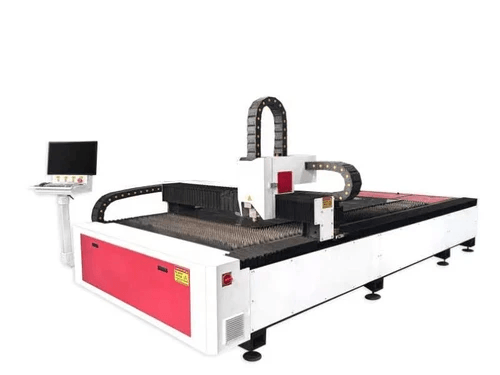
A high power fiber laser cutting machine sounds attractive because it suggests faster output, thicker material capability, and stronger production positioning. Those benefits can be real, but only when they align with the actual work entering the factory. If a shop mostly runs light materials, short batches, or mixed jobs with frequent setup changes, the commercial value of higher power may be less dramatic than expected.
The better question is not whether high power is impressive. It is whether high power solves a real production constraint. That may be throughput pressure, a thicker material mix, reduced queue time, or a need to consolidate work that is currently split across several machines.
Look at the Bottleneck, Not the Brochure
Before pursuing a high power fiber laser cutting machine, buyers should identify the current bottleneck. Is the problem cut speed, loading delay, material staging, programming preparation, part sorting, or downstream bending and welding? If loading and unloading remain the slowest parts of the workflow, extra power alone may not change daily output as much as expected.
This is why many experienced machinery suppliers talk about production flow, not only power range. The machine has to fit the full route from raw material to finished part.
Internal Pages That Help Frame the Right Comparison

Kiant's flatbed laser cutting machines page is especially relevant for buyers evaluating high-power sheet processing. The laser tube cutting page becomes more useful when a factory is comparing whether throughput pressure comes from tube work instead. The services page also matters because higher-performance equipment usually raises expectations around installation quality, training, and stable routine operation.
For buyers with mixed product lines, these internal categories help clarify where the power investment would produce the most operational value.
Questions That Justify a High-Power Upgrade
- Are current queues caused by genuine cutting capacity limits?
- Does the material mix reward higher throughput often enough to matter weekly?
- Can loading, unloading, and part handling keep pace with faster cutting?
- Will downstream processes absorb more cut parts without creating a new bottleneck?
- Does the supplier provide enough support to stabilize a higher-output process?
If the answer to several of these questions is unclear, the buyer may need a workflow review before deciding that more power is the right investment.
What Competitor Messaging Still Gets Right
TRUMPF and Bystronic consistently present laser equipment in relation to automation, productivity, and application fit. The important lesson is not the competitor branding. It is the buying logic. High power makes the most sense when the production system around the machine can use it fully. Otherwise, buyers may pay for performance that remains idle behind material handling or planning constraints.
Where Kiant Machinery Fits
Kiant Machinery should be positioned here as a practical supplier for buyers evaluating production-oriented cutting equipment and needing category clarity between flatbed, tube, and related machinery paths. The about page and contact page provide the next step for discussing actual workload rather than theoretical machine rankings.
Conclusion
A high power fiber laser cutting machine pays off when the factory has a real throughput problem that faster cutting can solve and when the surrounding workflow is ready to keep up. Power without process fit is expensive optimism. Power with the right material mix, loading method, and support structure can be a meaningful production upgrade.
Kiant's category and support pages give buyers a practical starting point for that decision. The best evaluation starts with the bottleneck, not the headline number.