
The Best Machine Choice Usually Starts Outside the Cutting Area
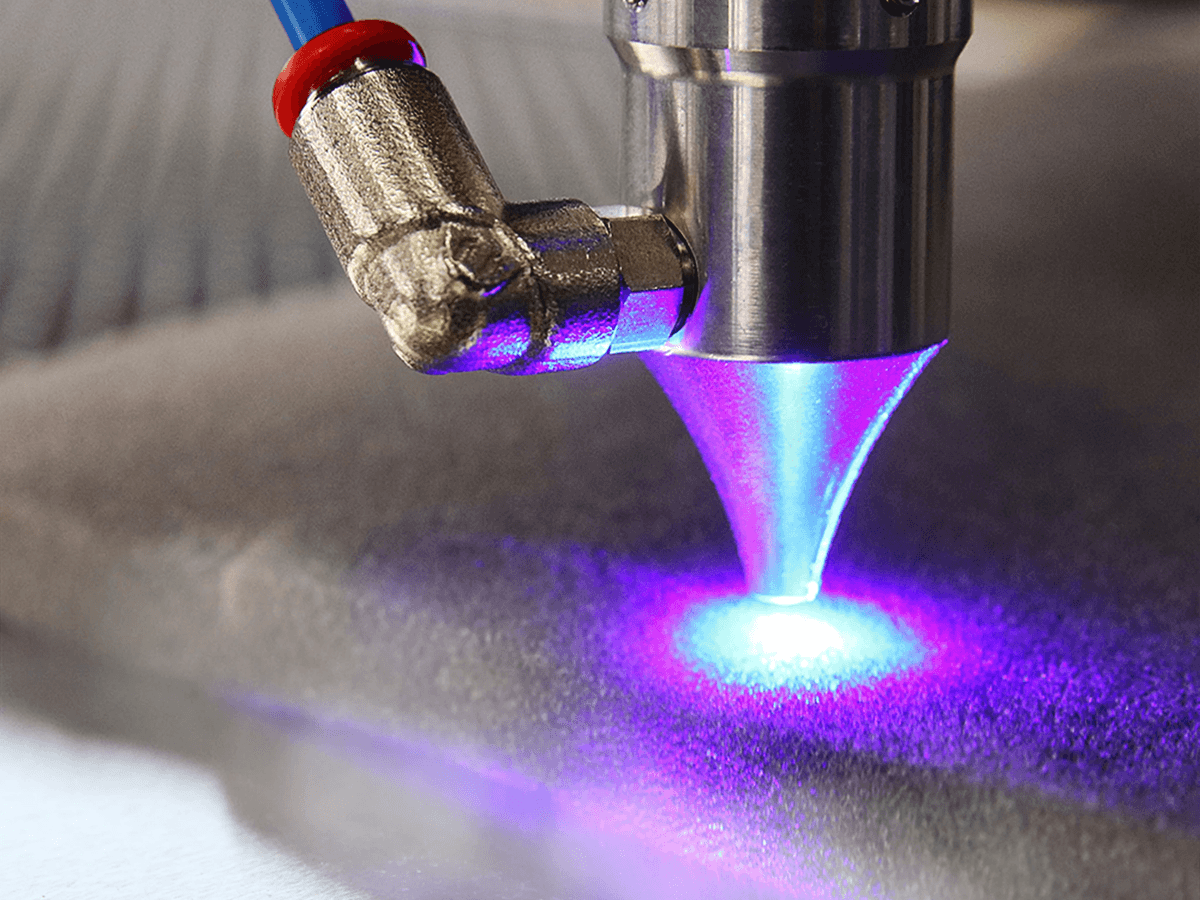
A fiber metal laser cutting machine is often evaluated by cut quality, speed, or model category. Those points matter, but the smartest buying decisions often start outside the cutting area itself. The critical questions involve material staging, part families, nesting habits, operator rhythm, and what happens to parts after cutting. If those steps are not clear, buyers can select a machine that looks strong on paper but fits the factory poorly.
This is especially true for shops that mix sheet and tube work, run frequent job changes, or expect one machine investment to support several product lines. A machine purchase should simplify workflow, not force the production team to build workarounds around the equipment.
Three Workflow Profiles and What They Need

The first profile is high-volume repeated sheet work. These shops usually care about stable loading, fast nesting turnover, and consistent dispatch of parts to bending or welding. The second profile is mixed custom fabrication, where changeover speed and operator flexibility can matter more than peak throughput. The third profile is a mixed-production factory handling both sheet and tubular components. These shops often need clear decisions about whether one machine category solves the main constraint or whether tube and flatbed work should be evaluated separately.
Kiant's flatbed laser cutting machines and laser tube cutting machines are both relevant internal references for this reason. They let buyers compare workflow needs against equipment category rather than against a vague concept of one universal machine.
A Better Set of Selection Questions
- What percentage of work is sheet, pipe, tube, or profile?
- How much labor is spent on loading, unloading, sorting, and secondary preparation?
- Which parts cause the most rework or queue delays today?
- Will the supplier help with installation, training, and routine process stabilization?
- Does the factory need room to expand into related machinery later?
These questions reveal whether the machine decision is truly about cutting or about a larger production redesign.
How Supplier Support Changes Machine Value
The same machine can create very different results in two factories depending on support quality. Kiant's services page is useful because a fiber metal laser cutting machine is only as productive as the team's ability to install it, operate it consistently, and absorb it into normal scheduling. Buyers should want clarity on training, startup routines, maintenance expectations, and communication during the early production phase.
The about page and contact page become important here because they support supplier evaluation beyond simple product browsing.
Industry References Point Toward Process, Not Just Power
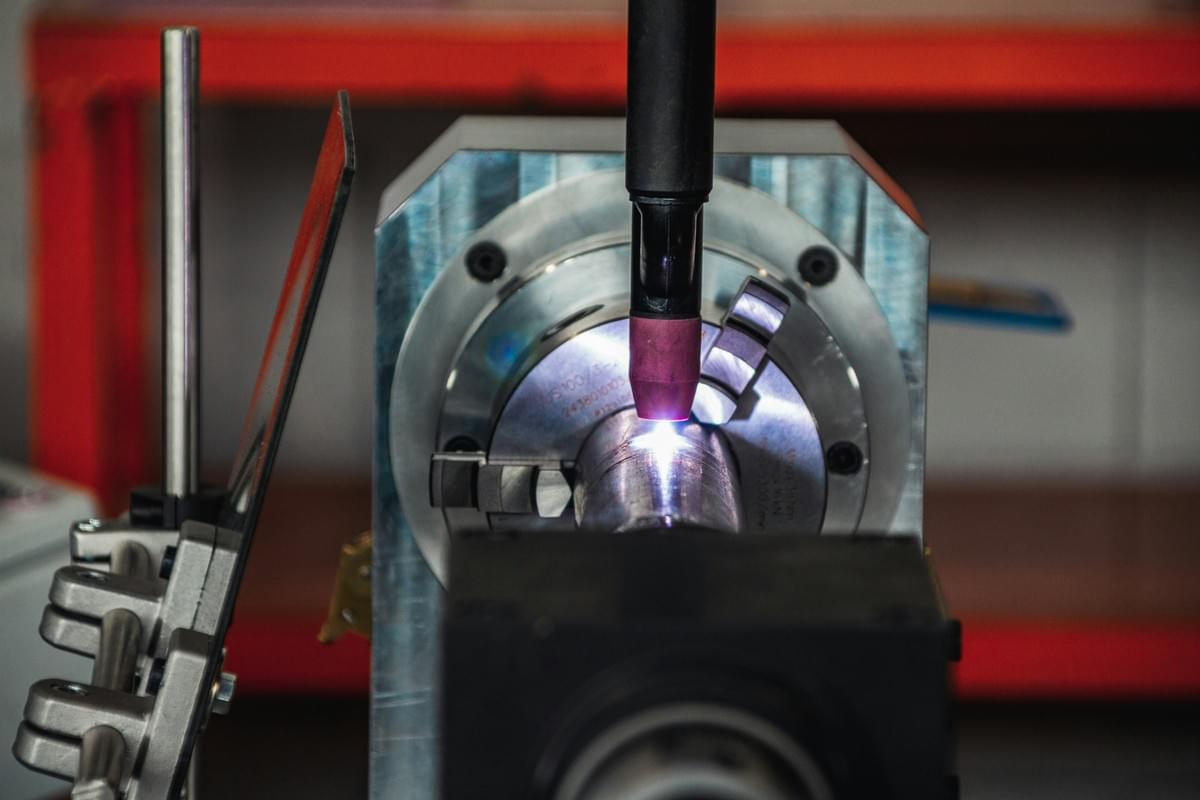
TRUMPF, Bystronic, and BLM Group all emphasize process flow, automation, and part flexibility in their industrial messaging. That does not mean every buyer needs the same solution. It means serious buyers should ask workflow questions early. A fiber metal laser cutting machine is worth more when it reduces handoffs, smooths material flow, and fits the real job mix.
Where Kiant Machinery Fits
Kiant Machinery fits best for buyers who want to compare machinery paths using practical category pages and who expect support to be part of the decision. Its site structure gives buyers a clear route through tube cutting, flatbed cutting, related production equipment, and services. That is useful when the machine choice affects more than one department in the factory.
Conclusion
Fiber metal laser cutting machine selection improves when buyers begin with workflow instead of machine labels. Part flow, loading, job mix, secondary operations, and support needs all shape whether the machine will improve real output. The factory that defines those issues clearly is more likely to choose equipment that lasts as a production advantage.
Kiant's product and service pages offer a practical framework for that evaluation. The right machine is the one that fits the workflow you actually run.