
Introduction
In today’s fast-paced industrial landscape, precision and efficiency are paramount. Enter the flatbed laser cutting machine, a revolutionary tool that has transformed the way businesses approach cutting tasks. With its ability to deliver intricate designs and flawless finishes, this cutting machine laser is not just a luxury but a necessity for any forward-thinking manufacturer.
Discover the Power of Precision Cutting
Precision cutting using a flatbed laser cutting machine allows for unparalleled accuracy in various materials, from metals to fabrics. The advanced technology behind laser machinery ensures that even the most complex shapes can be achieved with ease and minimal waste. As industries evolve, the demand for high-quality cuts has skyrocketed, making it essential to invest in state-of-the-art solutions like industrial laser cutters.
Why Invest in a Flatbed Laser Cutting Machine
Investing in a metal cutting machine laser can significantly enhance your production capabilities while reducing operational costs. Unlike traditional methods that often require multiple processes, a flatbed laser cutting machine consolidates tasks into one efficient operation. This not only speeds up production but also improves overall quality, giving businesses a competitive edge in their respective markets.
The Future of Industrial Laser Technology
The future of industrial laser technology is bright and brimming with possibilities as innovations continue to emerge at an astonishing rate. With advancements in automation and smart technology integration, we can expect even more efficient and versatile applications for laser machinery across various sectors. Embracing these innovations will position companies at the forefront of their industries, allowing them to harness the full potential of tools like the laser fabric cutter.
Understanding Flatbed Laser Cutting
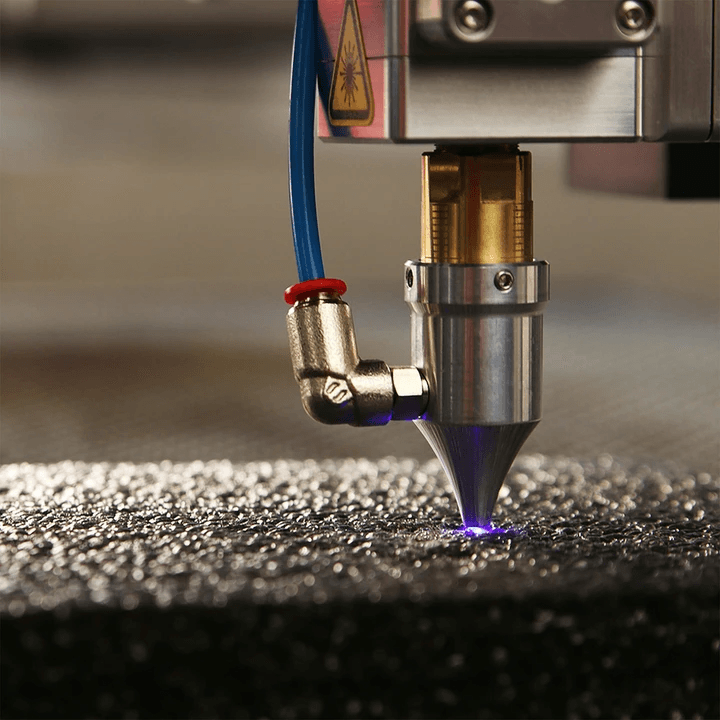
Flatbed laser cutting is revolutionizing the way we approach manufacturing and design. By harnessing the precision of laser technology, these machines deliver unparalleled accuracy and efficiency in various applications. Understanding how a flatbed laser cutting machine operates can help businesses appreciate its advantages over traditional methods.
How Flatbed Machines Work
At the core of a flatbed laser cutting machine lies a high-powered laser beam that is directed onto the material being cut. This beam is generated by a specialized industrial laser cutter, which converts electrical energy into light energy, creating an intensely focused beam capable of melting or vaporizing materials such as metal or fabric. The flatbed design allows for large sheets to be processed, making it ideal for bulk production and complex designs.
The operation begins with a computer-aided design (CAD) file that guides the movement of the cutting machine laser along predetermined paths. As the machine moves, it expertly controls the intensity and speed of the laser to achieve clean cuts without damaging surrounding material. This level of control makes flatbed machines suitable for intricate patterns and detailed work that would be challenging with traditional cutting methods.
Advantages Over Traditional Cutting Methods
One major advantage of using an industrial laser cutting machine is its ability to produce precise cuts with minimal waste. Unlike traditional methods that often require additional finishing processes, a flatbed laser cutter delivers finished edges directly from the cut, saving both time and resources. Additionally, this technology can handle various materials—metals, fabrics, plastics—with ease, making it versatile for different industries.
Another benefit is speed; a metal cutting machine laser can operate much faster than conventional saws or dies while maintaining accuracy across multiple cuts. This efficiency translates into higher productivity levels for businesses looking to reduce turnaround times without compromising quality. Furthermore, since flatbed machines are computer-controlled, they minimize human error and enhance repeatability in production runs.
Key Features of Industrial Laser Cutters
Industrial laser cutters come equipped with several key features designed to maximize performance and usability. One such feature is adjustable power settings that allow operators to customize their approach based on material thickness or type—ensuring optimal results every time they use their cutting machine laser. Additionally, many models offer advanced cooling systems to prevent overheating during prolonged operations.
Another notable feature includes automated loading systems that streamline workflow by reducing manual handling when processing large sheets or multiple pieces at once. Many modern flatbed machines also incorporate advanced software solutions that enable real-time monitoring and diagnostics, a game changer when it comes to maintaining operational efficiency in busy manufacturing environments. These features collectively enhance user experience while ensuring high-quality outcomes in every project undertaken by your industrial laser machinery.
Applications of Laser Cutting Machinery
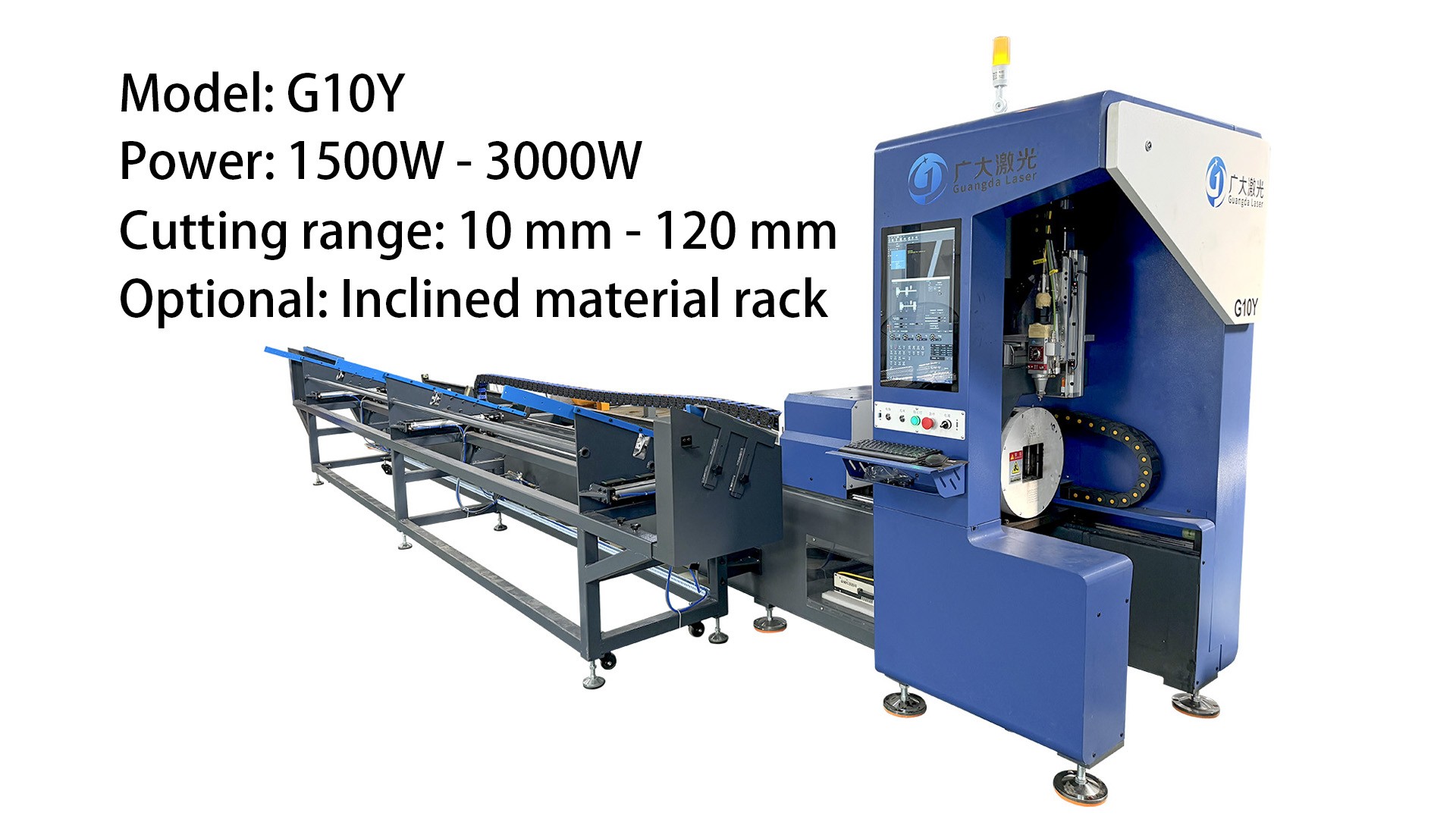
Laser cutting machinery has revolutionized the manufacturing landscape, introducing unprecedented precision and efficiency. The flatbed laser cutting machine stands out for its ability to handle a variety of materials, from metals to fabrics, with remarkable accuracy. This transformation allows businesses to produce intricate designs and complex shapes that were once deemed impossible with traditional methods.
Transforming the Manufacturing Landscape
The introduction of industrial laser cutting machines has dramatically changed how products are designed and manufactured. With their speed and precision, these machines reduce waste and enhance production efficiency, making them indispensable in modern facilities. As industries adapt to this technology, they can meet consumer demands for customization while maintaining high-quality standards.
Moreover, the versatility of the cutting machine laser allows manufacturers to explore new product lines without significant investment in different equipment. This adaptability is crucial in an era where rapid prototyping and small-batch production are increasingly common. As a result, companies leveraging laser machinery can stay ahead of competitors by quickly responding to market trends.
Common Industries Utilizing Metal Cutting Machine Laser
Various industries have embraced the capabilities of metal cutting machine lasers due to their efficiency and versatility. The automotive sector frequently uses industrial laser cutters for creating precise components that meet stringent safety regulations while optimizing performance. Similarly, aerospace manufacturers rely on these advanced technologies for crafting lightweight yet durable parts essential for aircraft functionality.
In addition to automotive and aerospace applications, the construction industry benefits from flatbed laser cutting machines by producing intricate architectural elements with ease. Metal fabricators also utilize these machines for creating custom parts tailored to specific client needs or project requirements. Overall, as industries continue to innovate, the demand for reliable laser technology will only increase.
Innovative Uses for Laser Fabric Cutters
Laser fabric cutters have opened up exciting possibilities in various sectors beyond traditional textile manufacturing. In fashion design, designers use these machines to create intricate patterns and cuts that elevate their collections while minimizing fabric waste. This precision not only enhances creativity but also aligns with sustainable practices that consumers increasingly value.
Moreover, the use of flatbed laser cutting machines extends into interior design where custom upholstery or decorative elements can be produced with unique designs that stand out in any space. Signage companies also benefit from laser machinery by crafting detailed signs quickly and efficiently without sacrificing quality or durability. As innovation continues within this field, we can expect even more creative applications for industrial laser cutting technology across diverse markets.
Choosing the Right Cutting Machine Laser
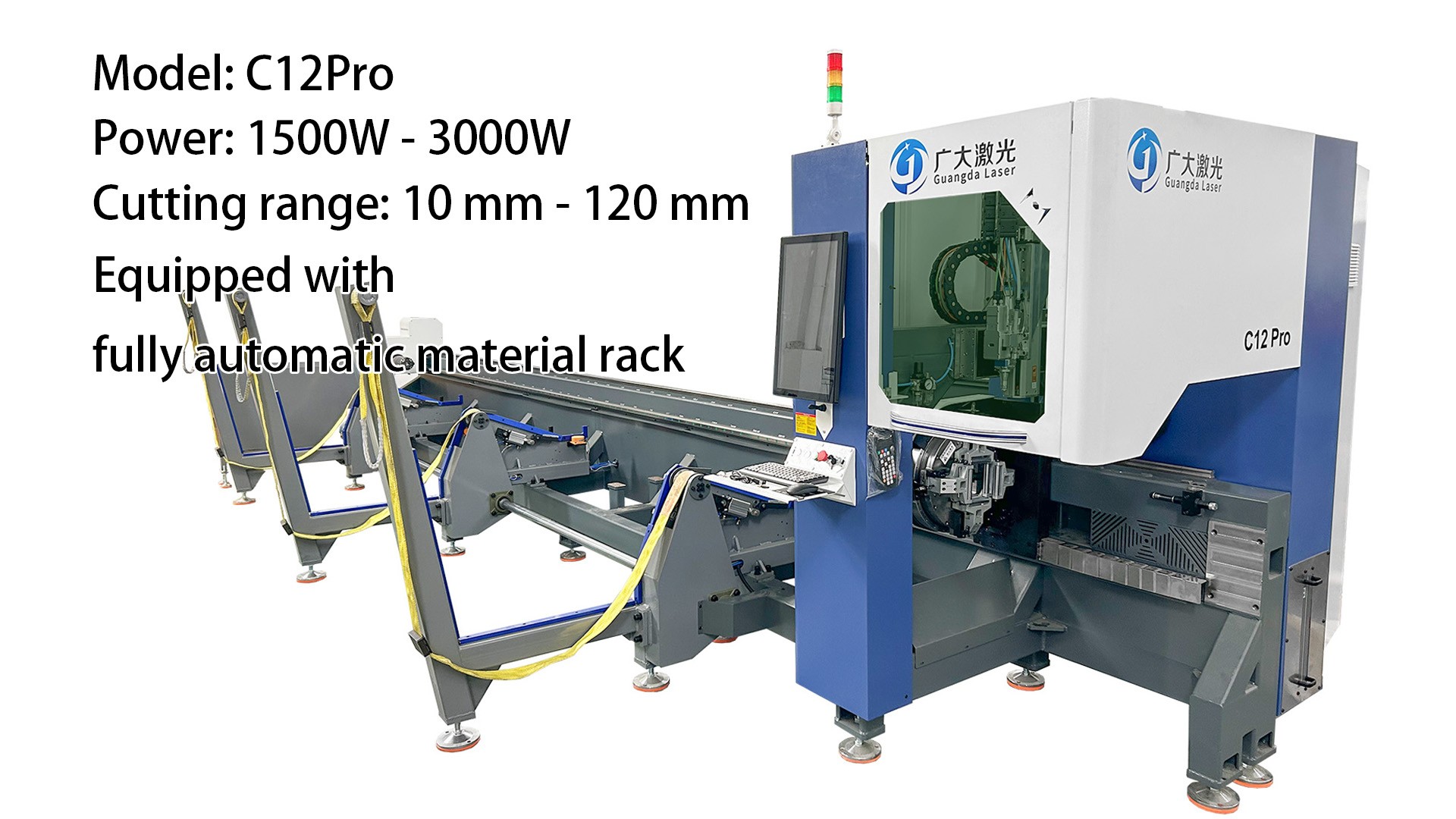
Selecting the right cutting machine laser is a crucial decision that can significantly impact your business operations. With various options available, understanding what features and specifications align with your needs is essential. A flatbed laser cutting machine can enhance precision and efficiency, but knowing how to choose the right one is key to maximizing its potential.
Factors to Consider for Your Business
When considering a metal cutting machine laser, several factors come into play. First, evaluate the materials you will be working with; different machines are optimized for various materials such as metal, fabric, or plastic. Additionally, consider the thickness of the materials you intend to cut; an industrial laser cutting machine must have sufficient power and capability to handle your specific requirements.
Another critical factor is the size of your workspace and production scale. If you're operating on a larger scale or require extensive cuts, investing in a robust industrial laser cutter may be necessary. Conversely, if your needs are more modest or specialized—like using a laser fabric cutter for textiles—a smaller flatbed model might suffice.
Lastly, think about integration with existing machinery and workflows. The best cutting machine laser should seamlessly fit into your production line without causing disruptions or requiring significant adjustments. This consideration ensures that you maximize efficiency while minimizing downtime during transitions.
Comparing Different Models and Brands
With numerous models of industrial laser cutters on the market, comparing them can feel like navigating a labyrinth of options. Start by researching reputable brands known for their reliability and customer support; this will save you from potential headaches down the road when troubleshooting issues with your laser machinery. Look at user reviews and case studies to understand how different models perform in real-world scenarios.
Pay attention to specifications such as speed, precision, power consumption, and maintenance requirements when comparing models. Some flatbed laser cutting machines offer advanced features like automated settings or software compatibility that can enhance productivity even further—ideal if you're looking to integrate automation into your processes. Make sure to weigh these features against their cost-effectiveness; sometimes paying slightly more upfront leads to significant savings down the line through reduced operational costs.
Don’t forget about warranty options! A solid warranty can provide peace of mind regarding repairs or replacements should any issues arise with your new industrial laser cutter.
Kiant Machinery’s Top Recommendations
At Kiant Machinery, we pride ourselves on offering top-tier solutions tailored for diverse industries needing efficient cutting technologies. Our recommendations include some of the best flatbed laser cutting machines on the market today that balance performance with reliability perfectly.
One standout option is our flagship model designed specifically for high-volume metal processing tasks using advanced technology that ensures immaculate cuts every time—ideal for any business looking to ramp up production without sacrificing quality! For those focused on fabric applications, our dedicated laser fabric cutter offers precision engineering tailored explicitly for textiles while maintaining versatility across various materials.
Finally, we recommend considering our mid-range industrial laser cutter which provides an excellent blend of affordability without compromising essential features necessary for effective operation in smaller businesses or workshops aiming for growth in their capabilities over time!
Maintenance Tips for Your Laser Machinery
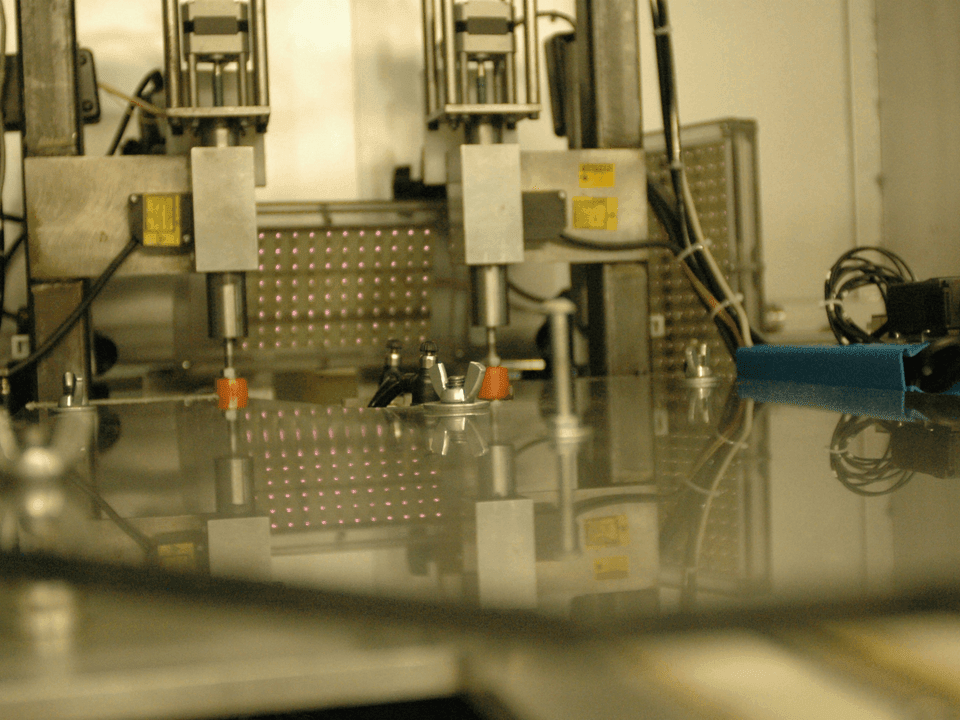
Maintaining your laser machinery is crucial to ensure optimal performance and longevity. A well-maintained flatbed laser cutting machine can deliver precision cuts consistently, reducing downtime and enhancing productivity. Regular maintenance not only extends the life of your industrial laser cutter but also protects your investment in this advanced technology.
Keeping Your Industrial Laser Cutting Machine in Top Shape
To keep your cutting machine laser in peak condition, start with a routine cleaning schedule. Dust and debris can accumulate on the optics and mirrors, which can affect the quality of your cuts; therefore, regular cleaning is essential. Additionally, check the alignment of the laser beam periodically to ensure that it’s focused correctly—misalignment can lead to subpar results or even damage to materials.
Another important aspect is monitoring the coolant levels and replacing them as necessary to prevent overheating during long operational hours. If you’re using a metal cutting machine laser, make sure that all moving parts are lubricated according to manufacturer guidelines; this helps reduce friction and wear over time. Finally, keep an eye on software updates from your industrial laser cutting machine's manufacturer—up-to-date software can enhance functionality and introduce new features.
Troubleshooting Common Issues
Even with diligent maintenance, issues may arise with your industrial laser cutter from time to time. One common problem is inconsistent cut quality; if you notice this happening, check for any obstructions in the path of the beam or dirty optics that could be affecting performance. Additionally, verify that you’re using the correct settings for material thickness—incorrect parameters often lead to poor results.
Another issue might be unexpected shutdowns or error messages on your cutting machine laser interface; these could indicate overheating or electrical problems. First, ensure that all cooling systems are functioning properly before diving deeper into troubleshooting electrical components. If you're facing persistent issues with your metal cutting machine laser that you can't resolve on your own, it may be time for professional assistance.
When to Seek Professional Support
Knowing when to seek professional support for your flatbed laser cutting machine can save you time and money down the line. If you've exhausted basic troubleshooting steps without success or if you're dealing with complex mechanical failures, it's wise not to risk further damage by attempting repairs yourself. Professional technicians have specialized knowledge about industrial laser machinery and access to parts that may not be readily available.
Additionally, consider reaching out for help if you notice unusual noises during operation or if there are significant fluctuations in performance metrics like speed or power output—these could signal underlying mechanical issues requiring expert intervention. Regularly scheduled maintenance checks by professionals can also catch potential problems before they escalate into costly repairs.
In summary, keeping up with maintenance routines will ensure that your industrial laser cutter remains reliable and efficient over its lifespan while knowing when to call in experts will help mitigate risks associated with complex repairs.
Boosting Efficiency with Advanced Technology
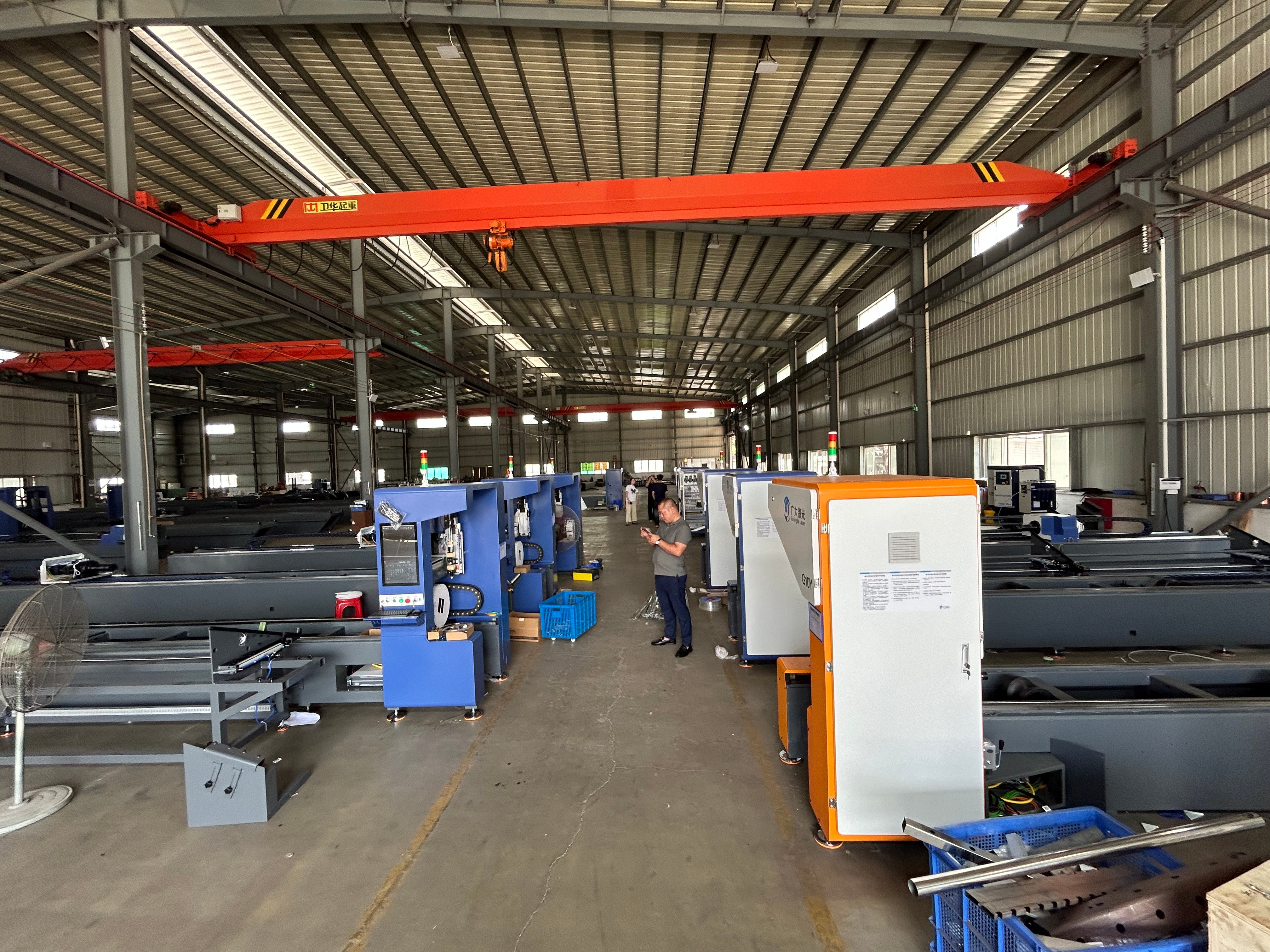
In today's fast-paced manufacturing world, integrating advanced technology into your operations is not just beneficial; it's essential. The combination of automation and flatbed laser cutting machines has revolutionized how businesses approach precision cutting. With the right setup, companies can enhance productivity, reduce waste, and achieve unprecedented accuracy in their projects.
Integrating Automation with Laser Cutting
Automation in conjunction with a cutting machine laser transforms traditional workflows into streamlined processes. Imagine a scenario where your industrial laser cutter works seamlessly alongside robotic systems that handle material loading and unloading—this is the future of manufacturing! By automating repetitive tasks, businesses can focus on innovation while ensuring that their metal cutting machine laser operates at peak efficiency without human error.
Furthermore, integrating software solutions that monitor the performance of laser machinery allows for real-time adjustments and data collection. This not only improves operational efficiency but also enhances the longevity of your equipment, including your flatbed laser cutting machine. Embracing such technological advancements positions companies to respond swiftly to market demands while maintaining high-quality standards.
Case Studies of Successful Implementations
Several industries have already reaped the benefits of combining automation with laser technology. For instance, a leading automotive manufacturer implemented an industrial laser cutting machine equipped with automated material handling systems to streamline production lines. The result? A 30% increase in output and significant reductions in operational costs.
Another notable example comes from a textiles company that adopted a laser fabric cutter integrated with AI-driven automation tools. This innovative approach allowed them to cut intricate designs at speeds previously thought impossible while minimizing fabric waste by over 20%. These case studies illustrate how investing in advanced technology can lead to remarkable improvements across various sectors.
The Future of Industrial Laser Technology
Looking ahead, the future of industrial laser technology appears bright and promising as advancements continue to emerge at an astonishing pace. We can expect further developments in artificial intelligence that will enhance the capabilities of flatbed laser cutting machines, making them even more intuitive and efficient than they are today. As manufacturers increasingly prioritize sustainability, innovations aimed at reducing energy consumption and material waste will become paramount.
Moreover, collaborative robots (cobots) are set to play a significant role alongside industrial laser cutters, providing greater flexibility on production floors without compromising safety or quality standards. As we embrace these advancements within our operations, staying ahead means not only adopting new technologies but also fostering a culture of continuous improvement within our teams.
Conclusion
As we wrap up our exploration of the world of flatbed laser cutting machines, it's clear that investing in this technology is not just a trend; it’s a game-changer. The precision and efficiency offered by industrial laser cutting machines can significantly enhance your production processes, leading to reduced waste and maximized output. By understanding how to leverage these advanced tools, you can ensure that your business stays ahead in the competitive landscape.
Maximizing Your Investment in Laser Technology
To truly maximize your investment in laser technology, it's essential to choose the right cutting machine laser tailored to your specific needs. Regular maintenance of your industrial laser cutter will keep it running smoothly and extend its lifespan, ensuring you get the best return on your investment. Additionally, staying updated with advancements in laser machinery can help you adopt new features that further improve efficiency and quality.
The Role of Kiant Machinery in Your Success
Kiant Machinery stands out as a reliable partner in providing top-of-the-line metal cutting machine lasers designed for various industries. Their commitment to quality and customer support ensures that you have access to not only cutting-edge equipment but also expert guidance throughout the purchasing process and beyond. With Kiant Machinery by your side, you're not just buying a product; you're investing in a partnership geared toward achieving long-term success.
Embracing Innovation for Competitive Advantage
In today’s fast-paced manufacturing environment, embracing innovation is crucial for maintaining a competitive edge. Utilizing advanced features found in modern laser fabric cutters allows businesses to optimize their workflows and adapt quickly to market demands. By integrating state-of-the-art industrial laser cutting machines into your operations, you position yourself as an industry leader ready to tackle future challenges head-on.