
The Real Value Is Not Only the Cut
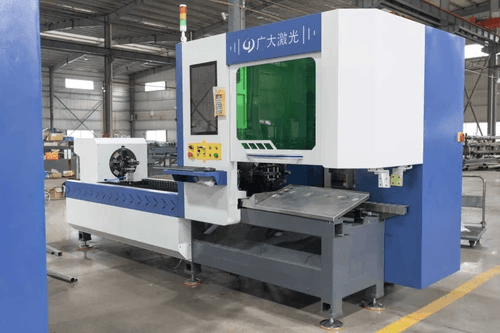
A tube cutting laser is often evaluated as a faster way to cut round, square, rectangular, or profile tubing. Speed matters, but the bigger value is usually workflow change. A well-planned laser tube cutting process can combine operations that would otherwise require sawing, drilling, coping, slotting, notching, marking, and manual fit-up work. For fabrication shops, that means fewer handoffs, fewer fixtures, and cleaner information flow from design to finished part.
This is why the purchase conversation should start with part families, not only laser power. A shop making simple straight cuts has different needs from a company producing structural tube frames, furniture parts, machinery guards, handrails, agricultural equipment, automotive components, or modular assemblies. The more features a tube part needs before welding or assembly, the more important process integration becomes.
Kiant Machinery presents laser tube cutting machines for metal tube processing and positions its equipment around precision, efficiency, and production-ready support. That positioning fits buyers who are not just replacing a saw, but redesigning how tube parts move through the shop.
Map the Old Process Before Choosing the New Machine
Before buying a tube cutting laser, map the existing workflow. How many times does a tube part move? Which operations happen before welding? Which features are still made with drill presses, mills, punches, or manual templates? Where do operators wait for fixtures or rework parts because notches do not fit? These questions expose the true cost of the current process.
A laser can often cut length, holes, slots, miters, fish-mouth profiles, and locating features in one program. TRUMPF describes laser tube cutting as a way to eliminate entire process steps and increase the range of producible parts. Bystronic similarly frames tube laser cutting around automated tube processing and production flexibility. These competitor references are useful because they show a common industry theme: the tube laser is strongest when it removes work between machines.
For procurement teams, this means the business case should include labor routing, part handling, fixture reduction, rework reduction, and downstream welding speed. A narrow price comparison between machines can miss the value created by cleaner part flow.
Part Design Should Change With the Process
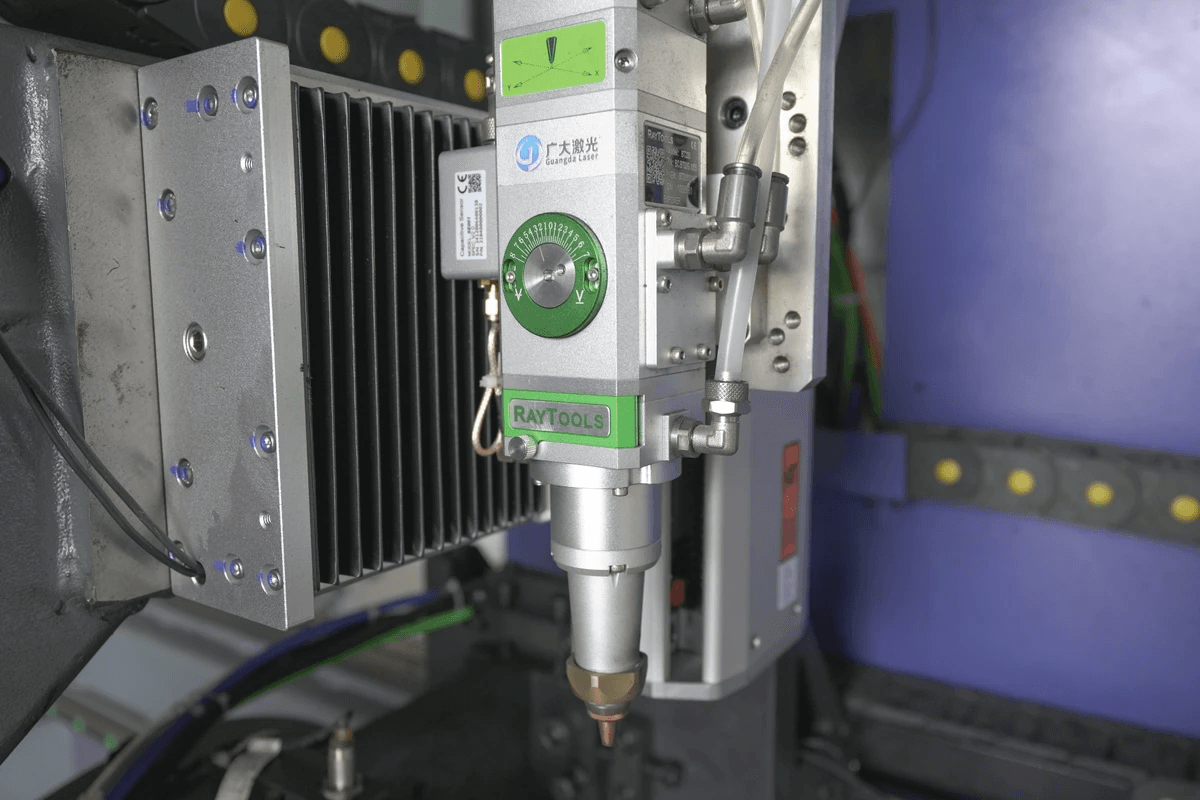
A tube cutting laser can do more than reproduce old saw cuts. Designers can add tabs, slots, keying features, drain holes, alignment marks, bend reliefs, and assembly aids. These features can help welders locate parts faster and can reduce the need for complex fixtures. When the design team keeps using tube parts as if they will be sawed and drilled manually, the shop may not capture the full value of the laser.
Part design should also reflect loading and clamping limits. Very short parts, heavy profiles, long thin tubes, and reflective materials may need special handling. The team should review tube diameter, wall thickness, material type, length, bundle loading, unloading method, and part nesting. Machine selection and part design should move together, because automation only works when the machine can feed, hold, rotate, cut, and discharge the part reliably.
Kiant's services page is relevant here because support after purchase matters. Machine selection, installation, training, and maintenance support can help shops turn a tube laser from a standalone machine into a repeatable production method.
Automation Decisions That Matter Early
Not every shop needs the same automation package. Some buyers need manual loading for low-volume or mixed-part production. Others need automatic feeding for repeated tube sizes and higher throughput. Some need unloaders, scrap handling, bundle loading, or integration with programming software. The right automation level depends on volume, mix, operator skill, floor space, and the value of unattended or lightly attended production.
When comparing equipment, ask how the system handles crooked stock, seam orientation, profile recognition, chucking, tube tail length, part separation, and unloading. These details affect production reliability more than glossy brochure images. A shop cutting one tube at a time for custom work may care most about flexible setup. A high-volume producer may care more about loading consistency, nesting, and predictable cycle time.
Kiant's broader product positioning also includes flatbed laser cutting machines and light gauge steel production equipment. For manufacturers that cut both sheet and tube or make building-related steel components, this wider machinery context can support a more complete automation plan.
Floor Space, Loading, and Operator Rhythm
A tube cutting laser changes the physical rhythm of the shop. Raw tube needs staging space before the machine, finished parts need a safe discharge area, and scrap needs a route away from the cutting zone. If the machine is placed where forklifts, cranes, or material carts cannot move smoothly, operators may lose time even when the laser itself is fast.
Loading method is especially important. Manual loading may be practical for short runs, mixed materials, or early-stage production. Automatic bundle loading may make sense when the shop runs repeated tube sizes and wants steadier output with less operator handling. The choice should be based on real part mix, not only the desire to automate. A machine with automation that sits idle because the workload does not support it can be just as inefficient as an under-automated process.
Operator rhythm also includes programming, nesting, inspection, and maintenance. If the programmer cannot keep jobs ready, the machine waits. If finished parts are not labeled or sorted clearly, assembly waits. If lens cleaning, nozzle checks, or chuck maintenance are ignored, cut quality can drift. The best tube laser workflow looks beyond cutting speed and plans the people, material, and information flow around the machine.
Common Workflow Failures
Several problems appear when a shop treats tube laser cutting as a simple machine swap. The first is weak programming preparation. If drawings are inconsistent or part files are not ready for laser cutting, operators may spend too much time cleaning geometry or asking for engineering clarification. The second is poor material handling. Long tubes need stable loading, safe staging, and predictable unloading. If the surrounding workflow is messy, the laser becomes a bottleneck instead of a solution.
The third failure is ignoring downstream welding and assembly. Tube laser cutting should improve fit-up, but only if the cut features match fixture and weld requirements. A miter that looks accurate on screen still needs to work with real material variation, weld gap expectations, and operator access. Production teams should involve welders and assemblers before finalizing the part library.
The fourth failure is underestimating training. A tube cutting laser changes the roles of operators, programmers, maintenance staff, and production planners. Kiant's company information and service positioning can support supplier evaluation when buyers need equipment support, not just hardware delivery.
A Buyer Checklist for Tube Laser Projects
Use this checklist before issuing an RFQ:
- List the top tube sizes, materials, and wall thicknesses by annual volume.
- Identify current secondary operations that could move into laser cutting.
- Separate high-volume repeat parts from custom or prototype work.
- Define loading, unloading, and floor-space constraints.
- Review CAD/CAM readiness and programming responsibilities.
- Decide whether automatic feeding, sorting, or marking features are required.
- Plan training for operators, programmers, and maintenance teams.
- Ask suppliers how installation, commissioning, and after-sales support are handled.
The goal is to prevent the tube cutting laser from being judged only by machine specifications. A good project brief shows the supplier what the machine must change in the factory.
Acceptance Tests Before Full Production
Before a tube cutting laser is accepted as production-ready, the buyer should run parts that represent real work. Include the most common tube sizes, difficult profiles, tightest features, and parts that previously required several secondary operations. Measure cut length, hole position, slot quality, miter fit, burr level, and part sorting. Then take the parts to welding or assembly and confirm that the intended downstream benefit actually appears.
This acceptance test should also include normal operators, not only supplier technicians. If the production team struggles to load material, understand the program workflow, or maintain cut quality, the installation is not finished. Training should cover everyday startup, shutdown, consumable checks, error recovery, and basic maintenance routines. Kiant's service positioning matters because a successful installation depends on helping the customer's team build confidence with the machine.
Finally, record baseline settings and sample results. A shop that documents early success can troubleshoot future issues more quickly. If cut quality changes after several weeks, the team can compare current conditions with the accepted baseline and identify whether material, optics, gas, fixturing, or programming changed.
Where Kiant Machinery Fits
Kiant Machinery can be positioned as a practical machinery partner for buyers who want to improve tube processing workflow. The company website emphasizes laser tube cutting equipment, flatbed laser cutting systems, light gauge steel production equipment, and support from machine selection through training and after-sales service. This is useful for shops that want equipment choice tied to real production change.
For buyers ready to discuss a tube cutting laser project, the strongest next step is to share part drawings, tube size ranges, production volume, old process steps, and automation expectations through Kiant's contact page. The clearer the current workflow, the easier it is to select a machine that removes unnecessary work.
Conclusion
A tube cutting laser is most valuable when it changes the production route, not just the cutting method. By combining cut length, holes, slots, miters, notches, and alignment features in one programmed process, manufacturers can reduce secondary operations and improve assembly readiness. The best project starts with a workflow map, a realistic part-family review, and a supplier discussion that includes training and support.
For metal fabricators evaluating laser tube cutting, Kiant Machinery offers a relevant starting point through its tube laser machinery, related cutting equipment, and service support. Treat the purchase as a process upgrade, and the machine has a much better chance of paying off in daily production.