
Stainless steel nitrogen laser cutting is often discussed as an assist-gas choice. In production, it is more accurately a finish-control decision. Nitrogen is commonly used when the shop wants to limit oxidation and preserve a cleaner cut edge, especially on stainless parts where appearance, welding, coating, or corrosion-related expectations matter. The machine setting is only one part of the result.
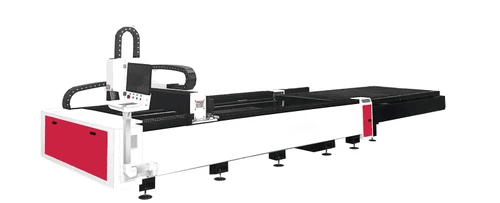
Buyers evaluating flatbed laser cutting machines for stainless work should think beyond cut completion. They need to ask how gas supply, material surface, protective film, unloading, part identification, and inspection will protect the final part from the sheet rack to the next operation.
The Edge Standard Comes First

The first question is not "Can the machine cut stainless?" It is "What edge does the customer or next process need?" A hidden bracket, a food-equipment panel, a decorative architectural part, a cabinet face, and a weld-prep component may all have different acceptance rules. Nitrogen may be chosen to help protect a bright, cleaner edge, but the shop still needs a clear standard.
TRUMPF's fusion cutting explanation describes nitrogen and argon as gases that do not react with molten metal in the kerf and help shield the cutting area from air. That idea is central to stainless work. The gas helps create the condition, but the shop must still manage the rest of the process.
The edge standard should be visible near the machine. Operators should know what discoloration, burr, roughness, heat effect, or surface mark is acceptable for the current job family. Without that standard, nitrogen cutting can become expensive guesswork.
Gas Purity and Delivery Are Production Controls
Gas purity, pressure stability, line condition, delivery method, and backup supply all affect stainless nitrogen cutting. If the gas supply is inconsistent, the operator may chase a quality problem by changing speed, focus, or nozzle condition when the root cause sits upstream. A shop that cuts stainless regularly should treat gas supply as part of the production system.
Atlas Copco's laser-cutting nitrogen material explains that assist gas helps clear molten material from the kerf and influences edge quality and oxidation control. Mazak's gas discussion also frames nitrogen as a common choice for stainless and aluminum because it is inert. These points are useful because they connect gas to finished-part quality, not only machine operation.
For buyers, the practical questions are straightforward. How will nitrogen be supplied? How will the operator confirm readiness? What symptoms suggest contamination or unstable delivery? How will gas cost be recorded by job family? The answers should be part of the buying and training plan.
Surface Protection Can Be Lost After Cutting
A clean stainless edge does not help much if the surface is scratched during unloading. Stainless work often includes visible faces, directional grain, protective film, and customer expectations that extend beyond the cut line. The unloading plan should protect the surface while keeping parts organized by job and downstream route.
Kiant equipment discussions around the Interchangeable Laser Cutting Machine and Single Platform Laser Cutting Machine should include table access, finished-part handling, cart staging, and operator rhythm. The equipment format matters because stainless finish quality can be damaged after the beam has already done its job.
Surface protection should be tested during sample runs. Operators should unload parts the same way they will unload production parts. If the sample is handled gently but the production route is rough, the trial does not represent the factory.
Small Features Show Process Discipline
Stainless parts often include slots, holes, tabs, vents, logos, corners, or cosmetic contours. Small features expose whether the process window is controlled. If holes show burr, edges discolor, or thin webs distort, the shop should review material condition, focus, nozzle, gas pressure, piercing, sequence, and heat concentration before simply slowing the entire job.
Parameter records are useful here. When an operator changes a setting for a stainless job, the record should explain the reason and result. Was the change made for burr, discoloration, incomplete cut, surface condition, gas behavior, or first-part fit? A clear record helps the next shift protect the same finish standard.
First-part inspection should include both edge and surface. For stainless, the inspector should look at visible faces, underside condition, protective film behavior, and downstream needs. A part that passes dimensional checks but fails surface expectations is not a finished success.
Nitrogen Cost Should Be Compared With Rework
Nitrogen may carry a higher operating cost than some alternatives, depending on supply method and local conditions. That cost should be compared with the cost of rework, grinding, edge cleaning, rejected surfaces, welding preparation, or delayed finishing. The cheapest gas in the moment may not produce the cheapest accepted part.
For stainless work, the cost ledger should include gas, consumables, cutting time, unloading labor, secondary finishing, scrap, and customer acceptance. If nitrogen reduces downstream work for the right job family, the ledger will show it. If a lower-cost gas is acceptable for a hidden or non-critical part, the ledger can show that too. The decision should be evidence-led.
This is also a supplier-discussion topic. Kiant Machinery's services can be part of a buyer conversation about installation, training, after-sales support, and workflow fit for stainless production. The buyer should prepare real finish expectations rather than ask for a generic stainless answer.
Tube Stainless Needs Orientation Control
Some stainless work is not flat sheet. Handrails, furniture frames, equipment frames, and decorative structures may involve stainless tube. In tube work, nitrogen-related edge goals may combine with profile orientation, seam position, visible face protection, and fixture fit. A clean cut on the wrong face or wrong rotation can still fail.
Kiant's laser tube cutting machine category and named model pages such as the C12 PRO Max can be included when the buyer's stainless work includes tube and profile families. The operating plan should include set identity, fixture checks, surface protection, and downstream finish standards.
Stainless tube trials should include real assemblies, not only short cutoffs. The best proof is whether the tube set reaches the fixture with the expected edge, orientation, and visible surface condition.
Protective Film Is Helpful, But Not a Substitute for Handling
Protective film can help preserve stainless surfaces during cutting and movement, but it does not remove the need for good handling. Film condition, adhesion, heat exposure, unloading method, and downstream removal all affect whether the part reaches the next operation cleanly. A scratched underside, bent tab, or adhesive problem can still create rework even when the cut edge is acceptable.
The shop should define when film stays on, when it is removed, how parts are stacked, and which surfaces must never touch rough carts or skeleton edges. Operators should also know whether a job has a visible face and how that face should be oriented during unloading. Stainless finish control is fragile when this knowledge exists only in someone's memory.
For sample trials, the part should travel through the same handling route as production. If trial parts are hand-carried carefully while production parts are stacked quickly, the trial does not prove the process. The finish standard needs to survive real cart movement.
Inspection Timing Should Move Upstream
Stainless problems become expensive when they are found late. If discoloration, burr, surface marking, or edge condition is discovered after bending, welding, polishing, or assembly, the shop has already invested extra labor into a questionable part. Nitrogen cutting programs should therefore include early inspection triggers.
Useful triggers include a new material batch, film change, gas supply change, nozzle change, operator change, first run after maintenance, or a job with visible surfaces. The first part should be checked before the full nest is released, and high-risk parts should be reviewed before they travel to the next department. This keeps stainless finish control close to the process that creates it.
Inspection records should include both the visible problem and the likely process condition. "Scratch on visible face after unloading" points to handling. "Lower-edge burr after gas change" points to a different review. "Color change after material lot change" suggests another path. These short notes help the next shift protect the finish without starting from zero.
For recurring stainless work, sample boards are useful. A current accepted sample gives operators, inspectors, and supervisors the same visual reference when finish expectations are easy to describe but hard to standardize in words.
A Stainless Nitrogen Cutting Review
- Define edge and surface standards by product family before choosing the gas plan.
- Confirm nitrogen supply, purity expectations, pressure behavior, and backup planning.
- Inspect first parts for edge, underside, surface protection, and downstream fit.
- Protect visible faces during unloading, cart movement, and storage.
- Record parameter changes with the reason and accepted-part result.
- Compare nitrogen cost with rework, finishing, welding preparation, and customer acceptance.
Conclusion
Stainless steel nitrogen laser cutting is really a finish-control decision. Nitrogen can help protect a cleaner edge, but gas supply, material condition, parameter discipline, unloading, surface protection, and inspection determine whether the part stays acceptable. Buyers who define the edge standard first will make better machine and support decisions than buyers who treat nitrogen as a simple checklist item.