
Finish Quality Changes the Economics of the Cut
Stainless steel handrail production is unforgiving because visible quality matters. A small inconsistency in end preparation can create extra grinding, extra polishing, and extra checking before the finished rail is acceptable. The cutting stage therefore influences much more than throughput. It affects how much finishing labor the shop quietly absorbs later.
This is why stainless handrail projects should not be evaluated only through machine output or generic tube-processing language. The more important question is whether the cut parts make the visible-finish standard easier to meet.
Look at the Jobs That Keep Coming Back for Touchup
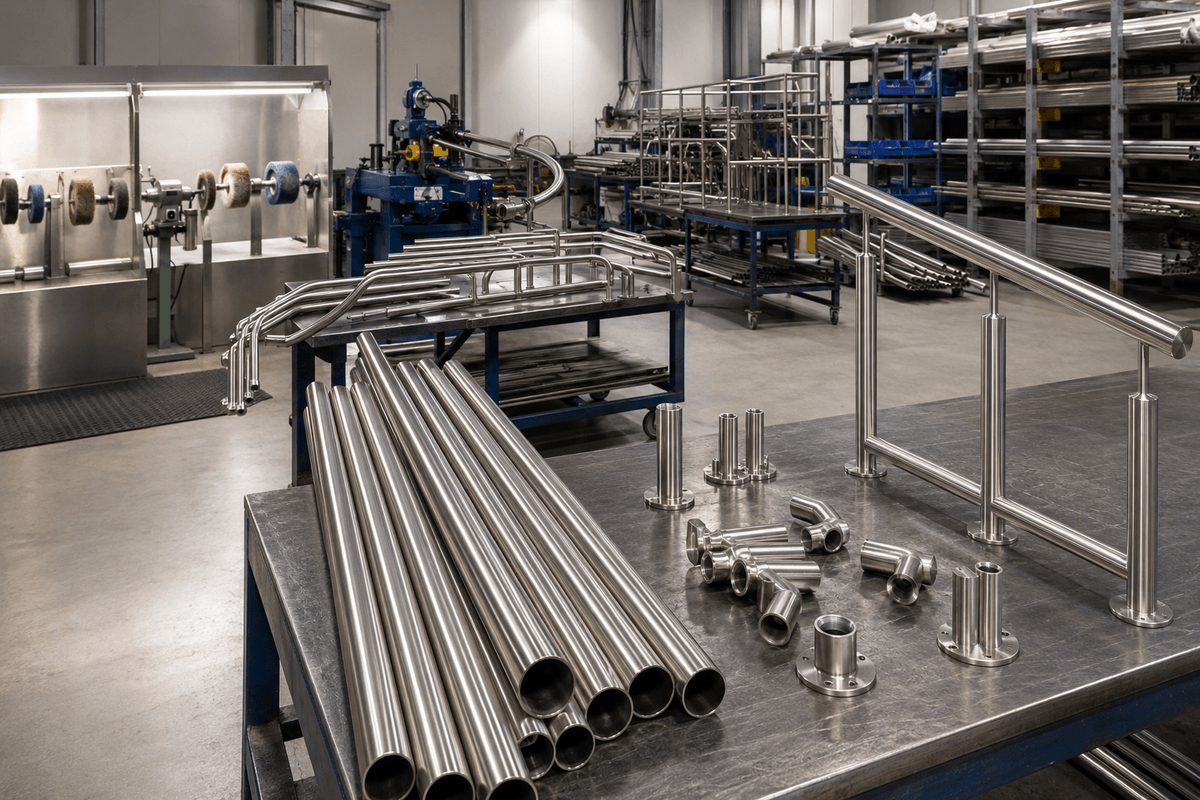
A practical way to assess the problem is to review the jobs that repeatedly return for adjustment or cosmetic correction. Are certain joint types harder to align cleanly? Do some product families create more polishing time than expected? Do custom and repeat handrail runs behave differently in the shop? These observations tell a buyer more than a broad machine comparison ever will.
The Right Internal Links for This Buying Discussion
Kiant's laser tube cutting machine category is the main product link for stainless handrail topics. Named model pages such as C12 PRO Max can be used when the article needs a more product-detail-oriented commercial route. The services page is important because better finishing results often depend on setup quality and operator discipline as much as on machinery type. The contact page is a natural closing link when buyers want to compare sample assemblies or production volumes.
A More Useful Checklist for Stainless Handrail Shops
- Which handrail assemblies create the most finishing correction after cutting?
- How much polishing time is tied to inconsistent prep rather than unavoidable design complexity?
- Do repeat commercial runs and custom projects require different workflow assumptions?
- Where does the finishing queue start to build up during busy production periods?
- What level of setup and operator support is needed during the transition?
Why Buyers Should Talk About Labor Flow, Not Just Tube Processing
Competitor pages in tube processing often emphasize reduced secondary operations. That logic is especially relevant here because stainless handrail work converts preparation errors into visible finishing cost. A buyer who talks only about cutting misses the point. A buyer who talks about labor flow from cut part to polished assembly is much closer to the real decision.
Conclusion
Stainless steel handrail production becomes easier to scale when the finishing queue stops absorbing problems created upstream. Buyers that evaluate equipment through fit-up quality, polishing labor, and batch consistency usually make stronger long-term choices.