
Handrail Shops Usually Feel the Pain at the Joint
Round tube handrail work may seem straightforward until the fabricator starts assembling repeated rails, posts, and connectors. At that point, even small inconsistency in end preparation becomes expensive. Operators compensate by adjusting joints, grinding more aggressively, or spending extra time on finishing before the assembly is ready to move forward.
That is why round tube cutting for handrail fabrication should be measured by what happens at jointing and finishing, not by cutting speed alone. If the parts arrive ready to align, tack, and polish with less correction, the workflow has improved in a way the whole shop can feel.
Three Signals That the Current Process Needs Attention
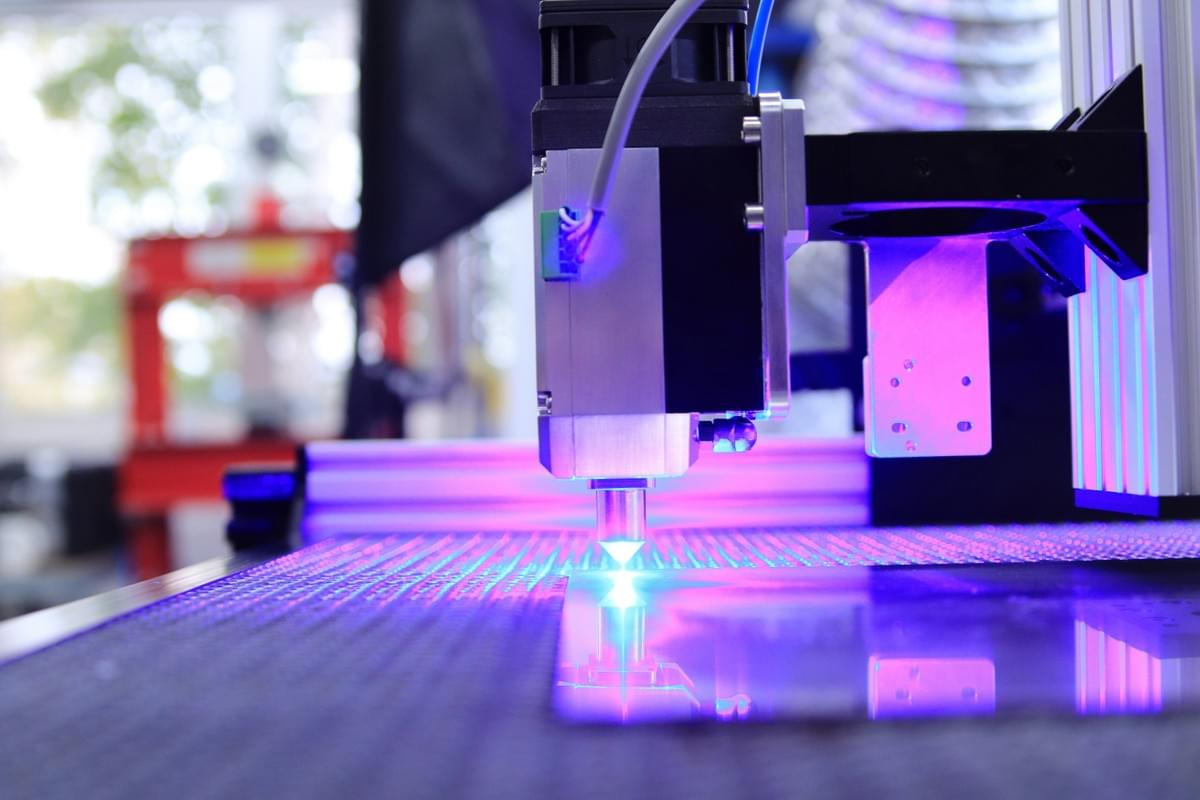
One signal is frequent rework at repeated intersections or railing angles. Another is excessive polishing time caused by inconsistent prep. A third is unstable flow between the cutting area and the welding station, especially when jobs mix standard railing runs with custom architectural pieces. These signals suggest that the issue is not just output volume. It is the quality of the preparation feeding the rest of the process.
Use Internal Links That Match the Fabrication Reality
For this keyword, the strongest product anchor on Kiant's site is the laser tube cutting machine page. The site's named model pages, such as G90 Store lightweight machine and Y90 Store lightweight machine, are useful when the article wants a more concrete commercial path for tube-fabrication readers. The about page and services page fit naturally when installation and operator onboarding matter to the decision.
A Handrail Buyer Checklist
- Which round-tube joints consume the most fitting and polishing time now?
- How much of the handrail workload is repeated commercial production versus custom pieces?
- Where does downstream labor rise when cut preparation varies from batch to batch?
- Will the new workflow improve sorting, staging, and part identification as well as cutting?
- Who in the plant needs to be trained for the transition to be successful?
Why This Topic Is About Workflow More Than Hardware
Competitor references from tube-processing brands often emphasize fewer secondary operations and smoother downstream fabrication. That framing fits handrail work because the visible commercial gain comes from cleaner assembly flow, not from treating the machine as a standalone productivity symbol. A handrail shop that improves joint preparation usually saves time in several departments at once.
Conclusion
Round tube cutting for handrail fabrication becomes more valuable when it stops creating avoidable work at the jointing step. Buyers who study fit-up, finishing labor, and part flow closely will usually make better equipment decisions than buyers who compare cut speed in isolation.