
Introduction
Choosing the right laser nozzle might not sound as exciting as picking out a new gadget, but trust us, it’s a game-changer for your cutting quality and overall efficiency. The difference between a Single-Layer Nozzle vs Double-Layer Nozzle can significantly impact your machine’s performance, making the decision more critical than ever. Understanding these nuances helps you optimize your setup and avoid costly mistakes when how to choose the nozzle of a laser cutting machine becomes your next big question.
Nozzle design impacts everything from precision to speed, so getting it right isn’t just about saving money—it’s about delivering top-tier results. Whether you’re working with thin sheet metal or thick industrial materials, the choice between a double layer laser nozzle and a single layer laser nozzle can make or break your project. Knowing why these options matter will empower you to make smarter decisions and keep your production line running smoothly.
Understanding the differences between single-layer nozzles vs double-layer nozzles is vital for anyone serious about laser cutting technology. These two types serve different purposes, and selecting the appropriate one requires knowing their unique advantages and limitations. Learning how to choose the nozzle of a laser cutting machine effectively ensures you maximize efficiency while maintaining high-quality cuts every time.
Overview of Single-Layer Nozzles
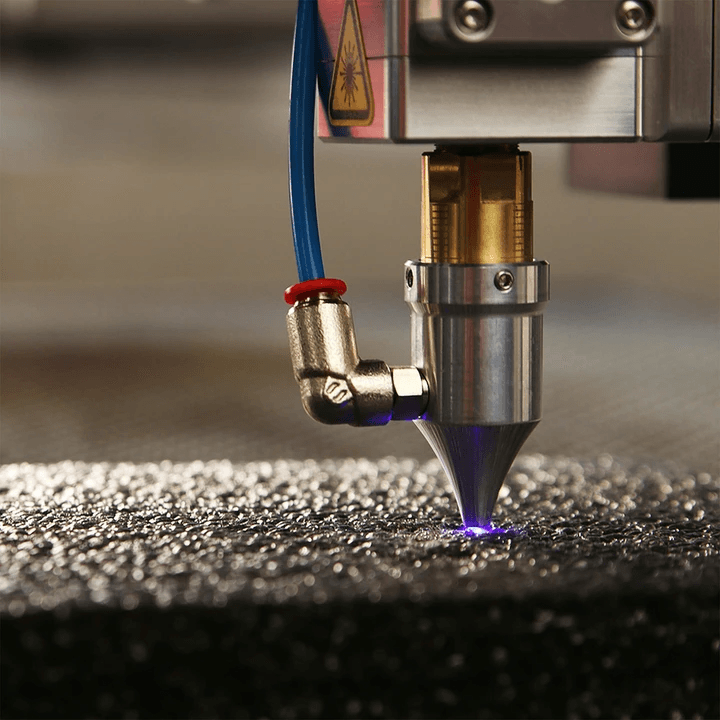
Single-layer nozzles are the classic workhorses of laser cutting machines, offering a straightforward design that focuses on delivering a precise jet of gas to assist in cutting. They are typically made with a single, uniform layer, which simplifies manufacturing and maintenance processes. Understanding how to choose the nozzle of a laser cutting machine often begins with knowing the benefits and limitations of a single-layer laser nozzle compared to its double-layer counterpart.
While both single-layer nozzles and double-layer laser nozzles serve similar purposes, their structural differences significantly impact performance. The single layer design is usually more cost-effective and easier to replace or repair, making it popular for various applications. When considering whether to opt for a single layer laser nozzle or explore other options, it's crucial to weigh factors like material type, thickness, and desired cut quality.
In terms of durability and efficiency, single-layer nozzles generally excel in standard operations but may face limitations when dealing with complex or thicker materials. This is where understanding the nuances between Single-Layer Nozzle vs Double-Layer Nozzle becomes essential for making an informed choice. For those wondering how to choose the nozzle of a laser cutting machine effectively, evaluating these differences can lead to better long-term results.
Overview of Double-Layer Nozzles
Double-layer laser nozzles are an innovative step up from their single-layer counterparts, offering enhanced performance for specific cutting needs. These nozzles feature a two-tiered construction that allows for better heat management and more precise airflow control. When considering how to choose the nozzle of a laser cutting machine, understanding the advantages of a double layer laser nozzle becomes crucial, especially when dealing with complex or high-volume tasks.
What Is a Double-Layer Laser Nozzle
A double-layer laser nozzle is designed with two concentric layers that work together to optimize the flow of assist gases during cutting processes. Unlike a single layer laser nozzle, which has one uniform opening, the double-layer design provides separate channels that can be tailored for specific materials or thicknesses. This structure allows operators to fine-tune their equipment, making it easier to choose the right nozzle for different applications and ensuring better cut quality.
Benefits of Double-Layer Laser Nozzles
One key benefit of a double layer laser nozzle is its ability to improve cutting efficiency by maintaining consistent gas pressure across various materials and thicknesses. This makes it easier to compare single-layer vs double-layer nozzles in terms of performance, as the latter often delivers cleaner cuts with less slag buildup. When learning how to choose the nozzle of a laser cutting machine, considering a double layer laser nozzle can lead to increased precision and reduced operational costs over time.
Typical Applications for Double-Layer Nozzles
Double layer laser nozzles excel in industries where high-quality cuts are essential, such as aerospace or automotive manufacturing. They are particularly useful when working with thicker metals or materials requiring intricate detail because they provide better gas flow control than single layer laser nozzles. If your business involves frequent switching between different material types and thicknesses, understanding when and how to select a double-layer nozzle will help optimize your workflow and output quality.
Key Differences Between Single-Layer and Double-Layer Nozzles
Understanding the distinctions between single-layer and double-layer laser nozzles is crucial when figuring out how to choose the nozzle of a laser cutting machine. These two designs serve different purposes and excel in various scenarios, making it essential to know their unique features before making a purchase. Making an informed decision can significantly impact your cutting quality, operational efficiency, and long-term costs.
Structural Design and Construction
The core difference between a single-layer nozzle vs double-layer nozzle lies in their structural design. A single layer laser nozzle is straightforward—composed of one piece that directs the laser beam and assist gases through a single opening or series of openings. In contrast, a double layer laser nozzle features an additional layer or chamber that offers improved control over gas flow and protection for the internal components, often resulting in enhanced durability.
When choosing how to choose the nozzle of a laser cutting machine, understanding these structural nuances helps determine which design offers better longevity for your specific application. The double layer laser nozzle tends to be more complex but provides better resistance against wear and tear, especially in demanding industrial environments. Meanwhile, the simplicity of a single layer nozzle makes it easier to replace or repair, appealing for lighter or less intensive use.
Performance and Efficiency
Performance differences are where the real game begins in Single-Layer Nozzle vs Double-Layer Nozzle comparisons. A single-layer nozzle typically delivers adequate performance for standard cutting tasks with moderate speeds and thicknesses but might fall short under high-speed or thick material conditions. On the other hand, a double layer laser nozzle enhances efficiency by optimizing gas flow dynamics, leading to cleaner cuts with fewer imperfections.
Choosing how to choose the nozzle of a laser cutting machine hinges on understanding these performance metrics—double layer designs often provide more precise control over gas pressure and distribution, resulting in improved cut quality at higher speeds. This means that if your operations demand high productivity without sacrificing accuracy, investing in a double layer laser nozzle could be worthwhile. It’s all about matching your needs with the right technology for optimal results.
Cost and Maintenance Considerations
Cost considerations are inevitable when comparing Single-Layer Nozzle vs Double-Layer Nozzle options; generally speaking, double-layer designs tend to be more expensive upfront due to their complex construction materials and manufacturing processes. However, they often require less frequent maintenance because they withstand wear better under tough working conditions—potentially reducing long-term expenses.
When learning how to choose the nozzle of a laser cutting machine effectively, factoring in maintenance costs becomes vital—double layer laser nozzles can save money over time thanks to their durability but may have higher initial investment costs. Conversely, single-layer nozzles are more budget-friendly initially but might need replacement sooner if used extensively on abrasive materials or at high speeds. Balancing these factors ensures you select an option aligned with your budget while maintaining operational efficiency.
Suitability for Different Materials
Material compatibility plays a pivotal role when evaluating whether you should opt for a single-layer or double-layer design during your process planning stage—this is key information on how to choose the nozzle of a laser cutting machine effectively. Single-layer nozzles work well with thinner metals like aluminum sheets or mild steel where precision is critical but not overly demanding on gas flow control.
Double layer laser nozzles excel when working with thicker materials such as stainless steel plates or composites that require consistent gas distribution across larger areas for clean cuts without burn marks or warping issues. Their enhanced structure allows them to handle diverse material types efficiently while maintaining consistent performance levels across different applications—a true boon if versatility is part of your business model.
Compatibility with Various Laser Cutting Machines
Finally, compatibility considerations should not be overlooked—they are fundamental when deciding between Single-Layer Nozzle vs Double-Layer Nozzle options tailored for specific machinery models or brands like Kiant Machinery’s offerings. Some machines are designed specifically around one type of nozzle; thus understanding how each fits into your existing equipment setup is crucial before making any purchase decisions.
Double layer lasers generally offer broader compatibility due to their adaptable design features but may require specific fittings or adjustments during installation—adding complexity but increasing flexibility overall. Conversely, single-layer nozzles tend to be more straightforward plug-and-play options suitable for standard models where ease of replacement matters most—making them ideal if you’re new at learning how to choose the nozzle of a laser cutting machine without extensive technical modifications involved.
How to Choose the Nozzle of a Laser Cutting Machine
Choosing the right nozzle for your laser cutting machine can feel like navigating a maze — but with a clear plan, you’ll find your way easily. The key is understanding your specific needs and how different nozzle types, like the Single-Layer Nozzle vs Double-Layer Nozzle, perform under various conditions. Making an informed decision ensures optimal cutting quality, efficiency, and long-term savings.
Assessing Your Material Types and Thickness
The first step in how to choose the nozzle of a laser cutting machine is evaluating your material types and thicknesses. Thin metals or plastics often require precision-focused nozzles such as single-layer laser nozzles that provide cleaner cuts with minimal kerf width. Conversely, thicker materials might benefit from double layer laser nozzles, which deliver better heat dissipation and stability during heavy-duty cuts.
Understanding whether you're working with delicate acrylics or robust steel will help determine if a single-layer nozzle vs double-layer nozzle suits your needs best. Thicker materials tend to generate more heat, so opting for a double layer laser nozzle can prevent warping or incomplete cuts over time. Essentially, matching your material profile with the appropriate nozzle type is crucial for achieving flawless results.
Evaluating Cutting Speed and Precision Needs
Next up in how to choose the nozzle of a laser cutting machine: consider your required cutting speed versus precision levels. If rapid production is essential but fine detail isn’t critical, a single-layer laser nozzle often hits the sweet spot by offering faster airflow and easier maintenance. However, when intricate designs or tight tolerances are involved, double layer laser nozzles provide enhanced stability and accuracy.
The choice between these two depends heavily on whether you prioritize speed over finesse or vice versa. Double layer nozzles tend to reduce vibrations and improve beam focus consistency—perfect for high-precision tasks—while single-layer options excel in quick turnaround scenarios where detail isn’t paramount.
Considering Long-Term Maintenance and Costs
When pondering how to choose the nozzle of a laser cutting machine, don’t forget about maintenance costs down the line. Single-layer nozzles are generally simpler in design; they’re easier to clean and replace but might wear out faster under intense use compared to double layer lasers that are built for durability.
Double layer laser nozzles often come with higher upfront costs but can save money over time by reducing downtime due to fewer replacements or repairs. Balancing initial investment against ongoing maintenance expenses will help determine which type offers better value aligned with your operational demands.
Matching Nozzle Types with Kiant Machinery Equipment
Matching your chosen nozzle type with Kiant machinery equipment requires understanding compatibility features thoroughly. Many Kiant machines support both single-layer laser nozzles and double layer variants; however, each model’s specifications dictate optimal choices depending on application scope.
For example, if you operate on high-volume production lines involving diverse materials, investing in a double layer laser nozzle might maximize efficiency while maintaining consistent quality across jobs. Always consult Kiant’s technical guides or support teams—they know exactly which option fits best within their machinery ecosystem when considering single-layer vs double-layer options.
Expert Tips for Optimal Nozzle Selection
Finally, here’s some insider advice on making the best choice between Single-Layer Nozzle vs Double-Layer Nozzle: always tailor your selection based on real-world testing tailored to your specific applications! Don’t assume one size fits all—try different configurations if possible before committing long-term.
Additionally, keep an eye on future trends; advancements in dual-nozzle technology could soon make hybrid solutions more accessible—so stay ahead by choosing adaptable options now! When unsure whether you should go for a single layer or double layer solution, consulting industry peers or Kiant Machinery experts can provide invaluable insights into what works best for similar businesses.
Real World Examples of Nozzle Performance
In the competitive world of laser cutting, choosing between a Single-Layer Nozzle vs Double-Layer Nozzle can make or break your efficiency. Companies like Kiant Machinery have tested both options to optimize their production lines, revealing that the right nozzle choice depends heavily on specific project needs. Understanding how to choose the nozzle of a laser cutting machine is crucial for achieving precision, speed, and cost-effectiveness in real-world scenarios.
Kiant Machinery’s Use of Single-Layer Nozzles
Kiant Machinery has successfully integrated single-layer laser nozzles into their standard operations, especially for thinner materials where high precision is essential. These single layer laser nozzles excel at providing clean cuts with minimal kerf width, making them ideal for detailed work. When comparing Single-Layer Nozzle vs Double-Layer Nozzle in their projects, the single-layer option often offers better maneuverability and lower maintenance costs.
In situations where rapid turnover and quick adjustments are needed, Kiant Machinery favors single-layer nozzles due to their straightforward design and ease of replacement. This choice aligns with their goal to deliver high-quality cuts without sacrificing speed or increasing operational costs. If you're wondering how to choose the nozzle of a laser cutting machine for similar applications, considering a single layer laser nozzle might be your best bet for intricate designs.
Case Studies on Double-Layer Laser Nozzle Efficiency
Several case studies highlight that double-layer laser nozzles can outperform single-layer counterparts when handling thicker or more challenging materials. For example, in heavy-duty industrial applications, double layer laser nozzles provide enhanced stability and better heat dissipation—key factors when comparing Single-Layer Nozzle vs Double-Layer Nozzle performance under demanding conditions. Their layered structure minimizes deformation and prolongs lifespan during extended use.
In one notable case, a manufacturing plant switched from a single layer laser nozzle to a double-layer version to improve cut quality on thick steel sheets. The results showed increased efficiency with fewer reworks needed due to cleaner cuts and reduced nozzle wear over time. If you're trying to figure out how to choose the nozzle of a laser cutting machine for such tough tasks, double layer laser nozzles offer significant advantages worth considering.
Industry Feedback and User Experiences
Feedback from industry users consistently points out that choosing between Single-Layer Nozzle vs Double-Layer Nozzle depends largely on application specifics and material types. Users working with delicate or thin materials report higher satisfaction with single-layer options because they deliver precise cuts without excessive heat buildup. Conversely, operators dealing with thicker metals often prefer double-layer laser nozzles for durability and consistent performance over long periods.
Many users emphasize that understanding how to choose the nozzle of a laser cutting machine involves assessing material thicknesses and desired cut quality—factors that heavily influence whether they opt for single or double layers. Industry feedback also suggests that investing in versatile nozzles capable of switching between modes can save costs while maintaining flexibility across different projects. Overall, real-world experiences confirm that selecting the right type hinges on balancing performance needs against maintenance considerations.
Conclusion
Choosing the right laser nozzle is a crucial decision that can significantly impact your business’s efficiency, quality, and overall profitability. Whether you're weighing the benefits of a Single-Layer Nozzle vs Double-Layer Nozzle, understanding how to choose the nozzle of a laser cutting machine becomes essential for optimal results. By considering your specific material needs, cutting speed requirements, and long-term maintenance costs, you can make an informed choice that aligns perfectly with your operational goals.
Looking ahead, future trends in laser nozzle technology are poised to bring innovations like enhanced durability, smarter designs, and increased compatibility with evolving machinery. The Double Layer laser nozzle continues to gain popularity for its superior performance in demanding applications, while the Single Layer laser nozzle remains favored for its simplicity and cost-effectiveness. Staying updated on these advancements will help you stay competitive and ensure your investment remains future-proof.
Kiant Machinery is committed to supporting your nozzle needs by providing expert guidance on how to choose the nozzle of a laser cutting machine tailored specifically to your industry. Whether you opt for a Single-Layer Nozzle vs Double-Layer Nozzle or need assistance selecting the best fit for your equipment, Kiant Machinery offers comprehensive solutions backed by years of experience. Trust us to help you navigate this technical landscape and optimize your cutting operations effectively.