
Introduction
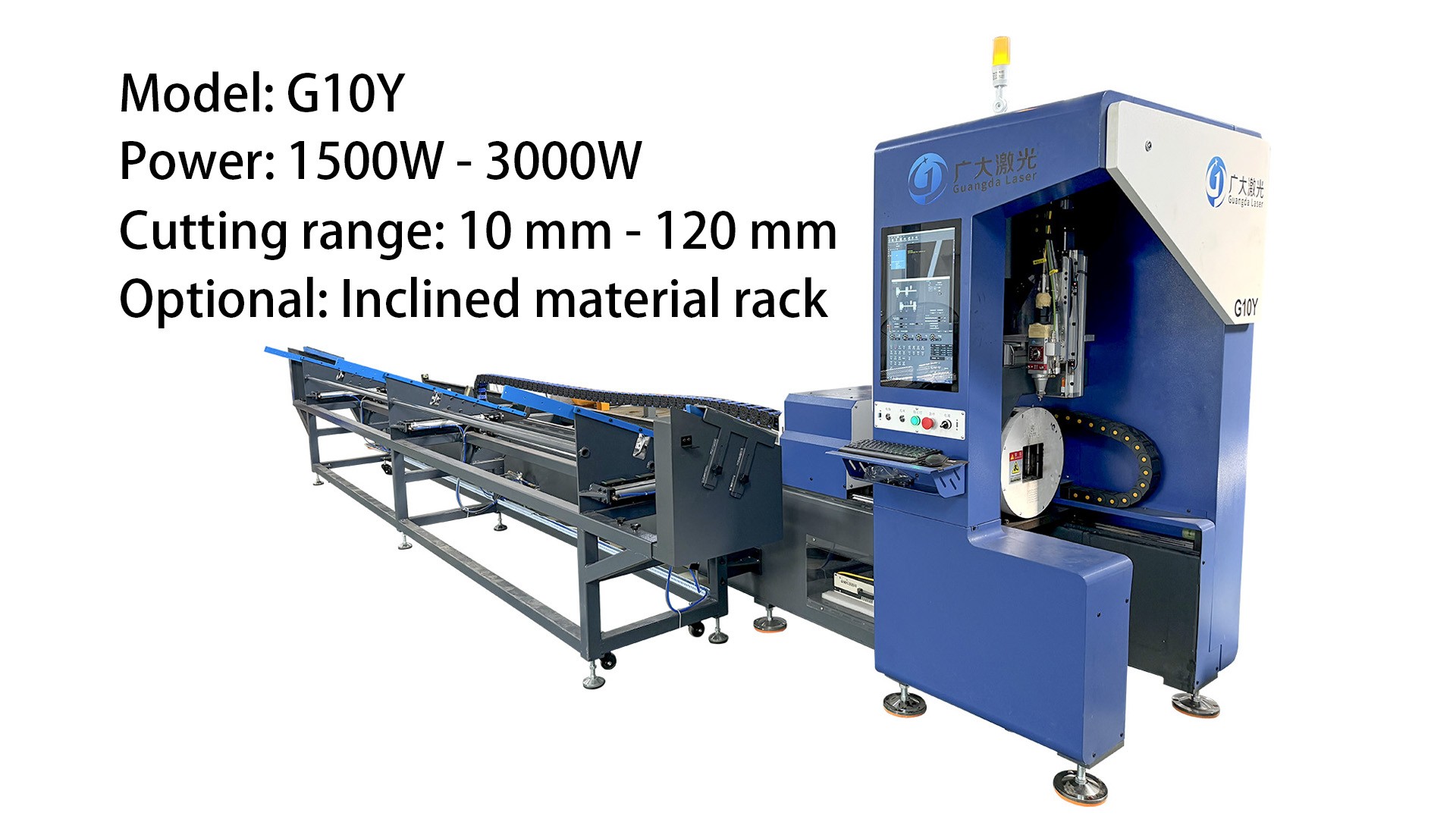
In the ever-evolving world of manufacturing, tube laser cutting machines have emerged as a game-changer, revolutionizing the way we approach metal fabrication. These advanced laser cutting machines offer unparalleled precision and efficiency, making them essential for businesses looking to enhance their production capabilities. Understanding how these machines operate and their impact on metal cutting processes is crucial for anyone involved in manufacturing.
Understanding Tube Laser Cutting Systems
Tube laser cutting systems utilize focused laser beams to cut through various materials with exceptional accuracy. Unlike traditional cutting methods, which can be slow and imprecise, a cutting machine laser can achieve intricate designs in a fraction of the time. This technology not only streamlines production but also reduces waste, making it an attractive option for manufacturers aiming to optimize their operations.
Importance of Production Optimization
Production optimization is vital for staying competitive in today’s fast-paced market. By incorporating tube laser cutting machines into your workflow, you can significantly increase throughput while maintaining high-quality standards in machine cut metal products. The ability to efficiently process materials allows businesses to respond swiftly to customer demands and adapt to changing market conditions.
Key Factors in Selecting Machines
From understanding the differences between fiber and CO2 lasers to evaluating speed and precision features, each aspect plays a crucial role in determining the best fit for your needs. Additionally, assessing software compatibility and ease of use can greatly influence how effectively your team utilizes this advanced laser machinery.
Types of Tube Laser Cutting Machines
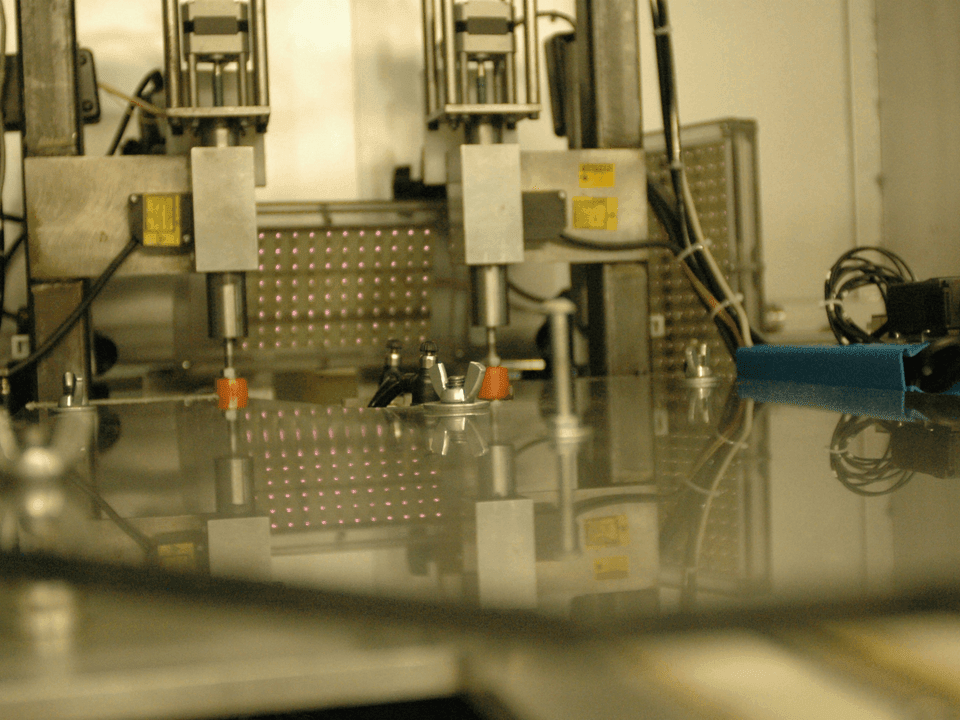
The market offers a variety of laser cutting technologies, each with its own advantages and applications. This section will explore the differences between fiber lasers and CO2 lasers, delve into the benefits of automated systems, and provide guidance on selecting the right model tailored to your specific needs.
Fiber Laser vs. CO2 Laser Technology
Fiber lasers have emerged as a favorite in metal cutting due to their efficiency and precision. Unlike traditional CO2 laser technology, which relies on gas for beam generation, fiber lasers use optical fibers doped with rare-earth elements to produce a high-quality beam that can cut through various metals with ease. The result? Faster processing speeds and lower operational costs—making fiber laser machines an increasingly popular choice among manufacturers looking to enhance their tube laser cutting capabilities.
On the other hand, CO2 lasers still hold their ground in specific applications, particularly when working with non-metal materials like plastics or wood. However, when it comes to machine cut metal, fiber lasers often outperform their CO2 counterparts in terms of speed and energy consumption. Ultimately, understanding these differences will help you make an informed decision based on your material requirements and production goals.
Advantages of Automated Systems
Automated systems in tube laser cutting machines bring a host of benefits that can significantly elevate your production line's efficiency. One major advantage is reduced labor costs; automation minimizes the need for manual intervention during operation while maintaining consistent quality across all cuts. Additionally, automated cutting machines are designed to optimize workflow by integrating seamlessly with other machinery—ensuring that your metal cutting process runs smoothly from start to finish.
Moreover, automated systems often come equipped with advanced software capabilities that allow for real-time monitoring and adjustments during the cutting process. This not only enhances precision but also reduces waste generated from errors or miscalculations—a win-win scenario for any manufacturer looking to maximize productivity while minimizing material costs. With these advantages in mind, investing in an automated tube laser cutting machine could be one of the smartest moves you make for your business.
Choosing the Right Model for Your Needs
Selecting the right model among various tube laser cutting machines can feel overwhelming given the multitude of options available today. To narrow down your choices effectively, begin by assessing your specific production needs: consider factors such as volume requirements, types of materials you'll be working with (including thickness), and whether you plan on expanding operations in the future. By identifying these key parameters upfront, you can streamline your search for a suitable machine cut metal solution.
Next up is evaluating features that matter most to you—be it speed capabilities or software compatibility—ensuring they align with both current operations and future aspirations within your business strategy. Don’t forget about support services either; partnering with reputable manufacturers who offer training and ongoing assistance can greatly enhance your experience post-purchase! In conclusion, taking time to choose wisely ensures that you invest wisely in a machine that meets all aspects of performance without breaking the bank.
Evaluating Laser Cutting Machine Features
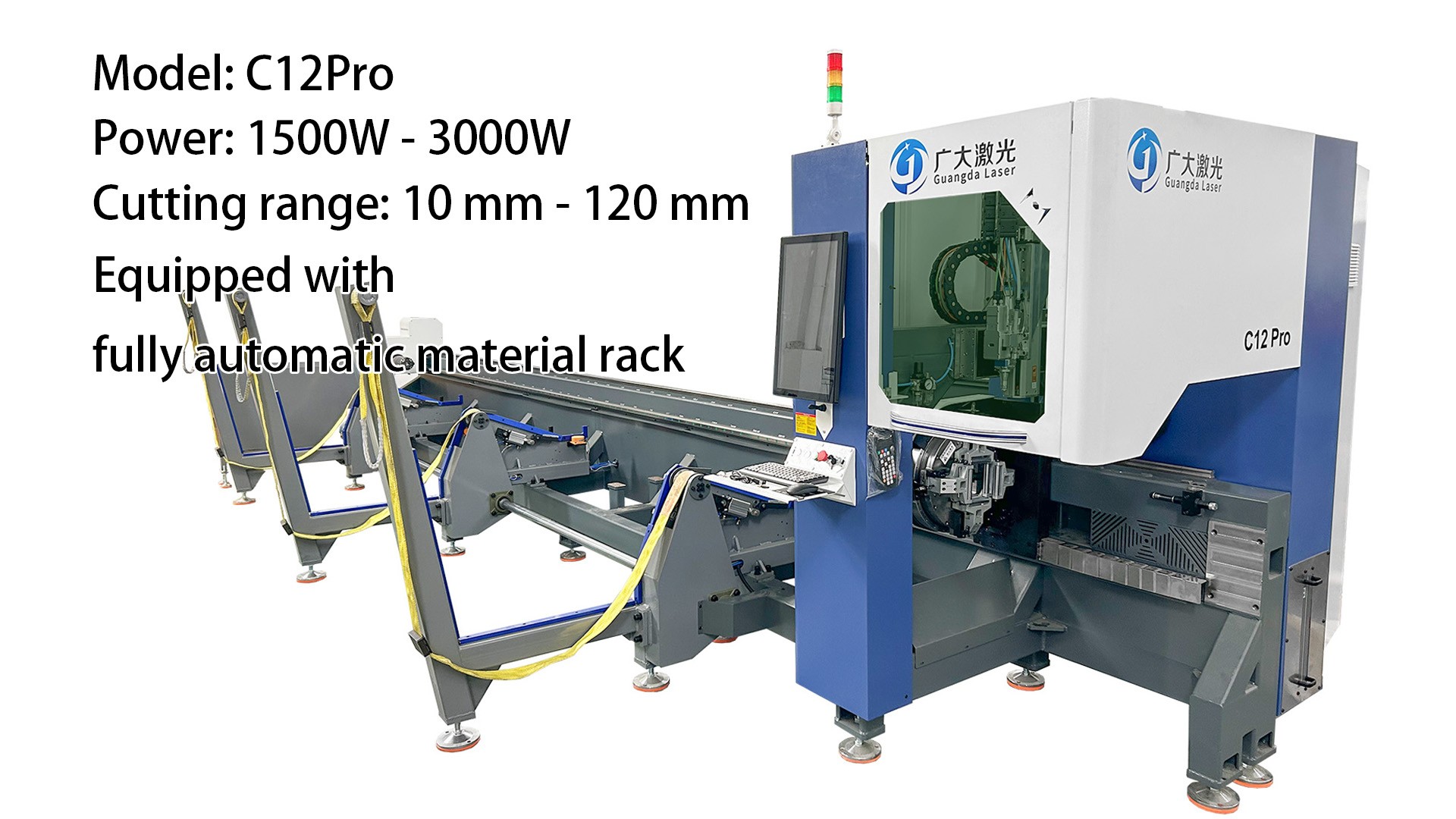
The performance of a metal cutting machine can significantly impact your production efficiency and overall output quality. In this section, we’ll delve into the essential aspects that define a top-notch laser cutting machine, focusing on cut quality and precision, speed and efficiency, as well as software compatibility.
Cut Quality and Precision
Cut quality and precision are paramount when choosing a cutting machine laser for your operations. High-quality tube laser cutting machines should deliver clean edges with minimal burrs, ensuring that the finished product meets your specifications without requiring extensive post-processing. Precision in laser cutting not only enhances aesthetic appeal but also plays a vital role in maintaining tight tolerances that are often essential in industries like automotive or aerospace.
The ability to achieve consistent cut quality over time is another factor to consider. If your metal cutting machine can maintain its precision across various materials and thicknesses, you’ll enjoy greater flexibility in production without sacrificing quality. Ultimately, investing in a reliable laser cutting machine ensures that every piece of cut metal contributes positively to your bottom line.
Speed and Efficiency in Metal Cutting
Speed and efficiency are critical metrics when assessing any laser machinery intended for high-volume production environments. The faster your tube laser cutting machines can operate without compromising on quality, the more cost-effective they become over time. A high-speed metal cutting machine allows businesses to meet tight deadlines while maximizing throughput—an essential consideration for those competing in today’s fast-paced market.
Additionally, efficient energy consumption is an important feature to evaluate when selecting a laser cutting machine. Machines designed with energy-saving technologies can help reduce operational costs while still delivering impressive performance levels during metal cutting tasks. This balance between speed and efficiency ultimately leads to improved productivity and profitability for businesses invested in advanced manufacturing solutions.
Software Compatibility and Ease of Use
In today’s technologically advanced landscape, software compatibility plays an integral role in maximizing the potential of any laser machinery you choose to implement. A user-friendly interface paired with robust design software can streamline the entire process from design conception through to final production cuts on your tube laser cutting machines. When operators find it easy to navigate through programs or integrate existing systems into new machinery, downtime is minimized.
Moreover, consider how easily updates or new features can be integrated into the software system of your chosen metal cutting machine. Flexibility for future upgrades ensures that you won’t be stuck with outdated technology as advancements occur within the industry landscape—keeping you competitive at all times! Ultimately, investing in a laser cutting machine with excellent software compatibility helps enhance productivity while reducing errors during operation.
Assessing Production Requirements
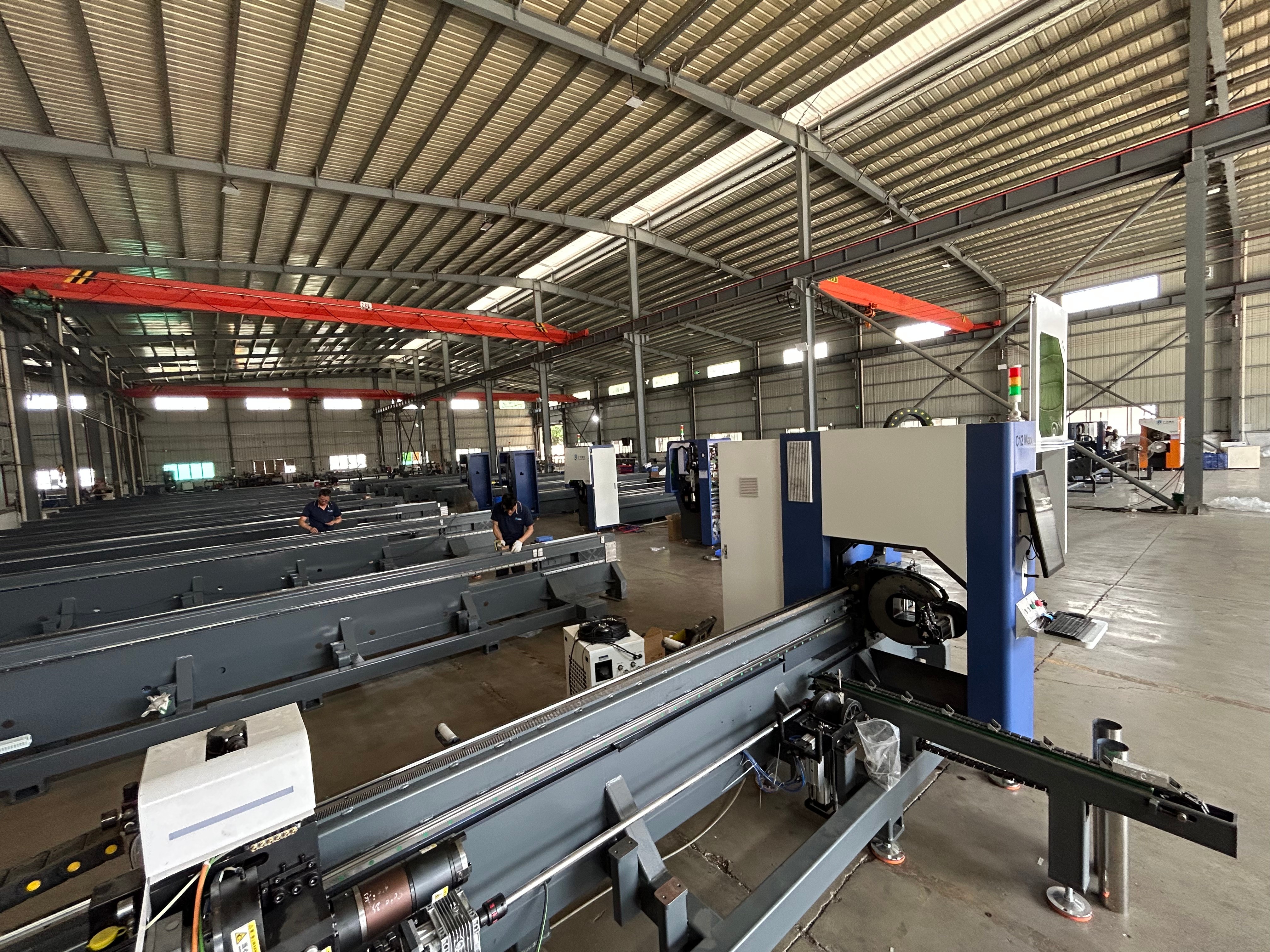
This involves evaluating the volume and scale of your operations, the types of materials you’ll be working with, and any future expansion plans you might have. Each of these factors plays a significant role in determining the right laser cutting machine for your needs.
Volume and Scale of Operations
The volume of work you anticipate directly influences your choice of a laser cutting machine. If you're operating on a large scale with high production demands, investing in an advanced machine cut metal system will pay off in terms of efficiency and speed. Conversely, small-scale operations may benefit from more compact or versatile models that can handle varied tasks without overwhelming costs.
Understanding whether you need a machine that can run continuously or one that can handle peak loads is key to optimizing productivity. Automated systems often shine here, as they can manage high volumes with minimal human intervention while maintaining consistent quality in metal cutting. Ultimately, aligning the capabilities of your chosen cutting machine laser with your operational needs ensures smoother workflows and maximizes output.
Material Types and Thickness
Different materials require different approaches when it comes to laser cutting technology. Tube laser cutting machines excel at handling various metals like steel, aluminum, and brass; however, each material has its own unique thicknesses that impact performance. It's essential to choose a laser cutting machine capable of accommodating the specific types and thicknesses you'll be working with to ensure optimal results.
For instance, thicker materials may necessitate more powerful lasers or specialized settings to achieve clean cuts without compromising quality. Additionally, understanding how different materials respond during the cutting process will help you fine-tune your operation for better efficiency and precision. Always consider whether your chosen model can handle potential material variations as well—this flexibility can save time and costs down the line.
Future Expansion Considerations
As industries evolve rapidly, planning for future growth is vital when selecting a metal cutting machine. The right tube laser cutting machines should not only meet current demands but also adapt seamlessly as production scales up or diversifies into new materials or products. Investing in machinery with upgradeable features or modular designs will keep you ahead of competitors who may not have considered their long-term needs.
Moreover, considering potential shifts in market trends—like increased demand for lightweight materials or intricate designs—can inform which technology to adopt today for tomorrow’s challenges. By anticipating these changes now, you'll avoid costly retrofitting later on while ensuring that your investment continues delivering value over time. Embracing forward-thinking strategies allows businesses to leverage their laser machinery effectively as they grow.
Cost-Benefit Analysis
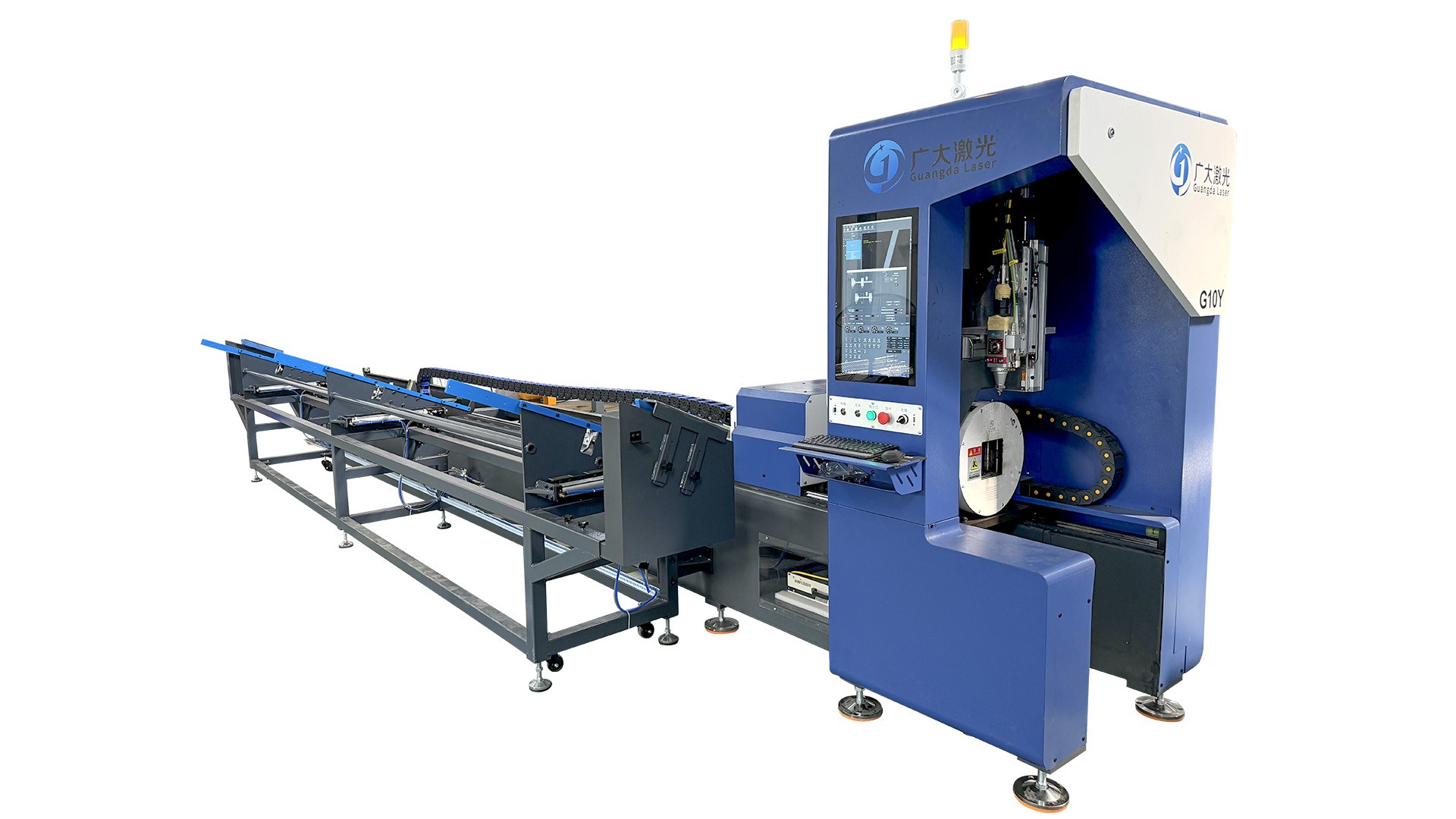
When investing in tube laser cutting machines, a comprehensive cost-benefit analysis is essential to ensure you’re making a financially sound decision. The initial investment can be significant, but understanding the long-term savings can help justify the expense. By evaluating both upfront costs and potential operational efficiencies, businesses can better navigate their choices in laser cutting technology.
Initial Investment vs. Long-Term Savings
The initial investment in a high-quality laser cutting machine may seem daunting, but it’s crucial to consider the long-term savings that come with enhanced efficiency and reduced waste. Tube laser cutting machines often deliver superior cut quality and speed, which translates into increased production rates and lower material costs over time. When you weigh these factors against the upfront price tag, it becomes clear that investing in advanced laser machinery can yield substantial returns.
Moreover, many modern cutting machines are designed with energy efficiency in mind, further reducing operational costs over their lifespan. As your business grows and demands increase, these savings become even more pronounced, allowing for reinvestment into additional equipment or expansion initiatives. Ultimately, making an informed choice about your metal cutting machine today could lead to significant financial benefits tomorrow.
Maintenance and Operational Costs
While considering tube laser cutting machines for your operations, it's vital to factor in maintenance and operational costs alongside the initial purchase price. Regular maintenance is necessary to keep your laser machinery running smoothly; however, many newer models are designed for reduced upkeep due to improved technology and materials used in construction. This means lower downtime and fewer repair expenses over time—an attractive proposition for any business owner.
Operational costs also play a critical role; efficient lasers consume less energy while delivering higher output rates compared to older models or alternative technologies like CO2 lasers. Additionally, automated systems often require less manual labor intervention—freeing up skilled workers for more complex tasks within your operation. By assessing both maintenance needs and ongoing operational expenses of different models of laser cutting machines, you can make a more informed decision that aligns with your budgetary goals.
Performance Metrics that Matter
When evaluating potential tube laser cutting machines for purchase or lease, performance metrics should be at the forefront of your decision-making process. Key indicators such as cut speed, accuracy levels (tolerance), and material versatility are essential factors that will directly impact productivity levels within your facility. A machine that consistently delivers high-quality cuts at impressive speeds will not only enhance workflow but also improve overall output quality—a win-win situation for any metal fabrication business.
Additionally, consider how well the machine integrates with existing software systems used for design or production management; compatibility can significantly influence efficiency gains during operations involving complex geometries or intricate designs on various materials like steel or aluminum sheets. Finally, pay attention to user feedback regarding reliability—machines with a reputation for consistent performance tend to offer better return on investment over time compared to those plagued by frequent issues or downtime.
Partnering with Industry Leaders
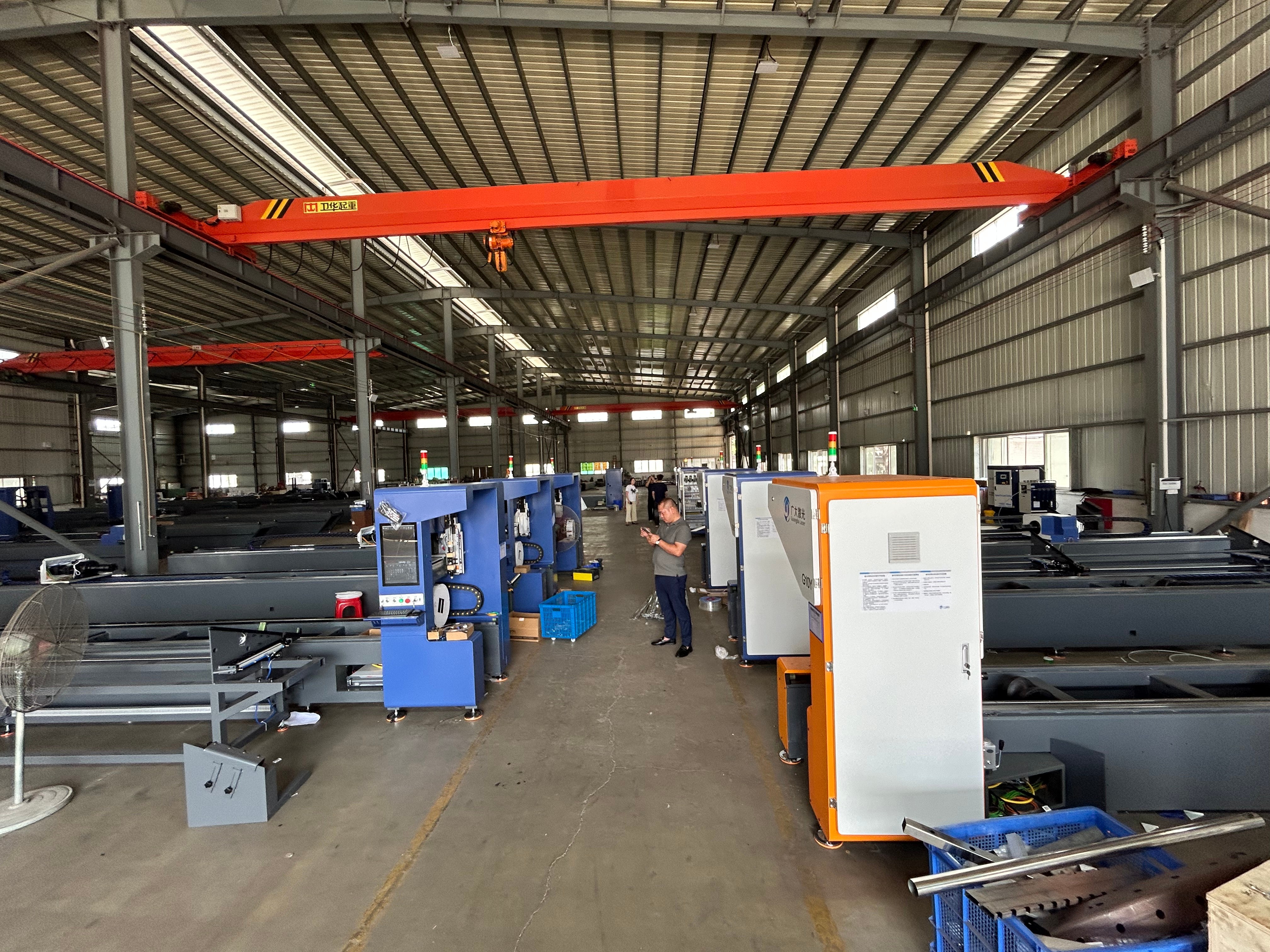
When it comes to selecting a tube laser cutting machine, partnering with industry leaders like Kiant Machinery can make all the difference. These companies not only offer cutting-edge technology but also bring a wealth of experience and expertise to the table. Choosing the right partner ensures that your investment in laser cutting machinery is backed by solid support and guidance.
The Role of Kiant Machinery in Your Choice
Kiant Machinery stands out in the realm of laser cutting machines, providing a diverse range of options tailored for various applications. Their commitment to innovation means that you’ll have access to some of the most advanced tube laser cutting machines available on the market today. By collaborating with such a reputable manufacturer, you can be confident that you’re making an informed choice that aligns with your production needs.
Moreover, Kiant Machinery offers personalized consultations to help you determine which metal cutting machine is best suited for your operations. This level of attention ensures that you’re not just purchasing any machine; you're investing in one that enhances efficiency and productivity in your workflow. With their expertise guiding your decision-making process, you’ll be better equipped to navigate the complexities of modern laser technology.
Service and Support as Key Elements
One of the most critical aspects of investing in a cutting machine laser is ensuring robust service and support from your chosen supplier. Kiant Machinery excels in this area by providing comprehensive after-sales services, which include maintenance plans and troubleshooting assistance for their tube laser cutting machines. This ongoing support is essential for minimizing downtime and maximizing productivity.
Additionally, having access to technical support means that any issues can be resolved quickly, ensuring continuous operation within your facility. You won’t just have a metal cutting machine; you'll have peace of mind knowing expert help is readily available whenever needed. The combination of high-quality machinery and exceptional service creates an environment where businesses can thrive.
Training and Implementation for Success
Investing in a new laser cutting machine isn't just about purchasing equipment; it's also about ensuring that your team knows how to use it effectively. Kiant Machinery places significant emphasis on training programs tailored specifically for their tube laser cutting machines, allowing operators to become proficient quickly and safely. Proper training translates into better cut quality, improved efficiency, and reduced operational errors.
Moreover, effective implementation strategies are crucial when integrating new technology into existing workflows. By working closely with Kiant’s specialists during this phase, businesses can ensure a smooth transition while maximizing their investment's potential benefits from day one. In today's fast-paced manufacturing environment, embracing technology through proper training is key to staying competitive.
Conclusion
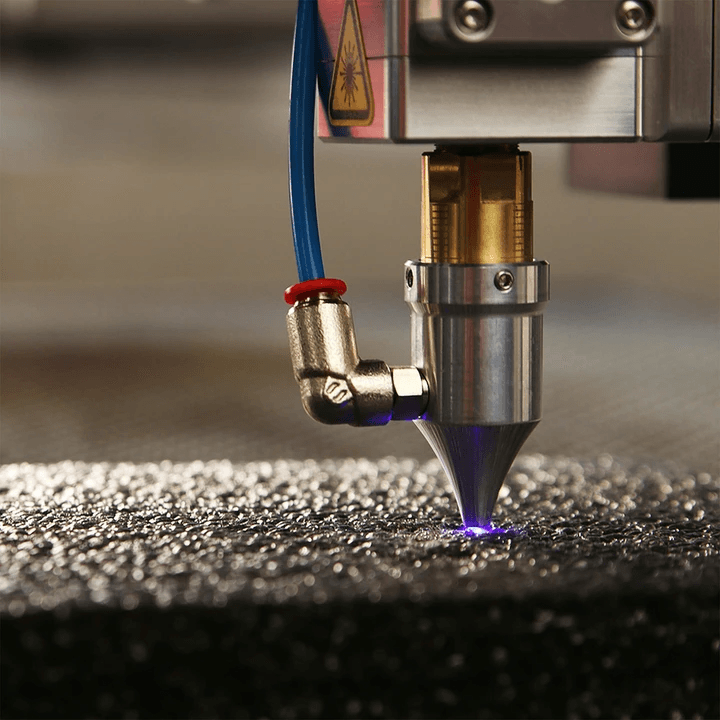
In the ever-evolving landscape of manufacturing, making informed decisions regarding tube laser cutting machines is crucial for success. The right laser cutting machine not only enhances productivity but also ensures that your operations stay competitive in a crowded market. By understanding the intricacies of laser machinery, businesses can align their investments with both current needs and future aspirations.
Making Informed Decisions on Laser Machinery
Selecting the appropriate metal cutting machine involves careful consideration of various factors, including technology, features, and production requirements. With advancements in laser cutting technology, such as fiber lasers and CO2 lasers, businesses must evaluate which option best suits their specific applications. Ultimately, making informed decisions requires a deep dive into the capabilities of different cutting machine lasers to ensure optimal performance and efficiency.
Balancing Cost and Quality in Metal Cutting
When investing in a laser cutting machine, striking a balance between cost and quality is essential for long-term success. While it may be tempting to opt for cheaper options, compromising on quality can lead to higher operational costs down the line due to increased maintenance or subpar cut metal results. Thus, businesses should weigh initial investment against potential savings from improved efficiency and cut quality when choosing tube laser cutting machines.
Embracing Technology for Future Growth
As industries continue to innovate and evolve, embracing advanced technologies like tube laser cutting machines will be key to staying ahead of the competition. Investing in modern laser machinery not only streamlines operations but also opens doors for future expansion into new markets or product lines. By integrating state-of-the-art equipment into your workflow today, you position your business for sustainable growth tomorrow.