
Decorative Work Changes the Standard Immediately
Metal decoration tube cutting is different from purely structural fabrication because the visible result matters as much as dimensional success. Decorative partitions, architectural trim, display structures, and ornamental metalwork all expose the quality of the preparation step. If cuts are inconsistent, the project pays later through extra polishing, extra joint cleanup, or slower alignment during assembly.
That means the buyer should treat finish control as part of the cutting decision, not as a separate finishing problem to solve later.
Look for the Jobs That Generate Cosmetic Rework
A practical review starts with the assemblies that repeatedly come back for touchup. Are visible intersections hard to align cleanly? Do polished or coated decorative pieces need extra cleanup before they are acceptable? Do custom shapes create confusion in part staging? These pain points usually define the real buying criteria better than a general discussion of tube-processing speed.
Why Supplier Discipline Matters in Decorative Work
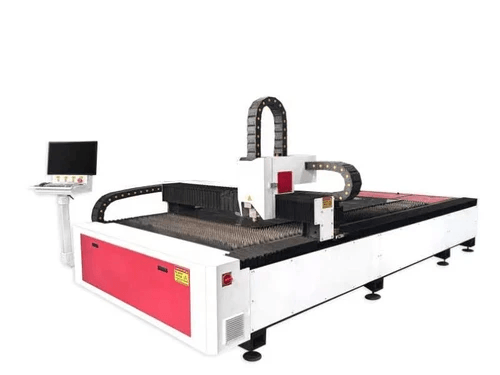
Decorative fabrication often demands careful setup and operator discipline from the start, because visible joints and surface finish expose preparation quality quickly. Kiant's tube-cutting equipment, along with models such as Y90 Store lightweight machine and C12 PRO Max, belongs in the conversation when the buyer is weighing finish control rather than only machine output.
Where Finish-Control Improvements Usually Appear
They appear when visible joints need less correction, when coated parts require less rework before the final stage, and when shops can move from cutting to assembly without losing control of part identity. Decorative tube work often involves smaller batches, higher design sensitivity, and greater customer attention to surface quality. That is why cleaner flow is so valuable here.
Questions Worth Settling Before Equipment Comparison
- Which decorative assemblies create the most visible cleanup after cutting?
- How much labor is tied to polishing, touchup, or joint correction?
- Are the jobs mostly repeat projects, custom one-offs, or a mix?
- Will the plant need stronger staging and identification to keep decorative parts organized?
- How important is installation and training support during workflow change?
Conclusion
Metal decoration tube cutting becomes more valuable when surface-finish control starts earlier in the workflow. Buyers who evaluate visible-joint quality, downstream cleanup, and setup discipline carefully are more likely to choose machinery that improves both efficiency and final appearance.