
The Jig Should Hold Parts, Not Rescue Them
Automotive chassis tube fabrication depends on repeatable preparation because jigs are meant to locate and hold parts, not hide variation from earlier operations. When operators begin using fixture pressure, manual trimming, or repeated checks to close gaps, the factory is paying for unstable part preparation in a way that spreads across the whole line.
This is why chassis-fabrication buyers should evaluate tube processing by fit-up discipline and fixture behavior rather than by machine category alone.
Where the Cost Usually Hides
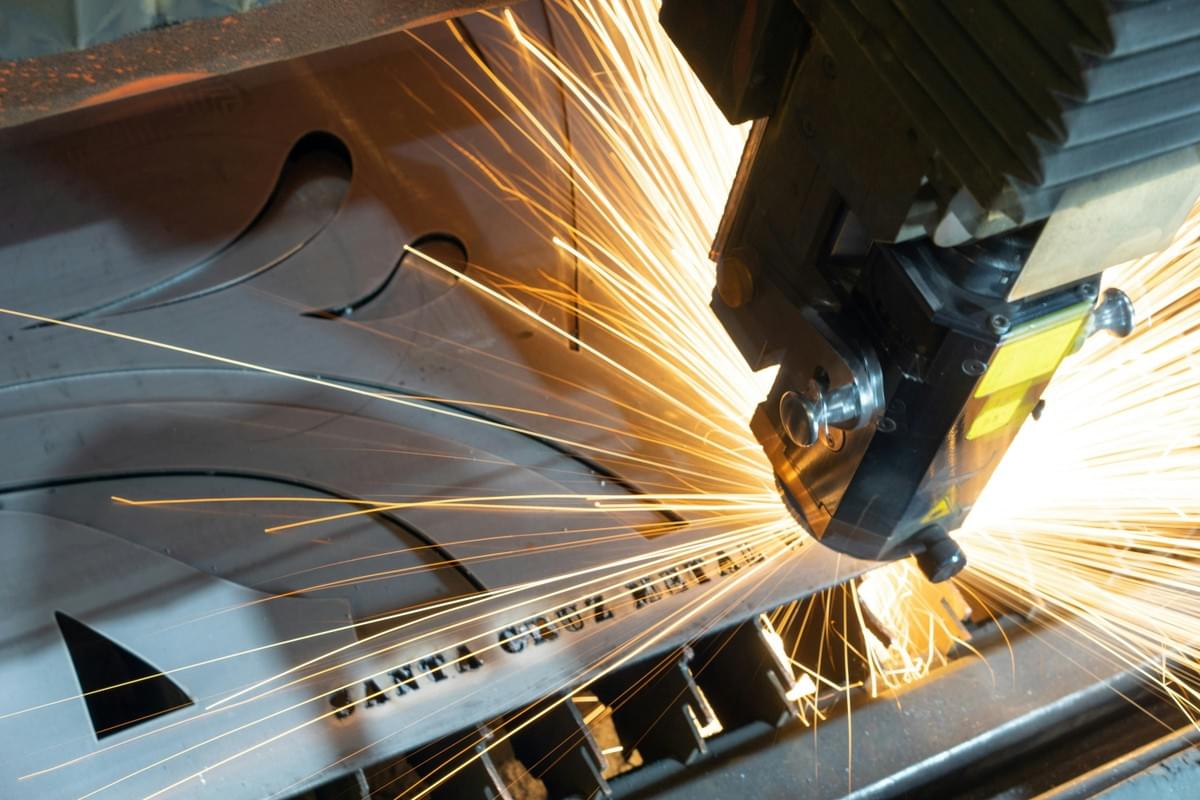
The hidden cost often appears in setup delays, inconsistent tack-up, and extra inspection during repeated chassis assemblies. Some plants notice it first when production speed falls. Others notice it when rework rises or fixture teams complain that parts from one batch do not behave like the last batch. Either way, the root issue is often preparation stability rather than visible machine failure.
The Best Kiant Internal Path for This Topic
Kiant's laser tube cutting machine category is the core internal reference because it is the strongest live category page for chassis-tube topics. Supporting model links such as M12Y Store lightweight machine and C12 PRO Max can be distributed naturally inside the article without repeating a fixed commercial section.
A Chassis-Fabrication Review Framework
- Identify which assemblies create the most fixture correction or re-checking.
- Separate problems caused by preparation variance from problems caused by fixture design.
- Review whether repeated chassis families and prototype work need different workflow assumptions.
- Map which downstream stations feel the effect of unstable cut prep first.
- Decide what level of setup and training support will be needed after installation.
Why Service Support Belongs in a Technical Article
In chassis-related work, the transition to a more disciplined cut-and-fit workflow is not only a machine question. It is also a setup question. Kiant's services page is relevant because buyers often need help stabilizing early production, operator routine, and process handoff. The contact page is also a practical internal link when a team is ready to share sample assemblies or production scenarios.
Industry Perspective Still Points to Workflow
Major tube-processing suppliers commonly describe value through fewer secondary operations and stronger downstream flow. That framing fits chassis fabrication well because the real gain is often fixture stability, reduced correction, and more predictable assembly behavior across the batch.
Conclusion
Automotive chassis tube fabrication becomes more efficient when jigs stop compensating for part variance. Buyers who examine fixture behavior, fit-up consistency, and startup support carefully are more likely to choose machinery that improves real production discipline.