
Introduction
In the realm of modern manufacturing, efficiency and precision are paramount. Enter the pipe laser cutter, a cutting-edge tool that revolutionizes how we approach steel tube laser cutting. This technology has transformed traditional methods of cutting metal, offering unparalleled accuracy and versatility for various applications.
What is a Pipe Laser Cutter
A pipe laser cutter is a specialized machine designed to cut metal tubes and pipes with remarkable precision using laser technology. Unlike conventional cutting tools, which may struggle with intricate shapes or varying thicknesses, this advanced equipment uses focused beams of light to achieve clean cuts on steel sheets and other materials. The result? A seamless integration into workflows where speed and quality are non-negotiable.
Benefits of Using Pipe Laser Cutters
The benefits of using pipe laser cutters are numerous, making them an essential asset in any fabrication shop. First and foremost, these machines provide exceptional accuracy in cuts, which minimizes material waste—a critical factor when working with expensive materials like steel sheet cutting. Additionally, the speed at which these machines operate can significantly enhance production efficiency, allowing businesses to meet tight deadlines without sacrificing quality.
Key Applications of Pipe Laser Cutting
Pipe laser cutting finds its place across various industries due to its adaptability and effectiveness. From automotive manufacturing to construction projects, the ability to perform precise cuts on different types of metal makes it invaluable for creating components that require exact specifications. Furthermore, industries utilizing sheet metal for laser cutting benefit from this technology by producing intricate designs that were once deemed impossible with traditional methods.
Understanding Pipe Laser Cutters
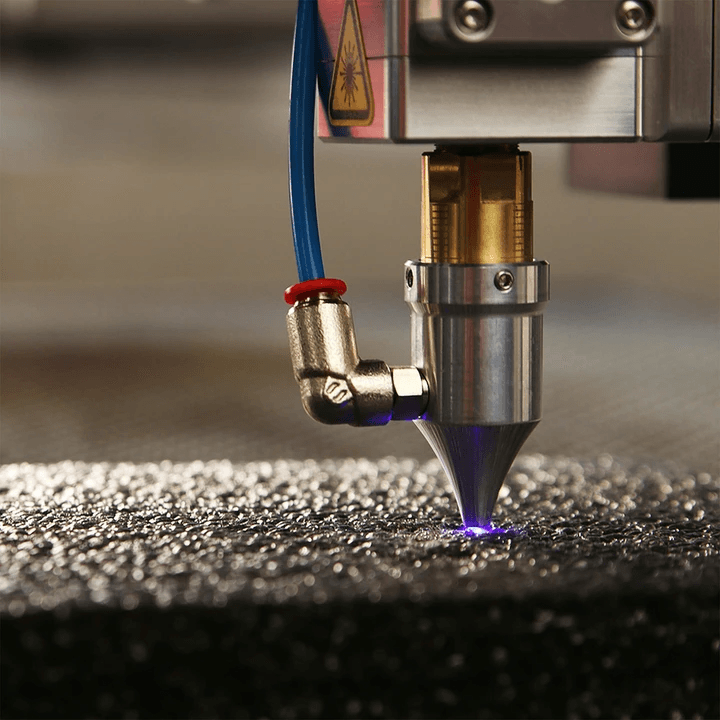
Pipe laser cutters are revolutionizing the way we approach metal fabrication. These machines utilize advanced laser technology to achieve precise cuts in various types of pipe and tube materials, making them an essential tool in modern manufacturing. By understanding how these devices operate, their components, and how they differ from traditional cutting methods, we can appreciate their role in steel tube laser cutting.
How Pipe Laser Cutters Work
At the heart of a pipe cutting laser is a high-powered laser beam that melts or vaporizes the material as it moves along predetermined paths. This process ensures that cuts are not only clean but also incredibly accurate, which is crucial for applications requiring tight tolerances. The cutting laser metal technique allows for intricate designs and complex geometries that would be challenging to achieve with conventional methods.
The operation begins with the setup of the machine, where parameters such as speed, power, and focus are calibrated based on the material type—be it steel sheet cutting or other metals. Once set up, the machine follows a programmed path to execute cuts swiftly and efficiently. This precision makes it ideal for industries where quality and speed are paramount.
Components of a Pipe Laser Cutter
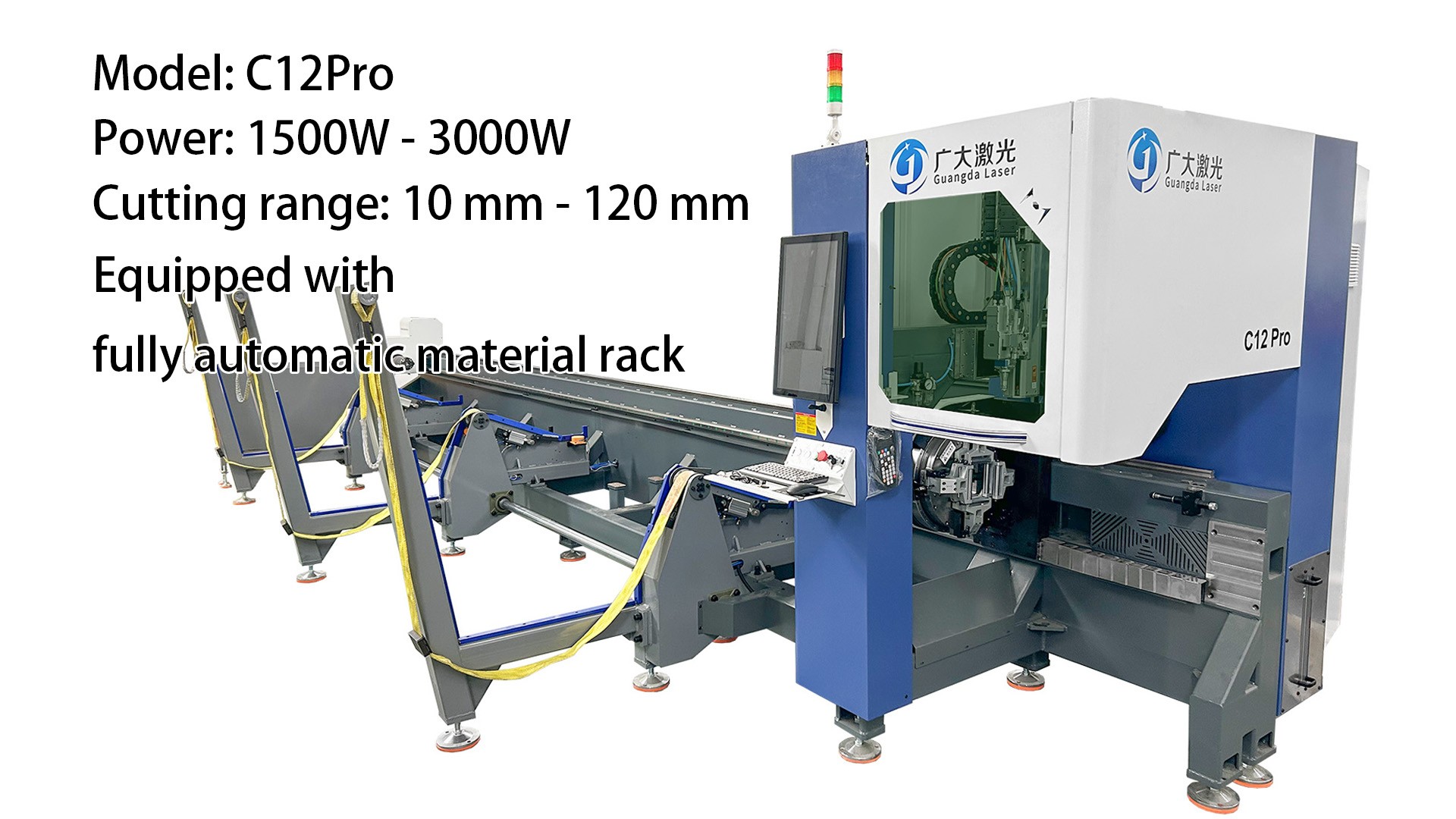
A typical pipe laser cutter consists of several key components that work together seamlessly to deliver outstanding results. The most critical part is the laser source itself, which generates high-intensity light beams capable of penetrating various materials like steel sheets or pipes. Other essential components include optics for beam focusing, a motion system for guiding the cut path accurately, and cooling systems to manage heat generated during operation.
In addition to these core elements, many modern machines come equipped with advanced software that enhances control over the cutting process. This software often includes features for optimizing cuts based on material thickness and type—particularly useful when dealing with different grades of sheet metal for laser cutting or varying diameters of tubes. Understanding these components helps users appreciate why investing in quality machinery pays off in terms of performance.
Differences from Traditional Cutting Methods
When comparing pipe cutting lasers to traditional methods like plasma or oxy-fuel cutting, several distinct advantages emerge that highlight why many industries are shifting towards metal laser cutting service solutions. First off, precision is unmatched; while traditional methods may leave rough edges requiring additional finishing work, steel tube laser cutting creates smooth edges ready for immediate use or assembly.
Additionally, there's a significant reduction in waste when using lasers due to their focused energy output allowing for tighter nesting of parts on sheets—this is particularly beneficial when utilizing sheet metal for laser cutting applications where maximizing material use is critical. Lastly, speed plays an essential role; pipe laser cutters can operate at much faster rates than their traditional counterparts without sacrificing quality—a game changer in high-volume production environments.
Advantages of Steel Tube Laser Cutting
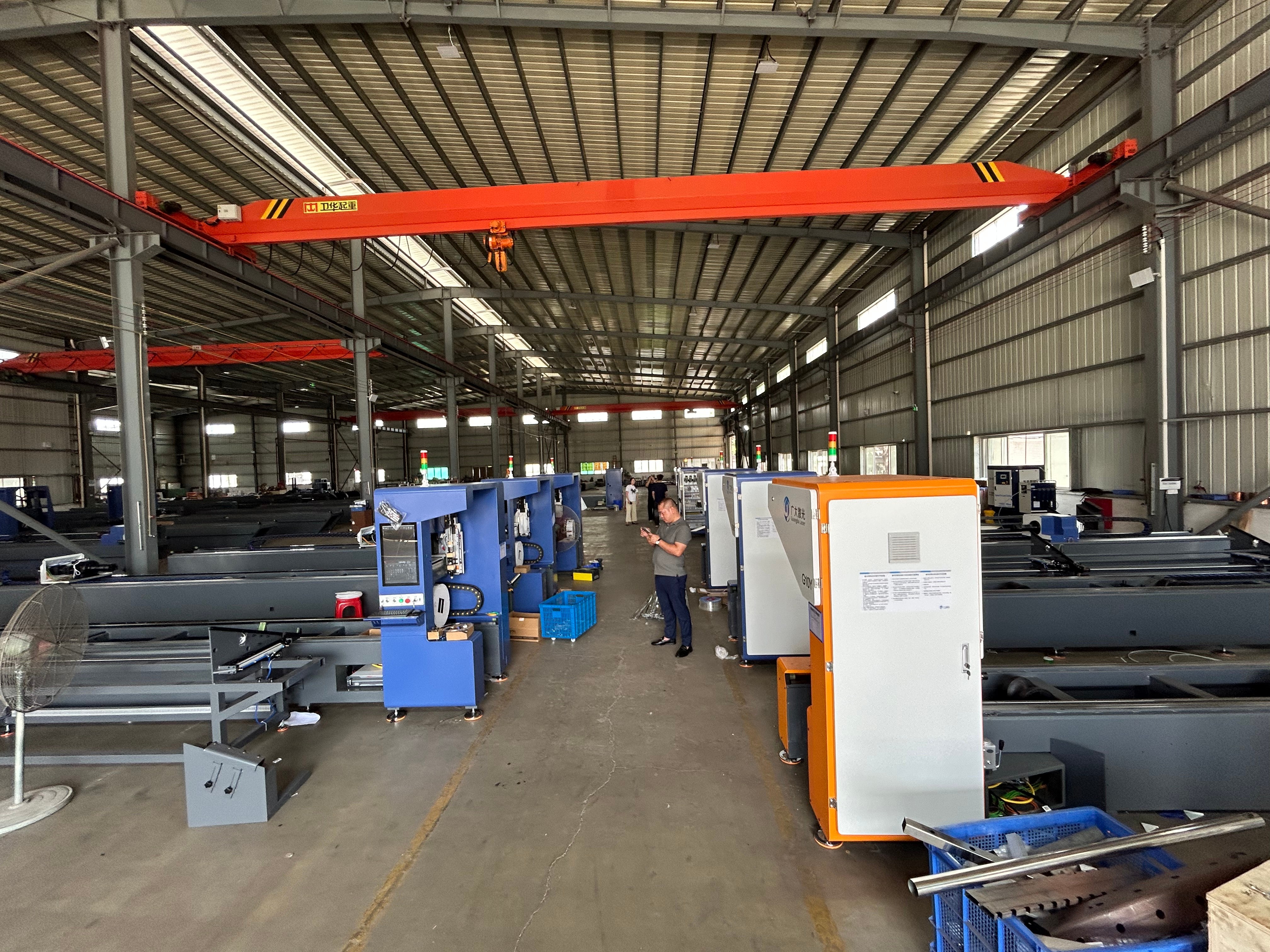
Steel tube laser cutting has revolutionized the way manufacturers approach precision engineering. With its ability to deliver clean, intricate cuts, this technology is a game-changer for various industries. From automotive to construction, the benefits of using laser cutting for steel tubes are numerous and impactful.
Precision and Accuracy in Cuts
One of the standout features of steel tube laser cutting is its unparalleled precision and accuracy in cuts. Unlike traditional methods that can leave jagged edges or require extensive finishing, laser cutting provides a smooth finish right out of the machine. This high level of accuracy is especially crucial when dealing with complex designs or tight tolerances in projects requiring cutting laser metal.
Reducing Waste in Material Use
Another significant advantage of steel tube laser cutting is its efficiency in reducing waste during production. The precision cuts minimize excess material, allowing manufacturers to make the most out of their sheet metal for laser cutting projects. By optimizing material usage, businesses can save on costs while also contributing to more sustainable practices within the metal laser cutting service industry.
Speed and Efficiency of Production
When it comes to speed and efficiency, steel tube laser cutting truly shines. The rapid operation speeds associated with this method mean that projects can be completed faster than with traditional techniques like steel sheet cutting or plasma cutting methods. This efficiency not only accelerates production timelines but also enhances overall productivity, enabling companies to meet tight deadlines without compromising on quality.
Selecting the Right Equipment
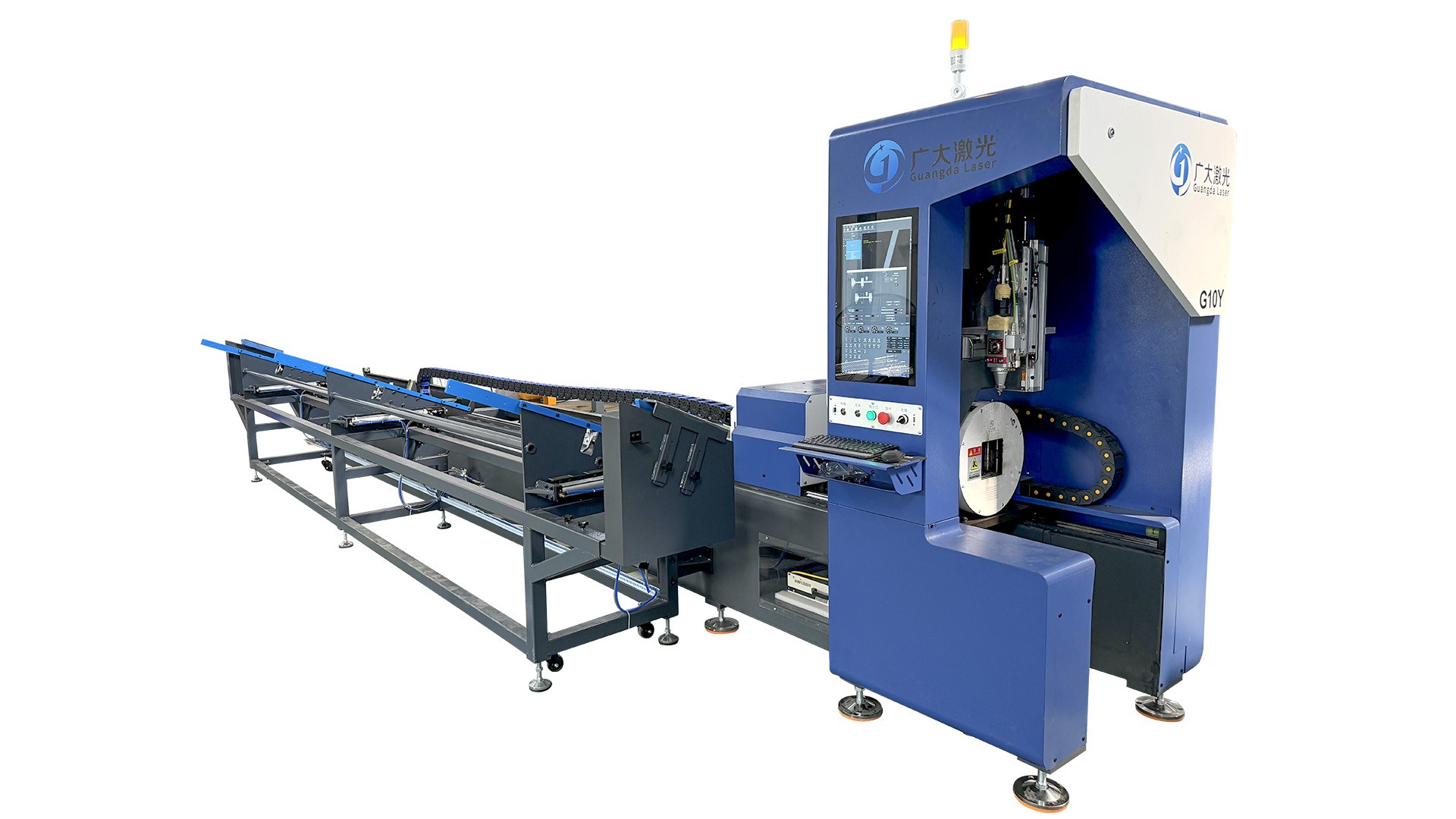
The efficiency and quality of your cuts are directly influenced by the capabilities of your cutting laser metal machinery. Therefore, it’s crucial to consider several factors that will ensure you select the best cutter for your specific needs.
Factors to Consider when Choosing a Cutter
First and foremost, think about the material you’ll be working with. If you're primarily focused on steel sheet cutting or sheet metal for laser cutting, you'll want a machine specifically designed for those materials. Additionally, consider the thickness and type of metal sheets you plan to cut; different machines have varying capabilities when it comes to laser cutting of metal sheets.
Next up is speed and precision—two critical components that can significantly impact production timelines and product quality. A high-speed pipe cutting laser may be essential if you're aiming for quick turnaround times without sacrificing accuracy. Lastly, don't overlook after-sales support and maintenance services; a reliable manufacturer like Kiant Machinery can provide invaluable assistance long after you've made your purchase.
Insights on Kiant Machinery’s Offerings
Kiant Machinery stands out in the market with its impressive lineup of state-of-the-art pipe cutting lasers tailored for various applications. Their machines are designed not only for efficiency but also for user-friendliness, making them accessible even to those new to steel tube laser cutting technology. Moreover, Kiant offers customized solutions that allow users to optimize their setups based on specific project requirements.
One notable feature of Kiant's offerings is their advanced software integration that enhances precision during operation—ideal for those who prioritize accuracy in every cut they make with their cutting laser metal equipment. Plus, they offer comprehensive training programs ensuring operators get up to speed quickly and safely with their new machines. You can trust Kiant Machinery not just as a supplier but as a partner in enhancing your production capabilities.
Comparing Different Brands and Models
While Kiant Machinery has its strengths, it's always wise to compare different brands and models before making a decision on your pipe cutting laser equipment. Look into specifications such as wattage, which affects both speed and thickness capabilities; higher wattage often translates into faster cuts through thicker materials like steel sheet cutting applications.
Additionally, consider user reviews and testimonials regarding reliability and ease of use—these insights can save you from potential headaches down the line when operating complex machinery like those used in metal laser cutting service settings. Finally, don’t forget about pricing; while it may be tempting to go for cheaper options upfront, investing in quality equipment will pay off through improved efficiency and reduced maintenance costs over time.
The Laser Cutting Process Explained
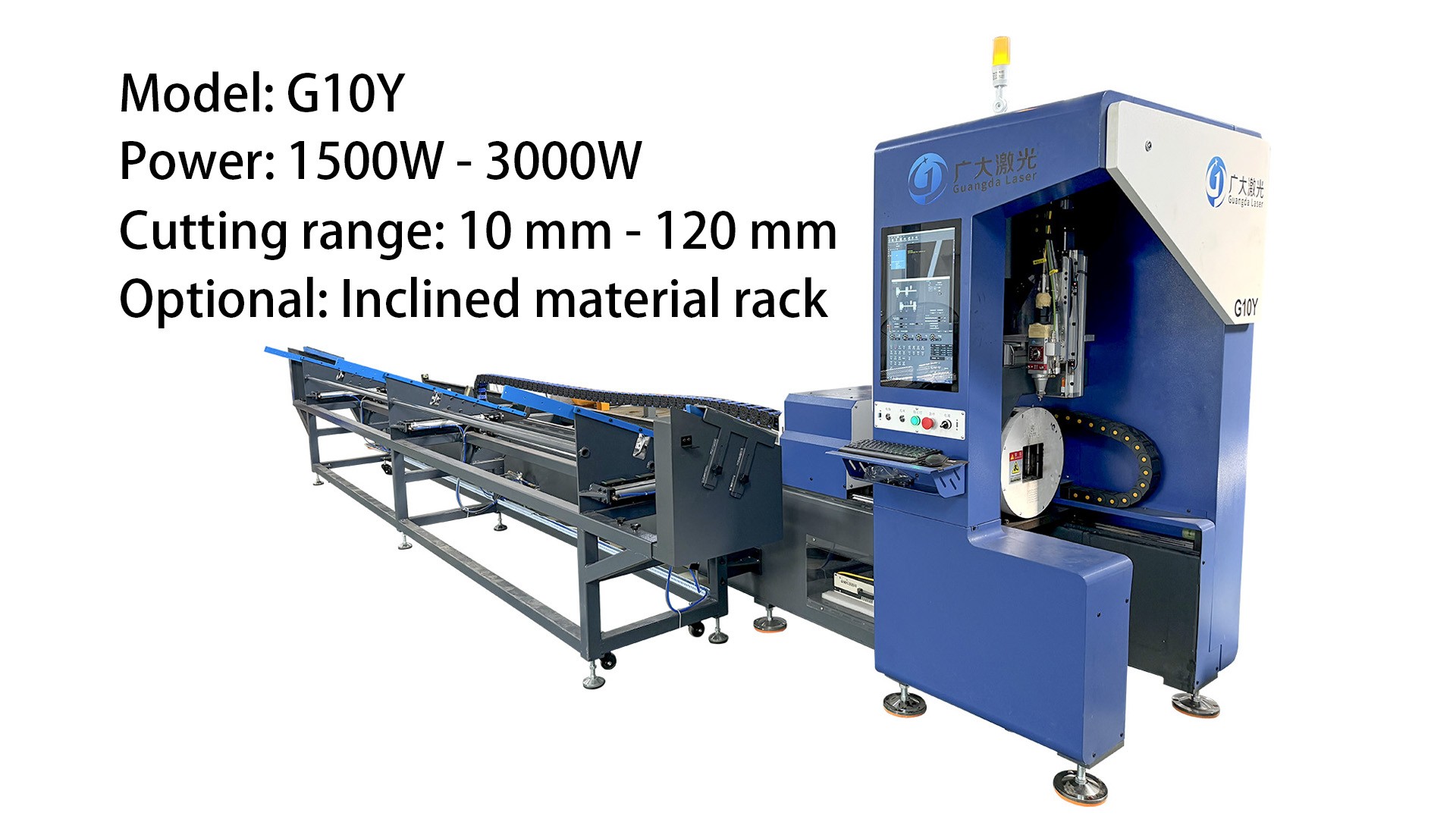
The laser cutting process is a sophisticated yet remarkably efficient method for shaping and sizing materials, particularly in the realm of metal fabrication. This section will walk you through the procedure, emphasizing setup and calibration's critical roles while also highlighting essential safety measures to ensure smooth operation.
Steps in the Pipe Cutting Laser Procedure
The pipe cutting laser procedure begins with selecting the appropriate settings based on material type and thickness. For instance, when dealing with steel sheet cutting or other types of metal sheets, adjustments to power levels and speed are crucial for achieving clean cuts without compromising material integrity. Once settings are configured, the next step involves securing the pipe or sheet metal for laser cutting; ensuring it is stable prevents any unwanted movement during operation.
Following setup, operators initiate the cutting process by aligning the laser beam with predetermined cut paths. The focused beam then penetrates through the material, effectively melting or vaporizing it along those paths. As each segment is completed, operators monitor progress closely to ensure that quality standards are met throughout the entire steel tube laser cutting process.
Importance of Setup and Calibration
Proper setup and calibration cannot be overstated when it comes to effective metal laser cutting service. Ensuring that your equipment is calibrated correctly means that you can achieve maximum precision in every cut—whether you're working with a complex design on a steel sheet or simply executing straight cuts on pipes. A well-calibrated system minimizes errors and reduces waste from misaligned cuts.
Moreover, different materials require unique settings; for example, using incorrect parameters on thicker metal sheets can lead to excessive burning or incomplete cuts. Therefore, taking time upfront to calibrate your cutter according to specific material characteristics pays off in terms of efficiency and quality output in steel tube laser cutting projects. Remember: an ounce of prevention (in this case, proper setup) is worth a pound of cure!
Safety Measures During Operation
Safety measures during operation are paramount when engaging in any form of pipe cutting laser work—especially given the powerful nature of lasers used in this technology. Operators should always wear appropriate personal protective equipment (PPE), including safety goggles designed for high-intensity light exposure from lasers used in cutting metal sheets or tubes. Additionally, maintaining a clear workspace free from flammable materials helps mitigate risks associated with sparks generated during steel sheet cutting processes.
Another vital aspect is ensuring that emergency shut-off mechanisms are functioning correctly before beginning work; these features can prevent accidents if something goes awry during operation. Regular training sessions on emergency procedures should be conducted so all personnel know how to respond quickly should an incident occur while performing tasks like pipe cutting laser operations or other similar activities within a manufacturing environment.
Common Materials for Laser Cutting
Various metals are suitable for laser cutting, each with its unique characteristics that can enhance the final product. Understanding these materials is crucial for anyone looking to optimize their steel tube laser cutting operations.
Types of Metal Suitable for Laser Cutting
Laser cutting is particularly effective on a range of metals, including mild steel, stainless steel, aluminum, and brass. Mild steel is a favorite due to its affordability and ease of cutting; it’s often used in industrial applications where precision matters. Stainless steel also shines in this arena, offering corrosion resistance and strength—perfect for projects requiring durability.
Aluminum is lightweight yet sturdy, making it an excellent choice for applications where weight reduction is essential without sacrificing structural integrity. Brass may not be as common as other metals but provides excellent thermal conductivity and aesthetic appeal, making it ideal for decorative items or intricate designs during metal laser cutting service. Each metal type brings something unique to the table when it comes to sheet metal for laser cutting.
Benefits of Laser Cut Steel Sheet
One of the standout benefits of using laser cut steel sheets is their unparalleled precision and clean edges. This level of accuracy reduces the need for further finishing work, saving time and money in production processes like steel sheet cutting. The ability to achieve intricate designs without compromising quality makes laser cut steel sheets highly desirable across various industries.
Moreover, utilizing laser cut sheets minimizes material waste since lasers can cut through materials with minimal kerf loss compared to traditional methods. This efficiency not only saves costs but also supports sustainable practices by reducing scrap material that would otherwise end up in landfills. With these advantages in mind, it’s no wonder that many manufacturers are turning to advanced techniques like pipe cutting lasers when working with metal sheets.
Utilizing Sheet Metal for Laser Cutting
Sheet metal presents numerous opportunities when harnessed through laser technology; it's versatile enough to cater to various applications from automotive parts to architectural elements. The thin profiles make sheet metal ideal candidates for precise cuts while maintaining structural integrity during processes like steel tube laser cutting or general sheet metal fabrication tasks.
Incorporating sheet metal into your projects allows you not only flexibility in design but also faster turnaround times due to efficient processing capabilities associated with modern equipment like pipe cutters and other advanced machinery setups tailored specifically for the laser cutting of metal sheets. As industries continue evolving towards more automated solutions, leveraging high-quality sheet metal becomes essential in meeting both aesthetic and functional requirements efficiently.
Conclusion
In the world of manufacturing, pipe laser cutters have emerged as game-changers, enhancing efficiency and precision in various applications. These machines not only streamline the cutting process but also ensure that every cut meets high-quality standards. By integrating steel tube laser cutting technology into their operations, manufacturers can significantly improve productivity and reduce costs.
Enhancing Manufacturing with Pipe Laser Cutters
Pipe laser cutters are revolutionizing how industries approach fabrication tasks, particularly in sectors that require intricate designs and high-volume production. With the ability to perform steel sheet cutting with unparalleled accuracy, these machines minimize errors and maximize material utilization. This shift towards advanced cutting laser metal techniques signifies a commitment to innovation in manufacturing processes.
Future Trends in Metal Laser Cutting Service
The future of metal laser cutting service is bright, with ongoing advancements promising even greater capabilities for manufacturers. Emerging technologies such as automation and AI integration are poised to enhance the speed and versatility of laser cutting of metal sheets further. As industries continue to evolve, we can expect an increased reliance on advanced systems for sheet metal for laser cutting, making it essential for companies to stay ahead of trends.
How Kiant Machinery Supports Your Cutting Needs
Kiant Machinery stands at the forefront of providing top-notch solutions tailored to meet diverse cutting needs across industries. With a range of offerings designed specifically for steel tube laser cutting and related applications, Kiant ensures that customers receive equipment that blends performance with reliability. Their commitment to quality and customer support makes them a trusted partner in navigating the exciting landscape of pipe cutting lasers.