
Cut Speed Gets Attention, But Fit-Up Keeps the Machine Valuable
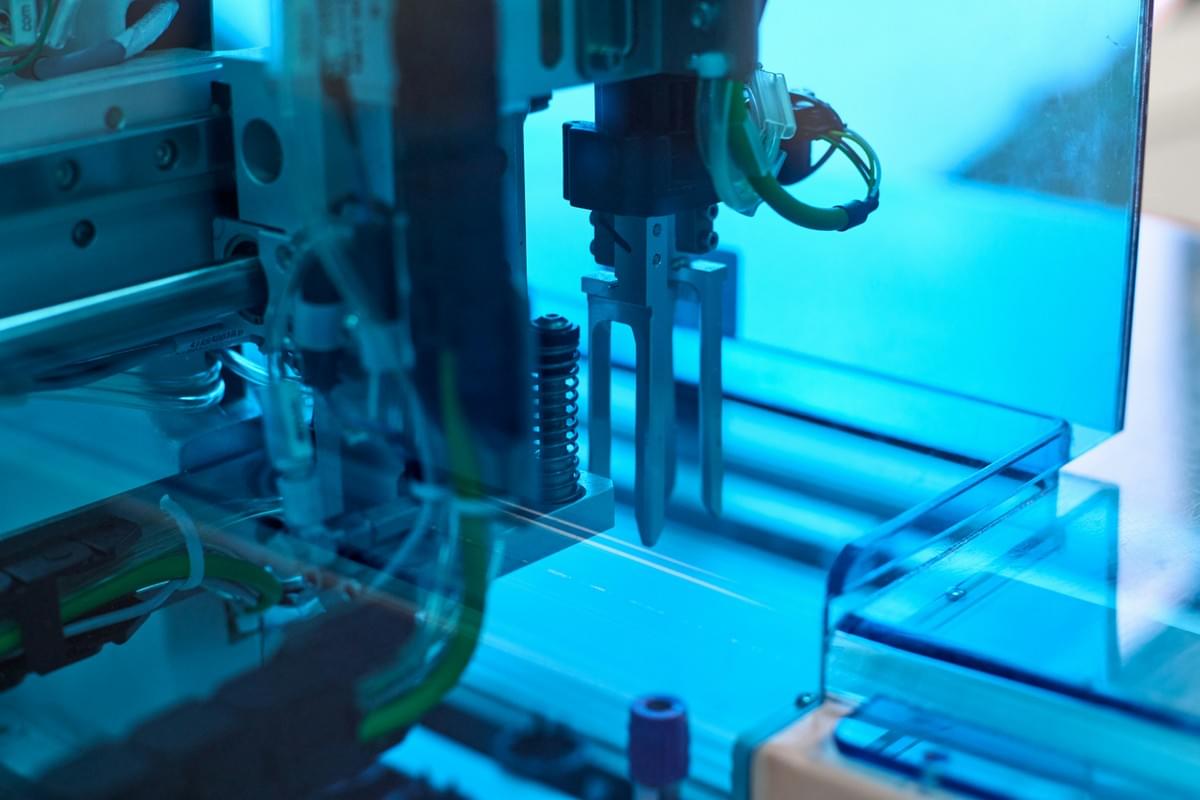
A steel tube laser cutting machine is easy to market around speed, automation, and modern fabrication appeal. In real production, many buyers judge the machine by what happens after cutting. If parts fit better, require fewer secondary operations, and move into welding or assembly with less friction, the investment starts making sense. If fit-up remains inconsistent, the machine may still leave too much manual work in the process.
This is why tube laser projects should begin with actual part families and downstream assembly expectations instead of generic machine comparisons.
The Right Internal Links for This Topic
Kiant's laser tube cutting machine category is the core commercial link for this keyword. The services page matters because fit-up quality also depends on installation, programming support, and training. The about page and contact page support supplier evaluation when buyers are ready to move into project discussions.
Questions That Expose the Real Buying Priorities
- Which tube parts currently need drilling, coping, notching, or repeated manual prep?
- How much rework happens during fit-up before welding?
- Are loading and unloading methods aligned with the tube sizes being processed?
- Will the team need supplier help to stabilize programming and daily operation?
These are the questions that turn a keyword into a real equipment brief.
Industry References Point to Workflow Integration
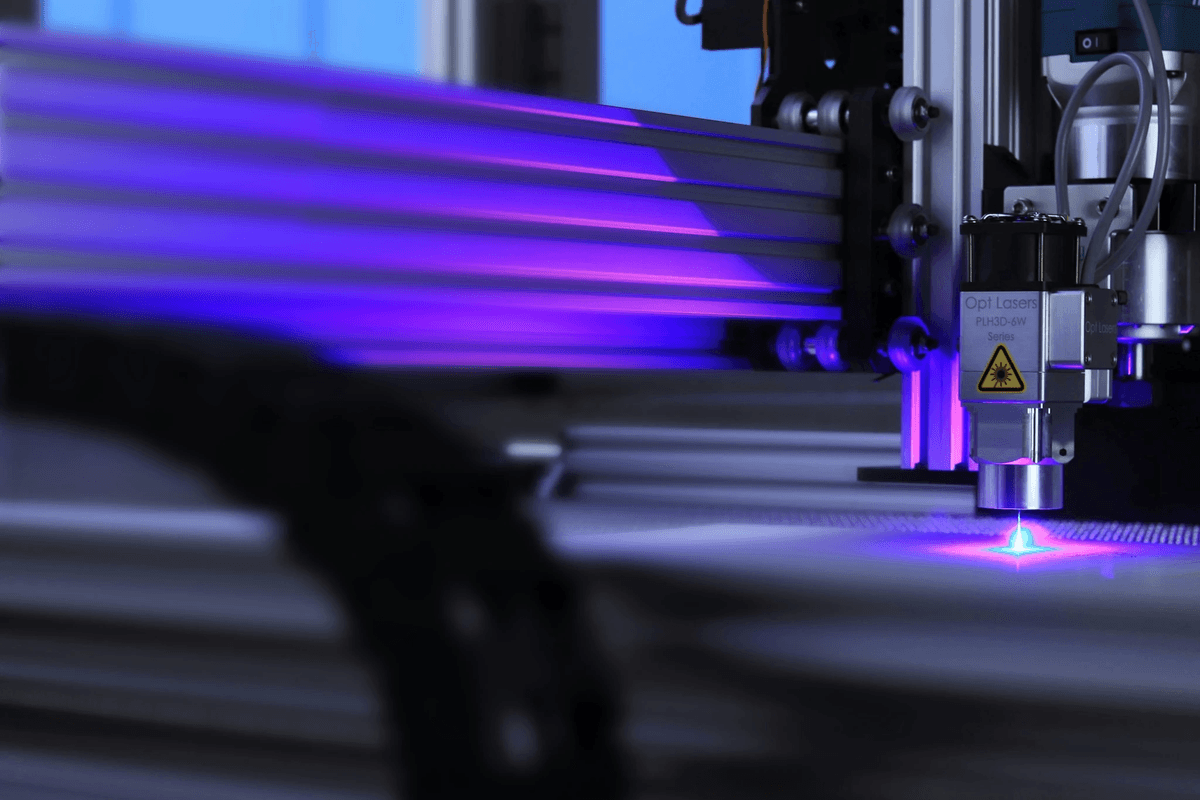
TRUMPF, Bystronic, and BLM Group all frame tube laser equipment as part of a larger fabrication workflow. That is useful guidance here because steel tube laser cutting machine value is often created between machines: fewer handoffs, simpler alignment, and cleaner assembly preparation.
Where Kiant Machinery Fits
Kiant Machinery fits best as a practical supplier for tube-processing buyers who care about production flow rather than only brochure claims. Its site structure around tube cutting, services, and related machinery gives procurement teams a clearer path for evaluating both the machine and the supplier relationship.
Conclusion
A steel tube laser cutting machine earns its place when it improves fit-up, reduces secondary work, and helps the next operation run cleaner. Buyers that measure those outcomes directly usually make stronger equipment choices than buyers that compare speed alone.