
Introduction
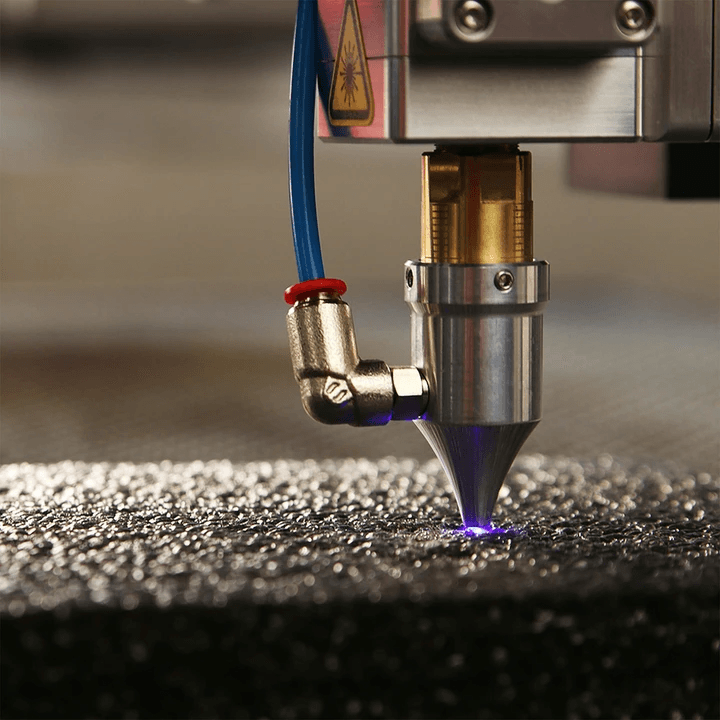
Laser cutting technology has revolutionized manufacturing and fabrication processes, offering precision, speed, and versatility across various industries. From intricate jewelry designs to heavy-duty metal fabrication, understanding how laser tube cutting machines and other laser systems work can open new doors for your business. With options like Crystal (YAG/YVO4) Laser Cutters, Fiber Laser Cutters, and CO₂ Laser Cutters available today, choosing the right machine is more crucial than ever to stay competitive and meet your specific needs.
Understanding Laser Cutting Technology
At its core, laser cutting technology uses a focused beam of light to melt, burn, or vaporize material with incredible accuracy. Whether you're working with metals or plastics, each type of laser cutter—such as fiber lasers or crystal (YAG/YVO4) laser cutters—offers unique advantages suited for different applications. For instance, laser tube cutting machines excel at shaping pipes and tubes with high precision while CO₂ laser cutters are ideal for non-metal materials like acrylics and wood.
Why Different Laser Machines Matter
Not all lasers are created equal; selecting the right machine depends on your material types, production volume, and desired quality. Fiber laser cutters dominate in metal fabrication due to their speed and efficiency but might not be suitable for delicate materials that benefit from CO₂ lasers. Meanwhile, crystal (YAG/YVO4) laser cutters serve niche markets such as medical or scientific fields where specific wavelengths provide better results; similarly, specialized laser tube cutting machines streamline pipe processing in industries like plumbing or automotive manufacturing.
Choosing the Right Laser Cutter for Your Business
Deciding on the perfect setup involves weighing factors such as material compatibility—whether you need a fiber laser cutter or a CO₂ model—and considering long-term costs versus initial investment. If your focus is on metal fabrication with high throughput demands, investing in robust fiber laser cutters or advanced laser tube cutting machines could be wise choices; on the other hand, if versatility across diverse materials is key, a CO₂ system might serve you better. Ultimately, understanding the differences between these technologies ensures you select a machine that not only meets current needs but also supports future growth.
Types of Laser Cutting Machines
Laser cutting technology has evolved into a versatile toolkit, offering different machines tailored to specific needs. Whether you're slicing through metal or engraving delicate materials, understanding the distinct types of laser cutters is essential. From CO₂ laser cutters to advanced fiber and crystal models, each brings unique capabilities to the table, including specialized tools like laser tube cutting machines designed for precision pipe work.
CO₂ Laser Cutters Explained
CO₂ laser cutters are the classic workhorses of the industry, renowned for their ability to cut non-metallic materials like wood, acrylic, and plastics with finesse. These machines operate using a carbon dioxide gas mixture that produces a high-powered laser beam suitable for detailed engraving and cutting tasks. When considering laser tube cutting machines that handle softer materials or intricate designs, CO₂ lasers often prove their worth thanks to their versatility and cost-effectiveness.
Fiber Laser Cutters Breakdown
Fiber laser cutters are the new kids on the block but have quickly gained industry dominance due to their speed and efficiency in metal processing. They utilize fiber-optic technology to generate a concentrated laser beam capable of cutting through metals like steel and aluminum with remarkable precision. For applications involving metal fabrication with fiber lasers or even specialized tasks requiring laser tube cutting machines, these systems deliver performance that’s hard to beat—especially when long-term operational costs are factored in.
Crystal (YAG/YVO4) Laser Cutters Overview
Crystal lasers such as YAG (Yttrium Aluminum Garnet) and YVO4 (Ytterbium Vanadate) are prized for their ability to perform high-precision tasks on metals and ceramics alike. They’re often used in industries demanding fine detail or specific material interactions that other lasers might struggle with.
Laser Tube Cutting Machines for Precision
Laser tube cutting machines have carved out a niche in manufacturing where precision cuts on pipes and tubes are paramount. These specialized devices leverage advanced optics combined with powerful lasers—often fiber lasers—to achieve clean cuts on complex shapes at high speed. Incorporating these into your workflow can dramatically improve efficiency when working with metal tubing or creating intricate pipe structures using dedicated laser tube cutting machines.
Metal Fabrication with Fiber and CO₂ Lasers
When it comes to metal fabrication, choosing between fiber lasers and CO₂ systems depends heavily on your project scope—each offers distinct advantages—and knowing how they fit into your production line is crucial. Fiber laser cutters excel at fast, precise cuts on thicker metals while maintaining lower operating costs over time; meanwhile, CO₂ lasers provide excellent versatility across various materials but may require more maintenance for optimal performance—including some models designed specifically as laser tube cutting machines for tubular components.
CO₂ Laser Cutters
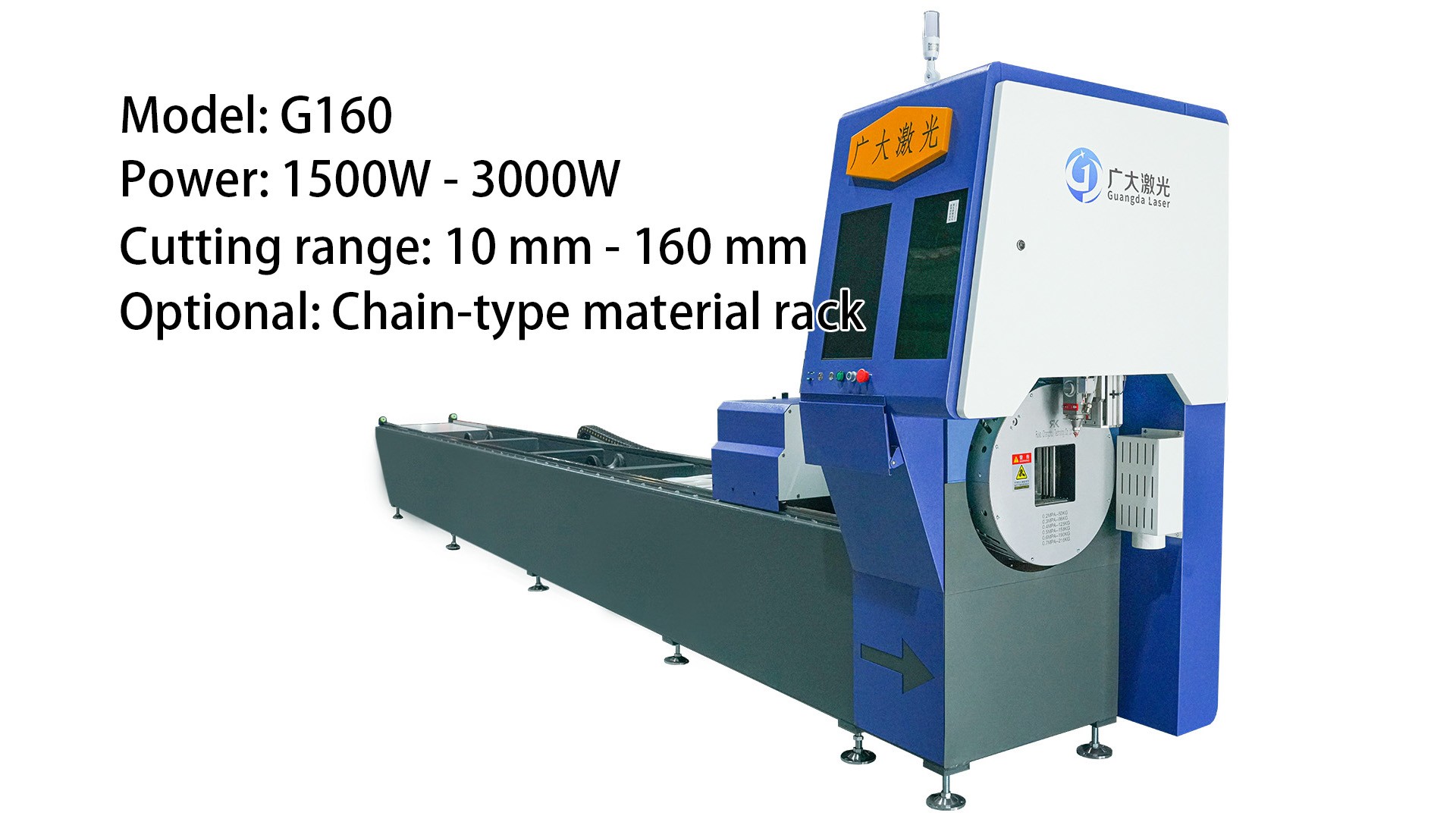
CO₂ laser cutters are the workhorses of many manufacturing shops, renowned for their versatility and precision. They excel at cutting a wide range of materials, making them ideal for signage, acrylics, wood, and even some plastics. When comparing laser tube cutting machines or considering other laser technologies like Crystal (YAG/YVO4) Laser Cutters or Fiber Laser Cutters, CO₂ systems often stand out as the go-to choice for detailed and large-scale projects.
Ideal Applications and Materials
CO₂ laser cutters shine brightest when working with non-metallic materials such as acrylic, wood, leather, and certain plastics. They are also capable of engraving delicate designs on glass or stone surfaces with finesse. While they can handle some thin metals, their true strength lies in applications involving materials that require high-quality surface finishes—think signage or decorative items—where fiber laser cutters might stumble due to their metal focus. For those who need to process a variety of materials efficiently, especially in industries utilizing laser tube cutting machines for customized shapes, CO₂ systems are often the best fit.
Benefits of CO₂ Laser Technology
One major advantage is that CO₂ laser cutters tend to be more cost-effective upfront compared to Crystal (YAG/YVO4) Laser Cutters or Fiber Laser Cutters when dealing with non-metal applications. They also offer excellent beam quality and smooth cuts on thicker materials without sacrificing speed—making them perfect for businesses looking to maximize productivity with minimal maintenance costs. Plus, when integrated into a system with laser tube cutting machines or other automation tools, these cutters can streamline production lines while maintaining high precision standards.
Popular Models from Epilog and Trotec
Leading brands like Epilog and Trotec have developed popular models that showcase the capabilities of CO₂ laser cutters in various industries. For example, Epilog’s Fusion Pro series combines power and precision suitable for both small shops and large production facilities; it pairs well with laser tube cutting machines used in custom fabrication projects. Similarly, Trotec’s Speedy series offers rapid processing speeds ideal for intricate designs on diverse materials—perfect if you’re exploring how crystal (YAG/YVO4) Laser Cutters compare in specialty applications but still need reliable performance on non-metals.
Fiber Laser Cutters
Fiber laser cutters have revolutionized the metal fabrication industry by offering unmatched speed, precision, and efficiency. Their ability to cut through various metals with minimal heat-affected zones makes them a favorite among industry leaders. When comparing fiber laser cutters to traditional CO₂ laser cutters or Crystal (YAG/YVO4) laser cutters, their performance in handling thick metals and intricate designs stands out, especially when paired with specialized equipment like laser tube cutting machines.
Why Industry Leaders Use Fiber Lasers
Leading manufacturing companies prefer fiber laser cutters because of their exceptional versatility and high-speed operation. These machines excel at cutting reflective metals such as aluminum, brass, and copper—materials that can pose challenges for CO₂ or Crystal lasers. Additionally, fiber laser technology integrates seamlessly with laser tube cutting machines, enabling precise processing of metal tubes and pipes for diverse applications.
Advantages Over Other Types
Compared to CO₂ laser cutters and Crystal (YAG/YVO4) laser cutters, fiber lasers are more energy-efficient and require less maintenance, translating into lower operational costs over time. They also offer a smaller footprint while delivering higher power densities, which enhances their ability to handle demanding tasks like intricate cuts on thin sheets or complex shapes within metal fabrication shops utilizing laser tube cutting machines. The durability of fiber optic cables further ensures consistent performance in demanding production environments.
Top Fiber Laser Cutter Brands like Trumpf and IPG Photonics
Some of the top brands making waves in the fiber laser cutter market include Trumpf and IPG Photonics—both renowned for their innovation and reliability in this space. These brands often develop equipment compatible with advanced features such as integrated systems for laser tube cutting machines or combined functionalities with CO₂ lasers for multi-material processing capabilities. Choosing a fiber laser cutter from these industry leaders ensures your shop stays competitive when working with diverse materials like those handled by Crystal (YAG/YVO4) lasers or specialized metal components produced using state-of-the-art equipment.
Crystal (YAG/YVO4) Laser Cutters
Crystal laser cutters, including YAG and YVO4 types, are a specialized subset of laser technology, renowned for their precision and versatility in cutting and engraving applications. These machines utilize solid-state crystal mediums that emit high-intensity laser beams, making them ideal for specific industrial tasks. Unlike fiber laser cutters or CO₂ laser cutters, crystal lasers excel in certain niche markets where fine detail and material compatibility are paramount.
Unique Features and Uses
Crystal (YAG/YVO4) Laser Cutters stand out due to their ability to produce a focused, high-energy beam capable of cutting through metals like stainless steel and aluminum with remarkable accuracy. They are particularly valued in applications requiring precision welding, drilling, or engraving on hard materials where fiber laser cutters might struggle. Additionally, these machines often incorporate features that allow for the integration with laser tube cutting machines—enhancing their versatility in manufacturing setups that demand both detailed cuts and complex shapes.
Common Industries and Materials
Industries such as medical device manufacturing, jewelry crafting, and aerospace frequently employ crystal lasers because of their ability to handle delicate components without damaging surrounding areas. Materials commonly processed include metals like titanium and copper as well as ceramics—areas where fiber laser cutters may not deliver the same finesse. The use of laser tube cutting machines is also prevalent when working with small-diameter tubes or pipes requiring precise cuts alongside traditional flat sheet processing.
Notable Equipment from Coherent and Trumpf
Coherent's Crystal series offers robust options tailored for high-precision tasks involving metal fabrication and intricate engraving projects. Trumpf's range of crystal (YAG/YVO4) laser equipment emphasizes durability and adaptability across various industries, including those utilizing laser tube cutting machines for complex pipework. These notable brands have set benchmarks in the industry by integrating advanced features that make crystal lasers compatible with other systems like fiber or CO₂ laser cutters—broadening the scope of what can be achieved within a single production line.
Laser Tube Cutting Machines
Laser tube cutting machines have revolutionized the way industries approach precision in tube and pipe fabrication. These sophisticated devices utilize advanced laser technology to achieve clean, accurate cuts on various materials, saving both time and resources. Whether you're working with metal or specialty materials, laser tube cutters are essential for high-quality production.
Precision in Tube and Pipe Cutting
Achieving perfect cuts in tubes and pipes is no longer a daunting task thanks to laser tube cutting machines. They deliver unparalleled accuracy, ensuring each cut meets exact specifications without burrs or deformation. Incorporating fiber laser cutters into these machines enhances their precision capabilities, making them ideal for complex designs and tight tolerances.
Kiant Machinery’s Role in Laser Tube Equipment
Kiant Machinery stands out as a leader in providing top-tier laser tube cutting machines that incorporate the latest advancements in Crystal (YAG/YVO4), Fiber Laser Cutters, and CO₂ Laser Cutters technology. Their equipment is engineered for durability and performance, making them a trusted partner for manufacturers seeking reliable solutions. By integrating fiber laser cutters with traditional CO₂ systems, Kiant Machinery ensures versatile options tailored to specific industry needs.
Enhancing Efficiency with Tube Cutters
Efficiency is the name of the game when it comes to modern manufacturing, and laser tube cutting machines excel here by drastically reducing processing times compared to conventional methods. The use of fiber laser cutters allows for faster cuts on thicker materials while maintaining high quality standards. Additionally, incorporating Crystal (YAG/YVO4) Laser Cutters into these systems offers unique advantages for specialized applications requiring precise control.
Comparing Cost and Performance
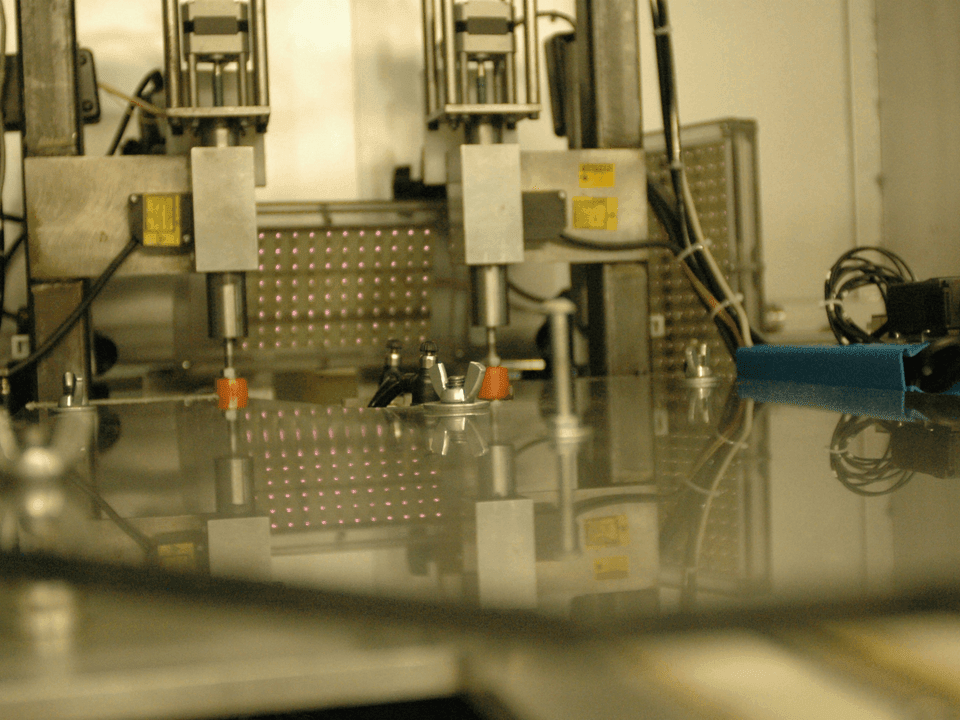
When it comes to choosing the right laser cutting machine, weighing cost against performance is crucial. Laser tube cutting machines, Crystal (YAG/YVO4) Laser Cutters, Fiber Laser Cutters, and CO₂ Laser Cutters each have their own strengths and price points. The key is finding a balance that aligns with your business needs while ensuring you get the best bang for your buck.
Which Machine Offers Best Value
Determining which machine offers the best value depends largely on your specific application. For instance, laser tube cutting machines excel in precision pipe and tube fabrication, making them a smart investment for industries requiring high accuracy. Meanwhile, Crystal (YAG/YVO4) Laser Cutters are versatile for marking and small-scale engraving but may not match the speed of Fiber Laser Cutters for metal processing or the specialized functions of CO₂ Laser Cutters.
Cost-effectiveness also hinges on how well each machine integrates into your workflow; fiber laser cutters often provide faster throughput with lower operating costs over time, making them a strong contender for long-term value. Conversely, if you're primarily working with non-metal materials like acrylic or wood, CO₂ Laser Cutters could be more economical upfront while still delivering excellent results. Ultimately, assessing your material types and production volume will help determine which laser cutter provides the most value.
Maintenance and Operating Costs
Maintenance costs can significantly influence the overall expense of owning laser tube cutting machines versus other types like Crystal (YAG/YVO4) or CO₂ Laser Cutters. Fiber Laser Cutters tend to have lower maintenance requirements due to their solid-state design—no mirrors or lenses needing frequent realignment—saving both time and money over their lifespan. On the other hand, crystal lasers might require more delicate handling and periodic replacements of components like pump diodes or crystals.
CO₂ lasers generally involve higher operating costs because they rely on gas mixtures that need regular replenishment alongside lens cleaning and alignment tasks—factors that add up over time. For laser tube cutting machines specifically designed for tubes and pipes, maintenance involves ensuring precise alignment of the machinery’s components; neglecting this can lead to costly downtime. Choosing a machine with manageable maintenance demands ensures smoother operation without unexpected expenses eating into profits.
Long-term Investment Considerations
Long-term investment decisions should factor in durability, upgradeability, and future-proofing when selecting between laser tube cutting machines, Crystal (YAG/YVO4) Laser Cutters, Fiber Laser Cutters, or CO₂ models. Fiber laser cutters are often viewed as a wise choice because they offer high efficiency combined with technological advancements that extend their lifespan through software updates or modular upgrades.
Crystal (YAG/YVO4) lasers might be suitable if your focus is niche applications like medical devices or specialized engraving; however, they may not keep pace with evolving industrial demands unless you plan regular upgrades—which could be costly. For businesses heavily invested in metal fabrication involving tubes and pipes, investing in reliable laser tube cutting machines can provide years of productivity without frequent replacements—making them a sound long-term bet.
Conclusion
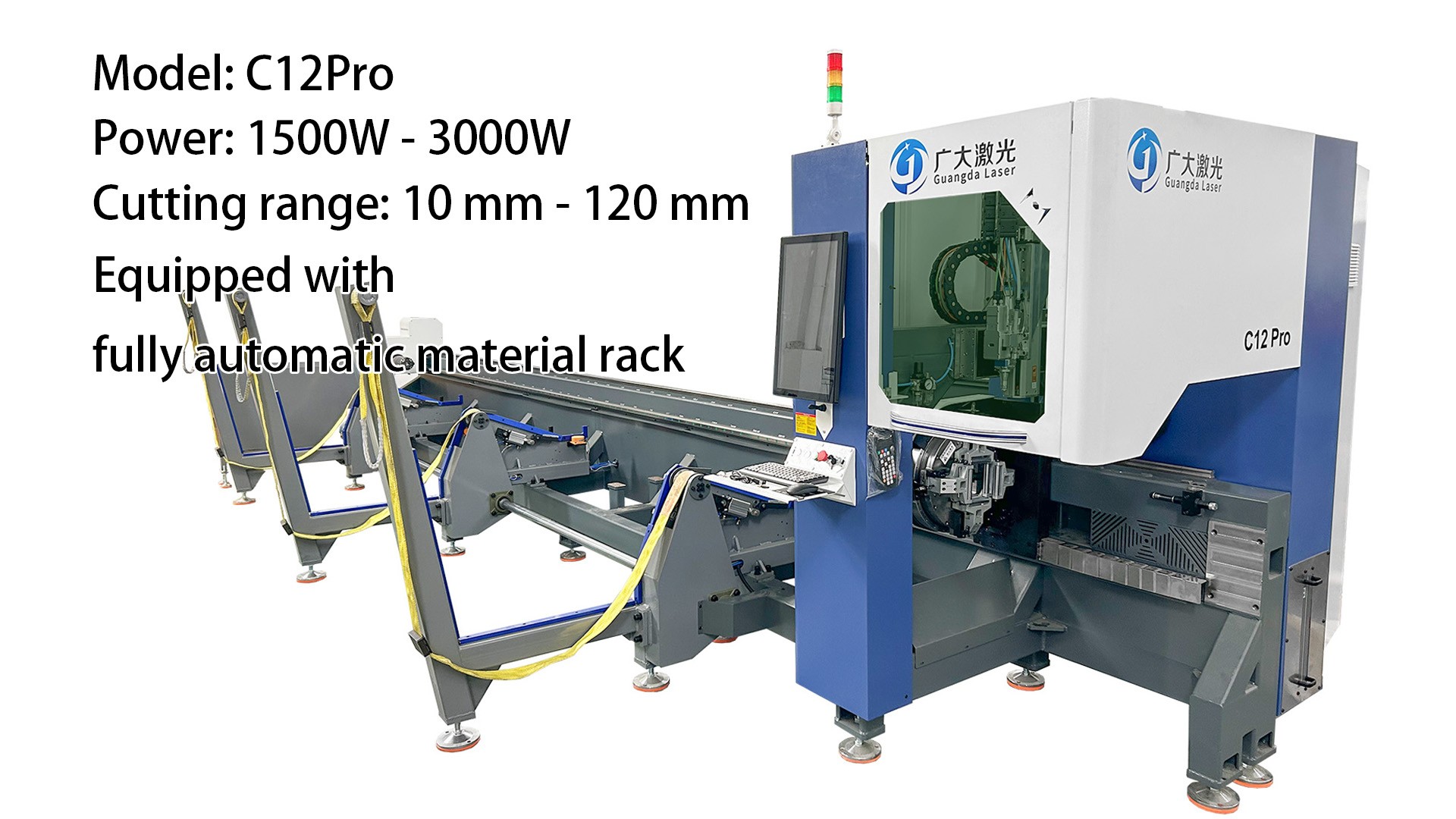
Choosing the right laser cutting technology for your shop isn’t just about picking the fanciest machine; it’s about aligning your needs with the best tool for the job. Whether you’re considering CO₂ Laser Cutters for versatile materials, Fiber Laser Cutters for speed and precision, or Crystal (YAG/YVO4) Laser Cutters for specialized applications, each has its strengths. Don't forget to evaluate laser tube cutting machines if your projects involve pipes and tubes—these machines can dramatically streamline your workflow and boost efficiency.
Making the Right Choice for Your Shop
Deciding among laser tube cutting machines, Crystal (YAG/YVO4) Laser Cutters, Fiber Laser Cutters, or CO₂ Laser Cutters depends on your specific production demands. For intricate tube work, laser tube cutting machines are unbeatable in delivering precision and speed. Meanwhile, fiber laser cutters excel in metal fabrication tasks requiring high performance and minimal maintenance. Ultimately, understanding what each type offers helps you make an investment that pays off long-term.
The Future of Laser Cutting Technology
The landscape of laser cutting is evolving rapidly with innovations like hybrid systems that combine multiple technologies into one machine—think fiber lasers integrated with advanced laser tube cutting capabilities. Crystal (YAG/YVO4) Laser Cutters are also advancing in efficiency for medical and scientific uses. As technology progresses, expect these machines to become smarter, faster, and more adaptable—making it easier than ever to stay ahead of the competition.
How Kiant Machinery Supports Your Growth
Kiant Machinery stands ready to guide you through this technological maze by offering a comprehensive range of equipment tailored to your needs—including top-tier laser tube cutting machines and versatile lasers like CO₂ Laser Cutters. Their expert team can help you select the perfect combination of fiber lasers or crystal systems based on your production volume and material types. Partnering with Kiant ensures you stay equipped with innovative solutions that grow alongside your business ambitions.