
Introduction
In the ever-evolving landscape of manufacturing, roll forming machinery has carved out a significant niche, particularly in the realm of cold roll forming. This innovative process utilizes a cold roll forming machine to transform flat metal sheets into complex shapes with precision and efficiency. Understanding the intricacies of roll forming is essential for industries that rely on metal forming techniques to create everything from structural components to intricate designs.
Understanding Roll Forming Machinery
Roll forming machines are specialized tools designed to shape metal through a series of rollers that progressively bend and form material into desired profiles. The process involves feeding a continuous strip of cold rolled steel through these rollers, which apply pressure and shape the steel without cutting or welding it. This method not only enhances production efficiency but also ensures minimal waste, making it an attractive option for manufacturers looking to optimize their operations.
Importance of Cold Roll Forming
Cold roll forming stands out due to its ability to produce high-strength components with excellent surface finishes while maintaining tight tolerances. The use of cold rolled steel in this process adds further advantages, such as improved mechanical properties and enhanced machinability compared to hot-rolled alternatives. As industries increasingly prioritize sustainability and cost-effectiveness, the importance of adopting advanced cold forming techniques becomes ever more apparent.
Key Manufacturers and Suppliers
The market for roll forming equipment is populated by several key players who specialize in providing high-quality machinery tailored for various applications. Companies like Kiant Machinery Innovations and Formtek offer cutting-edge solutions that push the boundaries of what metal roller technology can achieve. Additionally, suppliers like AXXIS Machinery play a pivotal role in ensuring access to reliable equipment that meets the diverse needs of manufacturers around the globe.
Overview of Roll Forming Technology
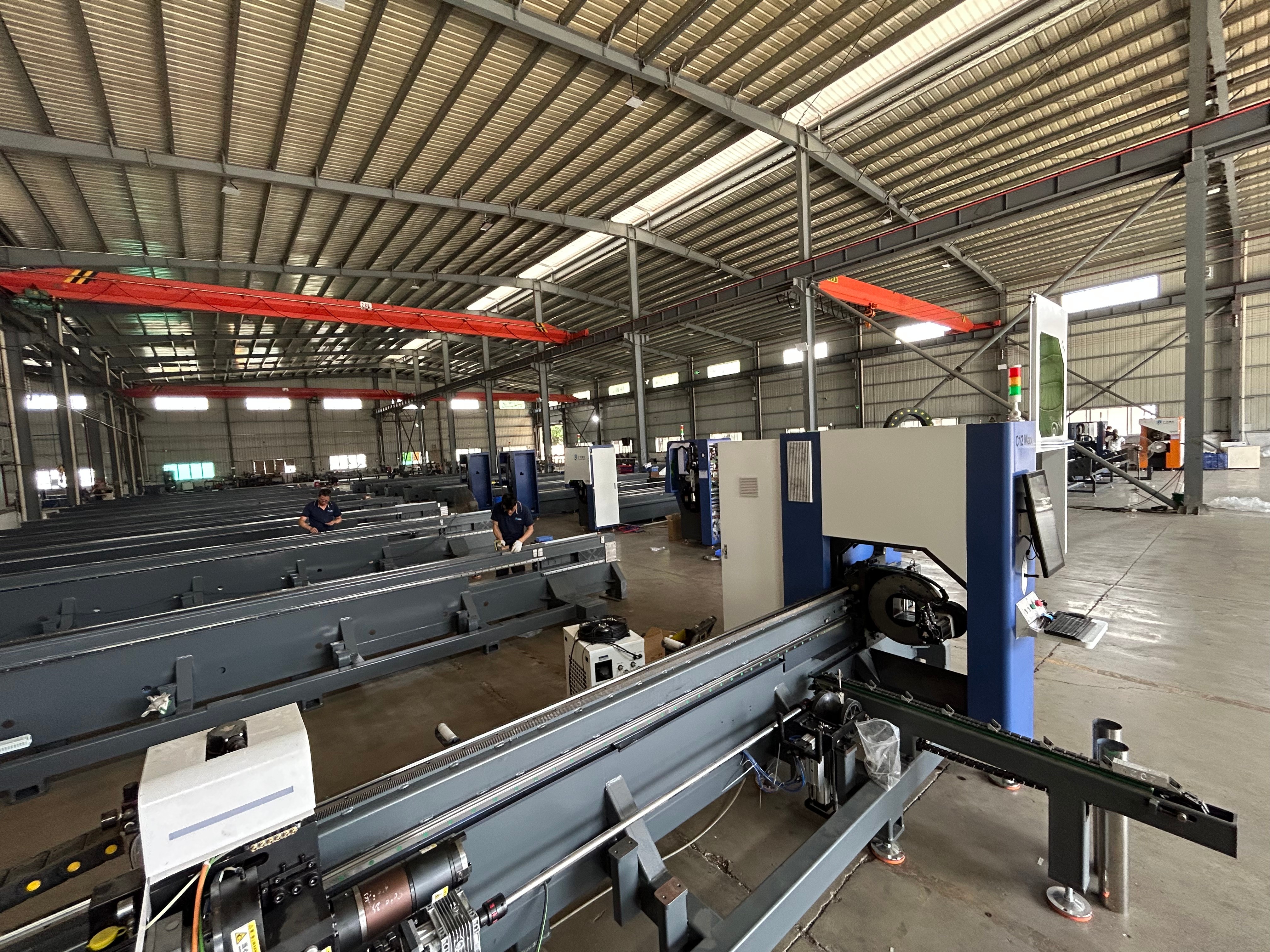
Roll forming is a manufacturing process that shapes metal into desired profiles through continuous bending. Utilizing a series of rollers, the cold roll forming machine gradually transforms flat strips of cold rolled steel into complex shapes with high precision. This technique is particularly valued in industries where consistent quality and efficiency are paramount, making it a staple in metal forming.
What is Roll Forming?
At its core, roll forming involves feeding a long strip of material through a sequence of rollers that progressively shape the metal into the desired profile. The process typically uses cold rolled steel, which enhances durability and strength while maintaining formability. This method allows for high-volume production with minimal waste, making it an economical choice for manufacturers.
Benefits of Using Roll Forming Machines
One of the primary benefits of roll forming machines is their ability to produce uniform products at high speeds, significantly reducing lead times in manufacturing processes. Additionally, these machines can handle various materials including different gauges and types of cold rolled steel, offering versatility across applications. The precision achieved through rolling and forming ensures tight tolerances, which is crucial for industries demanding exact specifications.
Applications in Various Industries
The applications for roll forming technology are vast and diverse; from automotive parts to building materials, its influence spans multiple sectors. In construction, for instance, metal rollers create framing components that are essential for structural integrity. Similarly, in the HVAC industry, roll formed parts are utilized to manufacture ductwork systems that require both strength and lightweight properties.
Leading Cold Roll Forming Machine Manufacturers
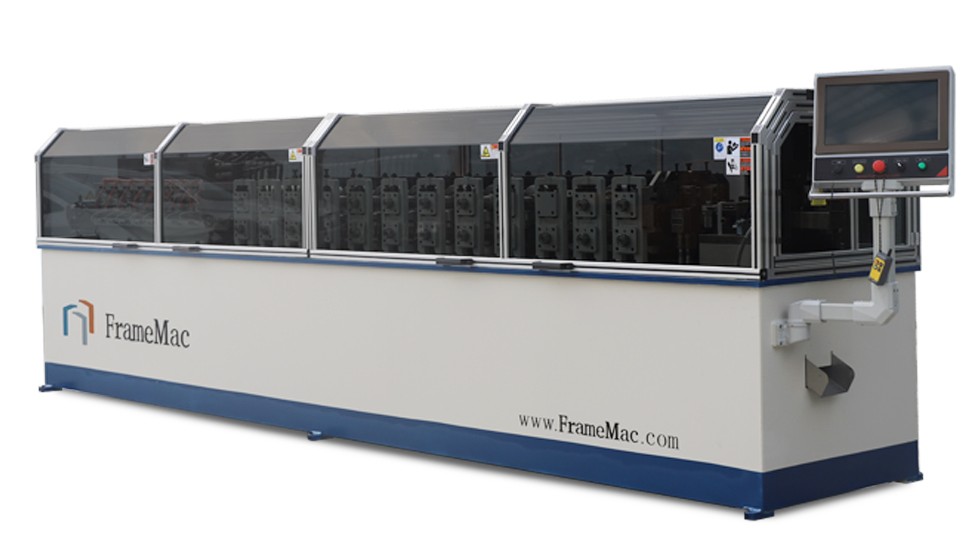
In the world of roll forming, selecting the right machinery is crucial for achieving precision and efficiency. Leading manufacturers have established themselves as pioneers in cold roll forming technology, offering innovative solutions tailored to various metal forming needs. This section highlights three key players in the cold roll forming machine industry: Kiant Machinery Innovations, Formtek, and Bradbury Group.
Kiant Machinery Innovations
Kiant Machinery has made a name for itself by pushing the boundaries of what a cold roll forming machine can achieve. Their commitment to innovation is evident in their advanced designs that enhance both performance and reliability in rolling and forming processes. With a focus on utilizing high-quality cold rolled steel, Kiant ensures that their machinery delivers exceptional durability and precision.
Kiant's product lineup includes customizable options to meet diverse industry requirements, making it easier for manufacturers to integrate these machines into their existing workflows. Their expertise in metal roller technology allows them to provide solutions that improve productivity while reducing waste during production. As industries continue to evolve, Kiant remains at the forefront of developing cutting-edge solutions that redefine metal forming capabilities.
Formtek's Advanced Solutions
Formtek stands out with its array of advanced solutions designed specifically for the roll forming market. Their cold roll forming machines are engineered with state-of-the-art technology that maximizes efficiency while maintaining high standards of quality in every piece produced. By leveraging automation and smart manufacturing techniques, Formtek helps businesses streamline operations and reduce cycle times.
What sets Formtek apart is their dedication to customer satisfaction; they work closely with clients to develop tailored systems that align perfectly with specific production goals. Their extensive experience in metal forming gives them unique insights into optimizing processes using cold rolled steel effectively. With a strong emphasis on innovation, Formtek continues to lead the charge towards smarter manufacturing solutions.
Bradbury Group's Expertise
The Bradbury Group has long been recognized as an expert in the field of roll forming machinery, boasting decades of experience in providing robust equipment for various applications. They specialize not only in traditional cold roll forming machines but also offer integrated systems designed for complex metal shaping tasks across multiple industries. Their commitment to quality ensures that each machine operates reliably under demanding conditions.
Bradbury’s comprehensive approach includes extensive support services from initial consultation through installation and beyond, ensuring clients maximize their investment in rolling and forming technology. The company’s focus on using advanced materials like cold rolled steel enhances product strength while minimizing material waste during production runs. As they continue innovating within the sector, Bradbury remains a trusted partner for manufacturers seeking top-tier performance from their metal roller equipment.
Top Suppliers of Roll Forming Equipment
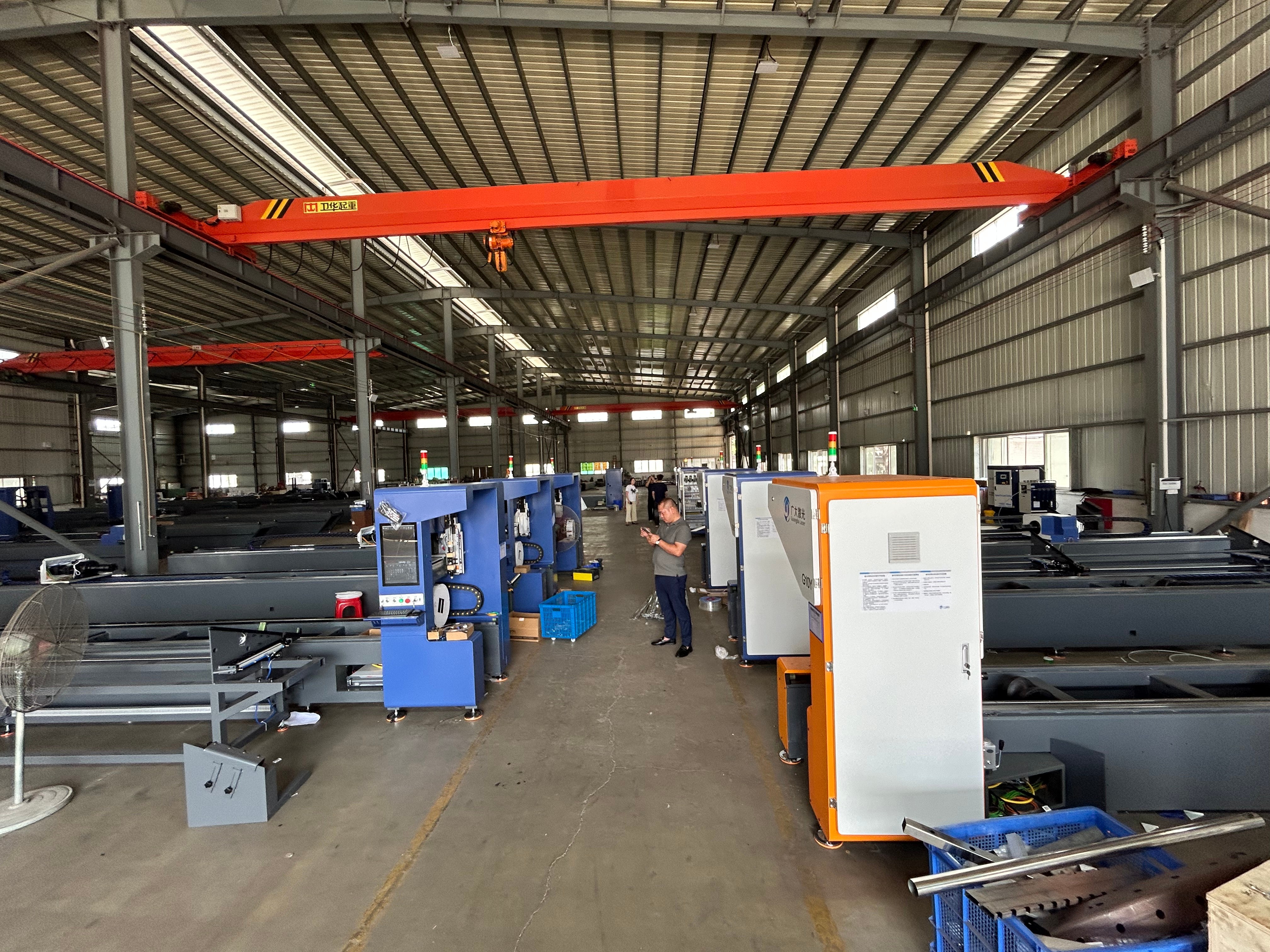
When it comes to sourcing high-quality roll forming equipment, several suppliers stand out in the global market. These companies not only provide cutting-edge machinery but also offer extensive support and services to ensure the best performance in metal forming applications. In this section, we will delve into the strengths of AXXIS Machinery, JMC Roll Forming Systems, and AASTED.
Global Presence of AXXIS Machinery
AXXIS Machinery has established itself as a formidable player in the roll forming industry with a strong global presence. Their cold roll forming machines are renowned for their precision and efficiency, making them a preferred choice among manufacturers looking to streamline their metal forming processes. With an emphasis on innovation, AXXIS offers tailored solutions that cater to various applications involving cold rolled steel.
Their commitment to quality is evident in their advanced technology and customer-centric approach. By continuously investing in research and development, AXXIS ensures that their roll forming machines remain at the forefront of industry standards. This dedication not only enhances operational efficiency but also contributes significantly to sustainable practices within the metal forming sector.
The Role of JMC Roll Forming Systems
JMC Roll Forming Systems has carved out a niche for itself by focusing on delivering comprehensive solutions for diverse industries that rely on rolling and forming techniques. Their range of cold roll forming machines is designed with flexibility in mind, allowing manufacturers to adapt quickly to changing production needs without compromising on quality or speed. This adaptability makes JMC an invaluable partner for businesses engaged in metal fabrication.
In addition to their state-of-the-art machinery, JMC provides exceptional after-sales support, ensuring customers can maximize the performance of their roll forming equipment over time. Their expertise in cold forming processes positions them as trusted advisors who guide clients through optimizing production lines for better efficiency and cost-effectiveness. As industries evolve, JMC remains committed to staying ahead with innovative technologies that enhance metal working capabilities.
Performance of AASTED in Metal Forming
AASTED stands tall among suppliers known for excellence in metal forming technology, particularly when it comes to producing high-quality cold rolled steel products through innovative rolling techniques. Their focus on precision engineering results in robust cold roll forming machines that deliver consistent performance across various manufacturing applications. This reliability is crucial for businesses looking to maintain competitive edge while ensuring product quality.
Moreover, AASTED's commitment extends beyond just providing machinery; they emphasize educating clients about best practices in using cold formed materials effectively within their operations. By sharing insights into optimal usage strategies and maintenance tips for roll forming systems, they empower customers to achieve maximum output from their investments in metal roller technology. As sustainability becomes increasingly important across industries, AASTED’s initiatives align closely with eco-friendly practices within the realm of manufacturing.
Understanding Cold Rolled Steel in Roll Forming
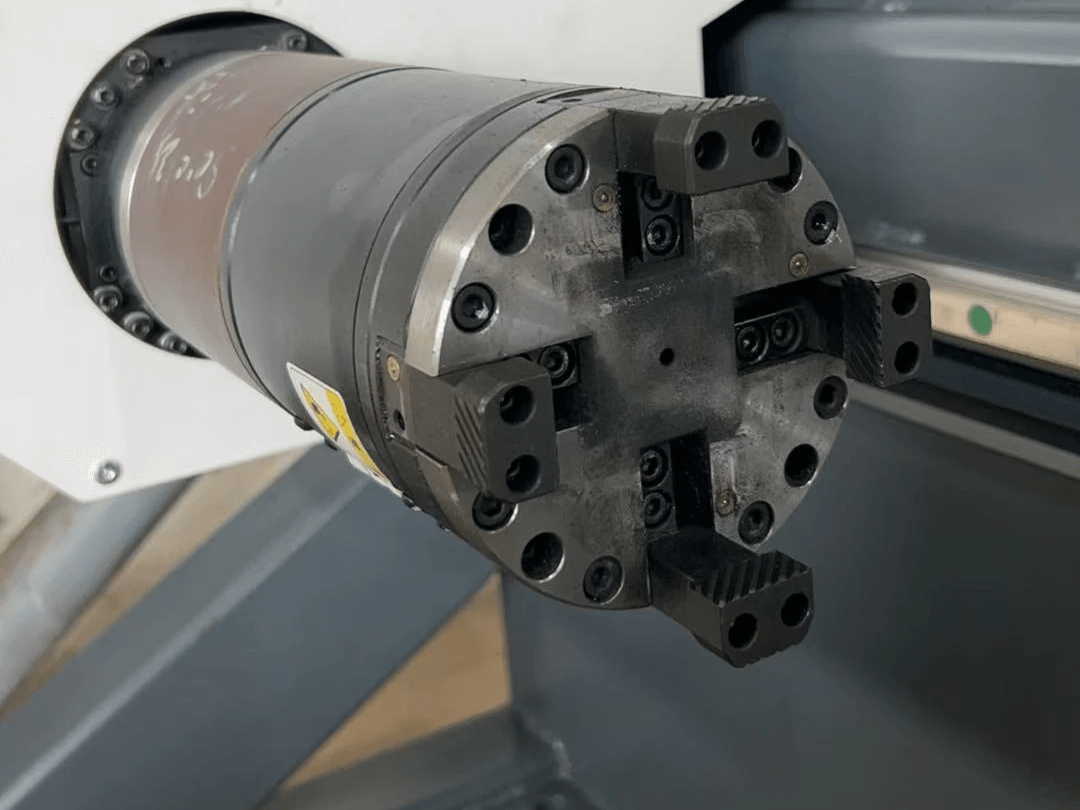
Cold rolled steel plays a pivotal role in the roll forming process, offering unique properties that enhance the performance of metal forming applications. This type of steel is produced at room temperature, which results in a smoother finish and tighter tolerances compared to hot rolled alternatives. In the context of a cold roll forming machine, these characteristics translate into improved strength and durability for the final products.
Properties and Advantages of Cold Rolled Steel
Cold rolled steel boasts several properties that make it ideal for use in a roll forming machine. Its enhanced yield strength allows for thinner gauges without compromising structural integrity, making it suitable for various applications ranging from automotive components to construction materials. Additionally, cold rolled steel exhibits excellent surface quality, which is crucial when aesthetics play a role in product design.
The advantages of using cold rolled steel extend beyond just physical properties; they also include cost-effectiveness and versatility. Manufacturers can achieve complex shapes with precision due to the material's ability to be easily shaped during rolling and forming processes. Furthermore, its uniform thickness ensures consistency across batches, reducing waste and improving overall efficiency in metal forming operations.
How Cold Forming Enhances Efficiency
Cold forming significantly enhances efficiency within the manufacturing process by minimizing material waste while maximizing output quality. The process allows for rapid production rates since multiple profiles can be formed simultaneously using a single cold roll forming machine setup. This not only speeds up production timelines but also reduces labor costs associated with handling and machining.
Moreover, cold rolled steel's inherent properties contribute to lower energy consumption during processing compared to other materials or methods. The reduced need for secondary operations means that manufacturers can streamline their workflows while maintaining high standards of quality control—an essential factor in today’s competitive market landscape for metal forming solutions.
Best Practices for Using Cold Rolled Steel
When working with cold rolled steel in roll forming applications, adhering to best practices can significantly enhance outcomes and prolong machinery life. First and foremost, ensuring proper alignment of the metal roller is vital; misalignment can lead to defects or uneven wear on both the material and machinery components over time. Regular maintenance checks on your cold roll forming machine will help catch any issues early before they escalate into costly repairs.
Additionally, it's crucial to select appropriate lubricants during the rolling and forming processes to reduce friction between surfaces—this not only improves product finish but also extends tool life by minimizing wear on cutting edges or dies used in conjunction with your machinery. Finally, training operators on optimal techniques for handling cold rolled steel will ensure efficient use of resources while fostering an environment focused on safety protocols throughout production runs.
The Future of Metal Roller Technology
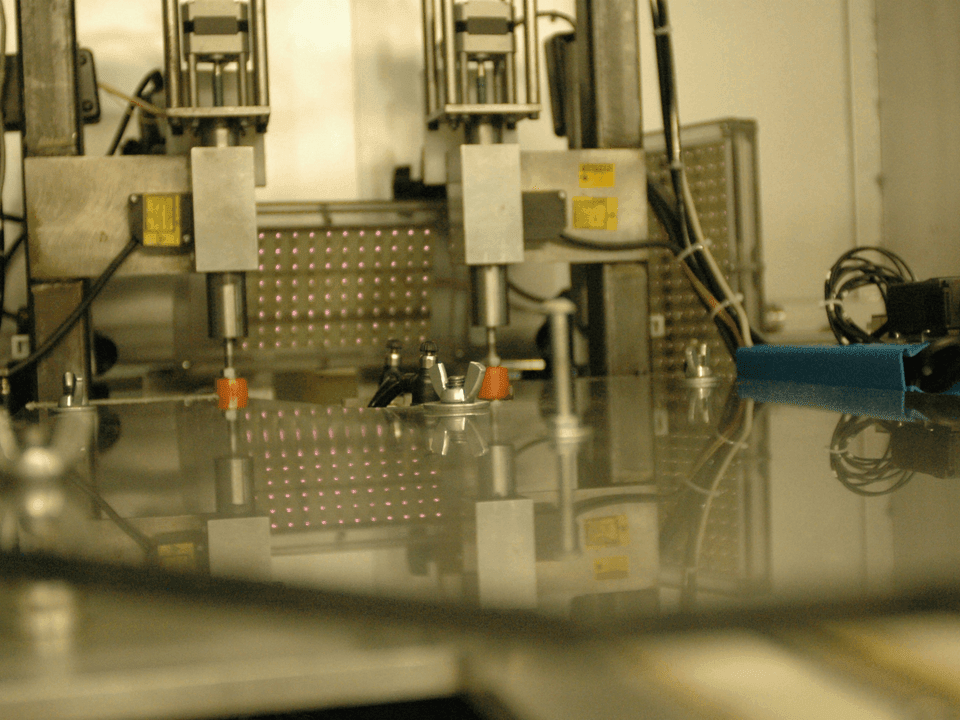
The future of metal roller technology is poised for exciting advancements that will redefine the landscape of roll forming and metal forming processes. Innovations in cold roll forming machines are not just about enhancing speed and efficiency but also about integrating smart technologies that can predict maintenance needs and optimize production workflows. As industries continue to evolve, the demand for precision and versatility in rolling and forming applications will drive manufacturers to push the boundaries of what's possible.
Innovations in Roll Forming Machines
Recent innovations in roll forming machines have introduced automation features that significantly improve productivity while reducing human error. These advanced cold roll forming machines now incorporate AI-driven systems that analyze performance data in real-time, allowing for rapid adjustments during production runs. Furthermore, manufacturers are increasingly focusing on modular designs, enabling quick reconfiguration for different applications while maintaining the integrity of cold rolled steel products.
Trends in the Metal Forming Industry
The metal forming industry is witnessing several trends that signal a shift towards more efficient practices and advanced technologies. One notable trend is the increased use of lightweight materials alongside traditional cold rolled steel, which enhances product performance without compromising structural integrity. Additionally, there’s a growing emphasis on digitalization within manufacturing processes; companies are adopting IoT solutions to streamline operations, making their cold forming techniques more responsive to market demands.
Sustainability Initiatives and Their Impact
Sustainability initiatives are becoming a cornerstone of modern manufacturing practices within the roll forming sector. Many manufacturers are now prioritizing eco-friendly materials and energy-efficient machinery to minimize their carbon footprint while maximizing output from their metal rollers. As consumers increasingly favor sustainable products, investing in green technologies not only meets regulatory requirements but also enhances brand reputation, ultimately driving growth in an environmentally conscious marketplace.
Conclusion
In the ever-evolving landscape of manufacturing, roll forming has carved out a niche that is both significant and transformative. The impact of roll forming on manufacturing processes cannot be overstated; it streamlines production, enhances material efficiency, and reduces waste. As industries increasingly turn to cold rolled steel for its superior properties, the role of cold roll forming machines becomes even more critical in meeting modern demands.
The Impact of Roll Forming on Manufacturing
Roll forming technology revolutionizes how we approach metal forming by offering a continuous process that efficiently shapes materials into desired profiles. Utilizing cold rolled steel in this process not only improves product strength but also enhances surface finish quality, making it ideal for various applications. As manufacturers adopt advanced roll forming machines, they benefit from reduced lead times and improved overall productivity.
Choosing the Right Machinery Supplier
Selecting the right machinery supplier is crucial for ensuring optimal performance from your cold roll forming machine. Factors such as reliability, customer support, and technological innovation should guide your decision-making process. By partnering with reputable suppliers who specialize in metal roller technology, you can secure equipment that meets your specific needs while also staying ahead in a competitive market.
Future Prospects of Roll Forming Technology
The future of roll forming technology looks promising, with innovations continually reshaping the industry landscape. Emerging trends such as automation and smart manufacturing are driving advancements in machinery capabilities and efficiency levels. Additionally, sustainability initiatives are gaining traction; as manufacturers strive to reduce their carbon footprint, cold forming techniques will play a pivotal role in creating eco-friendly solutions within metal forming processes.