
A high power fiber laser cutting machine can look like the obvious upgrade when a fabrication shop wants more capacity. Higher power can support more demanding sheet work, shorter cutting windows on suitable jobs, and a stronger position for shops handling thicker or higher-volume material families. The mistake is assuming that the laser source alone defines the value of the purchase.
The better starting point is the load path. How does material arrive at the machine? How is it staged? Who confirms the sheet? How are finished parts unloaded and protected? Can bending, welding, machining, or coating absorb the new output rhythm? Buyers reviewing flatbed laser cutting machines should answer those questions before treating power as the central decision.
The Bottleneck May Not Be the Beam
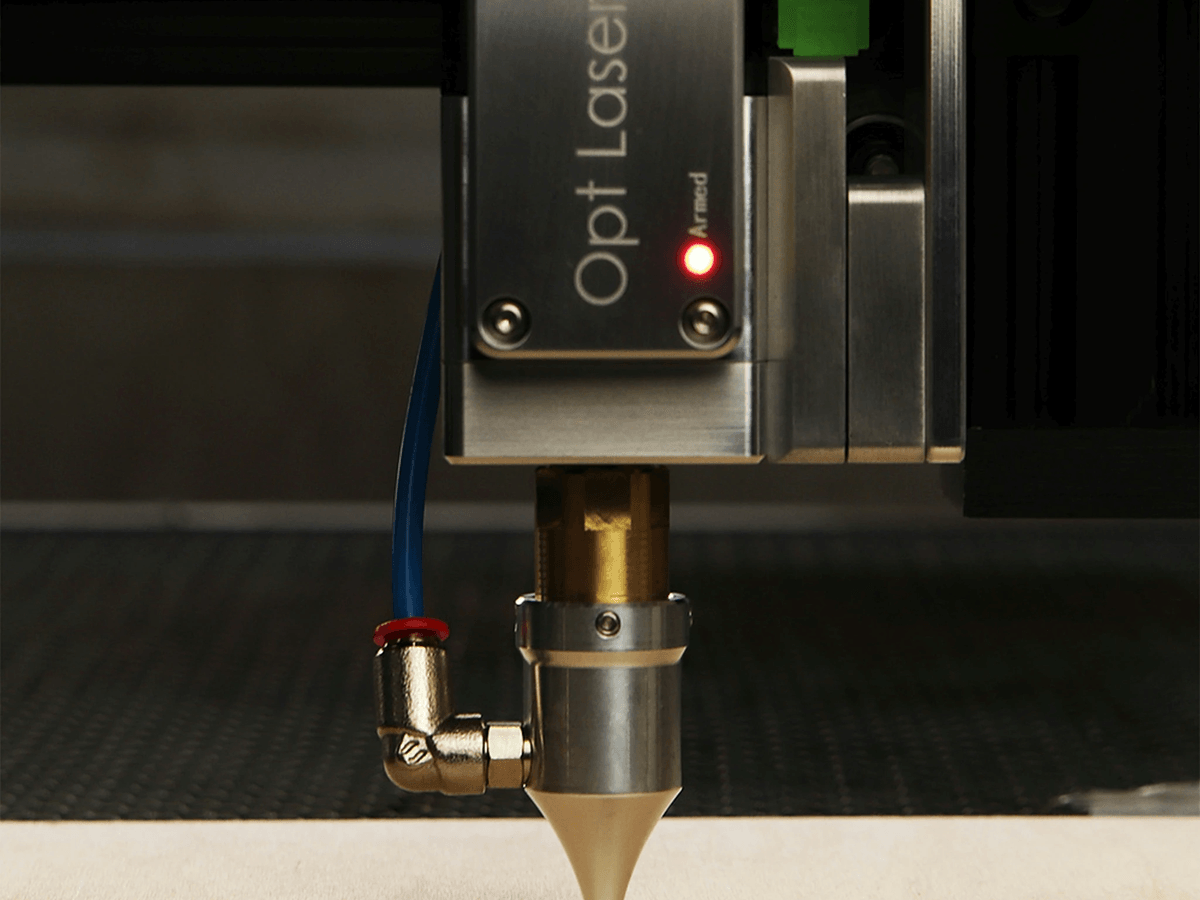
High power helps most when the current constraint is genuinely tied to cutting time on the right materials. If the shop is mostly delayed by programming, sheet retrieval, loading, unloading, sorting, inspection, or downstream forming, adding power can simply expose the next delay faster. The machine may become more capable while the factory remains slow.
A useful audit follows one representative job from order release to accepted parts. Record when the drawing is released, when nesting is ready, when material reaches the table, when the first part is accepted, when the nest is unloaded, and when the next operation can use the parts. This route reveals whether high power solves the real pressure or only improves one station.
Bystronic's automation materials frame fiber laser productivity around material flow, machine utilization, and process reliability. That is a sensible lens for any buyer. The more output a shop expects from a laser, the more it must plan the work around the machine.
Thick and Mixed Material Families Need Different Proof
A shop cutting thicker plate, medium-gauge production parts, and thin sheet should not evaluate all jobs with the same sample. Thick material may test heat management, piercing, gas control, edge condition, and part removal. Thin sheet may test speed, small-feature control, skeleton stability, and unloading. Mixed material work tests changeover discipline.
TRUMPF's published laser-cutting information shows that high-power systems are often discussed with thick sheet capability, process packages, nozzle behavior, and quality functions. Buyers should not copy competitor specifications into their own expectations; they should use the concept behind them. The machine, process, gas, table, and handling method have to work together.
For Kiant buyers, the Large Enveloping Laser Cutting Machine and Interchangeable Laser Cutting Machine are useful equipment references when the discussion involves sheet size, loading rhythm, table exchange, or production route planning. The buyer still needs to validate job families rather than assume a product name answers the application.
Assist Gas Planning Becomes a Production Issue
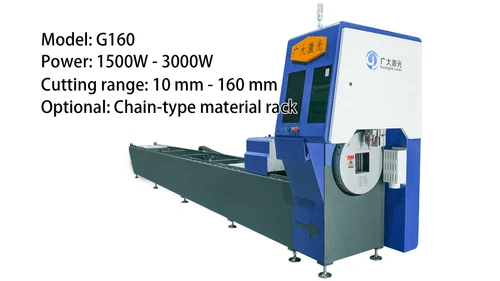
As power and output expectations rise, assist gas planning becomes more important. Nitrogen, oxygen, compressed air, and gas mixtures are not interchangeable shortcuts. Each choice affects edge condition, oxidation, speed, operating cost, and downstream acceptance. A shop that wants stainless steel finish control may plan differently from a shop cutting carbon steel parts for welding or painting.
Gas planning should include supply capacity, purity requirements, pressure behavior, delivery method, backup planning, and cost tracking by job family. It should also include the operator's response when gas-related symptoms appear. Discoloration, dross, rough edges, unstable piercing, and inconsistent cut faces may point to gas, but they can also point to material condition, nozzle condition, focus, or programming.
The operating ledger should record gas use with part acceptance, not only gas cost. Higher power may change the balance between cutting time and gas consumption, but the shop only benefits if the finished edge meets the next process with less rework.
Unloading Can Waste the Advantage
High-power cutting can shorten the time a nest spends under the beam. That does not mean the parts are ready. Unloading may become the new bottleneck, especially with heavy blanks, dense nests, sharp edges, cosmetic surfaces, mixed customer orders, or small parts that need trays. If the operator waits for carts or sorting space, cutting speed becomes a partial victory.
Unloading should be tested with realistic parts. Can operators remove heavy parts safely with the available equipment? Are small parts contained? Are visible surfaces protected? Are parts grouped by downstream destination? Does the skeleton route stay clear? These details determine whether the machine produces useful flow or a faster pile at the table.
The Single Platform Laser Cutting Machine may be part of a simpler layout discussion, while interchangeable-table concepts may suit a different shop rhythm. Either way, the loading and unloading plan should be written before the purchase decision is treated as complete.
Downstream Capacity Sets the Real Payoff
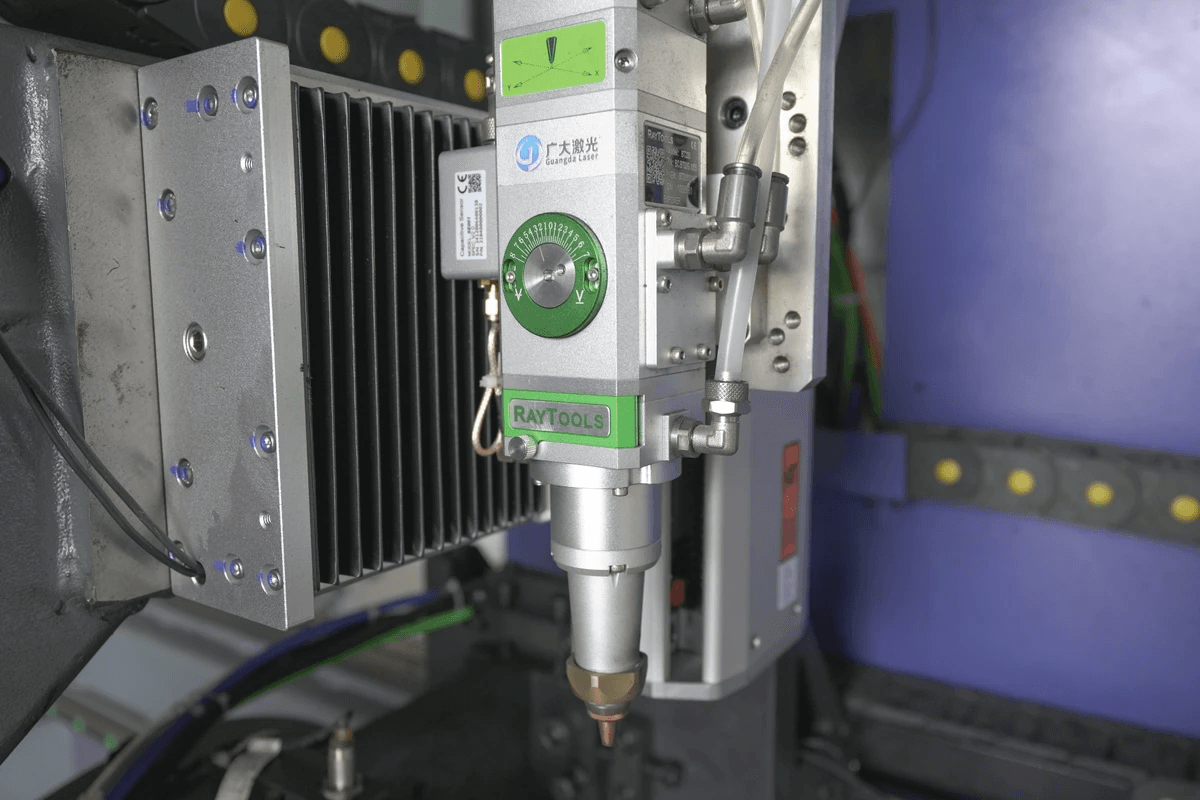
A high power fiber laser cutting machine creates value only when downstream departments can use the output. If bending is overloaded, welding fixtures are short, inspection is slow, or coating batches are poorly planned, faster cutting may only move work-in-process from one queue to another. The laser may appear busy while customer orders still wait.
Buyers should map the top part families and ask where each one goes after cutting. Bend-heavy parts need press brake capacity and bend-ready inspection. Welded assemblies need set identity and fit. Cosmetic stainless parts need surface protection. Thick carbon steel parts may need edge review, bevel planning, or secondary processing. The laser investment should support that complete route.
This is also where supplier support matters. Kiant Machinery's services can be discussed when buyers want installation, training, after-sales service, and tailored machinery conversations to connect with real factory constraints. A higher-output machine needs a higher-quality operating plan.
Do Not Let Power Replace Training
Operators still need process discipline. Higher power does not remove the need to confirm material, inspect consumables, review first parts, control parameter changes, and record quality drift. In some cases, a faster process leaves less time to notice a problem before more parts are affected. That makes training and shift communication more important, not less.
Training should include normal jobs, difficult jobs, material changes, urgent job insertion, first-part approval, and basic troubleshooting boundaries. The goal is not to make every operator a process engineer. The goal is to keep the team from treating speed as a substitute for evidence.
Procurement teams can support this by preparing real drawings, material lists, sample defects, and downstream concerns before contacting a supplier. The Kiant contact channel will be more useful when the buyer can describe the workload, not just ask for a power class.
Power Changes the Quoting Conversation
When a shop adds a high power machine, quoting should be reviewed after real production data appears. The old quote may have included slow cutting time, extra grinding, outside processing, or schedule risk. The new cell may reduce some of that pressure, but it may also introduce different costs around gas, material yield, unloading labor, maintenance, consumables, and inspection. A quoting model that only changes the cutting-speed line will miss part of the truth.
The best quote review groups parts by family. Heavy plate, cosmetic stainless, thin production panels, machine brackets, and urgent repair parts do not behave the same way. Each family should carry its own assumptions about nesting, gas, unloading, secondary work, and downstream flow. After the first month, measured production records should replace guesses wherever possible.
Maintenance Windows Need Space in the Calendar
Higher output can make maintenance easier to postpone, which is exactly why it needs a planned place in the schedule. Nozzle checks, optics care, slat condition, scrap removal, cooling observation, gas-system checks, and housekeeping all protect the process window. If the machine is always treated as too busy for routine care, cut quality may drift slowly enough that the shop starts accepting rework as normal.
Maintenance should be connected to job families. If thick plate work creates more slag buildup, the table routine should reflect it. If stainless work exposes surface or edge variation, samples and consumable records should be reviewed. If urgent jobs repeatedly interrupt cleaning, the production calendar is creating a maintenance problem.
The calendar should also reserve time for evidence review. A short weekly check of cut samples, gas records, downtime notes, and downstream complaints can show whether the high-power cell is becoming more stable or simply busier.
That distinction matters. Stable output gives managers confidence; busy output without acceptance only hides rework inside a faster schedule.
A High-Power Buying Audit
- Identify whether the current bottleneck is cutting time, material movement, unloading, inspection, or downstream capacity.
- Test representative thin, medium, thick, cosmetic, and heavy parts instead of relying on one demonstration sample.
- Plan gas supply, quality checks, and cost tracking by job family.
- Verify unloading, part protection, skeleton removal, and cart flow before assuming higher output will be usable.
- Include training, maintenance, shift handoff, and supplier support in the equipment review.
- Measure accepted output after downstream confirmation, not only laser cutting activity.
Conclusion
A high power fiber laser cutting machine should be judged by the load path it supports. Power matters, but it works inside a system of material staging, gas planning, process control, unloading, inspection, downstream capacity, and training. Buyers who audit that system first can decide whether high power is a real production upgrade or just an expensive answer to the wrong bottleneck.