
Good fiber laser cutting machine operation is not just a matter of pressing start and watching parts come off the table. The work begins before the beam turns on, when the shop confirms the job file, material identity, nozzle condition, assist gas setup, unloading plan, inspection method, and downstream route. If those pieces are loose, a technically capable machine can still produce confusion, rework, and schedule pressure.
For buyers comparing equipment, operation should be part of the purchase discussion from the beginning. A machine that looks productive during a demonstration still has to fit the daily habits of the factory. Shops evaluating flatbed laser cutting machines need to think about sheet staging, program release, skeleton removal, and part sorting. Shops also considering tube work should compare those habits with the requirements of a laser tube cutting machine, where profile orientation and fixture fit become central.
The Shift Starts With Work Readiness, Not the Start Button

The strongest operation routines start with a short readiness check. The operator should know which jobs are released, which material is staged, which programs are approved, which parts are urgent, and which downstream department is waiting. Without that basic agreement, the machine may cut quickly while the rest of the shop loses time finding material, clarifying revisions, or sorting mixed parts.
Readiness also includes the condition of the cutting area. Slats, scrap bins, skeleton routes, carts, protective film, and sample parts should be checked before the first production cut. If the table is already crowded or the unloading cart is wrong, the shift begins with a hidden delay. A visible start-of-shift routine helps operators catch small friction before it becomes a line-wide interruption.
For production managers, this is a useful acceptance-test point. Do not only ask whether a machine can cut a sample part. Ask whether the operator can move from job release to first accepted part with the same discipline required on a normal shift. That test reveals whether training, software habits, material staging, and inspection rules are ready.
Material Identity Controls the First Cut
Material identity is one of the quiet foundations of fiber laser cutting machine operation. The operator needs to confirm grade, thickness, surface condition, coating or film requirements, and remnant status before the job begins. A sheet that looks familiar may still behave differently if it comes from another batch, has a different surface requirement, or carries a protective film that changes handling after cutting.
The same rule applies to tube work. Round, square, and rectangular tube may require different handling, and similar-looking material can belong to different assemblies. When a shop uses Kiant tube-related equipment options such as the G90 Store lightweight machine or C12 PRO Max, the operating discussion should include how material will be staged, named, confirmed, and handed to the next station.
Material confirmation should be fast, but not casual. A short record of job number, material type, thickness or profile family, and operator confirmation gives the shop a traceable starting point. If the first part fails inspection, the team can separate material questions from parameter questions and avoid guessing.
The Operator Watches the Process Window
TRUMPF describes laser cutting as a process shaped by focused optics, laser energy, assist gas, nozzle behavior, cutting speed, and the interaction at the workpiece. That is a useful way to think about operation: the operator is not simply supervising motion; the operator is protecting a process window. When edge quality changes, the cause may sit in focus, nozzle condition, gas flow, speed, material surface, or a combination of factors.
A stable operating routine gives the operator permission to stop and investigate drift. Small burr changes, color changes, rough edges, incomplete pierces, or unstable small features should not be treated as normal background noise. They are early signals. If the shop waits until downstream departments complain, the problem has already traveled farther than necessary.
Good operators also understand what not to change. Adjusting several settings at once may produce one acceptable part, but it can make the cause impossible to trace. A stronger method records one change, checks the result, and keeps the approved condition visible for similar jobs. This is especially important when multiple shifts share the same machine.
Unloading Is Still Operation
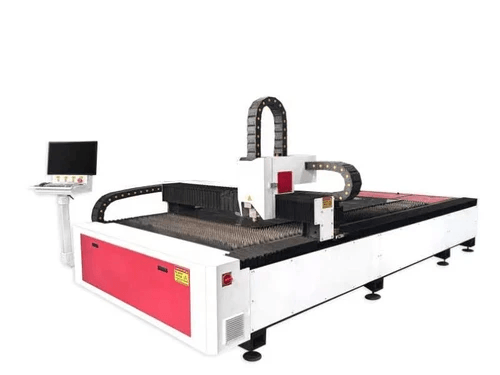
Many shops define operation too narrowly. Cutting ends when the beam stops, but production does not. Unloading, sorting, protecting visible surfaces, separating small parts, removing skeletons, and moving parts to bending, welding, coating, or assembly are all part of the operating route. A machine can be technically active while the factory loses value at the table edge.
Equipment format changes this conversation. The Interchangeable Laser Cutting Machine may be discussed when shops want a different rhythm between cutting and table handling, while the Single Platform Laser Cutting Machine may suit a different layout or operating expectation. The right question is not which format sounds faster in isolation. The right question is how the operator will protect finished parts and keep the next operation fed.
Unloading rules should be written in production language. Which parts need surface protection? Which parts are too similar to mix? Which small parts need trays? Which parts require first-piece approval before the rest of the nest is released? These rules help the operator deliver accepted work, not just cut shapes.
Tube and Sheet Work Need Different Habits
A shop that operates both sheet and tube equipment should avoid treating every laser job the same. Sheet work often puts pressure on nesting, table condition, skeleton handling, and part sorting. Tube work puts more pressure on profile orientation, seam position, rotation, miter fit, and fixture readiness. The operating routine has to respect those differences.
For tube jobs, the operator should confirm how the cut tube will be used. A hole that is correct in size but wrong in rotation can fail at assembly. A tube that is cosmetically acceptable on one face may be rejected if the visible face is scratched during unloading. These issues are not abstract quality concerns; they are operating details that determine whether the tube can move forward.
For sheet jobs, the operator should understand the next process. A laser-cut blank headed to bending needs bend-ready accuracy, surface protection, and clear orientation. A decorative part may need a different handling standard. A heavy part may require a different unloading route. The operation plan should match the product family, not only the machine type.
Training Makes Operation Repeatable
Training should connect the machine to the factory's daily route. Kiant Machinery presents services around selection, installation, training, after-sales support, and tailored mechanical solutions, which are relevant when a buyer wants the operating method to survive beyond commissioning. The strongest training asks operators to run real job families, record first-part checks, handle interruptions, and explain what they do when cut quality changes.
Training should also include supervisors and downstream staff. If only the operator understands the process, other departments may still create confusion through late revisions, unclear priorities, or poor part handling. A shared operating language helps the whole shop understand why material identity, process-window control, and unloading discipline matter.
When a shop is ready to compare a specific production route, a practical next step is to collect representative parts, fixture requirements, material notes, and support questions before using the Kiant contact channel. That preparation keeps the discussion focused on real operation rather than a generic machine description.
Shift Handoffs Should Carry Evidence
A clean handoff is part of operation because most production problems do not respect shift boundaries. The next operator should know which material was run, which first parts were accepted, which settings were changed, which carts are waiting, and which downstream group has already received parts. Without that handoff, the second shift may repeat checks, miss a warning, or continue a job under assumptions that were only true earlier in the day.
The handoff can stay simple. A short note, a marked sample, a cart label, and a clear status for open jobs may be enough. What matters is that the evidence travels with the work. That evidence protects production rhythm and gives supervisors a clearer view of whether the operation is stable.
Handoff discipline also helps during training. New operators learn faster when they can see how experienced operators describe material changes, accepted samples, open cautions, and downstream needs. The shift note becomes a practical teaching record rather than a form created only for management.
A Shift-Level Operation Checklist
- Confirm released job files, material identity, revision status, and first-part approval rules before cutting.
- Check nozzle condition, optics handling requirements, assist gas readiness, table condition, and scrap routes according to the machine manual.
- Verify carts, trays, labels, surface protection, and downstream destinations before the first nest or tube set is released.
- Record process-window changes one at a time so cut-quality drift can be traced.
- Separate sheet and tube operating habits instead of forcing one routine onto both workflows.
- Review shift notes with the next operator so training, maintenance, and production planning improve together.
Conclusion
Fiber laser cutting machine operation is a shift discipline, not a button sequence. Material identity, job release, process-window monitoring, unloading, part protection, tube-or-sheet handling, and training all shape the value of the machine. Buyers who evaluate operation before purchase can choose equipment and support with clearer expectations, and shops that run disciplined shifts can turn cutting capability into accepted production.